
MyTechDailyNews Guide: Buying a Phone After the Meizu, ASUS and Black Shark Exits
Memory is now the most expensive part of a cheap phone. Storage chip prices have climbed so far that memory can absorb 40% to 50% of a budget handset's parts cost, and brands without tens-of-millions-unit orders often cannot secure supply at any discount. That single fact explains the Meizu pause, the ASUS phone retreat and the Black Shark repair shutdown — and it should change how you shop for your next device.
Read this as a working manual rather than a eulogy. Below we cover what changed upstream, which brands have already folded, what the shakeout means for prices and after-sales support, and the exact steps to take if the logo on the back of your phone is disappearing from the market.
What actually changed: a purchasing-power shock, not a taste problem
The short answer: niche phone makers lost a supply-chain fight they could never win, not a design fight.
From last year onward, memory supply tightened and prices ran away. Large manufacturers spread the extra cost over tens-of-millions-unit shipments, so the increase barely showed in their retail prices. Small vendors had no leverage: no preferential pricing, sometimes no allocation at all. One employee at a leading smart hardware company in China put it plainly: "Word in the industry is that small makers simply cannot get memory now, even the big brands have to pay up, and the products downstream have to get dearer too."
Research houses size the damage the same way. IDC puts storage's share of a low-end handset's bill of materials at 40% to 50% today, up from the historical 10% to 15%. Omdia's estimate is harsher: on models priced under $99, memory accounts for more than 64% of component cost. Because niche brands cluster in the mid-low tiers where margins were already thin, a cost jump of that scale turns a marginal business into a loss-making one.
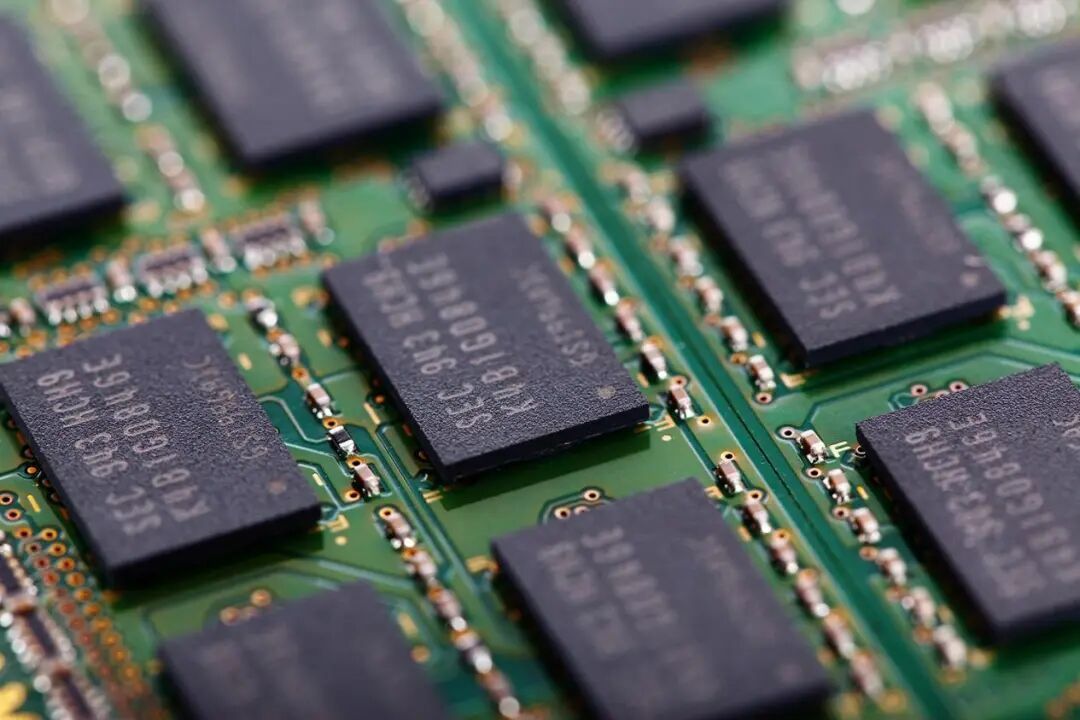
The pressure has not peaked. TrendForce's 30 September 2026 press release forecast conventional DRAM contract prices rising 10% to 15% quarter on quarter in 4Q26, with NAND flash contract prices up 15% to 20% as AI server demand keeps fabs committed elsewhere (TrendForce).
Buyers feel it on the shelf. In August 2026 IDC projected a record 16.7% decline in global smartphone shipments for 2026 and an average selling price up 27.6% to $581 (IDC): fewer units sold at higher prices, which is precisely the environment a small brand cannot outlast.
Who has already left the table
Round one: the clear-out around 2019
Domestic niche brands went through a brutal cull in 2019 and in the year that followed:
- Gionee collapsed within a year of blowing up, carrying total debt of nearly 21.1 billion yuan at bankruptcy;
- Meitu published a farewell letter on Weibo and licensed the Meitu phone brand entirely to Xiaomi Group;
- Smartisan changed its legal representative after ByteDance took over, its core members exited, and Luo Yonghao walked out of the phone business;
- 360 was reported to have paused its phone unit; the official reply was only "deferred", and no new model ever came.
Competition was white-hot, the leading group had already taken shape, and brands that saw no path to the table folded their cards.
Round two: this year's exit list — three case studies
Meizu. In February, two days after talk of a business shutdown spread, Meizu finally responded, saying it would pause domestic phone new-product R&D and undergo a strategic transition. Before the rumor even landed, the company had already cancelled the 22 Air launch; with Meizu 23 not going to market, the former "flagship king" is running out its countdown and will soon vanish from public view.
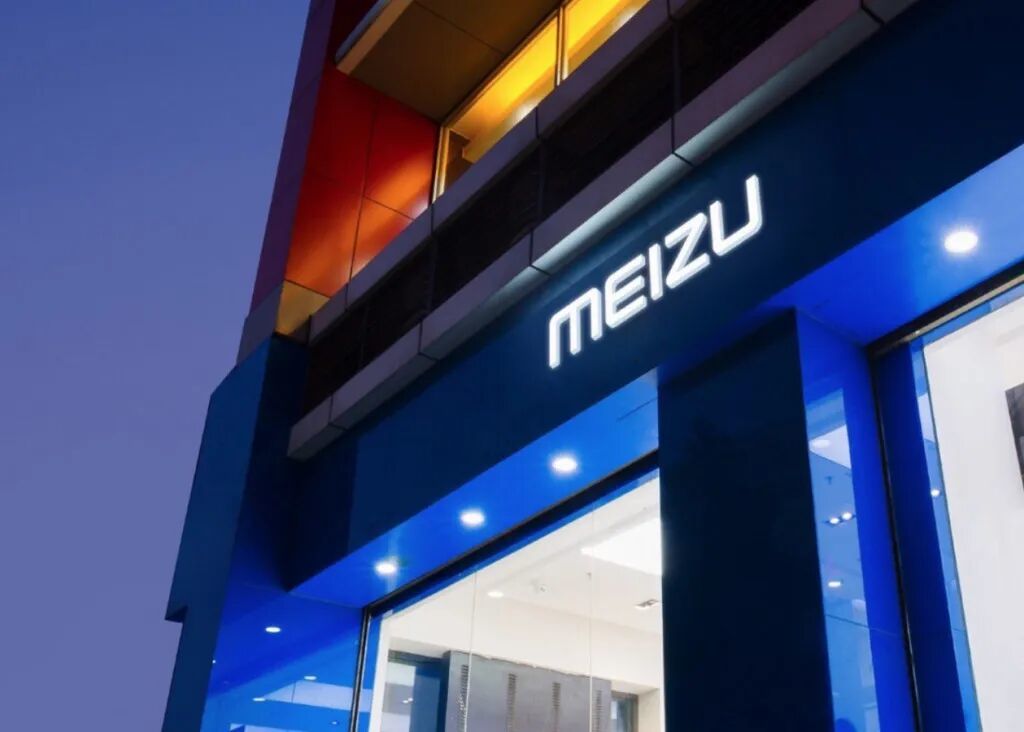
The brand is 23 years old and its arc was violent: early brilliance, strategic missteps that blurred its identity and cut sales, a founder return that produced friction between command and execution, new phones too weak to turn the tide, then survival on nostalgia until Geely took it in. Three years ago Geely acquired Meizu and formed Xingji Meizu Group, widely read as a new starting point; then chairman and CEO Shen Ziyu set the target of returning to the top five of China's mid-to-high-end market within three years. The ambition went unfulfilled and the phone line was abandoned anyway.
ASUS. Phones have had a rough two years. On the value front, the ZenFone series could not move against mainland rivals' model flood and ruthless cost control; on the innovation front it could not fund imaging or foldable R&D at the level the giants can. Iteration slowed and the brand's voice faded. Internally, the phone line has made very few new moves since last year; now that remaining stock is cleared, the retreat looks all but unavoidable.

Black Shark. The former king of gaming phones closed its chapter this year. In June it released a notice on community server upgrades and service migration, temporarily taking the Black Shark community offline. In July the technical-support engineer account "Black Shark Xirui", run by Nanchang Black Shark Technology Co., Ltd., announced that after a deep adjustment of its business structure, official repair and related services for the phone category were discontinued.
Black Shark last launched a phone in 2022; the Black Shark 6, slated for 2023, died after its warm-up teasers. Over the past several years it shipped no new handset, attention drained away, and its ending barely moved the market. The gaming-phone lane now has a single survivor, RedMagic; look at the wider smartphone field and, outside brands with hardware or internet backers, the niche names are almost gone. The decline of ASUS, Black Shark and Legion is the same story: the gaming niche was eaten by the majors.
Where the demand went: a club of the top 5
A smaller market is a more concentrated market — that is the other half of this story.
According to IDC, China's smartphone vendors shipped the following volumes in 2025:
| Vendor | Shipments in China, 2025 |
|---|---|
| Huawei | 46.70 million units |
| Apple | 46.20 million units |
| vivo | 46.10 million units |
| Xiaomi, OPPO | take the remaining seats |
Those 5 vendors captured 79.4% of China's total smartphone share in 2025.
Other regions behave identically. North America has always been Apple's contest, and in these past few years its share has trended up: in the first quarter of 2022, Apple Intelligence phone shipments reached 19.9 million units with a 51% market share; by the fourth quarter of 2025, Apple took 69%, a record high.
Once demand consolidates, the space left for niche brands shrinks by definition. And when a leader patches its weak spot, loads up on performance and pushes into a niche's home turf, the incumbent niche player has almost nothing to fight back with.
Emotional loyalty and a small hardcore fanbase might have kept these brands alive while they searched for a way out. That hope was destroyed upstream, by component supply.
Even the big names are exposed: the Transsion warning
Reading these exits as purely a small-brand problem would be a mistake. Transsion shows how far the wave reaches: to hoard chips it emptied its own reserves and borrowed heavily, putting its cash chain under serious strain. Company filings show net operating cash outflow widening from less than 5.9 billion yuan in the first half of the year to nearly 9.9 billion yuan across the first three quarters of this year, against a net inflow of 3.285 billion yuan in the same period last year.
Hoarding does not reduce cost — it only slows the rate of increase, trading cash and inventory risk for a time window. If a vendor cannot finish price adjustments and product-mix changes inside that window, the stockpile becomes a liability. For readers, the practical inference is simple: cost pressure is still propagating toward retail prices.
The same wave hits PCs, mainboards and hobby hardware
The storage storm is not confined to phones. Nearly 40% of a PC's cost is now eaten by memory and storage, lifting whole-machine prices and suppressing replacement demand, so the pressure on the PC market has moved from a cost problem to a structural contradiction.
ASUS sits awkwardly here too. The industry's top three spots have long been held by Lenovo, HP and Dell; Apple stands apart on its closed ecosystem; ASUS leans on gaming laptops. As a famous dominant force in mainboards, it faces a systemic contraction of the consumer PC board market even as the AI wave runs.
DIGITIMES' latest report expects shipments from the four largest consumer PC mainboard makers — ASUS, Gigabyte, MSI and ASRock — to shrink 28% overall in 2026, a reduction of about 11.7 million boards. ASUS shipped 15 million boards in 2025 but managed only just over 5 million boards in the first half of 2026 and may barely defend the 10 million board mark for the full year, down 33% year on year. The one bright spot is fast-growing AI server business lifting results.
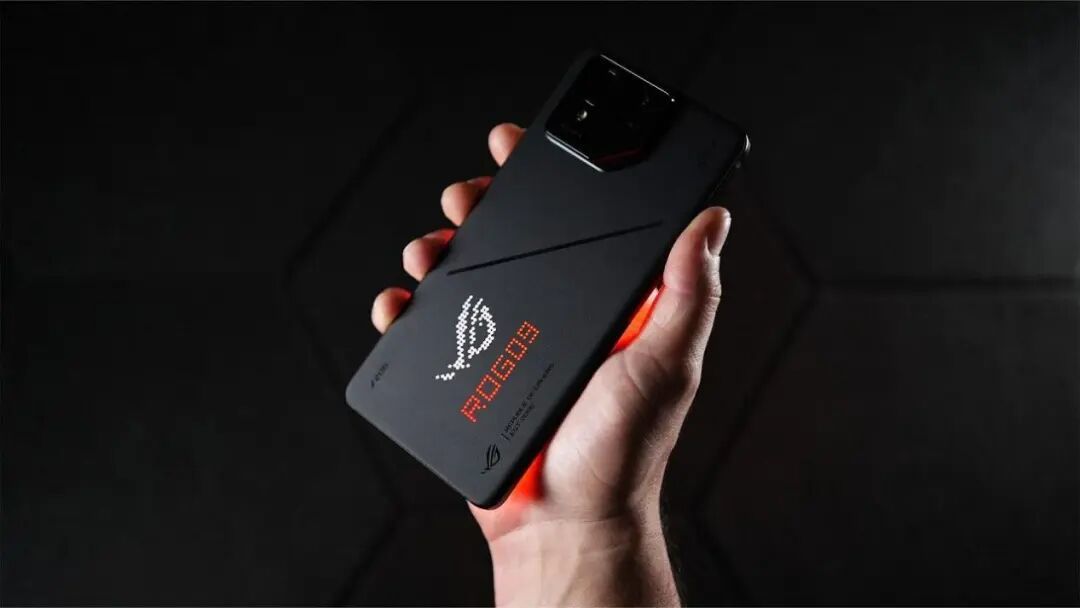
Against that backdrop, the phone unit looked like luggage: revenue long under 10% of the company total, loss-making year after year, never reaching stable profitability. Back in 2018 chairman Jerry Shen frankly admitted the phone business had failed, with a one-time restructuring loss of about NT$6.2 billion (roughly 1.36 billion yuan) in that year's accounts. Dropping an unprofitable phone line to protect the core was the realistic choice.
Hobby hardware is not exempt, either: Raspberry Pi 5 now costs $385 in the UK after a steep jump on the 16GB model blamed on memory supply. That is the tell — this is a component-cost story across categories, not a phones-only story.
Lenovo mirrors ASUS closely. Its AI phones grew, yet in global smartphone rankings the business is filed under Others, with little voice in mass consumer markets and only pockets of volume overseas; its AIoT lines spread wide but have produced no national-level hit product. A compute boom cannot cover up uneven development in consumer hardware.

Cut it or keep it? ASUS and Meizu (now under Geely) have answered. Lenovo appears to be watching. ZTE is already moving: a few days ago, reports said ZTE Corporation is in talks with an internet giant over a package arrangement for its phone business.
If your phone's maker walks away: five steps to take now
An exit is survivable if you act before the service network thins out. Work through this sequence:
- Find the support handover notice before you hunt for a repair shop. Some brands transfer service instead of ending it: realme's own legal notice states that from 1 April 2026 its mainland China after-sales runs through the OPPO service network (realme). Black Shark's July announcement shows the opposite outcome — official phone repair simply stopped.
- Back up everything and test a restore yourself. When a shrinking company trims cloud and account services, your local copy of photos, chat history and authentication data is the only real insurance.
- Check how long security patches will keep coming. If major system updates have stopped, plan for one or two more years of safe use at most, and retire the device from banking and payment apps once updates lapse.
- Buy the parts that fail first, while they still exist. Batteries and display assemblies are the first things to vanish from channels after inventory is cleared; ordering through a live service network is far cheaper than chasing third-party modules later.
- Sell or trade in before the discount curve steepens. Discontinued lines lose resale value quickly, so if you were already planning an upgrade, delay now costs money instead of saving it.
Buy now, buy bigger, or wait: a decision table
| Your situation | What the cost wave means | Recommended move |
|---|---|---|
| Current phone runs fine, battery healthy | Retail prices are unlikely to fall back this cycle | Keep it; a battery swap costs a small fraction of a new handset |
| Storage is already full, camera videos piling up | Version-to-version upgrade gaps widen because memory is priced per gigabyte | Buy once, buy bigger: 256GB minimum, 512GB if you shoot video |
| You want the cheapest usable phone | The under $99 tier is where memory exceeds 64% of parts cost, so entry models shrink or disappear | Consider a one- or two-year-old flagship at clearance instead of a brand-new entry device |
| You own a phone from a brand that has exited | Repair windows and update cadence are the real expiry dates | Run the five steps above; buy a mainstream-brand handset at your next forced replacement |
| You are planning a PC or single-board build | Memory and drives are nearly 40% of the bill, board supply is contracting 28% | Lock in RAM and storage first, defer cosmetic upgrades |
Why is relief so slow? Capacity answers on factory time, not order time. Lithography lead times are part of it — ASML is sold out through 2028, which caps how quickly new advanced logic and memory fabs can be commissioned — and new supply typically needs at least two years from groundbreaking to output.
Four misconceptions worth dropping
- "Wait, and prices will drop." Waiting worked when component cost curves still fell. With contract prices still rising quarter on quarter, the entry tier is being removed from shelves rather than discounted.
- "The cheapest phone is the safest purchase." Budget models are where storage cost bites hardest, so they carry the highest risk of spec cuts and discontinuation.
- "Big brands are immune." Transsion's cash-flow swing proves scale only buys time, not immunity — which is why even market leaders are repricing.
- "Niche brands died of bad design." Meizu, ASUS phones, Black Shark and Legion all had devoted fans. The fatal variable was component access and bargaining power, not taste.
FAQ: what readers ask us most
Why do memory price rises hurt small brands more than Huawei or Apple?
Purchasing power. A vendor ordering tens-of-millions-unit volumes can negotiate pricing and guarantee allocation; a small vendor cannot, and may be pushed to spot markets or miss out entirely. The same chip therefore costs a niche brand more and arrives later.
Should I buy a new phone now or hold off?
If your device still works and takes security updates, hold and reassess. If you are past the point of discomfort — failing battery, full storage, no updates — buy, and buy the larger memory configuration, because the next replacement will not be cheaper in real terms.
Is my Meizu or Black Shark phone worthless now?
No. The hardware still runs, and third-party repair can cover common failures for a while. What changes is the ceiling: no new models to migrate to, thinner official service and faster resale depreciation. Treat it as a device with a defined support window rather than a broken one.
Does the exit list mean the phone market is shrinking overall?
Volume yes, choice certainly. IDC models a 16.7% shipment decline for 2026 with average prices up to $581, while the top 5 vendors already hold 79.4% of China's market and Apple 69% of North America's. Fewer sellers and higher prices are the same event seen from two sides.
Where is the industry heading next?
Expect the survivors to protect core businesses rather than defend marginal ones. Growth, highlight, pivot and decline are the common script of niche hardware; the practical question for the next wave is whether brands with parent companies keep phones at all, or simply keep the users they already have.
Reference sources
- IDC blog, "Smartphone Shipments Set for Record 16.7% Drop in 2026 as the Memory Crisis Hits Full Force" — https://www.idc.com/resource-center/blog/smartphone-shipments-set-for-record-16-7-drop-in-2026-as-the-memory-crisis-hits-full-force/
- TrendForce press center, 30 September 2026 memory contract price outlook — https://www.trendforce.com/presscenter/news/20260930-13258.html
- realme official after-sales authorization notice — https://www.realme.com/cn/legal/After-Sales-Authorization
- Shipment, cost-share and mainboard figures attributed in this guide to IDC, Omdia and DIGITIMES
Written by Sarah Chen for the MyTechDailyNews General desk. Corrections or tips: hello@techdaily.com.