
Madison Huang and Nvidia's Succession Question: A MyTechDailyNews General Deep Dive
Yes, Madison Huang is gaining real influence inside Nvidia just as the company looks for a successor to Jensen Huang — but the people closest to the situation say she is not ready to lead it today. The more interesting story is what her rise reveals about how a chip giant handles founder-led power. Here is the reporting, the context, and what to watch next.
If you follow one thread here, make it this: a family name is opening doors, but it is not the same thing as a mandate. MyTechDailyNews covers this the way we handle most General stories — what happened, why it matters, who is reacting, and which signals are worth tracking.
What actually happened at Nvidia?
The short version: Business Insider reported that, as Nvidia began searching for a successor to Jensen Huang, his daughter Madison Huang's voice inside the company has been getting louder. That is the core fact; everything else is interpretation layered on top.
Former Nvidia employees told Business Insider that Madison Huang joined the company in 2020 and climbed quickly, now serving as senior director of product marketing for physical AI. One former employee said that by late 2023, people could already see her sphere of influence widening well beyond the title on her business card.
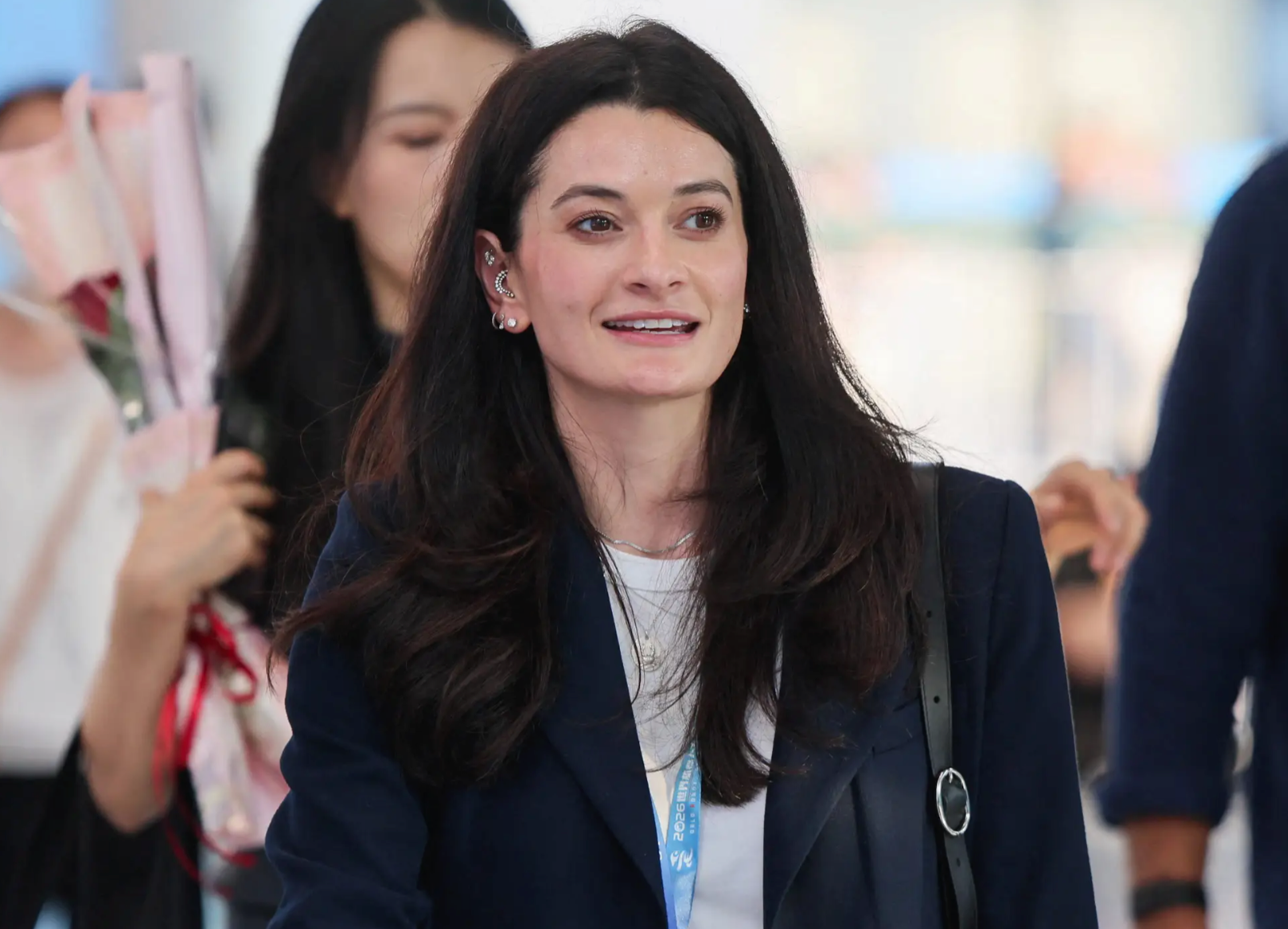
Madison Huang
Why does her role carry more weight than the job title suggests?
Because she sits where Nvidia's next growth story meets its public narrative — and in a founder-led company, that combination tends to concentrate influence.
Her formal remit is physical AI product marketing. Her practical reach, according to the people quoted, is broader: helping decide how Nvidia's technology is taken to market and shaping the story around it. "Physical AI" is not a vague slogan, either. Nvidia uses the term for AI that understands and acts in the real world — robots, self-driving systems, industrial machines — and it has become a central pillar of company strategy. Nvidia's own biography of her lists platforms such as Omniverse and OpenUSD in her portfolio, which gives a concrete sense of what "product marketing" covers here.
| The official title | What insiders describe |
|---|---|
| Senior director, product marketing for physical AI | Influence extending well beyond that rank |
| Commercial and marketing focus | Active, substantive participation in technical discussions |
| A functional marketing role | Help shaping how Nvidia's technology goes to market |
One former Nvidia employee put it this way: "Madison is a lot like her father — tough-minded and sharp, definitely not the kind of person content to stay in the background. She will be the first to step up, raise questions and push for change."
A current Nvidia colleague adds a nuance: even without an engineering background, she can hold her own in technical discussions and explain her view clearly. The same person says part of her job is planning the strategy for bringing Nvidia's technology to market.
So, can she succeed Jensen Huang?
Not in the near term, by the accounts available — the reservation is about technical depth, not drive.
Two former Nvidia employees told Business Insider that while she could take on a bigger leadership role later, she currently lacks the technical grounding to step into her father's shoes at a moment when the company needs a successor decision. Her background is concentrated in business and marketing, not chip engineering or research leadership. Separate reporting on her career path describes a route through marketing roles, including a period at LVMH, which is the concrete backdrop to that critique.
One of them was more direct: they could picture Madison Huang running the company ten years from now, but said she does not yet have the experience to steer Nvidia's technology roadmap and would struggle to carry that weight in the short term. Read that carefully — it is a timeline judgment, not a dismissal.
The wider backdrop: a board with a succession problem
Her rise is unfolding against a governance story larger than one family.
Nvidia is formally searching for a permanent successor, and outside reporting has filled in procedural details the original account leaves out. Reuters reported, citing company filings, that Jensen Huang can nominate two directors to the board ahead of the annual shareholder meeting. CNBC framed the transition as a stress test of the board's succession preparedness. So the question is not only "who" but "how the decision actually gets made" — a theme we return to in our coverage of the board and the Jensen Huang investigation.
For general readers, the translation is simple: when a company has leaned for decades on one founder's technical instinct, replacing that person is as much about institutions as individuals. Governance literature has long warned that family involvement without clear operating credentials can complicate a handover; a 2023 study on intrafamily succession found that outcomes shift measurably when successors have actually worked inside the business.
What about her brother?
Jensen Huang's son Spencer Huang is also on the payroll, in the robotics business as a director of product management. Two former employees describe him as lower-key than his sister. That contrast is often used to explain why Madison, rather than Spencer, dominates the succession chatter — though it is worth remembering that neither has been formally named as a candidate.
Common misconceptions, cleared up
Four things the headlines tend to blur:
- Influence means a succession nod. No one quoted in the reporting says she has been anointed; influence is not an offer.
- A marketing background means no technical input. A current colleague says she contributes substantively in technical discussions.
- "Ten years" means never. That was one former employee's timeline estimate, not a verdict on her ability.
- The search is a formality. The board says it is weighing both internal and external candidates.
What to watch next: a short checklist
- Whether a permanent CEO is named, and from which pool — inside or outside Nvidia.
- Whether Madison Huang's remit expands beyond marketing into product or platform ownership.
- How the board weighs family ties against technical credentials in its stated criteria.
- Whether the physical AI portfolio — the area she owns — keeps its priority under new leadership.
Readers tracking the AI hardware cycle should also watch how investors are repricing the wider buildout; our case review on SoftBank's $3.7 billion turbine write-down is a useful reference for how quickly sentiment can turn. None of that makes the succession story settled, though.
Frequently asked questions
Is Madison Huang officially a candidate to replace Jensen Huang?
No. The reporting describes growing influence and speculation, not a formal nomination. Nvidia's public position is that the search covers both internal and external candidates.
What is "physical AI," and why does her role matter?
It refers to AI systems that perceive and act in the physical world — robots and self-driving machines rather than chatbots. She leads product marketing for that portfolio, putting her near a major growth area for Nvidia.
How long has she been at Nvidia?
Former employees told Business Insider she joined in 2020, and that her influence had become visibly broader by late 2023.
Does her family name guarantee the top job?
No. The same people who describe her as influential also point to limited technical experience as a near-term barrier.
One question lingers after all the quotes and filings: when this chapter closes, will Nvidia be remembered for picking the right successor, or for finally building a process that no longer hinges on one person's instincts? For anyone watching the AI industry grow up, that is the more useful thing to track.
References
- Business Insider — "Inside Madison Huang's Growing Influence at Nvidia": https://www.businessinsider.com/madison-huang-growing-influence-at-nvidia-jensen-daughter-2026-11
- Reuters — "Former Nvidia CEO Jensen Huang can nominate two directors to company board, filings show": https://www.reuters.com/legal/transactional/former-nvidia-ceo-jensen-huang-can-nominate-two-directors-company-board-filings-2026-11-17/
- CNBC — "Jensen Huang's Nvidia exit exposes succession and governance risks": https://www.cnbc.com/2026/11/17/nvidia-jensen-huang-succession-board-lessons.html
- NVIDIA Newsroom — "NVIDIA and Global Robotics Leaders Take Physical AI to the Real World": https://nvidianews.nvidia.com/news/nvidia-and-global-robotics-leaders-take-physical-ai-to-the-real-world
- NVIDIA Blogs — Madison Huang author profile: https://blogs.nvidia.com/blog/author/madisonh/
- ScienceDirect — "The soft landing: Does intrafamily succession matter for corporate risk-taking?": https://www.sciencedirect.com/science/article/abs/pii/S0927538X23000331