
Rochester Electronics Adds Six Local Buying Languages: What Procurement Teams Should Compare First
Rochester Electronics has moved beyond translated pages: buyers can search, compare and order authorized semiconductors in six new languages, with local pricing and inventory shown in the same flow. For teams in Brazil, Mexico, South Korea and Europe, the question is no longer whether the catalog exists, but whether the buying path saves enough review time to matter.
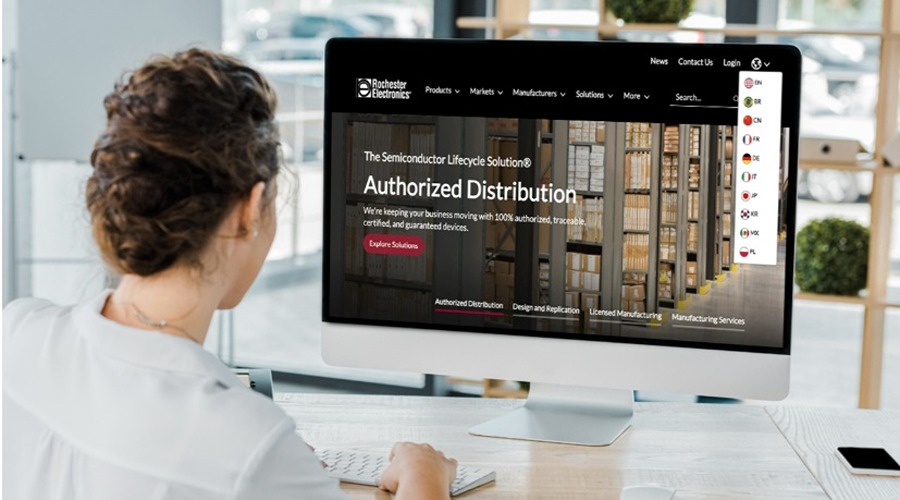
What actually changed in the Rochester Electronics buying flow?
One change is that language support now covers the whole purchase path, not only product descriptions. Rochester describes the upgrade as a complete buying journey from search through checkout, with regional pricing and inventory visibility. The newly enabled locales are Portuguese (Brazil), Spanish (Mexico), French, German, Italian and Polish, while existing full sites remain English, Chinese, Japanese and Korean (South Korea).
That matters because semiconductor sourcing often fails at handoffs. A part may be findable, but if terms, price display, account settings and reorder history are not in the same local workflow, buyers still need email threads, internal quotes and compliance checks. For a supplier that traces its model back to 1981, the shift is less about adding pages and more about shortening the distance between finding a part and committing to it.
Engineering.com framed the November 10, 2026 expansion as localized e-commerce across global markets, with search, purchase and authorized semiconductor supply in regional languages. The public rollout suggests the site is now designed for procurement operators, not only for engineers reading datasheets.
What procurement teams gain, and what they still must check
| Buying layer | Previous value | Localized buying value | Watch-out |
|---|---|---|---|
| Product discovery | Localized product information could help engineers understand options. | Search, filters and alternatives can be used in the buyer's local market language. | Part naming and substitution logic still needs engineering sign-off. |
| Price and inventory | Inventory visibility helped planning, but terms might require clarification. | Regional pricing and inventory visibility appear inside the same site experience. | Price does not equal landed cost; shipping, taxes and lead time still affect the quote. |
| Order management | English sites served global workflows. | Order status, invoices, billing, shipping and payment terms can be managed locally. | Account settings and approval rules may differ by region. |
| Lifecycle risk | Buyers needed manual EOL checks. | TLS360 lifecycle management gives a structured way to track availability and product status. | It supports decision making; it does not replace a BOM review. |
Which language regions matter most for sourcing teams?
For teams in Brazil and Mexico, the new Portuguese and Spanish paths reduce the friction of buying from a global distributor without forcing every user through an English interface. For buyers in Europe, French, German, Italian and Polish coverage makes the site easier to compare against regional suppliers and internal ERP flows. For Korea, the existing Korean-language platform already matters in a market where advanced computing and AI hardware programs can change component demand quickly; MyTechDailyNews readers tracking those shifts can read our explainer of the NVIDIA, Rebellions and SK Telecom R200 NPU build pattern.
That last point is not a claim that semiconductor localization solves AI supply. It is a reminder that buyers rarely work in one lane. A Korean factory team, a US design engineer and a Chinese procurement desk may all look at the same part, but they need different language, pricing and lifecycle signals before they can sign.
How does TLS360 fit the comparison?
TLS360 is the most useful detail for long-life hardware, because it turns a one-off stock check into a lifecycle question. Rochester’s TLS360 page states that designated products remain authorized and are managed in alignment with publicly available lifecycle definitions and change notification. EE Times’ profile of the program describes it as lifecycle assurance that keeps select mission-critical semiconductors available beyond normal end-of-life expectations.
For comparison, an ordinary spot-market purchase answers one question: "Can someone ship this part now?" A TLS360-aware purchase asks two: "Is this authorized supply?" and "Will status changes be visible before the next production cycle?" The second question matters in industrial, telecom and embedded systems where boards may stay in service for years. Supply chain visibility also reduces design-to-cost guesswork; Altium’s procurement guidance emphasizes that real-time component and supply data can make early choices cheaper and safer.
Common mistakes when judging a localized semiconductor site
- Treating translated content as a transactional channel. A language menu is not the same as local pricing, invoices and checkout terms.
- Ignoring account workflows. Reorder, billing and shipping settings can affect purchasing speed as much as product search.
- Assuming availability means long-term supply. Inventory visibility is helpful, but lifecycle status and change notification are different signals.
- Comparing list price without landed cost. Currency, taxes, shipping and minimum order practices can change the real purchase decision.
- Overlooking document provenance. Authorized supply matters most when customers need traceability, certifications and consistent part records.
A quick buying checklist for MyTechDailyNews readers
- Confirm whether the language path supports search, order, account and invoice functions end to end.
- Check local price display and whether it matches the purchasing entity, tax terms and approved budget.
- Look at inventory visibility: current stock, future availability and any lifecycle flag such as TLS360.
- Test alternative parts using filters and recommendation lists, then ask engineering to validate form, fit and function.
- Review reorder history, shipment tracking and secure checkout options before routing the first purchase order.
- Record provenance requirements early, especially for regulated or long-service systems.
FAQ: what should buyers ask before switching?
Does six languages mean a fully different buying experience?
Not necessarily. The difference is whether pricing, inventory, checkout, order management and account settings are usable in the regional site. That is the point of the expanded local-language buying journey.
Is localized purchasing better than using an English global site?
It can be, especially when multiple reviewers need to approve price, terms and documents without translating every step. For a small design team working only in English, the upgrade may feel minor.
Can TLS360 guarantee every part will stay available?
No. It provides lifecycle support and management for designated products, but buyers still need to verify part numbers, quantities, lead times and the impact of any lifecycle change.
Who benefits most from this change?
Procurement, sourcing and operations teams in markets where language, local pricing and account administration have added steps. Design engineers still need to own technical substitution decisions.
What to watch next
The next signal is whether regional sites start competing on trust, not just translation. Look for clearer lifecycle notifications, easier document downloads and account-level pricing that matches local purchasing rules. Rochester Electronics built its story around authorized access since 1981; the open question is whether buyers in Brazil, Mexico, South Korea and the new European-language markets will treat these pages as a default purchase route, or still escalate to familiar English portals when deadlines arrive.
Source list
- Engineering.com report on Rochester’s localized e-commerce expansion
- Rochester Electronics TLS360 program page
- EE Times profile of Rochester Electronics’ TLS360 program
- Altium guidance on supply chain visibility and design-to-cost
- MyTechDailyNews explainer on the NVIDIA, Rebellions and SK Telecom R200 NPU build pattern