
MyTechDailyNews Hardware Check: European Union Label Data Puts iPad mini 8 at 4900mAh While Apple Runtime Figures Stay Unchanged
For a Hardware column, the interesting question is not only “what does the spec sheet say?” but “what do the disclosed numbers mean for battery-life expectations?” Apple’s launch information for the eighth-generation iPad mini listed 18.9Wh energy and no milliamp-hour capacity. The European Union energy label database later disclosed the missing detail: iPad mini 8 has a rated battery capacity of 4900mAh. Compared with the earlier iPad mini figure of about 5034mAh, the newer model uses a smaller cell, while Apple official endurance information still places the two generations at the same runtime level.
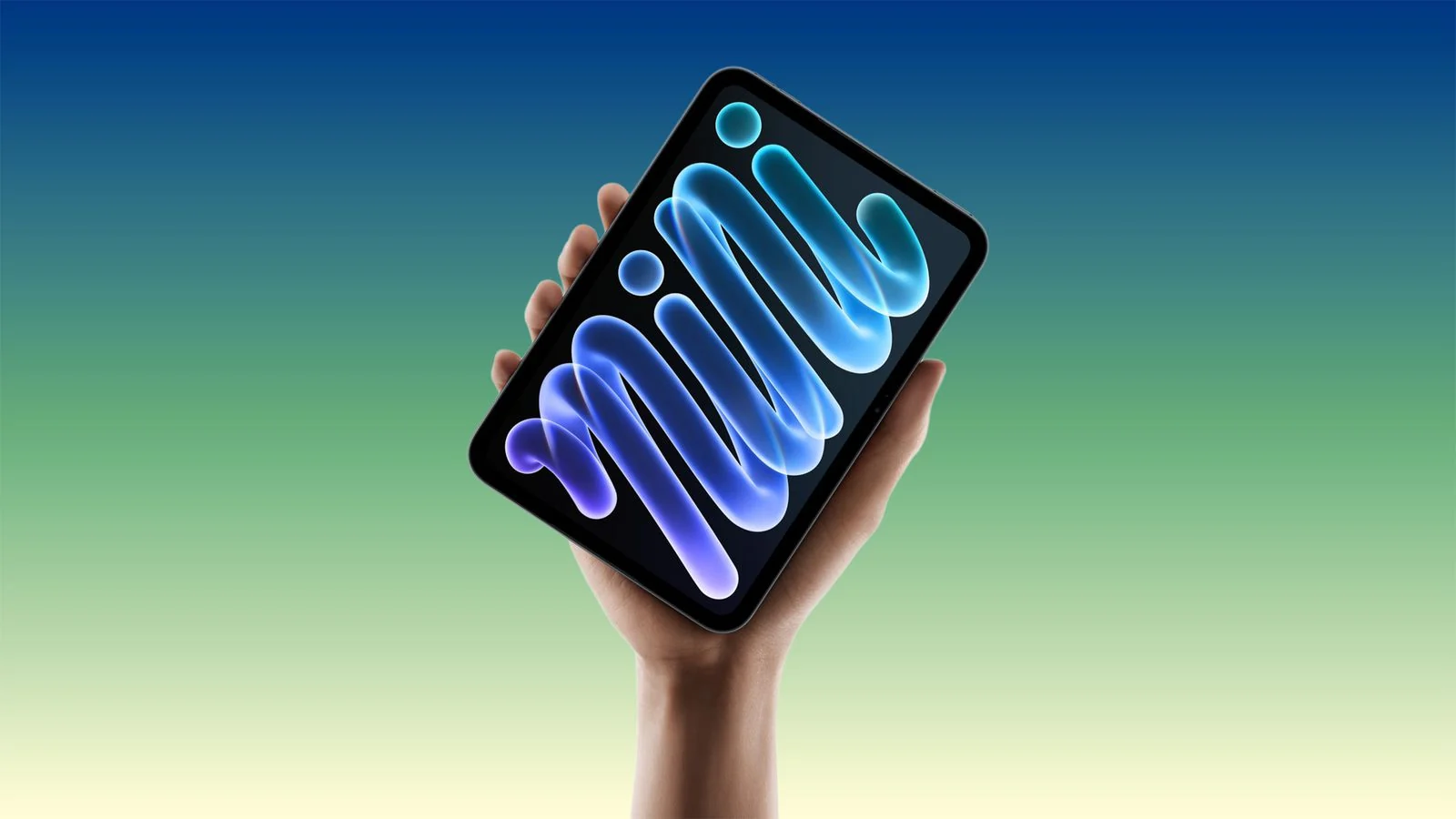
Why a lower capacity figure does not automatically mean lower claimed endurance
The A20 Pro inside the new tablet is the bridge between the lower mAh number and the unchanged Apple runtime claim. In battery comparisons, capacity in mAh measures charge stored, while energy in Wh measures total work potential, and endurance also depends on SoC efficiency, display power draw, wireless load, and background management. In this case, the A20 Pro is the official explanation for the gap: its efficiency improvement is presented as compensating for the reduction from about 5034mAh to 4900mAh.
| Metric | Eighth-generation iPad mini | Earlier iPad mini | Hardware interpretation |
|---|---|---|---|
| Rated capacity | 4900mAh | about 5034mAh | Smaller cell in the newer model according to the European Union energy label database. |
| Rated energy | 18.9Wh | Not stated in the cited comparison material | Wh is the better cross-device energy comparison unit when voltage differs. |
| Official endurance | Same level stated by Apple | Same level stated by Apple | Apple official data does not show a runtime downgrade for the two generations. |
| Key efficiency factor | A20 Pro | Previous generation hardware | The processor change is the disclosed reason the endurance figures remain aligned. |
One practical caution: the phrase “same endurance” should be read as Apple’s official claim, not as a lab result produced by MyTechDailyNews. The database filing is a regulatory information record, and its value for readers is that it makes the 4900mAh capacity visible alongside Apple’s unchanged runtime statement.
EU database details: cycle durability, charging, repairability, and drop resistance
Beyond capacity, the European Union database lists several metrics that are more useful for hardware buyers than a single headline number. Battery durability is recorded as retaining at least 80% capacity after 1000 full charge-discharge cycles. Under the European Union unified test standard, the device received a single-charge endurance score of 78 hours. Those two numbers give a clearer long-term picture: the 78-hour score is a standardized result, while the 80% after 1000 cycles is the durability target attached to the battery.
- Battery user replaceability: the EU filing states the battery is not supported for user self-replacement.
- Charging recommendation: Apple recommends a charger with at least 20W output.
- Energy grade: D energy-efficiency grade.
- Repairability grade: C repairability grade.
- Drop-resistance grade: D drop-resistance grade.
- Drop test result: after 57 drops, no functional failure was reported in the database record.
- Ingress protection: IP67 rating for dust and water resistance.
- Screen scratch reference: Mohs hardness level 4.
- Software support: at least five years of update support promised for the device.
Physical design, OLED, and the likely reason capacity changed
The new iPad mini also introduces an OLED display and carries the A20 Pro platform. The device is described as thinner and lighter than the previous iPad mini, and that physical change is an important context for the battery capacity shift. A slimmer chassis can constrain cell volume; when paired with a more efficient processor, the result can be a smaller 4900mAh battery that still supports the same official endurance claim as the older model.
For hardware enthusiasts, this is a typical tradeoff pattern: capacity moves down, efficiency moves up, and the user-facing runtime metric remains flat. For procurement users, the EU grades are the parts that may matter over a service cycle, especially the C repairability grade, the non-user-replaceable battery, and the at least 20W charger requirement.
Price, shipping, and purchase-decision checklist
Availability is already clear: the eighth-generation iPad mini is open for order, with a starting price of 699 US dollars, and shipping begins on November 6. Before deciding whether this model fits a budget, treat the spec sheet as a set of weighted indicators rather than a single score.
- If your main concern is raw cell capacity, note the move to 4900mAh from about 5034mAh.
- If your main concern is stated runtime, the Apple official endurance claim remains the same across the two generations.
- If your main concern is long-term durability, focus on the 1000-cycle and at least 80% figures.
- If your main concern is repair logistics, remember that the EU record says the battery is not user-replaceable and repairability is graded C.
- If you depend on fast enough charging, plan around a charger of at least 20W rather than relying on older low-power accessories.
Common misconceptions about the 4900mAh disclosure
The most common misreading is “the battery got smaller, so Apple must have lowered endurance.” The filing does not support that conclusion. Apple official data still presents the same runtime level, and A20 Pro efficiency is the disclosed compensating factor.
A second misreading is treating mAh as the only battery metric. The 18.9Wh figure, the 78-hour EU standardized score, and the 1000-cycle durability requirement each answer different questions. The 4900mAh number is useful, but it is not enough by itself to rank endurance across devices.
A third misreading is using “D” grades as a simple fail mark. In this record, D energy-efficiency grade and D drop-resistance grade coexist with a C repairability grade, IP67 protection, Mohs hardness level 4 screen reference, and a 57-drop no-functional-failure result. The grades are only meaningful when read together.
Who should care most about the European Union label data
This kind of disclosure matters most to readers who compare devices by verifiable metrics. Consumers tracking battery changes will want the 4900mAh versus about 5034mAh contrast. IT procurement teams will care about repairability, cycle endurance, and charger requirements. Hardware enthusiasts will care about the relationship between OLED, A20 Pro, and the thinner body.
The conclusion is that the European Union energy label database turned a missing launch detail into a concrete comparison point: iPad mini 8 has a smaller rated battery than the earlier iPad mini, yet the official endurance story remains unchanged because Apple is pairing the cell with A20 Pro efficiency. If that pairing holds in your use case, the value proposition is a lighter, thinner OLED tablet with 699 US dollar entry pricing and November 6 shipping, backed by at least five years of update support and the EU-recorded 78-hour standardized score.