
AGIBOT Genie G2 Max Compared: Is a Heavy-Payload Humanoid Robot Worth It?
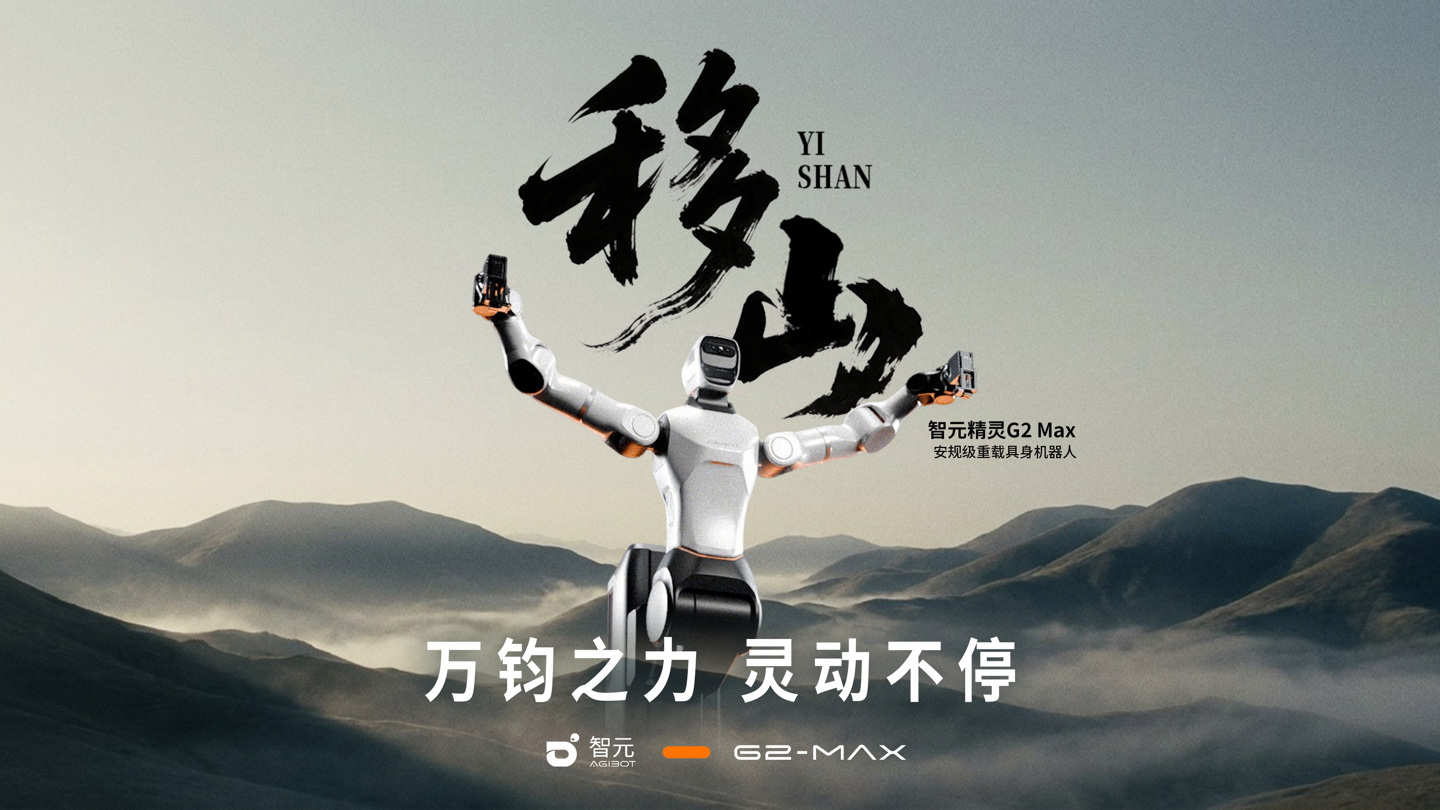
AGIBOT's Genie G2 Max is a safety-rated heavy-payload embodied robot for warehouse unstacking, palletizing, material transfer and line-side supply. The practical answer for general readers: it is most useful when a facility needs humanoid flexibility and 24-hour tote handling, but it should be judged against dedicated automation on layout fit, throughput, maintenance and return rather than headline strength alone.
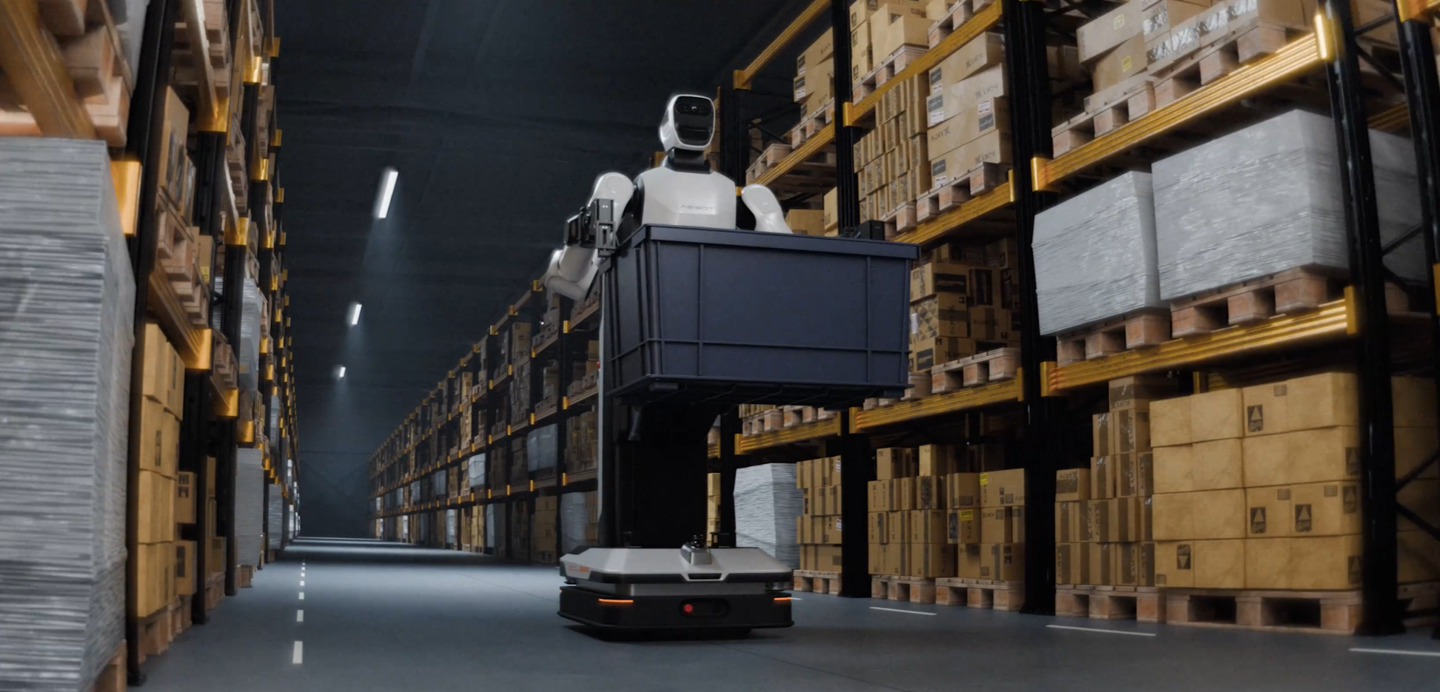
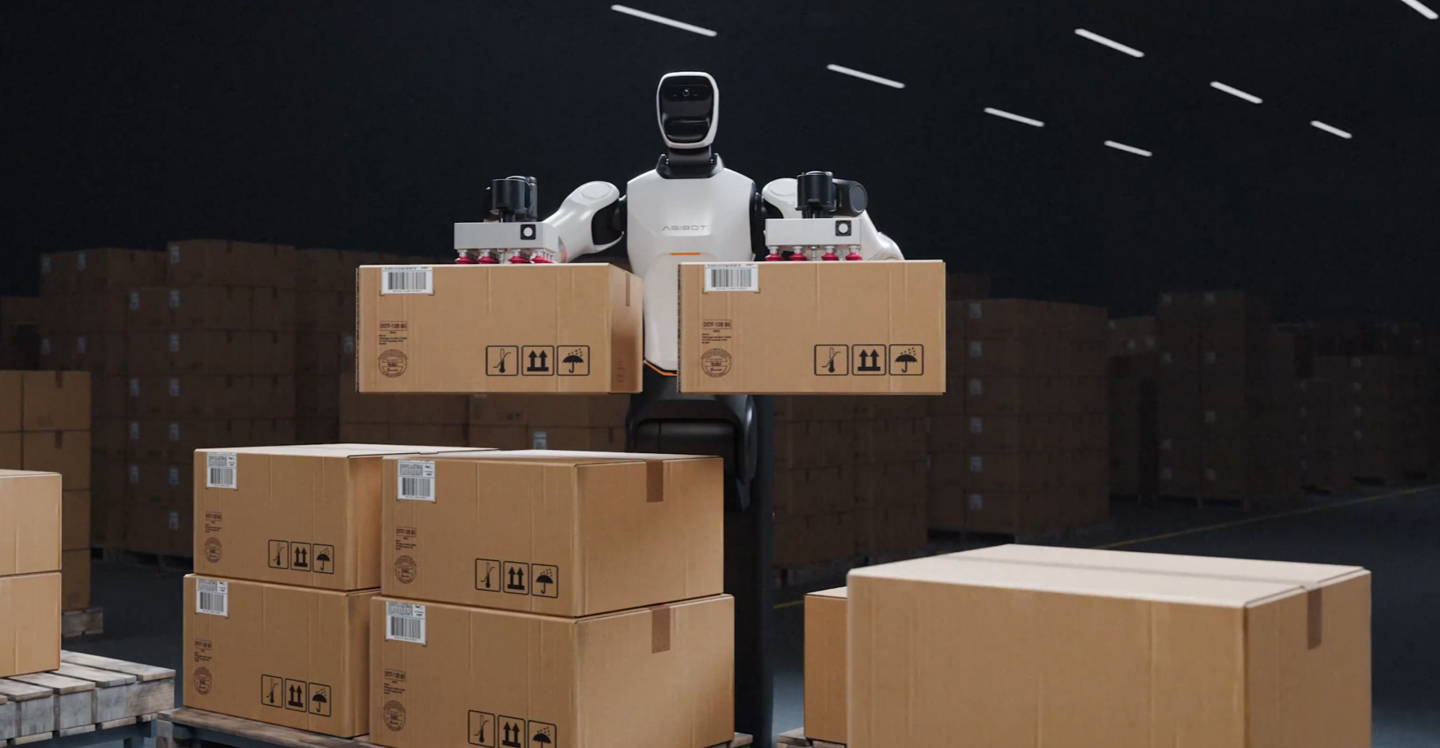
Today, October 26, IT Home reported that AGIBOT launched the Genie G2 Max for unstacking, palletizing, material transfer and production-line feeding. The robot has a single-arm payload of 20 kg, a dual-arm rated payload of 40 kg, a dual-arm peak payload of up to 50 kg, and arm repeatability accuracy of no more than plus or minus 0.5 mm. AGIBOT said it has entered multiple production lines, with an e-commerce warehouse success rate above 99%, capable of unstacking 80 boxes and palletizing 75 boxes every hour.
Why does this robot matter to ordinary tech readers?
In July 2026, at the 2026 World Artificial Intelligence Conference (WAIC), JD Logistics and AGIBOT jointly introduced the next-generation safety-rated heavy-payload embodied robot Genie G2 Max and announced its use at the JD Logistics Zhilang warehouse. That was described as the first time a humanoid robot had been deployed in a real warehouse production scenario. The October 26 release therefore looks less like a concept launch than a move to put a task-specific humanoid robot into ordinary logistics work.
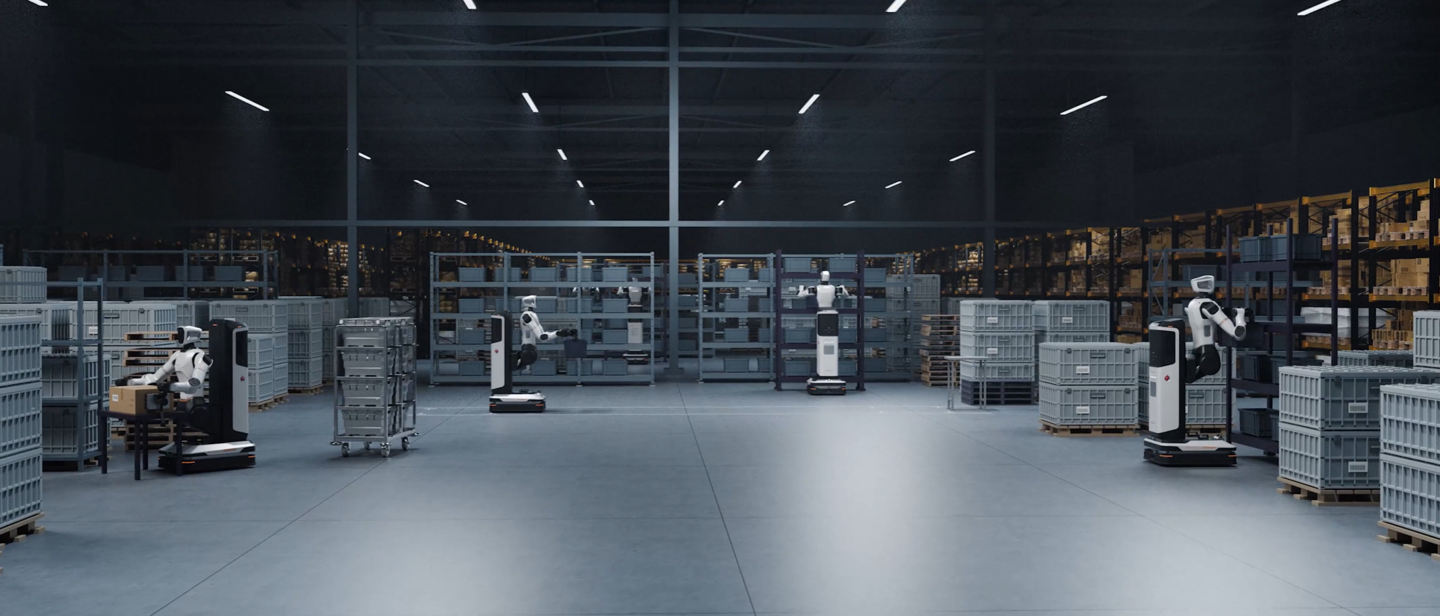
AGIBOT's WAIC 2026 release describes the G2 Max as the company's first heavy-payload, force-controlled embodied task robot, built for material handling and palletizing rather than for showy general-purpose movement. The important shift is that the machine is being presented as a piece of industrial workflow equipment: it should connect with storage racks, bins, transport lines and mobile robots already used in warehouses.
What is the actual job it is trying to replace?
Warehouses often split work into two layers: moving things quickly and doing things precisely. Traditional automated systems can be good at one layer but rigid at the other. A dedicated palletizer may handle heavy boxes in a fixed pattern, but it is expensive to reconfigure when product sizes, tote layouts or shift schedules change. A human worker can adapt, but night shifts, lifting injuries and inconsistent throughput remain operational problems.
Genie G2 Max sits in the middle. Its arms and actions are described as highly anthropomorphic, and it has heavy-duty force control. That means it can grab and move standard material boxes more flexibly, while also continuing to perform transfer and palletizing work for 24 hours without needing human rotation or night-watch staffing. For general readers, the practical benefit is fewer repetitive lifting tasks and fewer gaps in overnight handling.
How does Genie G2 Max compare with other automation options?
For most non-expert readers, the useful comparison is not whether a humanoid robot is futuristic, but whether it fits a flow already in operation. The table below summarizes a general editorial view of where this class of robot is most and least compelling.
| Automation option | Best fit | Why it works | Where it gets harder |
|---|---|---|---|
| Genie G2 Max | Warehouse unstacking, palletizing, tote transfer and line-side feeding | Human-shaped reach, force control, variable handling and 24-hour operation | Needs integration, safety review and stable bin sizes |
| Traditional palletizer | Large, repetitive stacking of uniform boxes | High consistency and predictable cycle time | Less flexible when the product mix changes |
| Fixed robotic arm | One or two repeatable workstations | Precision, mature programming and predictable tooling | May require many cells to cover a whole warehouse |
| Goods-to-person robot system | High-volume sorting of standardized totes | Proven throughput and less need for human movement | Still needs a structured storage and tote ecosystem |
Reported deployment coverage adds a practical detail: the G2 Max can connect with existing stereoscopic warehouse goods-to-person systems and collaborate with other robots to unload full boxes, recover empty bins and stack them for reuse, without requiring large layout changes. For facilities already built around goods-to-person operations, that integration point may matter more than raw peak load.
What should readers take from the load numbers?
- 20 kg single-arm payload matters for one-sided handling, such as moving a bin or supporting an action with a second arm nearby.
- 40 kg dual-arm rated payload suggests a working range for both arms together, which is closer to the number an operations team should use for planning.
- 50 kg peak payload is best treated as a short-duration capability, not a guaranteed steady shift workload.
- Repeatability accuracy of no more than plus or minus 0.5 mm helps precise placement, but it does not make every irregular, soft or unknown object easy to grasp.
A simple way to explain it: strength decides how much the robot can carry, while repeatability decides whether it can put that load in the same place every time. In industrial work, both need to be true at once, or the robot becomes a novelty rather than a dependable part of the line.
Which users should pay attention now?
- Warehouse teams handling large numbers of standard totes, especially inbound unstacking and reusable-box recovery.
- Manufacturing plants that need line-side feeding, material transfer and palletizing without rebuilding every storage area.
- Operations leaders who want to reduce night-shift lifting but still need human exception handling.
- Buyers evaluating whether a humanoid robot can cooperate with existing automated storage and mobile-robot systems.
Who should wait before replacing existing automation?
- Companies whose work is a single fixed pallet pattern at very high volume; dedicated palletizers may remain more efficient.
- Sites with highly irregular packaging, mixed materials or non-standard bins, where grasping success may be lower than reported averages.
- Facilities that cannot offer network access, safety clearances, maintenance response, or process documentation needed to integrate a new robot.
- Teams looking only for a marketing showpiece; the value appears when the robot is judged by throughput, uptime and labor-reduction tasks.
Common misconceptions
- A humanoid robot means it can do all human jobs. It still needs trained tasks, fixtures and process boundaries.
- A 50 kg peak payload means every box in the warehouse can be moved at that weight. It does not; rated and continuous conditions matter.
- A 99% success rate means the warehouse never needs people. It does not; exceptions, jams and quality checks remain.
- 24-hour operation means zero human work. It means the robot can continue through night shifts, but maintenance and supervision usually remain.
Action advice before deciding
- Map the exact task first: unstacking, palletizing, bin transfer or line-side feeding.
- Record the real tote and box weights, sizes and cycle time, then compare them with the 20 kg, 40 kg and 50 kg figures.
- Test compatibility with existing goods-to-person, storage racks and warehouse software before evaluating the robot alone.
- Ask for a pilot plan with measurable metrics: boxes per hour, success rate, jams, maintenance response and energy consumption.
- Review safety and maintenance workflows, because heavy-payload arms and force control need clear human-robot separation rules.
FAQ: what general readers ask
Is Genie G2 Max just a robot arm?
No. It is described as a humanoid embodied robot with anthropomorphic arms and force control, designed to cooperate with warehouse systems rather than work as a fixed machine on a single table.
What is the clearest proof that it is practical?
The most concrete indicators are the reported e-commerce warehouse figures: a success rate above 99%, with 80 boxes unstacked and 75 boxes palletized each hour, plus deployment on multiple production lines and at the JD Logistics Zhilang warehouse.
What does 24-hour operation change for a warehouse?
It can reduce night-shift staffing pressure and keep handling tasks running when human workers rotate out. The remaining question is how much human supervision, exception handling and maintenance still need to happen.
Should a normal warehouse buy it now?
Only if the workflow has enough standard totes and repeat tasks to justify pilot integration. If a business is mainly doing one fixed palletizing sequence, traditional automation may still be simpler.