
MyTechDailyNews General: Waymo and Toyota Move Robotaxi Production Onto the bZ4X Assembly Line
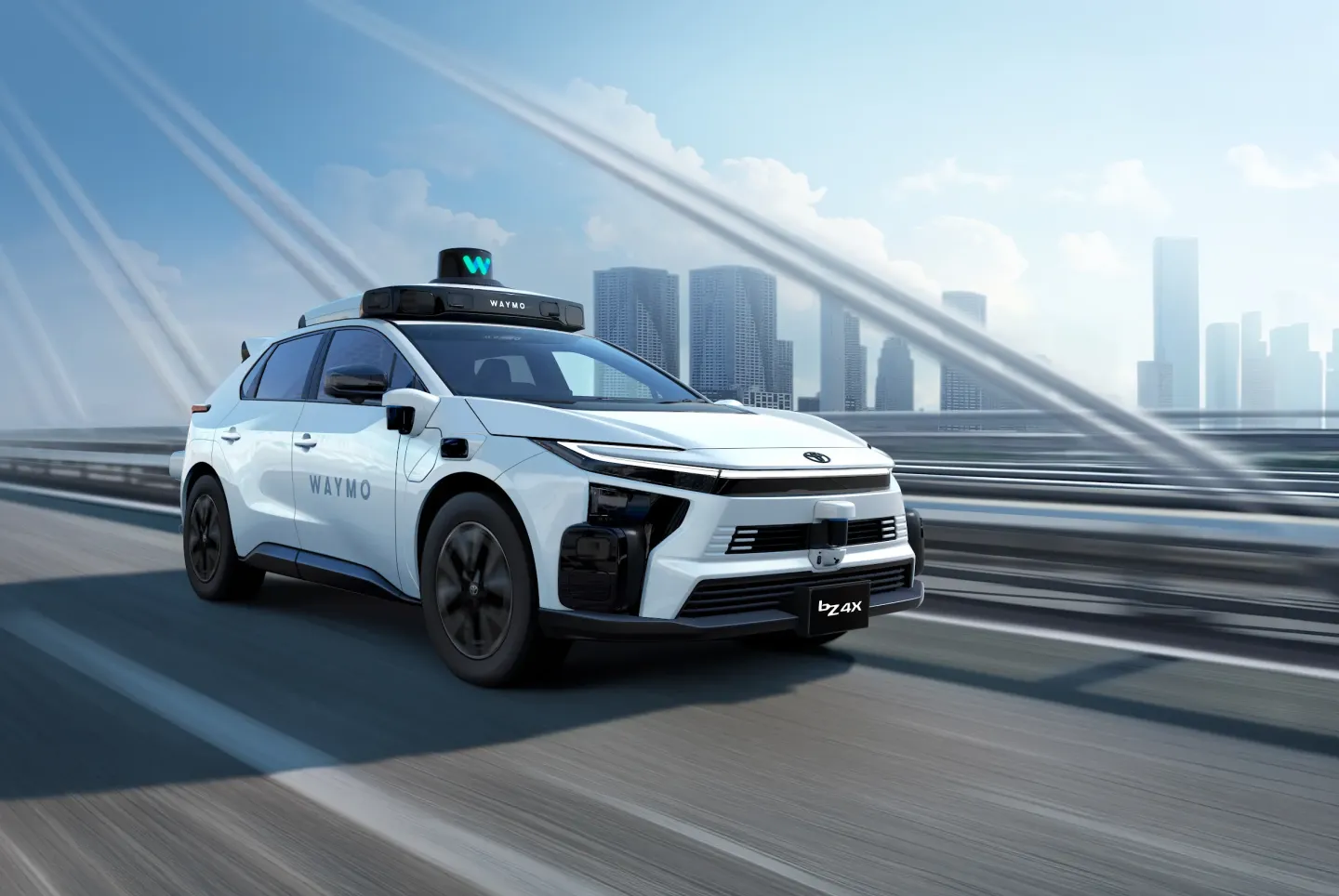
If you have ever wondered why self-driving taxis still often look like regular cars fitted with extra hardware, Waymo’s deepened collaboration with Toyota points to the next answer: build the robotaxi at the factory where the base vehicle is made. The plan uses the battery-electric SUV bZ4X as a purpose-built platform for a future autonomous taxi fleet, with testing set to start in Japan in 2027 before broader international ambitions.
Why factory-built robotaxis matter beyond the headline
Waymo, the self-driving company owned by Google parent Alphabet, and Toyota are moving beyond the earlier model of taking mass-produced cars and retrofitting them for autonomous ride services. Instead, the vehicle base and the self-driving installation are expected to live under the same manufacturing roof. Waymo has already used a Jaguar I-Pace in its fleet, and its partnership landscape now includes several automakers, so the Toyota bZ4X step is less about one new car and more about how robotaxis can be produced consistently.
The announced production location is the Takaoka plant in Toyota City, Aichi Prefecture, Japan. According to the plan, the bZ4X bodies are built there, and Waymo Driver hardware is also fitted at the same facility. In practical terms, that means the process from base vehicle construction to autonomous-system integration no longer requires a separate hand-off after the vehicle leaves the assembly line.
That distinction is easy to overlook, but it can shape the economics of an autonomous taxi business. Reducing or eliminating post-production teardown, rewiring, disassembly and reassembly may lower labor costs, transport costs and the complexity of later service work. If a fleet needs to expand quickly, a factory-ready production standard becomes an important part of scaling, not just a convenience feature.
What the ride itself may feel like
Because the bZ4X is being adapted for robotaxi use, the changes are not limited to sensors on the roof. The planned adjustments include wider rear-seat legroom, automatic doors, a power liftgate and ambient lighting. These are passenger-facing choices that can matter when there is no driver to open a door, point to a seat, or help with a suitcase.
For older riders, people with mobility difficulties and passengers carrying luggage, entering and exiting a vehicle without human assistance is a real design problem. A self-driving taxi has to solve more than safe driving: it has to make the entire trip simple, from reaching the vehicle to stowing bags and closing doors before departure.
The sensor side of the vehicle is expected to include the Waymo Driver system with cameras, lidar, radar and onboard computing hardware. However, Waymo has not said which generation of its autonomous hardware will be used on this Toyota-based robotaxi, nor has it shared the sensor count or a full technical parameter list.
Japan first, then the UK and other markets
The schedule puts small-scale testing and verification in Japan in 2027. That stage is about proving how the vehicle and software behave under local traffic rules, road signs and driving habits. It is not described as an immediate nationwide robotaxi service launch.
The United Kingdom, also referred to as the UK, is another market in the partnership’s expansion path. Japan and the UK share left-hand traffic and right-hand driving layouts, so some operating experience and technical knowledge may transfer between them. Still, UK deployment would require additional checks for local road conditions and regulatory requirements.
The collaboration is also open to future testing of Waymo technology in private passenger cars. That means the agreement may not remain limited to taxi fleets. Woven by Toyota, Toyota’s software and mobility subsidiary, is expected to take part in related work. Both companies want to use Waymo’s real-road operating data to study how vehicle safety and road infrastructure safety can be improved together.
How this connects to Waymo’s wider vehicle strategy
The renewed Toyota tie is built on an earlier preliminary cooperation announced in April 2025. At that time, the two companies said they would explore a jointly developed autonomous vehicle platform. After further discussion, the direction became clearer: Toyota is now positioned as one of the important vehicle suppliers for Waymo’s international expansion.
Waymo’s current vehicle mix already shows why multiple suppliers matter. Beyond the Jaguar I-Pace, it works with the Ojai, a small autonomous passenger vehicle developed with Zeekr, a brand under China’s Geely. The Ojai uses the SEA-M architecture and is designed around robotaxi needs. It has already begun providing rides to some users. Waymo also plans a model based on the Hyundai Motor Ioniq 5.
Across those different vehicles, Waymo wants a unified sixth-generation self-driving system. The wording sixth generation describes its attempt to standardize the autonomy stack so it is not dependent on a single automaker. In plain terms, the goal is to keep the software, sensor set and vehicle integration approach consistent even when the car underneath changes.
This also reflects a broader change: Waymo is moving from technology validation toward scaled commercial operations. The difficult questions are no longer only whether the car can drive itself. They are whether vehicles can be bought and fitted out affordably, whether enough cars can remain in service, and whether manufacturing and maintenance can support tens of thousands of vehicles.
Toyota brings mature vehicle manufacturing, a global supply chain and long-standing experience with vehicle reliability. Waymo brings L4-level autonomous driving technology that has already been used in commercial services. The heart of the cooperation is combining mass car production with a deployable self-driving system.
What has not been decided or disclosed
Important gaps remain. Neither company has announced the exact number of the first bZ4X-based robotaxis. The precise start date for commercial operation in Japan has also not been disclosed. For 2027, the stated focus is testing and verification, not immediate nationwide driverless taxi service.
Over a longer horizon, the project could become a foundation for Waymo’s entry into Japan and the UK. For Toyota, it offers a route to real operational data that may later inform applications in private passenger cars and public mobility services. The bZ4X program is therefore best read as a factory-and-market readiness experiment, not a finished product announcement.
Key takeaways at a glance
- Waymo and Toyota are developing a robotaxi version of the bZ4X, with testing planned in Japan in 2027.
- Production is designed to happen in one place: the Takaoka plant in Toyota City, Aichi Prefecture.
- Waymo Driver hardware is expected to be integrated during the manufacturing process rather than only as a later retrofit.
- Passenger upgrades may include automatic doors, a power liftgate, ambient lighting and more rear legroom.
- The UK is part of later expansion thinking because it shares left-hand traffic and right-hand driving features with Japan.
- Waymo wants a unified sixth-generation system across vehicles such as Jaguar I-Pace, Ojai and a planned Hyundai Motor Ioniq 5 model.
- Commercial scale depends on manufacturing, maintenance and fleet utilization, including tens of thousands of vehicles.
Common misconceptions about the announcement
- It is not a confirmation that robotaxi service will already be nationwide in Japan in 2027. The stated plan is small-scale testing and verification.
- It does not mean every Toyota bZ4X will become self-driving. This is a version developed for Waymo Driver integration and fleet use.
- It does not replace Waymo’s other vehicle partnerships. The Jaguar I-Pace, the Ojai developed with Zeekr under Geely, and the planned Hyundai Motor Ioniq 5 vehicle all point to a multi-supplier approach.
- It is not only a passenger convenience story. Automatic doors and a power liftgate help accessibility and luggage handling, but the bigger change is production-line integration.
- It is not a fully disclosed technical launch. Waymo has not published the exact hardware generation, sensor count or full parameters for this bZ4X robotaxi.
Frequently asked questions
What is Waymo changing with Toyota?
Waymo is working with Toyota to build a next-generation autonomous taxi on the bZ4X platform. The central change is that the car is not only modified after production; it is intended to be produced with Waymo Driver integration in the same factory process.
Where will the bZ4X robotaxis be made?
The announced production site is the Takaoka plant in Toyota City, Aichi Prefecture, Japan. Vehicle manufacturing and installation of the autonomous hardware are planned to happen at that facility.
When could testing begin?
Testing and verification are planned to start in Japan in 2027. Later expansion is discussed for the United Kingdom and other international markets.
Why do the UK and Japan matter together?
Both markets use left-hand traffic and right-hand driving layouts. That gives some operational and technical similarities. Still, UK entry would require separate validation for local roads and regulations.
What passengers may see
The planned changes include wider rear-seat legroom, automatic doors, a power liftgate and ambient lighting. These features are meant to make boarding, riding and alighting easier when there is no driver to assist.
Which other vehicles are involved in Waymo’s fleet strategy?
Waymo has used the Jaguar I-Pace, has an Ojai vehicle developed with Zeekr, a brand under China’s Geely and built on the SEA-M architecture, and plans a model using the Hyundai Motor Ioniq 5. It also wants a unified sixth-generation system across its vehicles.
What is still unknown?
The exact number of first bZ4X robotaxis, the specific hardware generation, the complete sensor list and a precise Japanese commercial launch date have not been disclosed.
What readers and industry watchers can do next
- Track 2027 test results in Japan before treating the bZ4X robotaxi plan as a commercial rollout.
- Watch for regulatory validation steps in the UK, because shared left-hand traffic does not remove local road and regulatory checks.
- Compare future bZ4X fleet details with existing Waymo vehicles, including Jaguar I-Pace, Ojai and the planned Hyundai Motor Ioniq 5 model.
- If you are evaluating robotaxi adoption for everyday travel, pay attention to door access, luggage space and boarding ease, not just driving capability.
- For manufacturing or fleet managers, follow how factory-integrated autonomy changes cost, maintenance and scaling for tens of thousands of vehicles.
For a general technology audience, the story is less about one SUV getting new sensors and more about whether self-driving services can move from careful retrofitting into repeatable factory production. Waymo’s renewed cooperation with Toyota, the April 2025 foundation behind it, and the planned 2027 testing path in Japan all point to the same question: can autonomous ride services scale without losing safety, reliability and practicality?