
TSMC Executive Looks Back on the Failed "Night Hawk" Shift Push: Chip Research Runs on Brainpower, Not Longer Hours
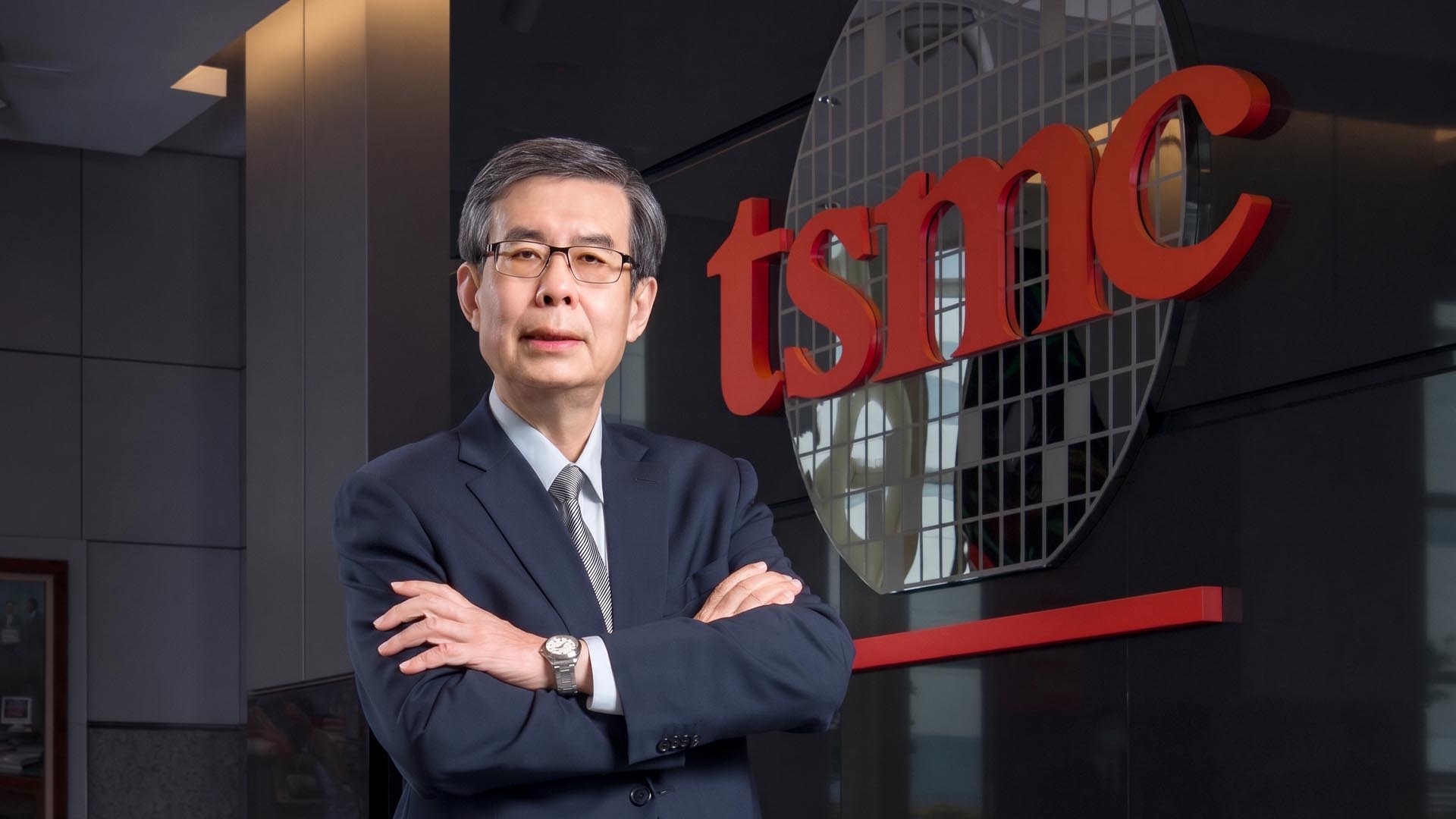
Imagine a laboratory that never goes dark: the day crew clocks out, the night crew clocks in, and the calendar hours spent inventing simply double. On paper, a company trying to catch the world's most advanced chip processes could almost buy that lead. TSMC once ran that idea as a program. Speaking to students at National Cheng Kung University on October 29, executive vice president and co-chief operating officer Qin Yongpei recalled the "Night Hawk" plan, under which research engineers were rotated through day-and-night relay shifts to lengthen the operating time of development work. It ran for about six months, and it was declared a failure.
The story matters beyond the semiconductor beat. It is a clean example of a reflex that spreads through the tech industry whenever a competitive gap feels too wide: treat time as the scarce ingredient, and try to purchase more of it.
The Logic That Started It: 24 Hours Against 8
Qin described the reasoning that circulated inside the company at the time. If the TSMC research team could keep running 24 hours a day while its American competitors worked 8 hours, that arithmetic alone might be enough to close the distance on leading-edge processes, or even overtake them. Nothing exotic was involved. It was the same calculation behind every "crunch" schedule in the industry: add hours, expect output.
Where the Arithmetic Broke Down
The expected results never arrived. Qin's summary is blunt: thinking, judgment and innovation are what research and development actually runs on, so piling on working hours cannot guarantee output. His phrasing, repeated by the company's own leadership, is that R&D depends on brainpower, not labor. A relay of shifts can keep questions on the table overnight, but it cannot schedule the insight that decides whether a process step finally works. After roughly six months, the experiment was abandoned.
The 40nm Years: The Change That Did Stick
In Qin's telling, the more instructive turning point sat at the 40-nanometer node. The house routine at the time was a relay race: the research organization finished a process, then handed it to the wafer fab. Around 40nm that handoff model ran into setbacks, and those setbacks forced a second look at how development and manufacturing should cooperate. What came out of the rethink was a culture TSMC calls One Team.
Qin stressed what One Team is not: a nicer word for asking colleagues to lend a hand when they are asked. It means different departments working toward a common objective and jointly carrying responsibility for the final result.
Old Handoff Model vs. One Team Model
| Dimension | Traditional handoff model | One Team model |
|---|---|---|
| Sequence | Research completes the process, then passes it to the fab | The fab joins development earlier, so the two phases overlap |
| Handoff period | Short, a single transfer point | Extended overlap between research and manufacturing |
| Problem solving | One department owns the issue and investigates alone | Several teams assemble to analyze the root cause together |
| Responsibility | Each function answers for its own stage | Departments are jointly accountable for the final outcome |
| Effect on volume production | Setbacks appeared at the transfer to the fab | Smoother ramp, better process development and production efficiency |
Qin offered two concrete illustrations. When a new process moves from research toward volume production, involving the wafer plant earlier and lengthening the overlap of the research-to-manufacturing handoff helps the later ramp go more smoothly. And when a process issue appears, pulling multiple teams into a single root-cause discussion has proven more efficient than routing the problem to one department alone.
The Same Idea Applied Abroad
According to Qin, One Team has been extended to overseas expansion. Taiwan-based teams need to collaborate closely with their overseas counterparts, and they take on part of the responsibility for whether an overseas fab succeeds. Cross-department cooperation, he argued, improved process development and production efficiency and became an important foundation of the company's technological competitiveness. His caveat was equally plain: making every function genuinely embrace and practice such a culture requires time and effort, and slogans alone will not deliver it.
Four Misconceptions This Story Invites
- "More hours must mean more breakthroughs." The Night Hawk experience is the company's own counterexample: hours were added, output did not follow, because judgment and innovation do not scale linearly with the clock.
- "One Team just means helping each other." Qin drew a line between mutual assistance and shared goals with shared accountability for the end result.
- "The problem at 40nm was a technology failure." The setback he described was about how research and manufacturing were organized and handed off, not about the node label itself.
- "Culture changes once leadership announces it." His own account stresses that real adoption takes time and effort; declaring a value is not the same as living it.
Quick Checklist: What to Read Out of This
- Note the timeline: a high-profile internal program was tried for about six months and then stopped — short enough that the lesson was captured while the reasoning was still fresh.
- Separate the two kinds of effort involved: hours spent versus decisions made. Only the second one compounds.
- Watch for the handoff. In the account Qin gave, the improvement arrived when stages began to overlap, not when people worked longer.
- Ask who owns the outcome. Joint responsibility for the final result is the defining feature he attached to One Team.
- Look for the transfer of the idea: from process development to volume production, and from Taiwan teams to overseas fabs.
Action Advice for Readers
- If you manage a team: before adding hours, ask which decision is blocked and who is missing from the room. Extending overlap between design and delivery usually buys more than extending shifts.
- If you are a professional: track the quality of your thinking windows. Brainpower-heavy work tends to reward protected time, not total time.
- If you follow tech news: treat insider retrospectives like this one as evidence about organizational design, not as a scoreboard of national rivalry.
- If you are studying or teaching: the passage from a finished development stage to live production is where many projects stall; the handoff deserves as much attention as the invention.
FAQ
What was the "Night Hawk" plan?
An internal initiative at TSMC that put research engineers into day-and-night relay shifts, aiming to lengthen the operating time of its development effort and close the gap on leading-edge processes.
Who talked about it, and when?
Executive vice president and co-chief operating officer Qin Yongpei, during an exchange with students at National Cheng Kung University on October 29.
How long did the plan last?
About six months. It was then declared a failure.
Why did it fail, in the company's own explanation?
Because research work depends on thinking, judgment and innovation. Extending hours — the idea that a 24-hour operation could outrun American competitors working 8 hours — did not produce the expected results. As Qin put it, R&D runs on brainpower, not labor.
What replaced that approach?
A shift in organization that took shape around the 40-nanometer node, when the traditional model of finishing research and then handing it to the fab ran into setbacks. TSMC developed its One Team culture: earlier fab involvement, a longer research-to-manufacturing overlap, and multi-team root-cause analysis.
Does One Team apply outside the island operations?
Yes. Qin said the same thinking extends to overseas expansion, where Taiwan teams work closely with overseas teams and share responsibility for the success of overseas fabs.
Is it easy to install such a culture?
Not according to Qin. He said getting departments to truly accept and practice it takes time and effort, and cannot be done with slogans.
Read as a news item, the account is a rare case of a major technology company publishing its own verdict on a management fad — and closing the book on it after about six months. Read as a lesson, it lands somewhere gentler: the organizations that gain ground are usually the ones that rearrange who talks to whom, and when, rather than the ones that simply turn on more lights at night.