
MyTechDailyNews General: What an Nvidia GeForce RTX 5090 Airport Theft Case Says About Buyer Risk in Brazil
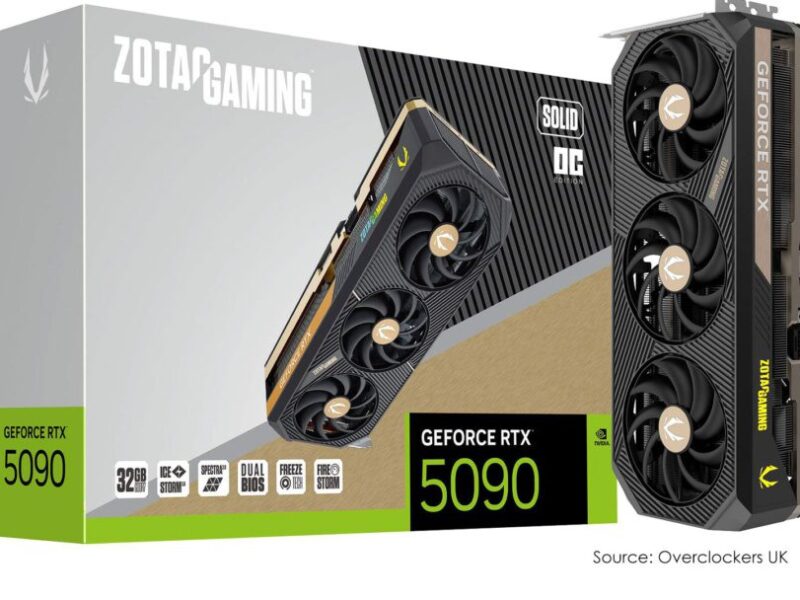
For MyTechDailyNews General readers, a Brazil-based Nvidia GeForce RTX 5090 case offers a compact lesson in how one product identifier can connect a missing R$2.5 million consignment, described in the case as approximately US$470,000, to an online advertisement. The shipment is tied to São Paulo/Guarulhos International Airport, while the later marketplace trail shows that serial numbers can matter more than a seller’s profile. The reporting uses the GeForce RTX 5090 and RTX 5090 labels for the same product family.
A distributor shipment and an airport gap
The consignment belonged to Oderço, a technology distributor in Maringá, Paraná. The company said the missing items were two pallets of Zotac graphics cards imported from the United States. The goods arrived on 20 September 2026, and the report says they were apparently taken from storage the following day, before customs clearance was completed.
The case also shows how one 2026 shipment can acquire several product labels in public records. A later account of police records identifies Zotac RTX 5070 and RTX 5080 models alongside RTX 5090 cards, while the precise number of missing graphics cards has not been confirmed publicly.
For general readers, the practical point is that the missing consignment is not a single tidy line item in public records. The product labels, customs timing, and warehouse location each affect how the story can be followed later.
How an online listing became evidence
According to Jornal da Band, the investigation focused on a Zotac GeForce RTX 5090 listing priced at R$32,000 on OLX. The advertisement photographs included a serial number, and that identifier matched one of the missing cards.
That trail led police to Santa Bárbara d’Oeste, São Paulo, where the seller was arrested on 21 October on suspicion of receiving stolen goods. As Diário de Justiça described, the arrest was overturned because the man submitted purchase evidence tied to Mercado Livre, approximately R$26,450, and showed he had requested an invoice. At that stage, the court concluded the grounds were insufficient to say he knew the card was stolen. The physical graphics card was taken into police custody.
The listing episode is useful because it moves the story from bulk logistics to a visible product photograph. For everyday buyers, that is where traceability becomes practical: a single serial number can link a marketplace item to a shipment record.
What the airport handling details show
Security footage, as reported, captures two subcontracted forklift operators moving the shipment out of the warehouse on 21 September. A third worker whose task included checking consignments approved the movement through the terminal’s electronic controls. After that approval, a truck departed the airport with the goods.
Other reporting says labels were swapped so the cargo would look like lower-value merchandise. Investigators still have not concluded whether all three workers knowingly participated in the theft.
For MyTechDailyNews General readers, this sequence matters because it shifts attention from a product brand to an operational process. A cargo terminal is not just a holding space; it is a chain of movements, approvals, and records that can be reconstructed after an incident.
Warranty consequences for buyers
The public warranty update came on 22 October from Oderço Matos, who leads Oderço: the serial numbers of the missing cards had been cancelled for warranty purposes. The products would therefore no longer qualify for warranty support in Brazil or internationally. This does not mean the graphics cards have been electronically disabled.
The distinction is practical: warranty loss and hardware shutdown are separate outcomes. A buyer may see the card continue to function while its service path becomes unavailable.
Why the card matters beyond gaming
The card uses Blackwell architecture from Nvidia. The GeForce RTX 5090 is described with 21,760 CUDA cores and 32 GB of GDDR7 memory. Its role can extend beyond gaming into rendering, content production and local AI processing. Earlier reporting by eeNews Europe around CES 2026 addressed Nvidia’s broader RTX progress.
This background helps explain why the product was traceable in a marketplace context. It is identified by a model name and public specifications, which makes marketplace tracking easier in a case like this.
FAQ for everyday technology readers
Who owned the missing shipment?
Oderço, a technology distributor located in Maringá, Paraná, owned the consignment.
Which listing made the product traceable?
The relevant item was a Zotac GeForce RTX 5090 offered at R$32,000 on OLX, with a serial number matching one of the missing cards.
Does a cancelled serial number make the card unusable?
No. The distributor said warranty support would no longer apply, but this does not mean the graphics cards have been electronically disabled.
What has GRU Airport said?
GRU Airport confirmed that the disappearance was reported to the authorities and that the investigation remains under their responsibility. The distributor has also been provided with information about the procedure for seeking compensation.
What remains unclear?
The precise number of missing graphics cards has not been confirmed publicly, and investigators still have not concluded whether all three workers knowingly participated in the theft.
Buyer checklist
For readers following hardware listings, the case suggests a few simple checks.
- Look for a visible serial number in marketplace photographs.
- Compare the listed product with the shipment record: RTX 5090, Zotac RTX 5070, and RTX 5080 labels appear in the case materials.
- Ask for proof of purchase, including the marketplace where the item was acquired.
- Request an invoice when available.
- Be cautious when a listing connects to São Paulo/Guarulhos International Airport, OLX, Mercado Livre, or Brazil resale channels.
Common misconceptions
| Common misconception | What the case record supports |
|---|---|
| Only resale platforms create traceable risk. | The case includes airport handling, marketplace listing, serial numbers, and court decisions. |
| Cancelling serial numbers electronically disables each card. | The warranty cancellation means the products no longer qualify for warranty support, but it does not mean the graphics cards have been electronically disabled. |
| A single price point proves a buyer knew goods were stolen. | Diário de Justiça reported that an arrest was overturned after purchase evidence was presented, with insufficient grounds to conclude knowledge of theft. |
Action advice
- If buying a graphics card linked to a missing shipment, preserve the listing, price, seller location, and serial number image.
- Check whether the serial number is still valid for warranty support before completing payment.
- Keep records from OLX or Mercado Livre if the item passed through those channels.
- Ask the seller to clarify the shipment origin, including the United States import path and customs status.
- Report concerns to the relevant authority in Brazil rather than relying on the marketplace listing alone.
The case is readable as a warning: a stolen Nvidia GeForce RTX 5090 can move from a logistics gap at São Paulo/Guarulhos International Airport to a marketplace listing, a court record, and a warranty decision. For readers following technology news, the useful takeaway is that product identifiers, shipping context, and purchase evidence can matter as much as the GPU model itself.