
MyTechDailyNews General Guide: Starship S42's First-Ever Tower Catch on Flight 15 — and How to Watch the Next Starbase Landing Live
I rewound the landing feed four times before my brain accepted it: a spaceship standing upright between a pair of mechanical arms, engines off, tower untouched. On Flight 15, SpaceX's Starship S42 became the first orbital-class spacecraft ever caught by a launch tower, after roughly 22 hours and 32 minutes in space and about 14 orbits of Earth. Elon Musk and his team climbed the tower to celebrate that afternoon. Below: what actually happened, the photos worth your scroll, and a practical playbook for seeing the next catch in person.
What actually happened on Flight 15?
Short version: one big loss, one bigger win. The flight lifted off from Starbase, Texas on November 13, 2026 (22:47 UTC), with 33 Raptor engines pushing the stack off Pad 2 and hot-staging about two and a half minutes in. The Super Heavy booster, B22, flew back toward the coast as planned — but its onboard guidance called off the tower catch, and the booster switched to its backup: a controlled splashdown in the Gulf of Mexico, where it was lost. That was the first tower-catch attempt for a Block 3 booster, and it did not stick.
S42 carried the mission the rest of the way. It completed its orbital insertion burn into a near-275-kilometer low Earth orbit — only the second Starship to reach orbit — then released 26 Starlink V3 satellites, three of which carried cameras used to photograph the ship's heat shield. After about 14 orbits, S42 performed a roughly 10-second deorbit burn, crossed the reentry corridor over the Gulf toward Texas, flipped upright in front of the tower, and let the chopsticks take the load. Total mission time: about 22 hours 32 minutes, the longest Starship flight to date, and the first tower catch of a ship returning from orbit. Booster catches, by contrast, have been happening since Flight 5 back in 2024.
Why the ship catch is the harder half of reuse
The booster and the ship face completely different homecomings, which is why the headline belongs to S42. B22 was scheduled to return about six and a half minutes after liftoff — it never left the atmosphere. S42 had to survive orbital-velocity reentry, a plasma-heated descent along the Texas coast, then flip from belly-forward to vertical, throttle three sea-level Raptors down to two and then one, and hover while the arms closed on two catch points below its forward flaps. SpaceX's flight logic only shuts down the last engine after contact is confirmed. The whole final sequence, from landing burn to arms contact, is scheduled to take about 18 seconds.
Inside the Starbase celebration: Musk on the tower, phone in hand
The celebration imagery surfaced fast, and it tells you how much this one meant internally.
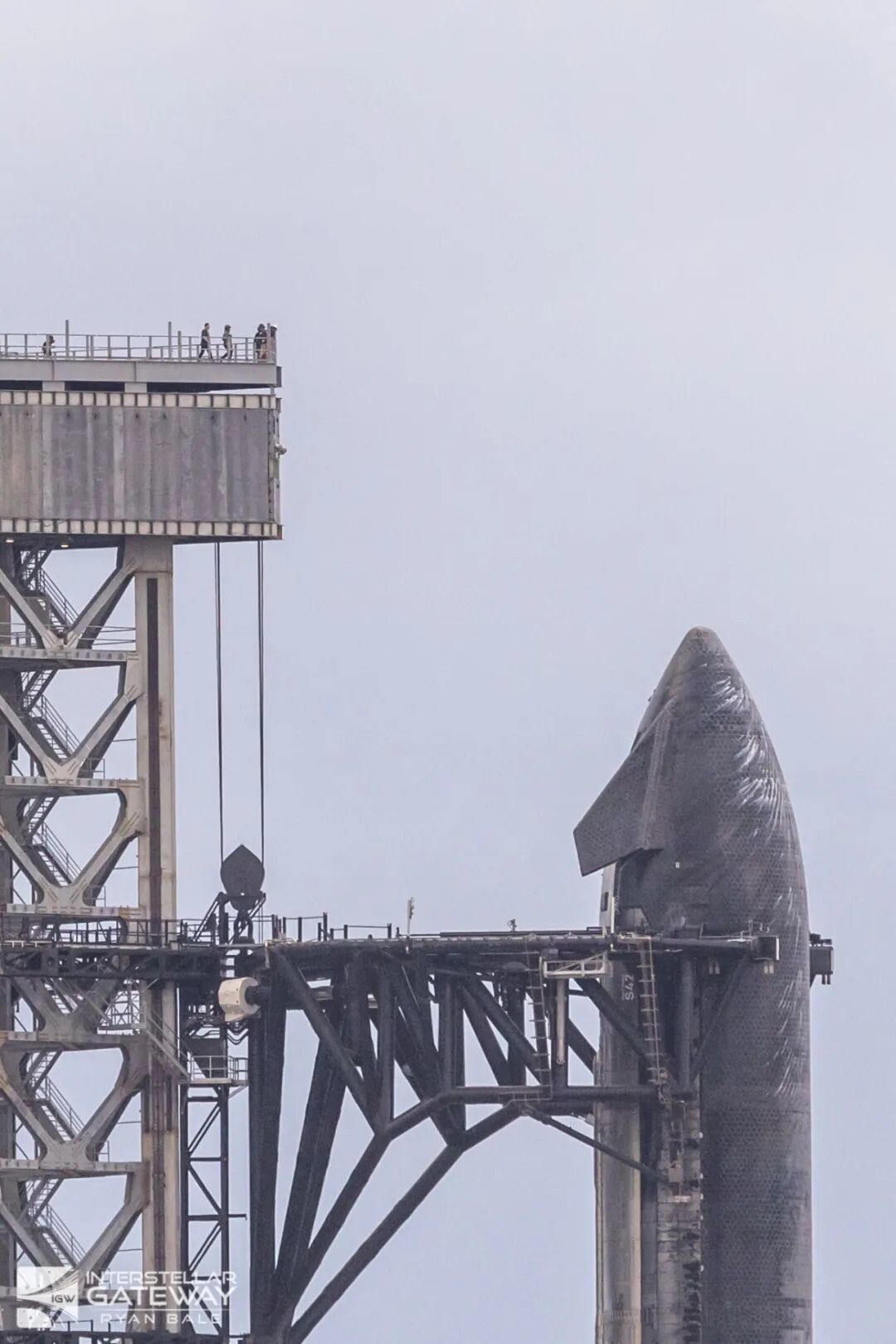
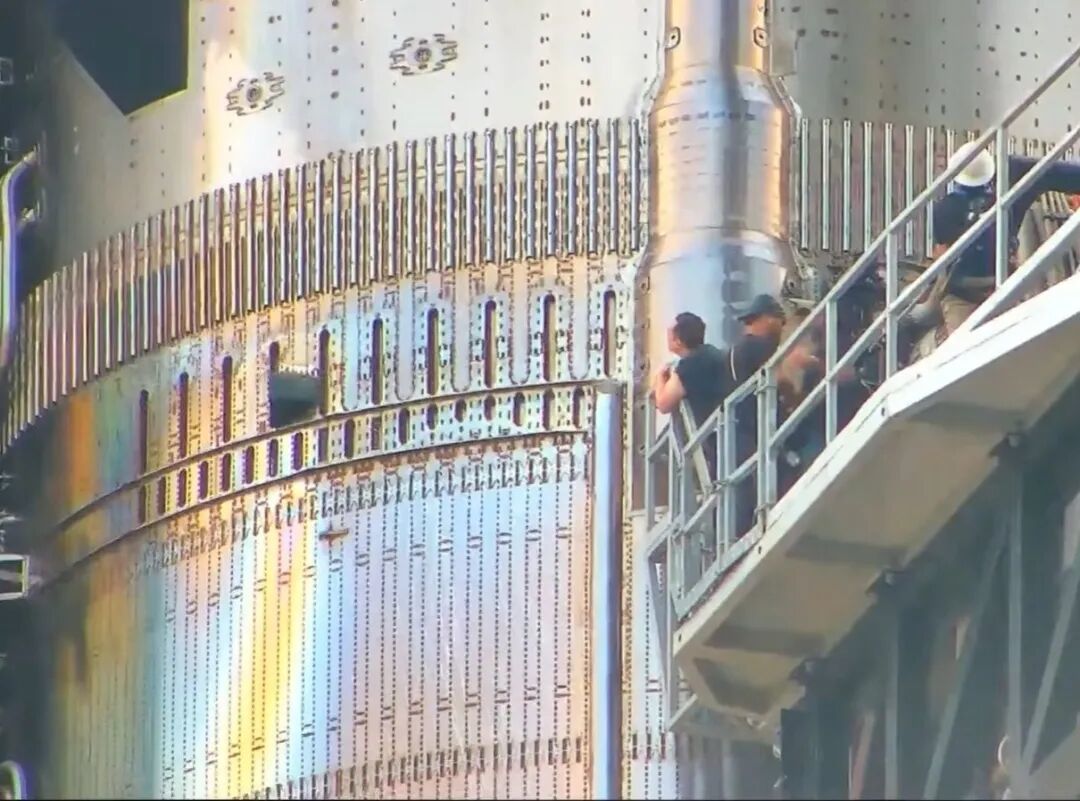
Avid Space snapped Musk standing beneath the catch arms, looking up at S42 (leftmost in frame).
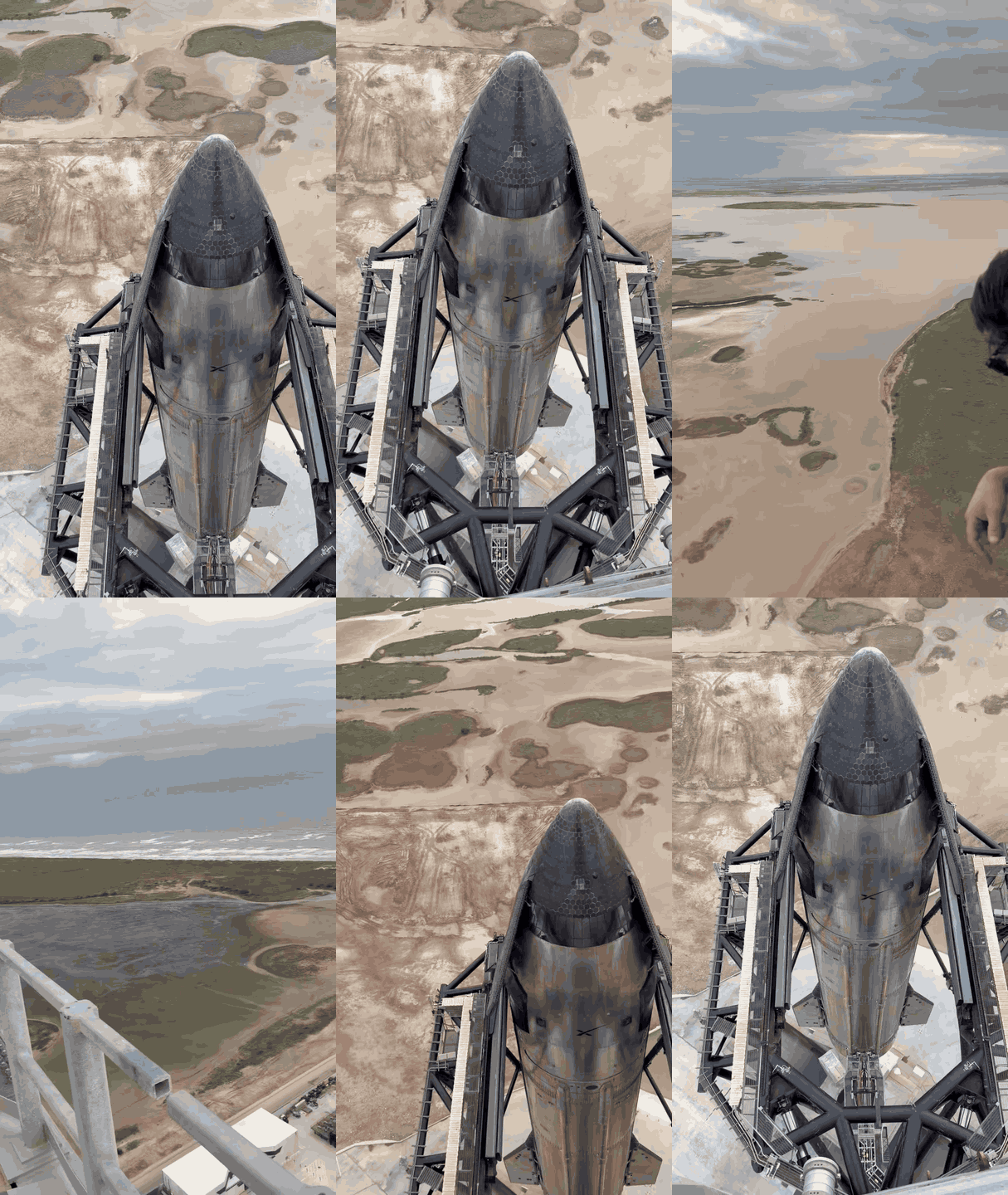
Elon Musk did not exactly play it cool either: he filmed S42 from several angles on his phone and posted the clips himself.
He was not alone up there — a dozen or so people joined him at the top of the tower:
The gallery: Flight 15 frames worth your scroll
Beyond the tower selfies, the specialist launch photographers delivered. Here is my selection, in the order they hit my feed.
"Shoot for the stars" — the Starbase SpaceX team celebrating Flight 15's success.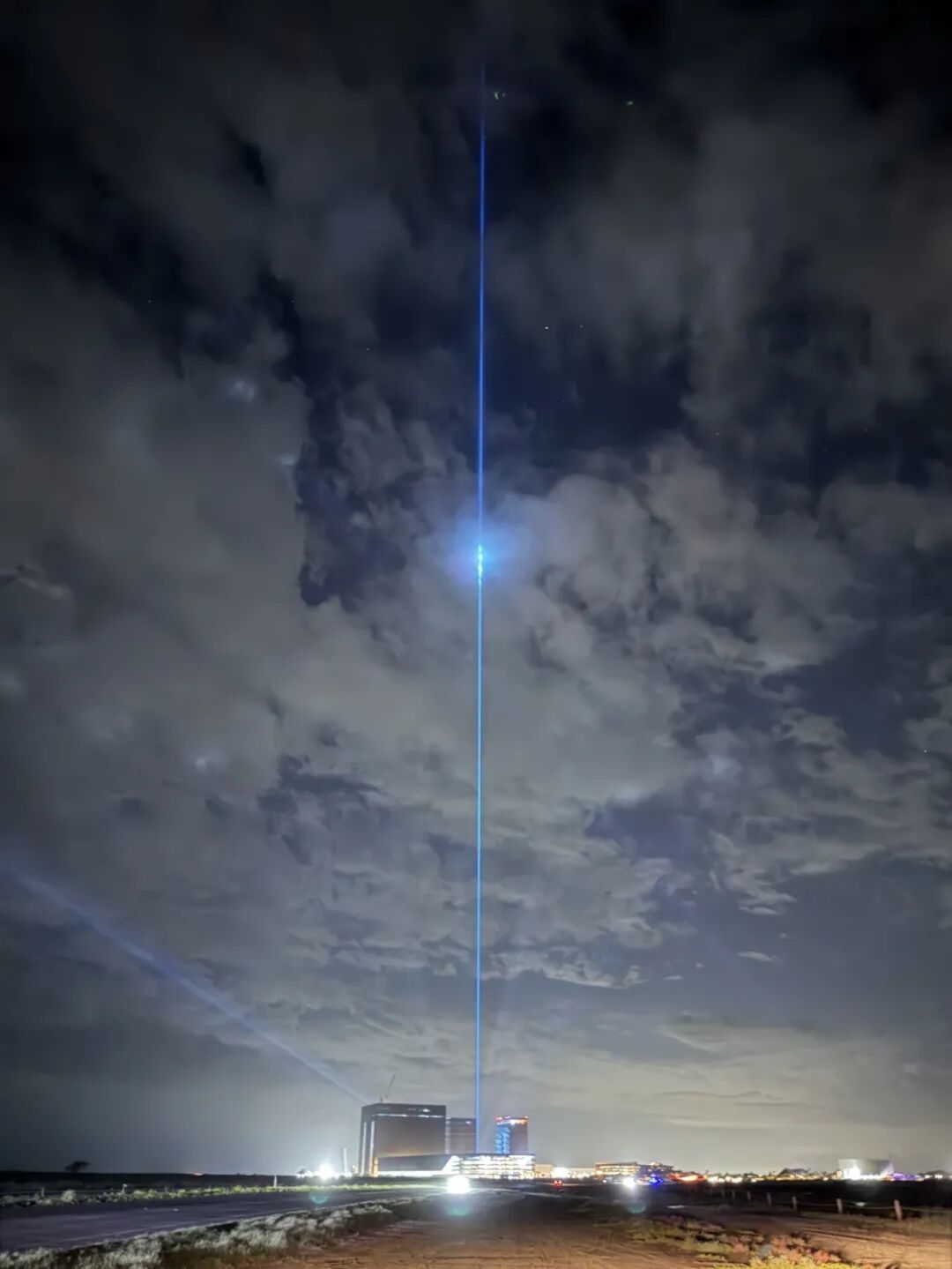
"S42 comes home" — a multi-frame composite by John Kraus.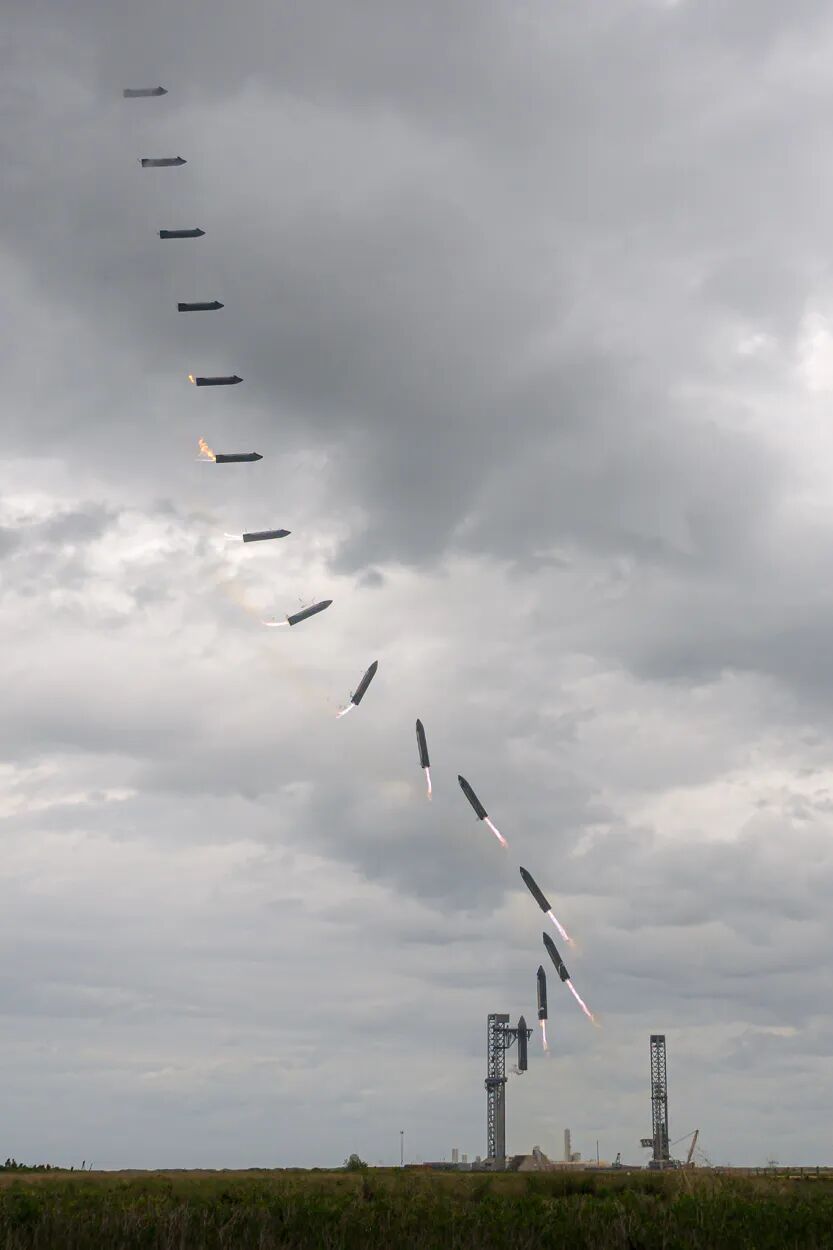
"Next stop: the Moon" — photo: NSF.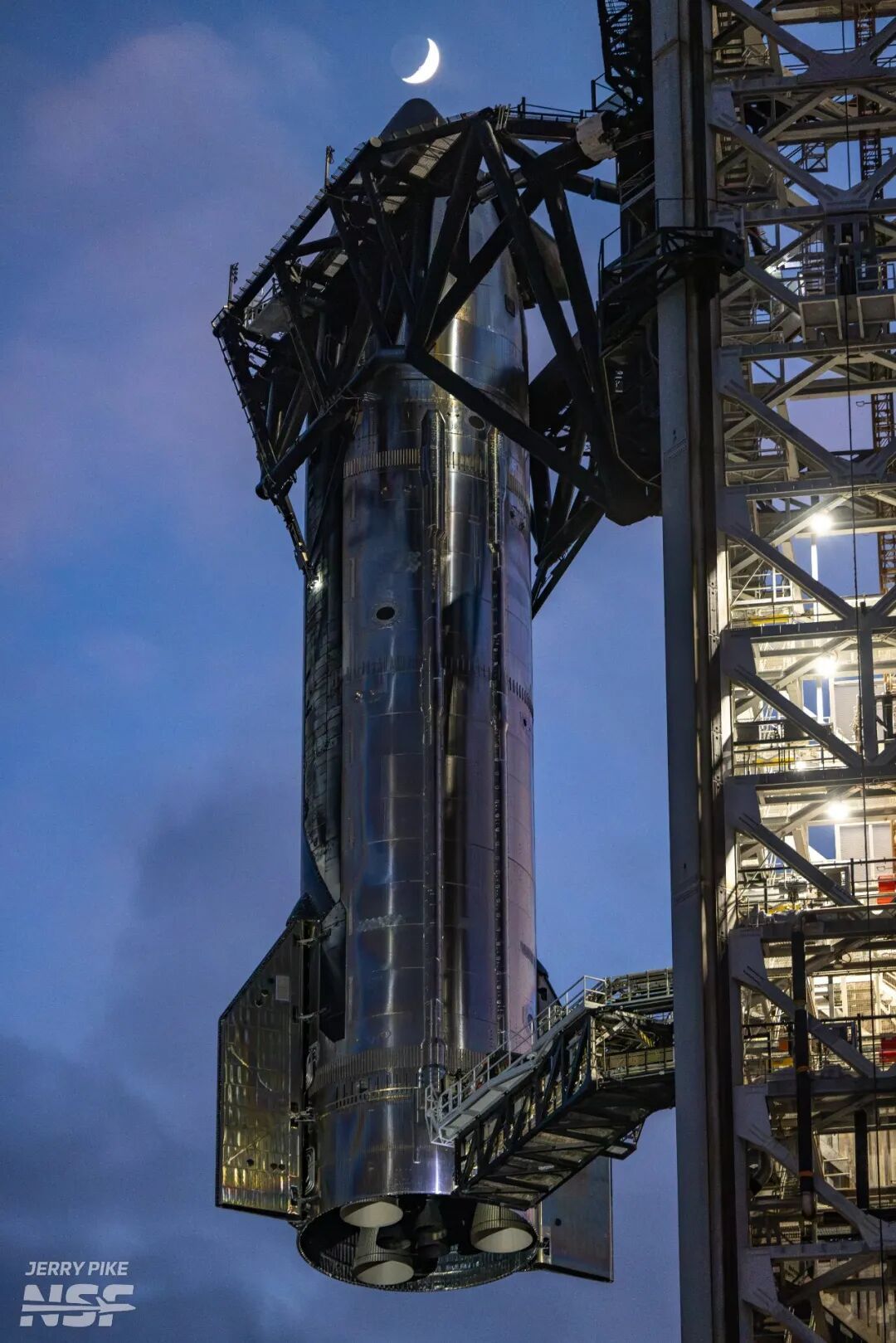
The answer to the universe is 42 — "as the great prophet Douglas Adams foretold," said Elon Musk. Photo: John Kraus.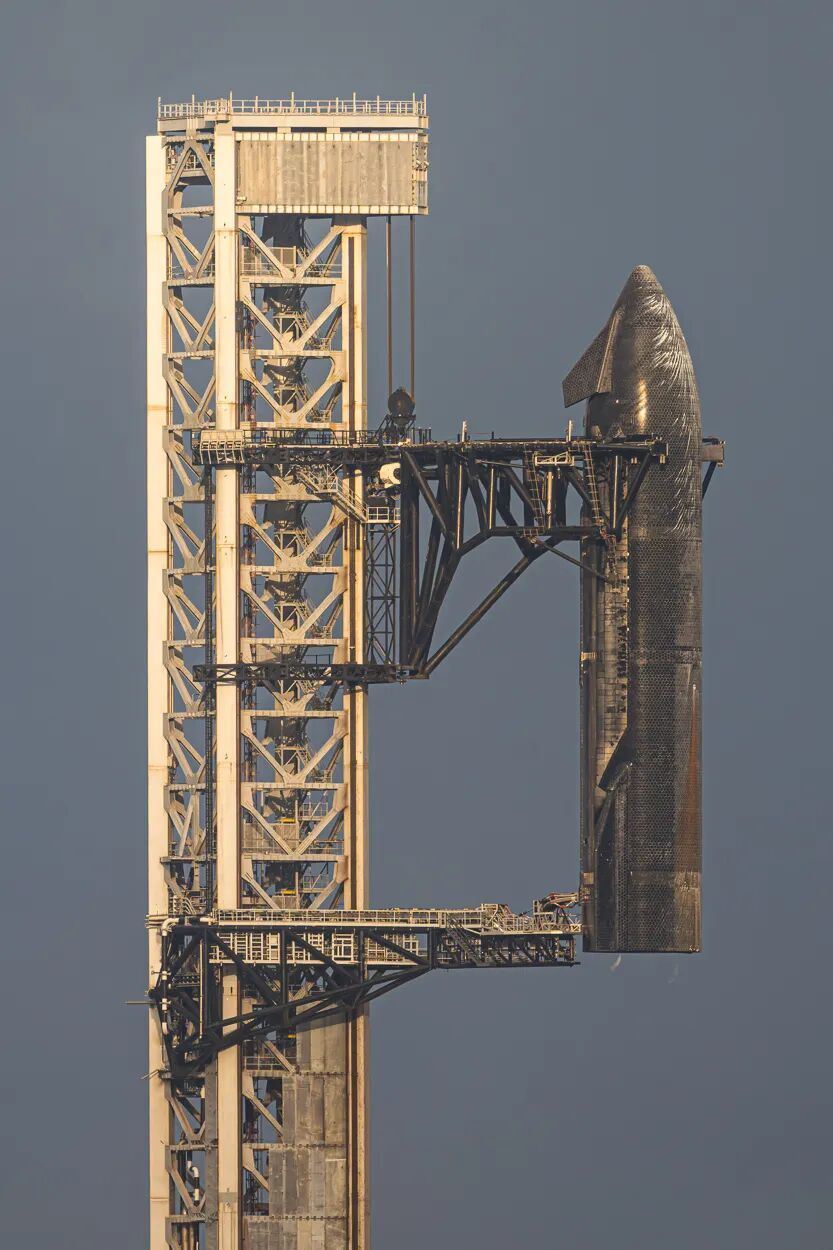
"Home, sweet home" — photo: Fabian Ramirez.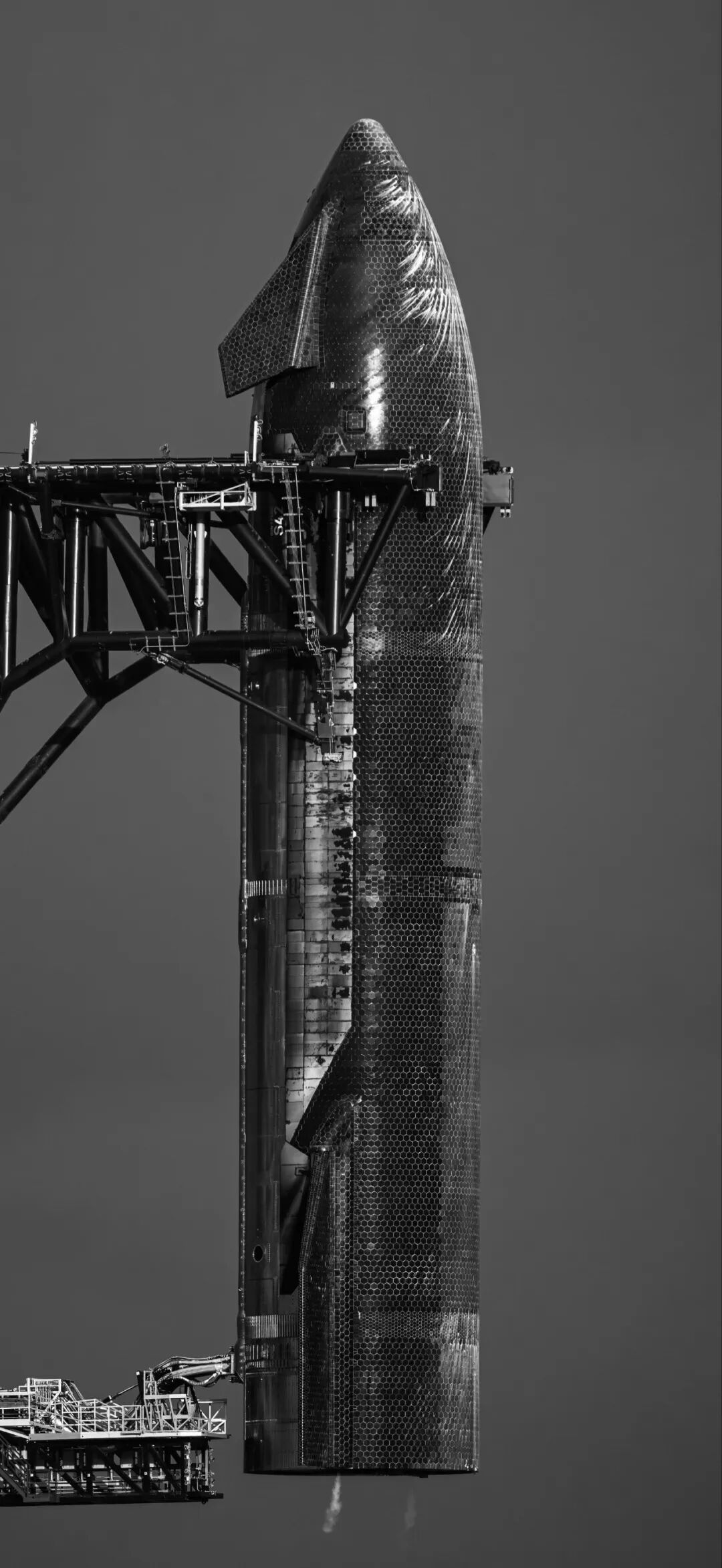
"Don't Panic" — photo: LaunchHeavenX.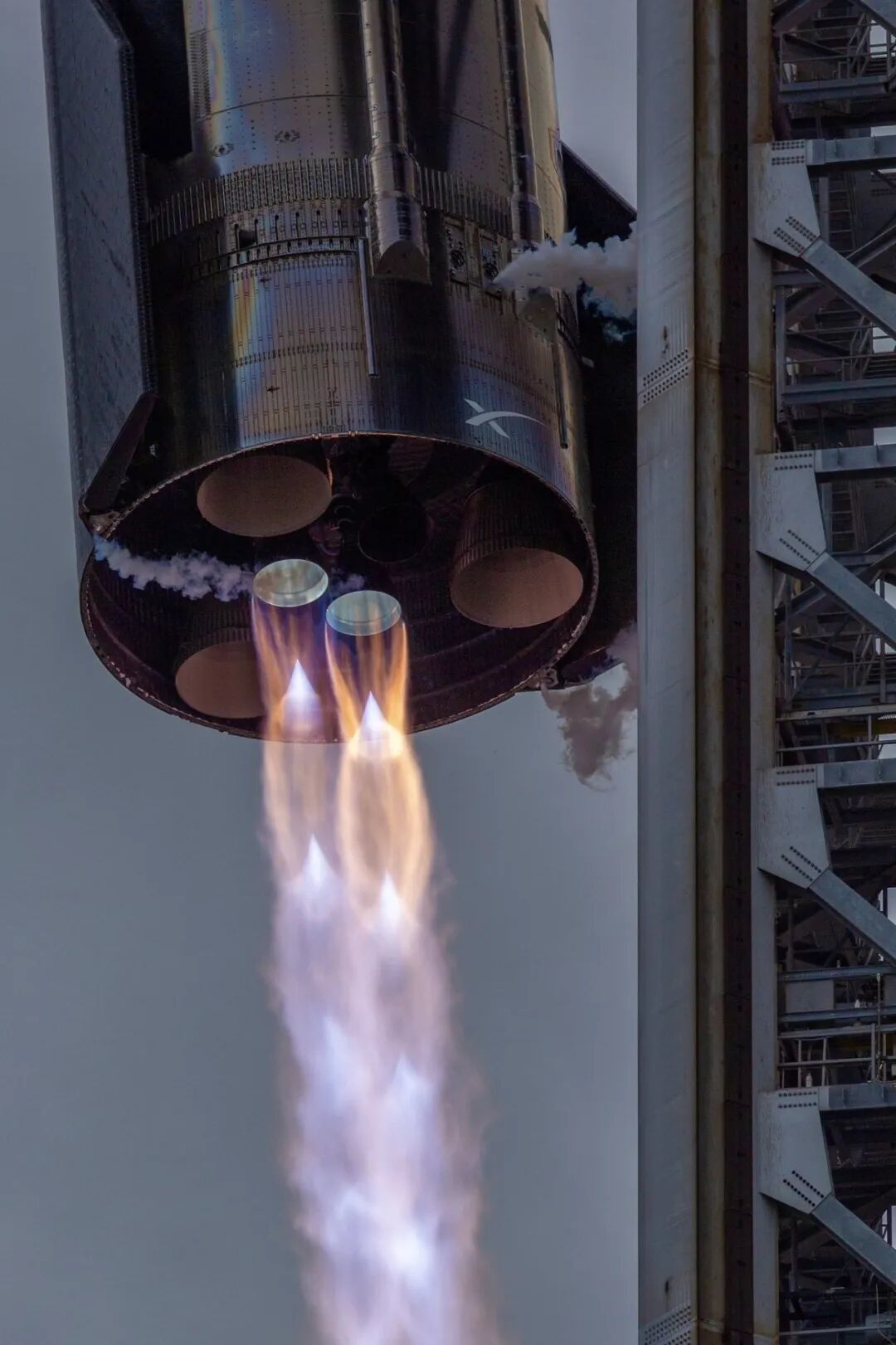
"Waiting" — photo: NSF.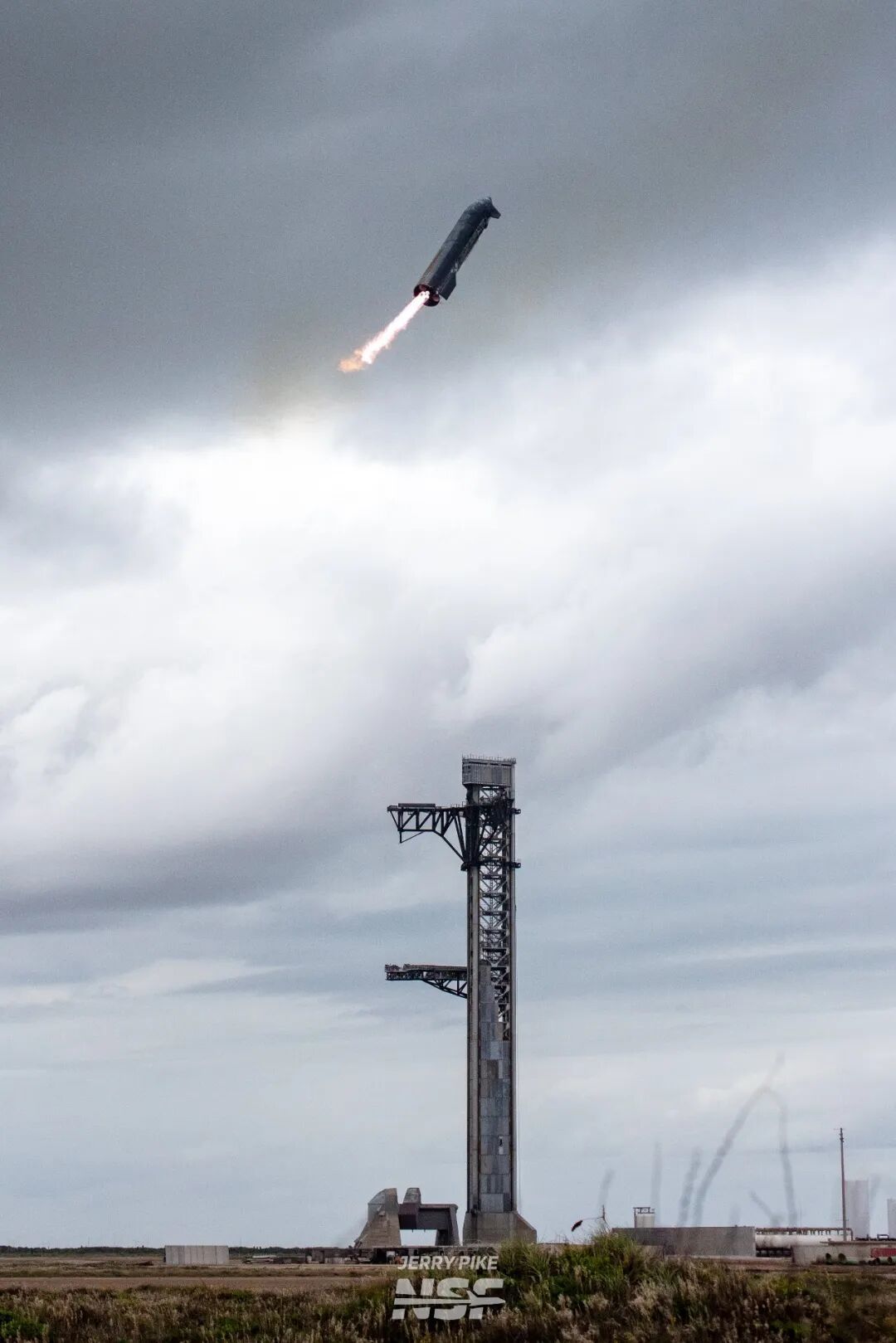
"Braking" — photo: John Kraus.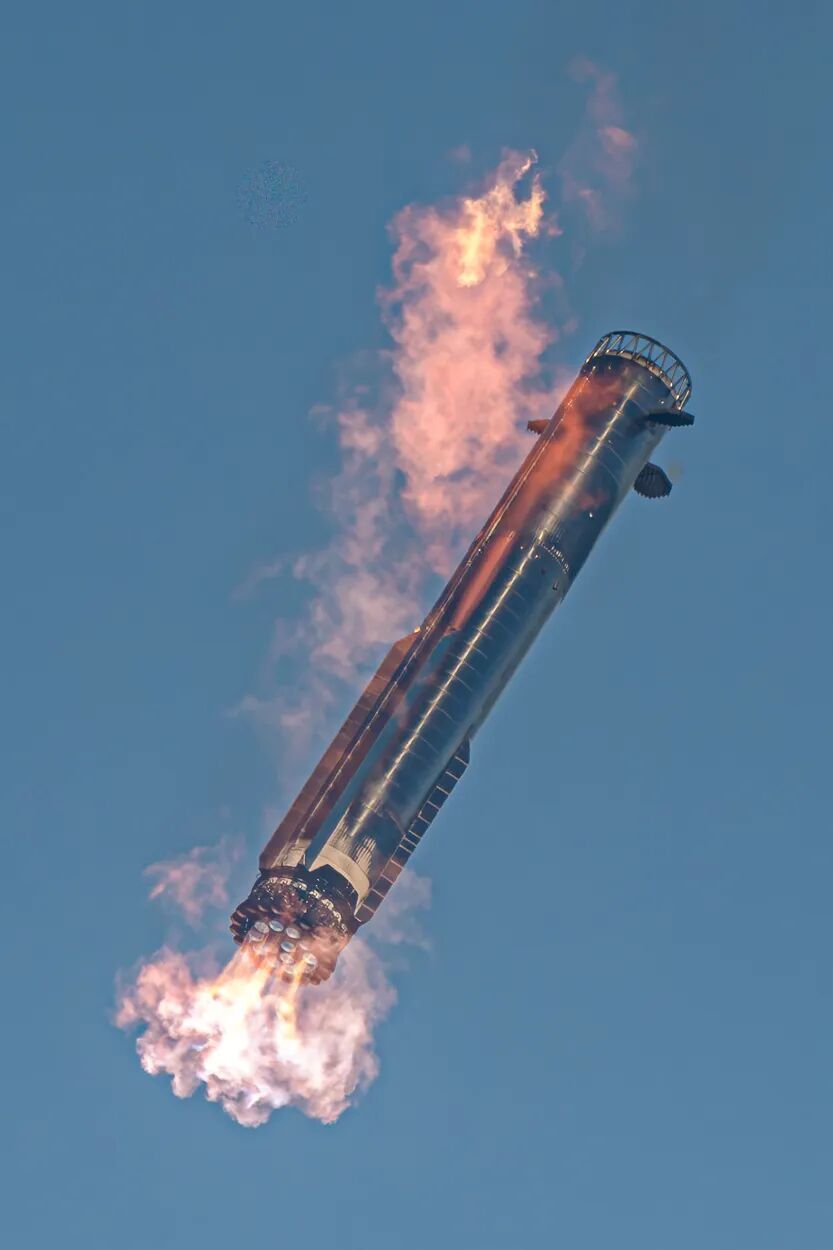
"Fireworks" — photo: John Kraus.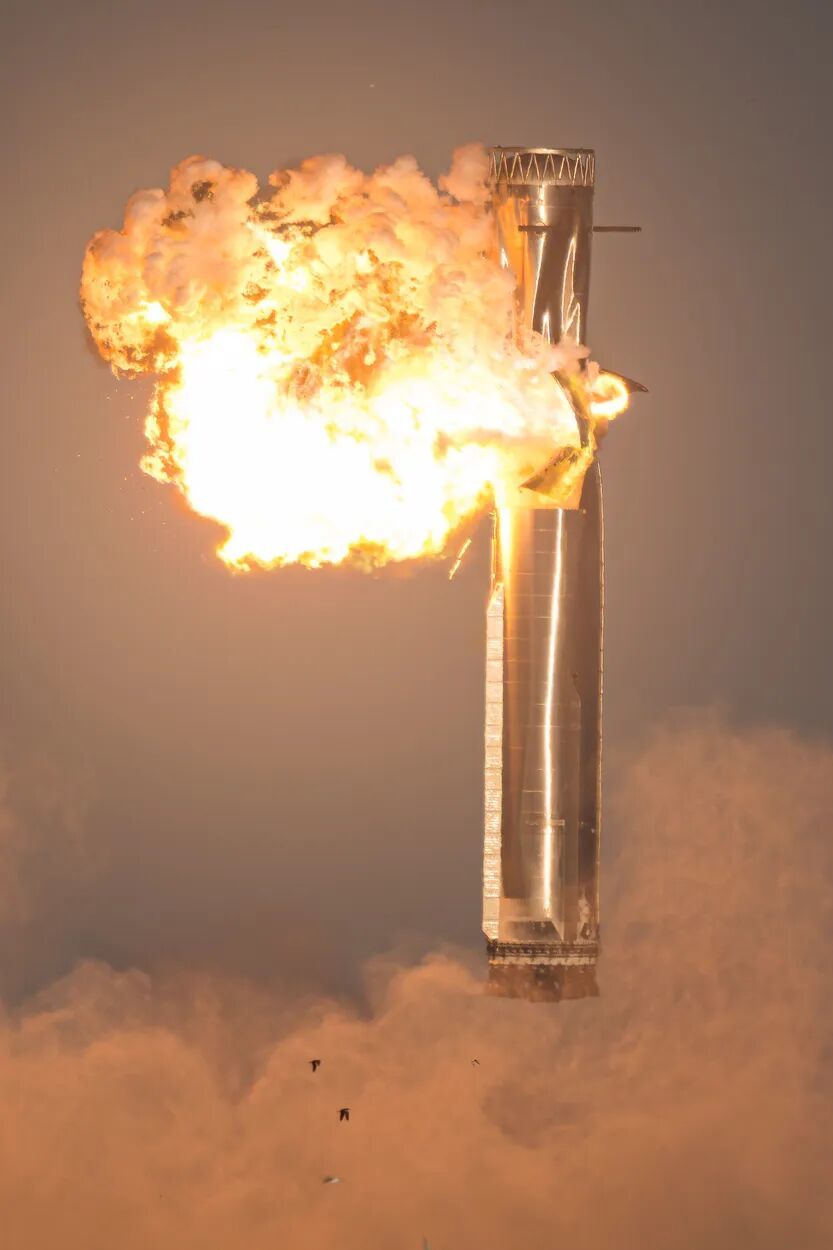
"Civilization and Progress" — the Prometheus statue a French resident self-funded in Starbase.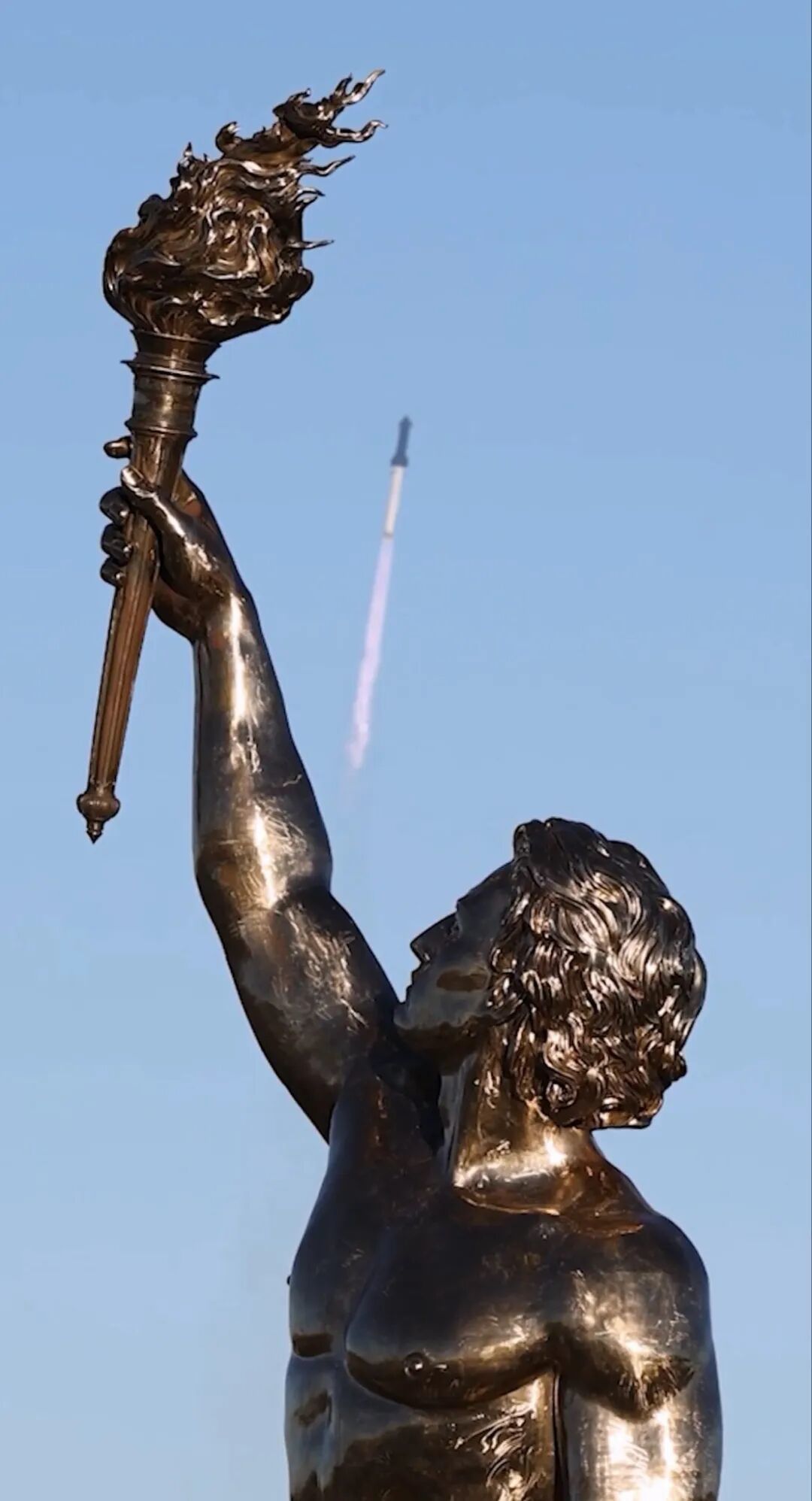
"Ascent" — photo: John Kraus.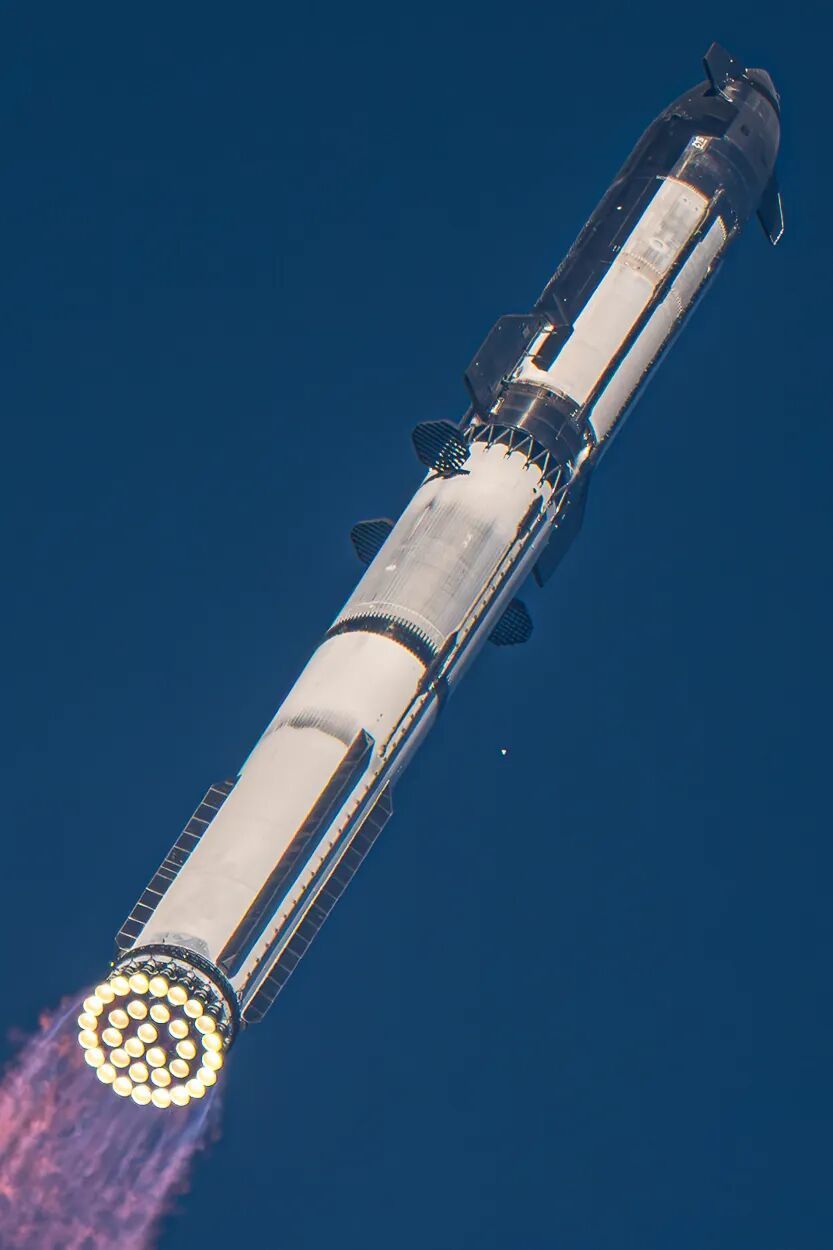
"Made on Earth by humans" — Elon Musk.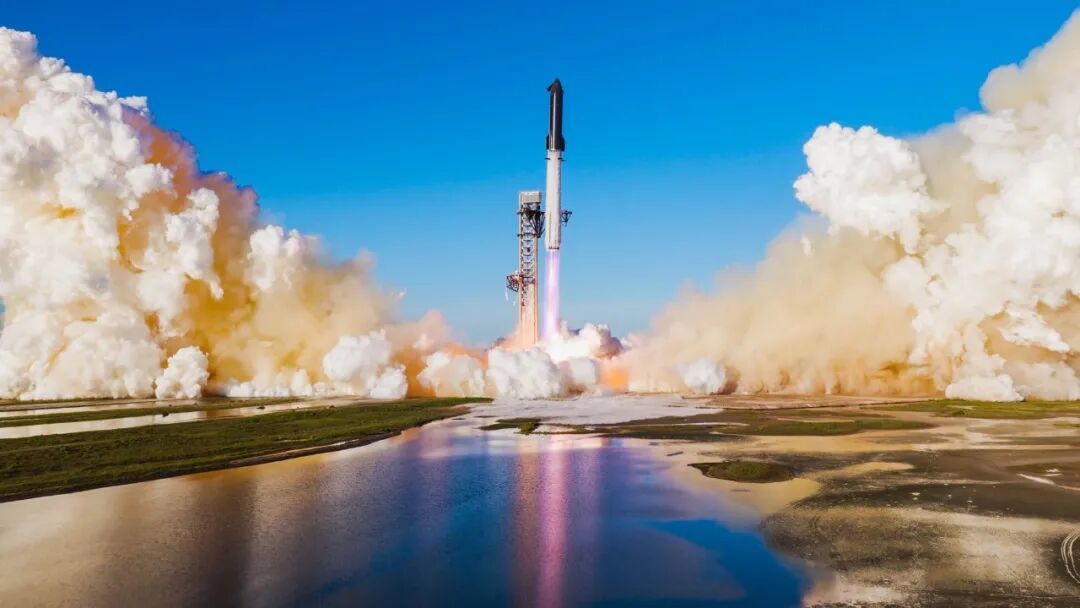
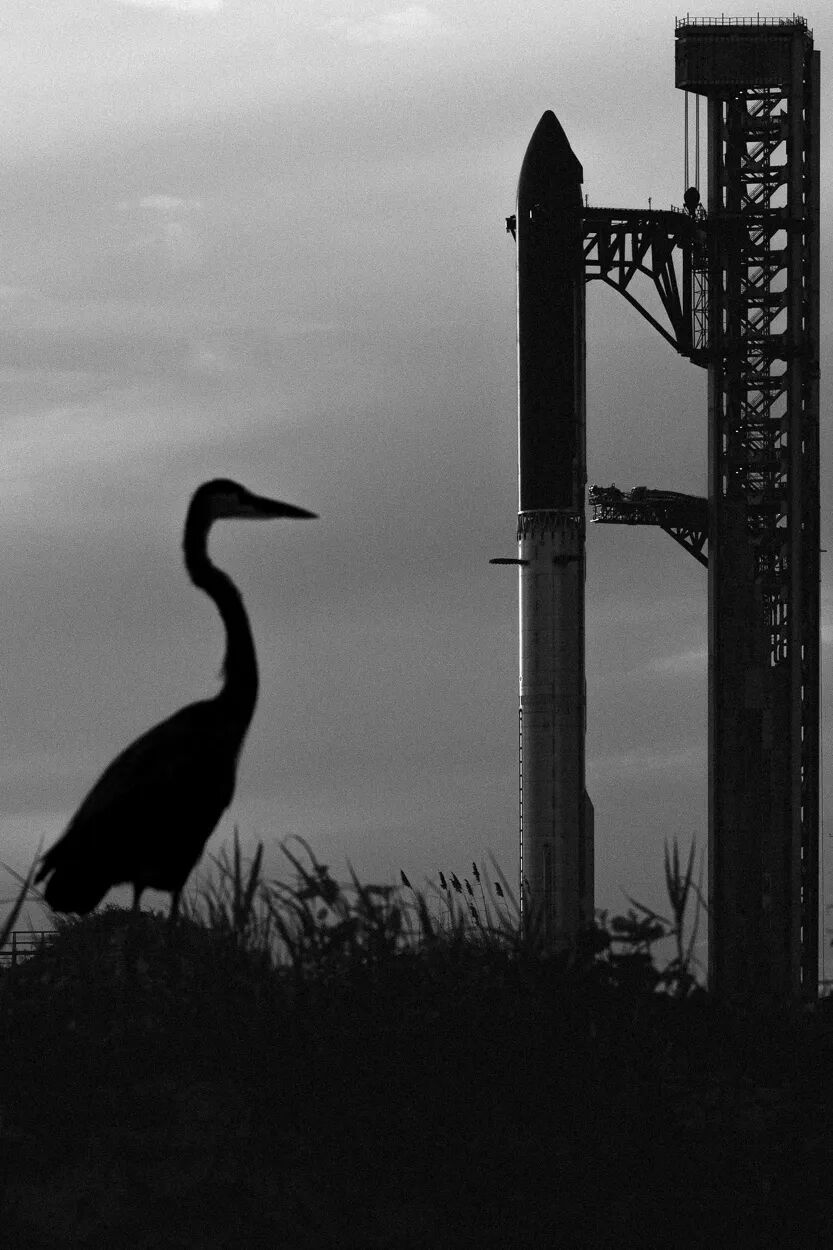
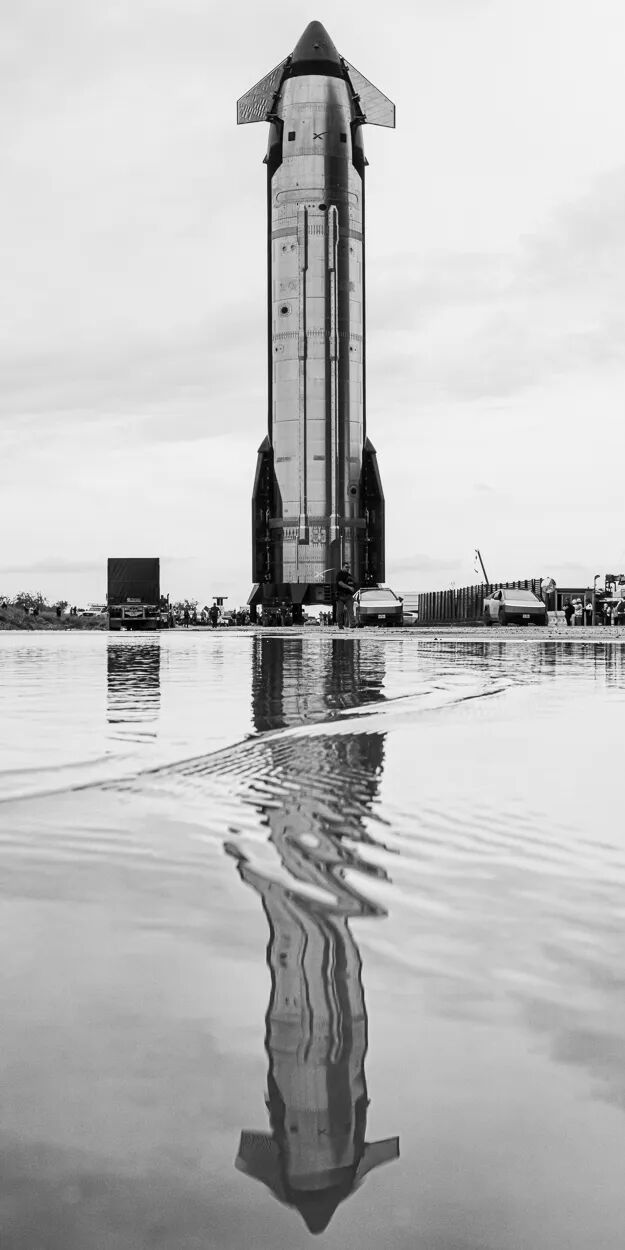
"Distant View" and a stack of pre-launch work — photo: John Kraus.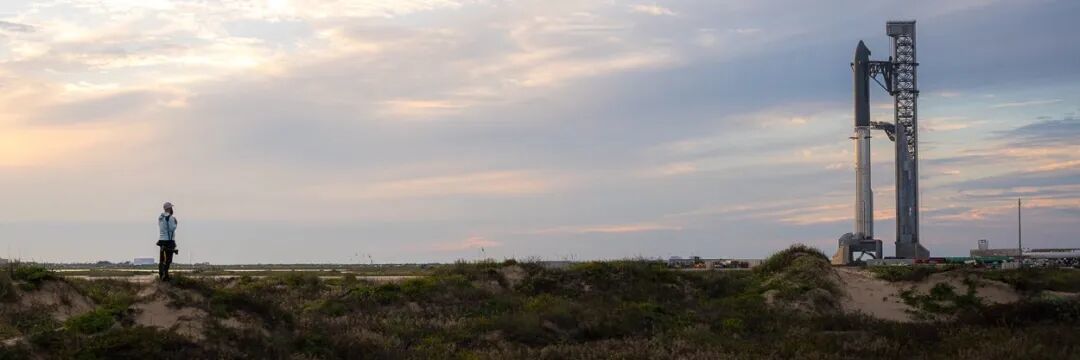

How to watch the next Starship landing in person: a five-step checklist
If the photos above make you want to stand there yourself, here is the honest playbook, built from the local viewing guides rather than wishful thinking.
- Pick your vantage first. The most popular public spot is Isla Blanca Park on South Padre Island; the pull-offs along State Highway 48 sit roughly 6 to 8 miles from the Starbase pads.
- Know what you can and cannot access. SpaceX runs no public tours and Starbase has no visitor center. When State Highway 4 (Boca Chica) is open, you can drive past the factory and towers, but the county closes the highway and beach during tests and launches — always check road closures before driving out.
- Expect the date to slip. Static fires and rehearsals push windows around, so build slack into any travel plan.
- Learn the catch script before launch day. Landing burn, three Raptors, then two, then one, arms close, last engine off — about 18 seconds. Knowing the sequence means you understand what you are seeing in real time.
- Bring the boring stuff: sunscreen, closed shoes, water. The South Texas sun is brutal, and island crowds build early on launch days.
Common misconceptions about Flight 15
- "The booster abort means the flight failed." No — the tower catch is a conditional branch, not a promise. The booster must stay within limits on position, speed, attitude and remaining propellant; when guidance flags a violation, the programmed fallback is a controlled splashdown away from the pad. Losing a booster beats damaging the tower.
- "B22's loss erased the mission." Orbit insertion, 26 satellite deployments, heat shield imaging and the first-ever ship catch all happened. The flight's hardest objective was met.
- "You can visit Starbase whenever you like." You cannot — no tours, no visitor center, and closures are enforced on operational days.
- "Tower catches are routine now." For boosters, increasingly yes since Flight 5 in 2024. For orbital ships, Flight 15 was the first, and rapid reflight — catch, inspect, fly again — remains undemonstrated until post-flight inspections of the tiles, flaps and engines are published.
FAQ: the Flight 15 questions readers actually search
Did Starship Flight 15 succeed?
Mostly, yes. S42 reached orbit, deployed 26 Starlink V3 satellites, flew about 22.5 hours and was caught by the tower — a first. The cost was B22, lost in the Gulf of Mexico after its catch was aborted for safety.
Why was the booster's tower catch called off?
The onboard guidance system judged the booster no longer met safe-capture conditions and switched to the pre-planned Gulf splashdown to protect the launch tower. SpaceX had not published a full root-cause explanation at the time of writing.
Where is the best place to watch a Starship launch or catch?
South Padre Island, especially Isla Blanca Park, or the Highway 48 pull-offs about 6-8 miles from the pads. Arrive early and check Cameron County road closures first.
What is next for Starship after Flight 15?
Flight 16, with reports suggesting Florida's LC-39A pad as a backup option — which would be Starship's first launch outside Texas and give SpaceX an East Coast fallback.
Who should I follow for the best photography?
John Kraus, NSF, Avid Space, LaunchHeavenX and Fabian Ramirez produced the strongest Flight 15 frames. Following them costs nothing and beats most replays.
The verdict: is it worth planning a trip?
My honest take after watching this one from a laptop at an ungodly hour: if you can reasonably get to South Texas, plan the next catch attempt properly — base yourself on South Padre Island, keep Highway 48 as backup, check road closures the night before, and accept the real chance a catch gets called off at the last second, because Flight 15 just proved that happens. If travel is off the table, the official stream plus the NSF and John Kraus feeds get you most of the experience. Either way, do not skip the replays: the moment the arms close and the last engine quits is the clearest evidence yet that Starship is turning from an experimental rocket into reusable infrastructure.
Sources
- Space.com — SpaceX launches Starship on 22-hour Flight 15 test, but aborts booster 'chopsticks' catch: space.com
- Wikipedia — Starship Flight 15 mission record: zh.wikipedia.org
- Visit South Padre Island — SpaceX launch viewing guide: visitsouthpadreisland.com
- Space Launch Schedule — Highway 48 Starship viewing location: spacelaunchschedule.com