
MyTechDailyNews Guide: AI Memory Demand, HBM Supply and the Road to 2030
By Sarah Chen, MyTechDailyNews
For readers tracking AI infrastructure news, the latest outlook from SK Hynix points to a memory market that stays competitive rather than comfortable. The company's view is simple: demand for high-bandwidth memory is expected to remain strong, while new capacity will take time to arrive. That matters for server build plans, cloud service capacity, and the pace at which new AI services reach users.
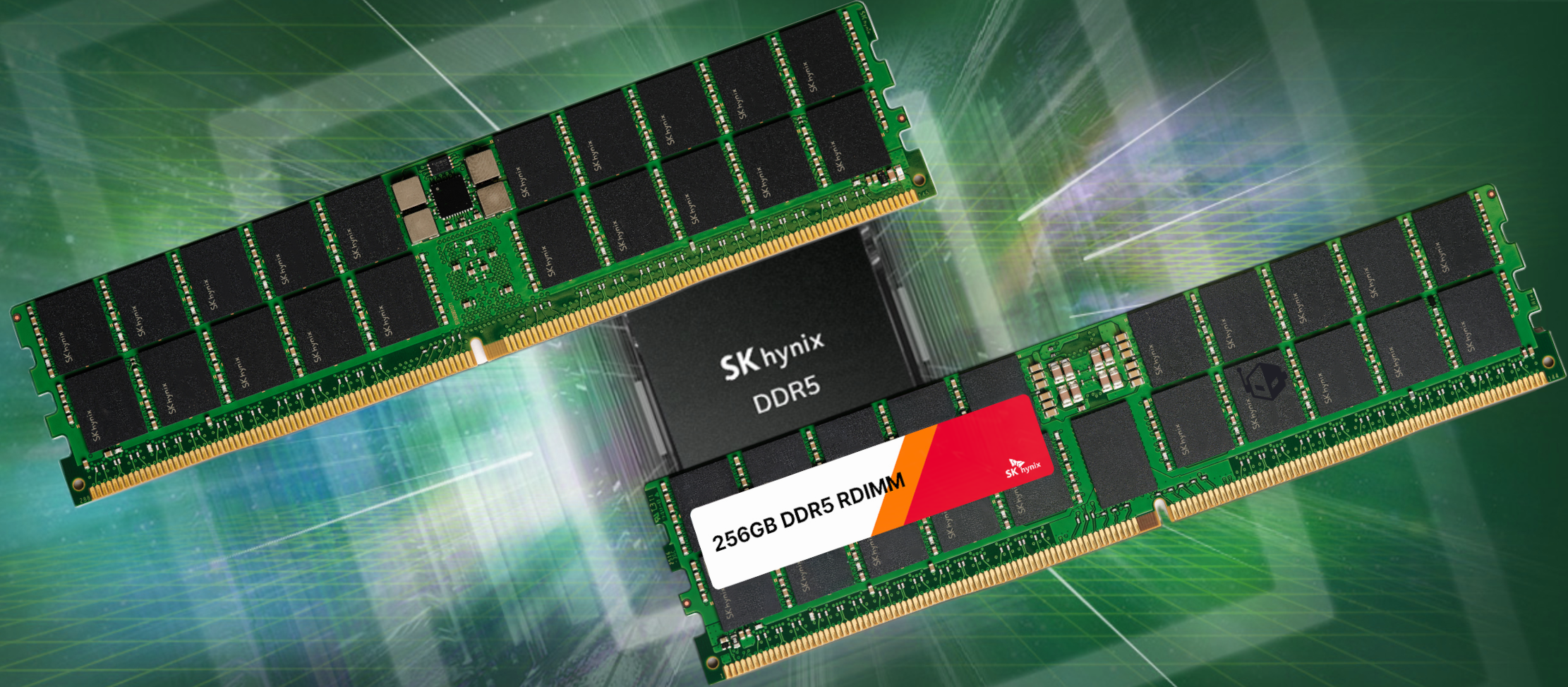
Why the AI Memory Story Is About Supply as Much as Demand
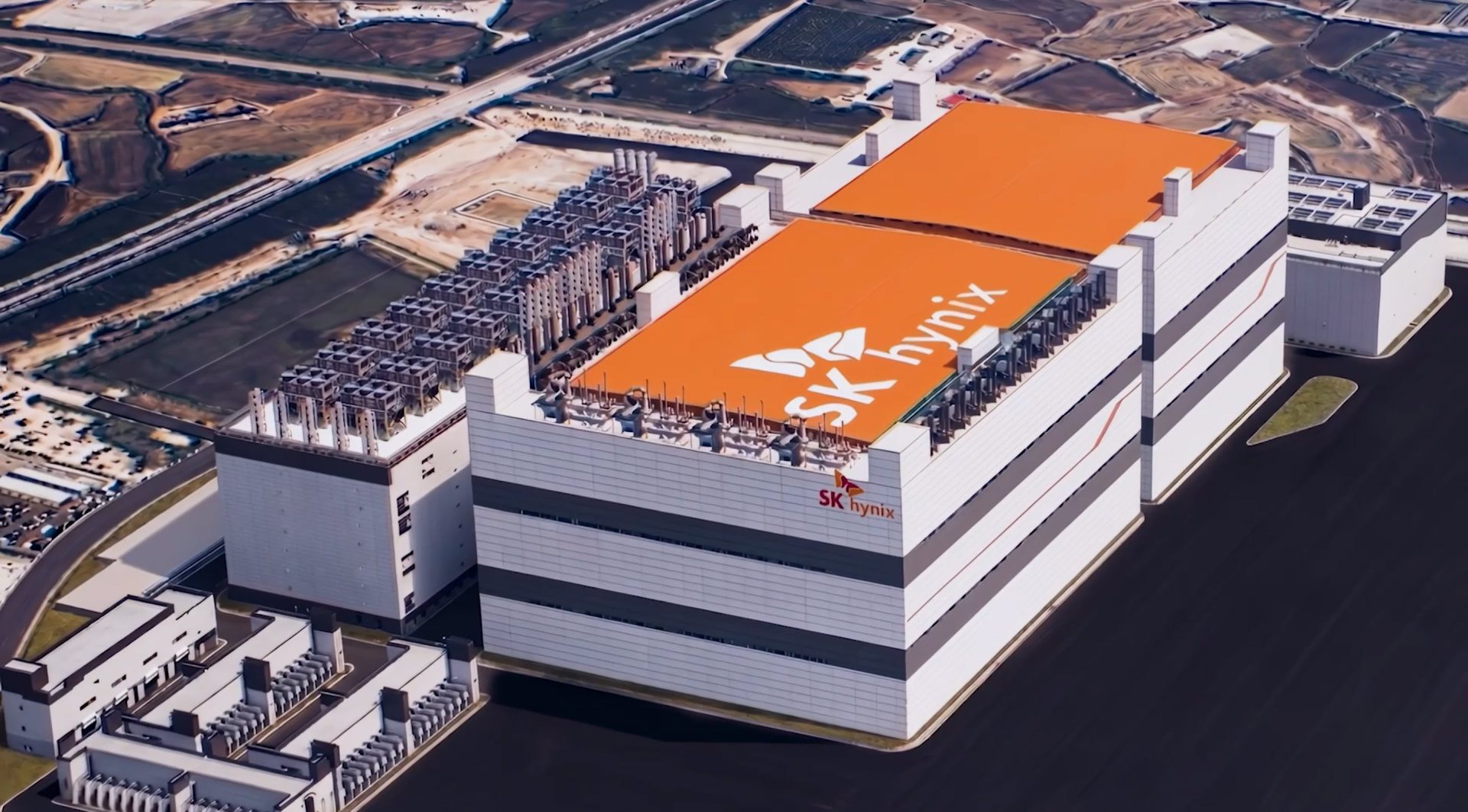
SK Hynix says it is moving ahead with plans to add production facilities and expand advanced packaging capacity. Still, memory capacity does not appear the moment investment is announced. The industry's more advanced products, including HBM, require complex manufacturing and later-stage assembly work that is harder to scale quickly than ordinary storage or standard server parts.
Where the Bottleneck Comes From
The constraints are not limited to one factory or one supplier. They span process engineering, packaging equipment, construction schedules and trained staff. A simpler way to read the warning is this: even when a company wants to build more, each step must line up before usable output rises.
- Manufacturing steps for advanced memory are more complex than older product lines.
- Advanced packaging capacity is a key dependency, not a side detail.
- New production facilities require time to build and qualify before volume output.
- Skilled labor and operational expertise constrain how quickly new lines can run.
What Keeps Demand High Before 2030
The company's forecast extends to 2030 and beyond the current investment cycle. Large technology firms, cloud providers and sovereign AI projects are still expected to spend on high-performance computing platforms. Those platforms depend more heavily on HBM and higher-end DRAM than traditional servers, so each new data center wave raises the need for the most advanced memory.
Model Growth Raises Memory Needs Per Chip
Larger AI models generally need more memory resources. As model scale grows, the amount of HBM attached to each GPU rises. The transition path described in the source outlook, from HBM3 and HBM3E toward HBM4 and later products, also implies that each new accelerator generation can require more storage bandwidth. That trend can tighten supply even when the total number of chips produced increases.
Supply Efforts and Why They Are Not Instant Fixes
SK Hynix is increasing output through advanced packaging line expansion, new chip factories and better production efficiency. Nvidia and other AI chip makers remain important partners in this ecosystem. The company's leading position in HBM shows why its view carries weight. However, the same forecast notes that even if major manufacturers invest more, supply may still struggle to keep pace with demand if AI adoption continues at current intensity.
What This Could Mean for Everyday Tech Readers
For general readers, the practical question is not only why chips are hard to make, but how the gap may show up in products and services. More constrained HBM supply can influence how quickly AI features move from research demos to stable consumer offerings, how fast cloud capacity can scale, and how much room remains for lower-cost AI tools to compete with enterprise platforms.
| Supply Side | Demand Side |
|---|---|
| Advanced packaging constraints | Generative AI and large language models |
| Long construction and qualification timelines | AI data center and cloud investment |
| Process complexity for high-end memory | Rising HBM capacity per GPU |
| Talent and operational readiness | Continued sovereign AI computing projects |
Common Misconceptions
- More announcement is not the same as immediate availability. New capacity usually has to be built, tested and scaled.
- HBM is not interchangeable with ordinary server memory. Its value comes from bandwidth, packaging integration and compatibility with accelerator platforms.
- Supply growth does not automatically solve the market. Demand can rise faster if AI infrastructure spending continues.
- Leading in one generation does not guarantee future abundance. Process, packaging and talent constraints still matter.
Checklist for Following the Next AI Memory Headline
- Identify whether the news is about construction, production volume, packaging capability or product sampling.
- Check if the statement refers to HBM, advanced DRAM, or more general memory categories.
- Look for the time frame being discussed, especially milestones before 2030.
- Note which AI computing segment is involved: GPUs, accelerators, cloud platforms or sovereign projects.
- Separate company expansion plans from independently confirmed supply growth.
Action Advice
Use the current outlook as a reading tool rather than a prediction of shortage panic. If you follow AI infrastructure news, give weight to the slow parts of the story: packaging, construction and workforce readiness. If you are comparing cloud services or enterprise AI plans, ask whether memory and accelerator supply could affect deployment timelines. If you are evaluating consumer products, watch whether AI features are positioned as available capacity or future roadmaps.
- Do not treat capacity announcements as immediate inventory.
- Pay attention to packaging and factory construction as leading constraints.
- Read model-size discussions as memory demand, not only software progress.
- Track Nvidia and other accelerator partnerships only as ecosystem signals, not proof of unlimited supply.
FAQ
What is HBM and why does it matter now?
HBM is high-bandwidth memory used in high-performance computing, especially AI accelerators. Its importance has grown because large models, AI data centers and advanced computing platforms need much more memory bandwidth than traditional servers.
Why will supply remain tight?
Expansion is underway, but advanced process requirements, packaging capacity, long facility schedules and skilled labor make output increase slowly. At the same time, AI infrastructure investment and rising HBM per GPU continue to lift demand.
How long might this pressure last?
SK Hynix expects AI infrastructure development to remain fast through the period before 2030. If that view holds, HBM, higher-end DRAM and related packaging may continue to be pressure points in the global semiconductor supply chain.
The key message is not that demand will collapse, but that capacity is expected to follow a long road. MyTechDailyNews suggests readers watch for the combination of packaging progress, production scale and sustained AI infrastructure spending to understand whether memory supply and demand finally narrow.