
Samsung’s Sixfold Profit Leap in Q3 2026 — and Why Your RAM Bill Hasn’t Come Down | MyTechDailyNews General
By Sarah Chen · Tech Daily · MyTechDailyNews
If you have paused at a checkout screen because a memory upgrade or a solid-state drive cost more than you expected, the explanation may be sitting in a corporate filing rather than in your shopping cart. Today, Samsung Electronics (KRX: 005930) published its earnings report for the third quarter of 2026, the quarter that closed on September 30, and those results describe, from the supply side, why the chips inside everyday devices have stayed expensive.
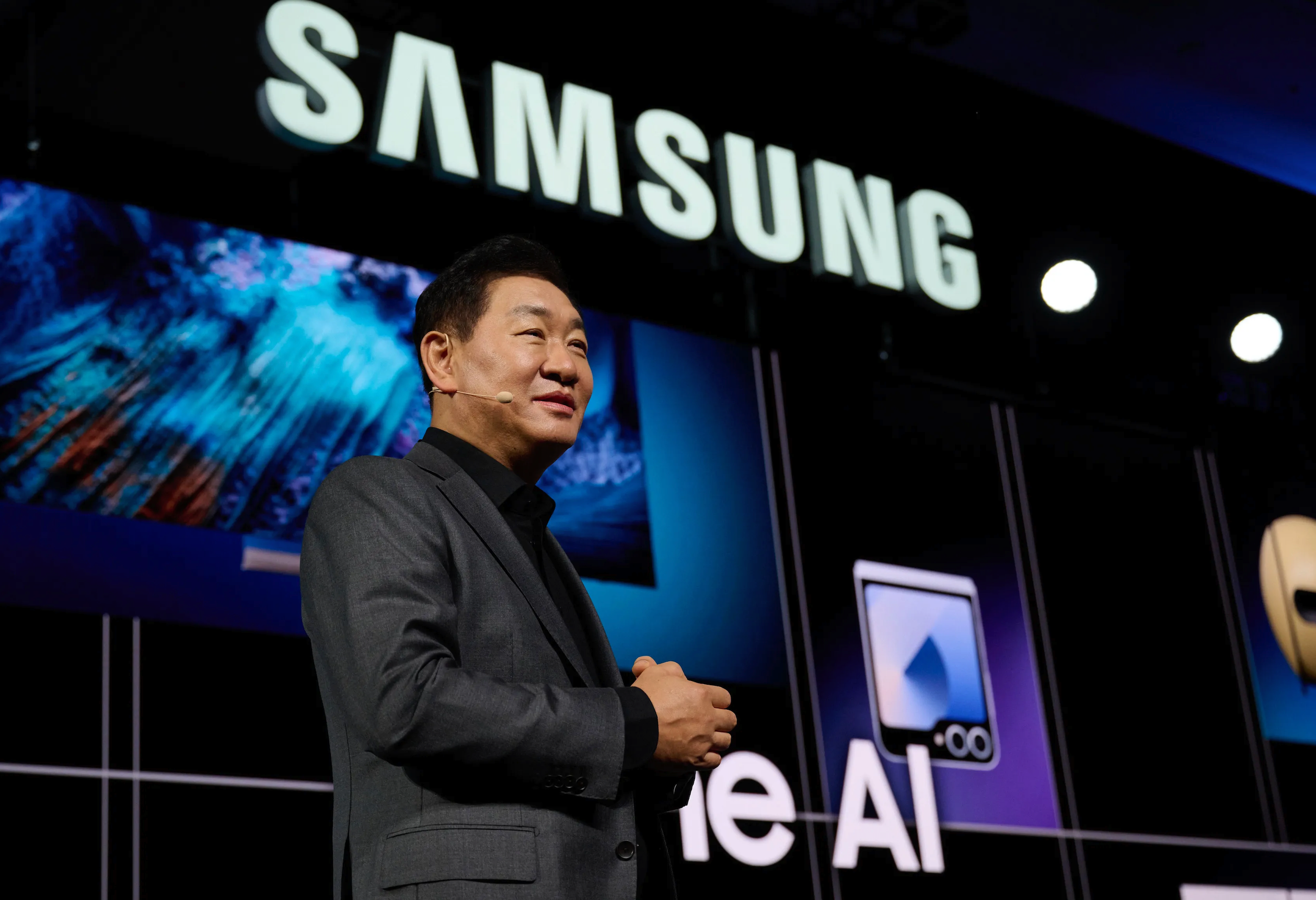
Samsung
The quarter in one table
Revenue came in at 195.25 trillion won (about $145.6 billion), up 126.88% from the 86.06 trillion won booked in the same period a year earlier. Net profit attributable to shareholders of Samsung’s parent company reached 75.21 trillion won (about $56.1 billion), compared with 12 trillion won in the year-ago quarter, an increase of 526.39%.
| Reported line | Year-ago quarter | Q3 2026 | Year-on-year change |
|---|---|---|---|
| Revenue | 86.06 trillion won | 195.25 trillion won (about $145.6 billion) | +126.88% |
| Net profit attributable to shareholders of the parent company | 12 trillion won | 75.21 trillion won (about $56.1 billion) | +526.39% |
What actually moved
Samsung has been riding the AI memory supercycle for several consecutive quarters, and the run is now long enough to read as structural rather than accidental. Over the past year, demand created by training large models and running them at scale kept pulling HBM (high-bandwidth memory) and DRAM prices upward. As older stock was cleared, that pricing strength flowed straight into profitability: the chip business saw its gross margin rebound substantially.
An analogy fits this cycle well. Picture a concert promoter who spent last year stuck with empty seats, then discovered a queue around the block for the next show. No extra nights were added; the same hall simply sold at a higher price with fewer leftovers on the shelf. That is roughly what a memory maker experiences when AI demand meets a cleaned-up inventory position — sales rise, and profit rises far faster.
How unusual these growth rates are
Revenue doubling while net profit climbs more than sixfold is not routine behaviour for the group; growth on that scale is rarely seen in Samsung’s earnings reports in recent years. The dollar comparison is even blunter. In the year-ago quarter, net profit was still less than $10 billion; a year later, one single quarter was worth more than 6 times that.
Two things are worth separating here. One is scale — sales roughly doubled. The other is profitability — earnings multiplied. When those two move at such different speeds, the story being told is about margin recovery, not merely about shipping more units.
Quick checklist: what this means for regular buyers
- An upstream signal, not a price list. Earnings show where the money is being made, and that same place is where memory and SSD pricing is set.
- The reason prices held high recently. The filing is a side explanation of why RAM and solid-state drive prices have stayed elevated: upstream makers are earning handsomely.
- Pass-through is a timing question. Cost transmission into the consumer market is described as a matter of time, so near-term relief is not what these numbers suggest.
- The driver is AI, not a gadget craze. HBM and DRAM pricing, set by model training and inference demand, sits at the centre of the result.
- A reference point for domestic readers. For domestic consumers, the report works as a way to read your own upgrade bills against what the supply side is earning.
Common misconceptions
- “Record profits must mean prices are about to fall.” The report points the other way: rich upstream margins plus continuing AI demand are exactly the conditions that keep memory and SSD prices elevated.
- “This was a one-off lucky quarter.” The company has been benefiting from the AI-driven memory cycle for several consecutive quarters.
- “Sales and profit grew by the same amount.” Revenue doubled; net profit rose more than sixfold. The gap between the two is the margin story.
- “A result this large means the cycle has peaked.” Market analysis holds that, as long as the AI computing expansion trend does not change, the memory price-up cycle is still mid-way.
- “Strong chip earnings automatically mean cheaper devices.” Not by themselves — the same profitability that lifted this quarter is what makes waiting for a bargain a risky plan.
Action advice
- Plan purchases against the current price level. If you need RAM or storage, budget against recent prices rather than waiting for a discount triggered by this news.
- Watch the component-heavy buys first. Upgrades, storage and larger-capacity builds are where upstream pricing reaches ordinary buyers quickest.
- Follow the next report, not the headline. The useful signals are whether revenue growth holds and whether net profit keeps expanding faster than sales.
- Treat the figures as history. These are results for the quarter ended September 30, a description of where the cycle stood, not a guaranteed forecast.
- If you plan hardware refreshes at work, use the earnings as a cost reference and keep an eye on how long the AI computing expansion keeps demand elevated.
FAQ
Which company reported this, and for which period?
Samsung Electronics, ticker KRX: 005930, released the results today. They cover the third quarter of 2026, the period that ended on September 30.
How large were the numbers?
Revenue was 195.25 trillion won (about $145.6 billion), against 86.06 trillion won in the year-ago quarter, an increase of 126.88%. Net profit attributable to shareholders of the parent company was 75.21 trillion won (about $56.1 billion), up 526.39% from 12 trillion won.
Why did profit surge far more than revenue?
Because pricing and margins moved together. Over the past year, AI training and inference demand kept lifting HBM and DRAM prices, while inventory clearing let the chip division recover gross margin sharply. That combination multiplies earnings faster than it multiplies sales.
Should I hold off on buying memory or storage?
Nothing in the report points to a near-term fall. With upstream makers earning so well, the pressure transmitted into the consumer market is framed as a question of time, which means waiting carries its own cost.
Does this cycle have room to run?
According to market analysis, as long as the AI computing expansion trend continues, the memory price-up cycle is still mid-way and Samsung’s high growth may continue.
Is this only a Samsung story?
No. The cycle that lifted this quarter is the same one that shows up in component costs across devices ordinary readers buy, which is why an earnings filing from a chip maker belongs outside the finance pages.
Where this leaves readers
Strip out the won figures and the ticker, and the report reduces to a chain most people can verify at the register: an AI build-out lifts demand for high-bandwidth memory and DRAM, prices hold, inventory clears, upstream profits multiply — and the invoice for the memory inside your laptop is the final link. Samsung’s own quarter may belong to business sections, but the price curve it describes belongs in anyone’s shopping decisions. Until the AI computing expansion cools, the practical reading is that memory-heavy purchases should be planned against today’s pricing rather than against a discount these numbers do not point toward.