
MyTechDailyNews Explains: A $12.50 Jump Hits Raspberry Pi's 2GB Boards — How to Shop Around the New Memory-Driven Prices
Single-board computers are normally the dependable bargain of the hardware world, which is why the update issued today by Raspberry Pi deserves a few minutes of attention from anyone planning a classroom kit, a home media box or a small production run: the 2GB configurations have just moved up by $12.50, and the reason sits in the component market rather than in anything about the boards themselves.
For readers who do not follow chip pricing, the context is simple. Memory has become steadily dearer over the past two years and the curve has not bent back down, so every product built around it gets repriced along the way. The breakdown below covers exactly what moved, what stayed put, and the practical steps to take before an order goes in.
What changed today, in one table
| Product line | Memory option | Change today | Resulting price |
|---|---|---|---|
| Raspberry Pi 4 | 2GB | +$12.50 | $67.50 |
| Raspberry Pi 5 | 2GB | +$12.50 | $77.50 |
| Raspberry Pi 4 and Raspberry Pi 5 | 1GB | No change | Held at the previous level |
| Compute Module 4 | 2GB | No change | Held at the previous level |
| Compute Module 5 | 2GB | No change | Held at the previous level |
Everything else in the catalogue keeps its existing sticker price, so a buyer who only needs the entry-level capacity is not automatically out of pocket.
Why the April holding pattern stopped working
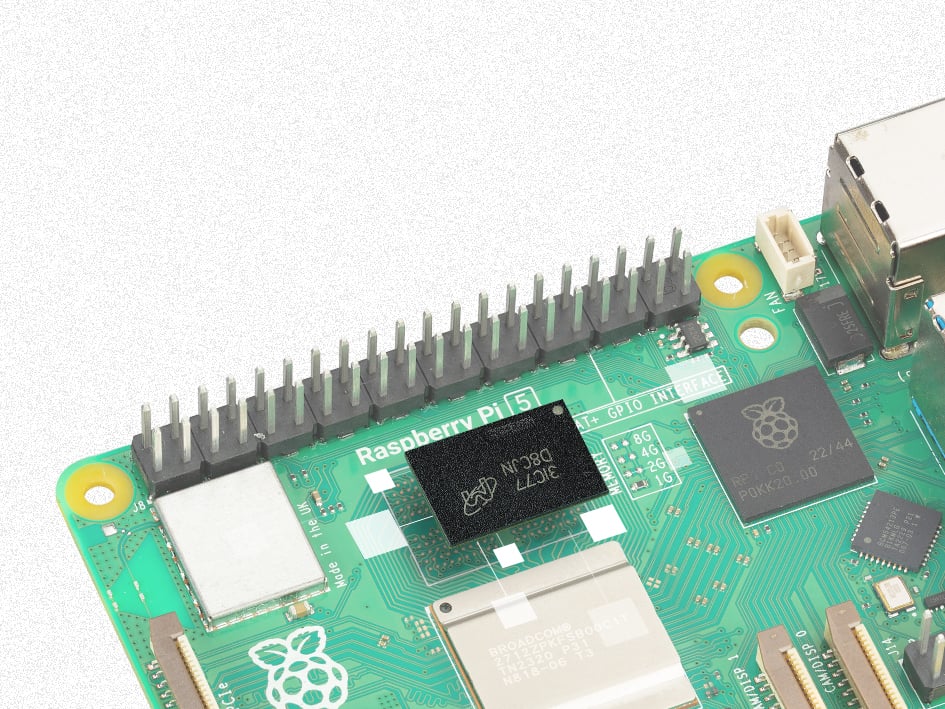
At the previous adjustment, in April, the 1GB and 2GB versions of the Raspberry Pi 4 and the Raspberry Pi 5 were deliberately left alone while the higher-density variants absorbed the increase. That trade-off bought some time but has now run its course, and this round recalibrates precisely those smaller-capacity options that were shielded last spring. The same logic applies across the wider range: like other manufacturers, the company has been lifting prices on numerous products to keep pace with production expenses.
There is also a forward-looking note worth flagging. The memory supply picture is described as difficult but temporary, and the position stated repeatedly is that pricing can be rolled back once component costs settle — the increases are expected to be undone when memory prices ease.
List price is not the only thing that can inflate a bill
Paying the announced figure is not guaranteed just because a page says Raspberry Pi. There are over a hundred Approved Resellers operating across every continent except Antarctica, several of which ship worldwide, and these trusted partners follow the maximum prices published officially, so a buyer can be confident of not paying more than necessary. Unauthorised vendors, by contrast, are known to charge inflated prices and may even supply products that are not what they appear to be — a risk that is easy to avoid by sticking to the Raspberry Pi Approved Resellers list.
Common misconceptions worth clearing up
- More RAM is always the safer bet. Capacity you will never use is still money spent; matching memory to the actual workload matters more than headroom.
- Older boards are simply obsolete. Widely liked models such as the Raspberry Pi 3B, 3A+ or 3B+ may already deliver the performance a project needs at a lower cost.
- Every seller is interchangeable. Pricing and authenticity vary outside the authorised channel.
- This is a Raspberry Pi problem. The increase tracks memory component costs, which are pressing on other manufacturers too.
- The whole range got dearer. The 1GB boards and the 2GB Compute Module 4 and Compute Module 5 variants are unchanged.
- Higher prices are now permanent. The stated expectation is a reversal once the memory market calms down.
A pre-order checklist
- Write down what the device actually has to run, then choose memory against that list rather than against worst-case assumptions.
- Compare the two tiers side by side: if a 1GB board clears the requirement, the $12.50 premium on the 2GB tier is avoidable today.
- Test whether an older model covers the job before buying new — performance needs are often lower than spec sheets imply.
- Check the Raspberry Pi Official Magazine guidance on getting the best from limited memory; an earlier issue collected project ideas built around the 1GB Raspberry Pi 5.
- Buy through Raspberry Pi Approved Resellers and verify the quote against the published maximum prices.
- If the purchase is not urgent, note the date and revisit it later, since the pricing pressure is tied to a memory market that is expected to ease.
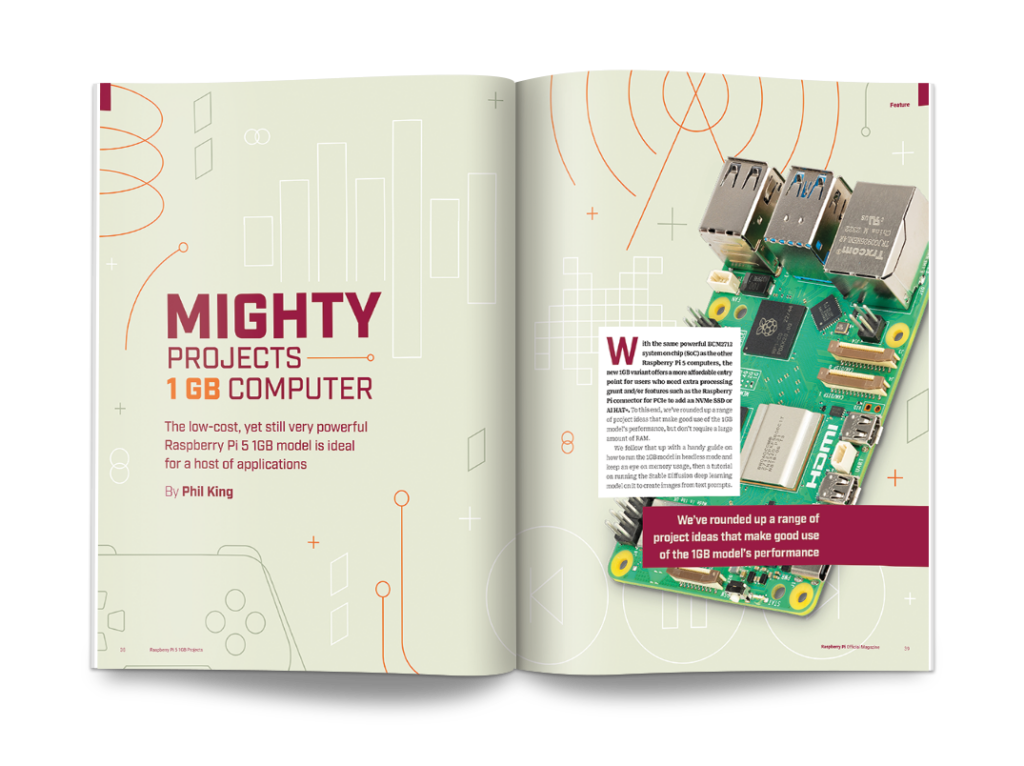 The Raspberry Pi Official Magazine cover story on 1GB Raspberry Pi 5 projects is one example of guidance aimed at making a smaller memory budget work harder.
FAQ
Which products cost more as of today?
The 2GB variants. The increase is $12.50 on each, bringing the Raspberry Pi 4 to $67.50 and the Raspberry Pi 5 to $77.50.
Did the 1GB boards get more expensive?
No. The 1GB versions of the Raspberry Pi 4 and Raspberry Pi 5 keep their earlier prices, as do the 2GB Compute Module 4 and Compute Module 5 options.
Why reverse the decision made in April?
Holding the 1GB and 2GB tiers flat while raising the higher-density versions was a balancing act. With memory costs still climbing after the past two years, that balance is no longer sustainable.
Should I switch to an older model instead?
Only if the workload allows it. A Raspberry Pi 3B, 3A+ or 3B+ can still be the sensible choice for projects whose performance demands are modest.
Where is it safe to buy?
From the Approved Resellers channel — over a hundred of them serve every continent except Antarctica, and several ship worldwide.
Will this price level last?
The stated expectation is no. The supply situation is difficult now but temporary, and the increases are meant to be undone when memory prices come back down.
Bottom line for buyers
The headline number is small, but it lands on the tier most hobbyists and educators tend to choose, so the useful response is not to shrug or to panic-buy. Size the memory honestly, give an older board a fair evaluation, buy only from the authorised reseller list, and keep the receipt of your decision in mind: if the component market relaxes as forecast, today's surcharge may well disappear from the next order.