
Why a TV Teardown Turned Into an AI Account Ban: MyTechDailyNews General Guide
If a person opens a smart TV they bought and later loses a ChatGPT subscription after a 42-hour ban, where does device ownership end and AI safety begin? MyTechDailyNews looks at the case that moved from smart-TV privacy to account enforcement: a user reportedly dismantled a 2025 Samsung TV, found always-on listening, ACR tracking, network mapping and telemetry, then saw an AI provider act; at almost the same time, Claude reportedly blocked reverse-work prompts and REA, short for Reverse Engineer Anything, was restricted.
The episode also asks who is being abused: a TV or a purchaser. Some commentary framed the teardown as 'abusing the TV', a phrase that made the owner sound like the offender, while the device's own data pipeline looked like a 'death sentence' for privacy.
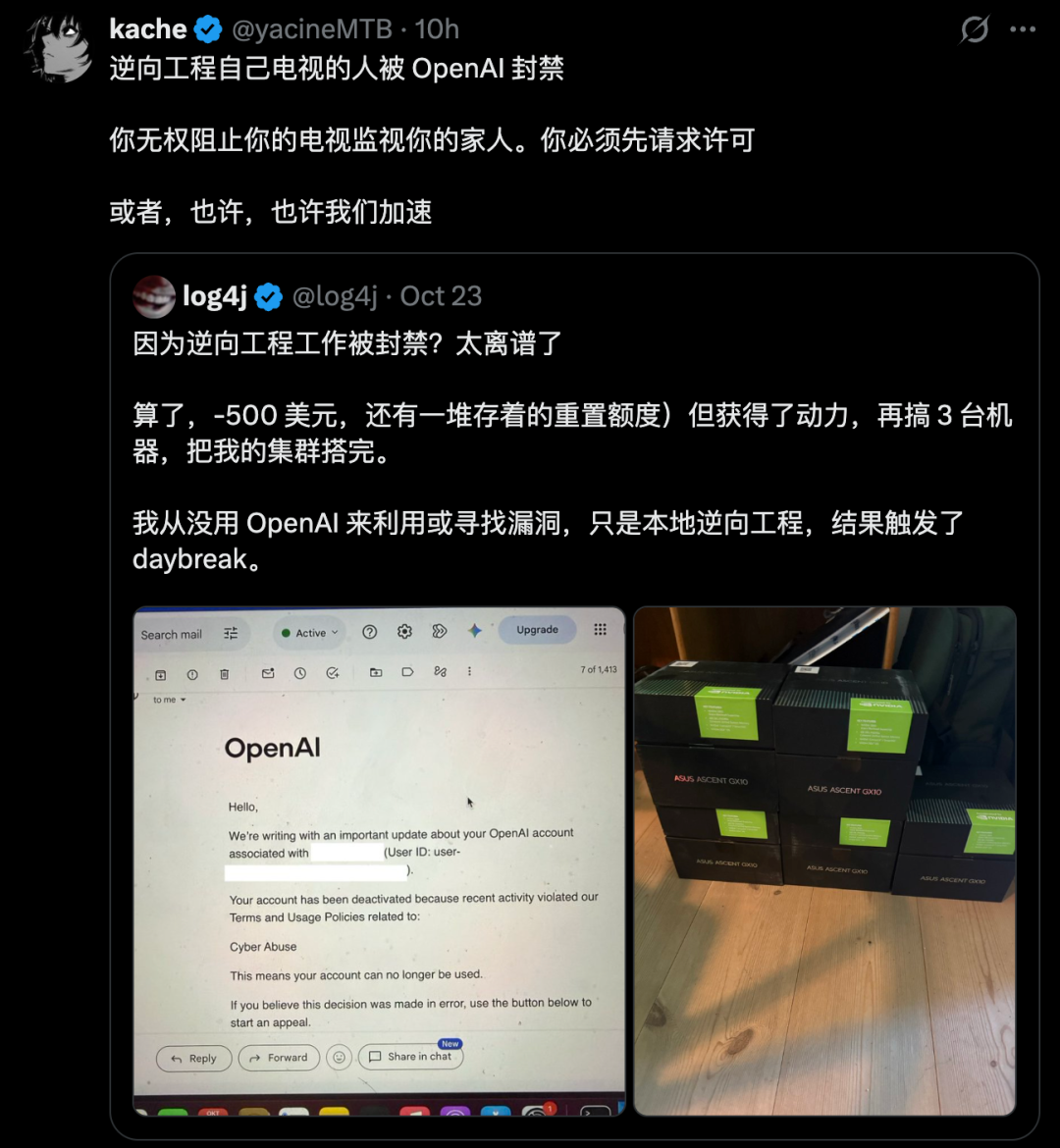
Right on this day, reports described an overnight reversal: Claude was said to have restricted REA, and users reported safety stops. The same day, Anthropic and OpenAI were both seen as putting brakes on 'reverse everything'.
From a paid TV to a lost paid account
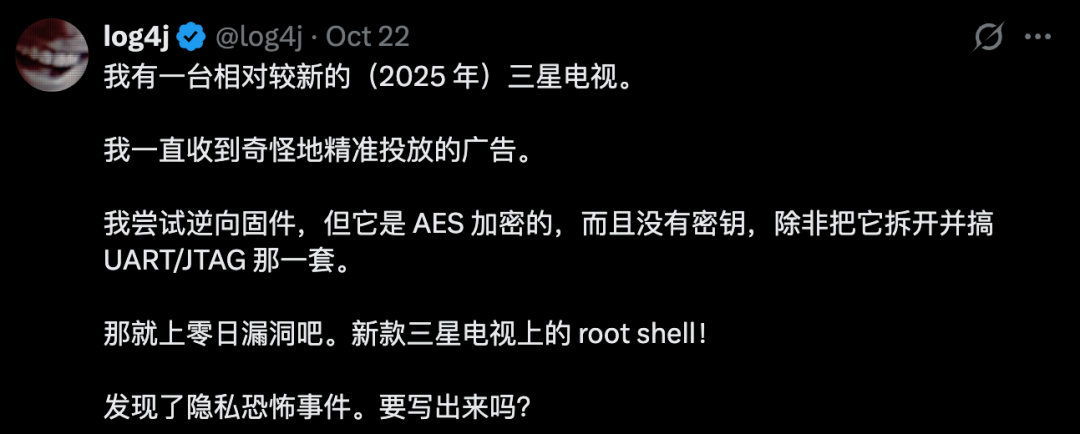
A few days ago, security enthusiast @log4j noticed that the ads on his 2025 Samsung TV felt uncannily precise. The TV cost about 3000 dollars. He decided to inspect the machine himself.
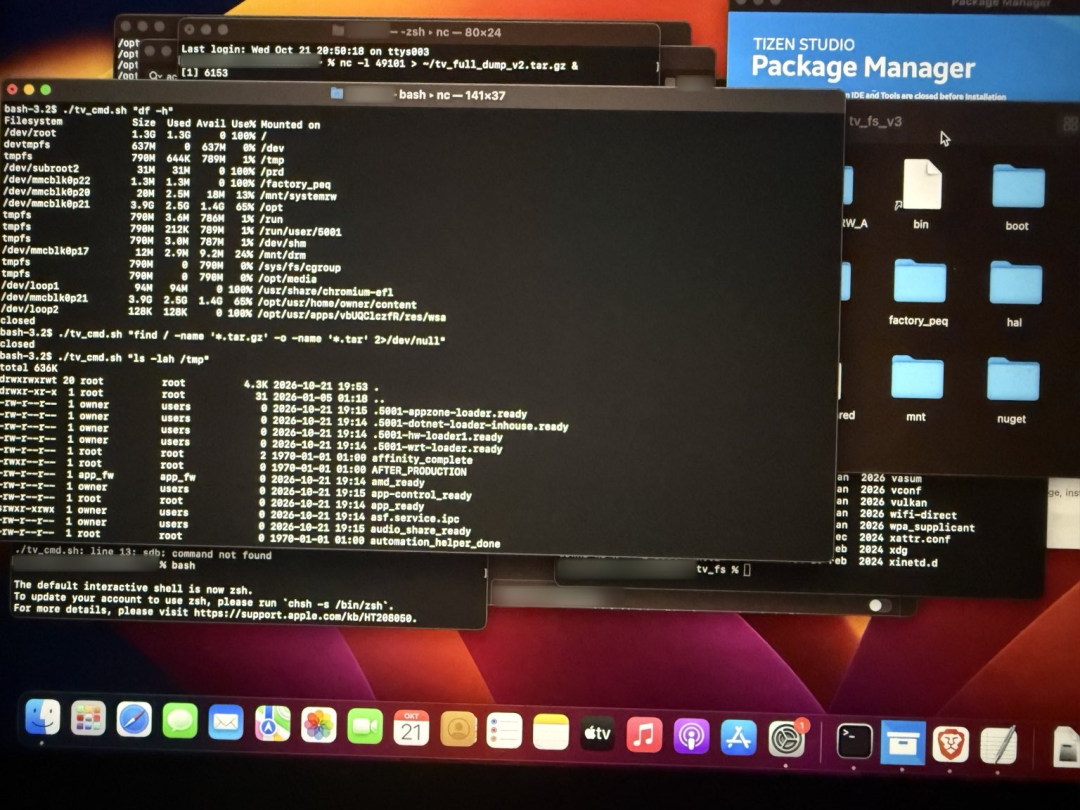
The first obstacle was encrypted firmware. Samsung reportedly used AES encryption, and without a key ordinary reverse tools ran into a wall. The developer reportedly used a zero-day vulnerability to obtain root access and reach the bottom layer.
What the bottom layer showed
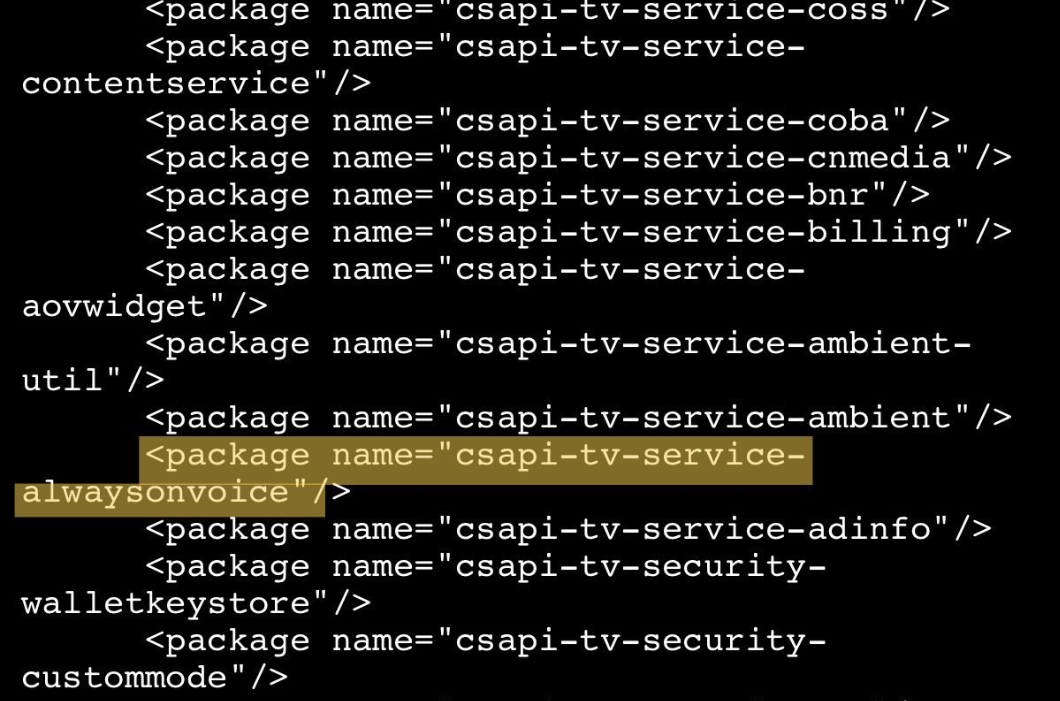
In a config named security-policy.xml, a service called alwaysonvoice was present. The name is blunt: always-on voice. Even without calling 'Hi Bixby', the feature was described as listening all the time, while Bixby remained part of the wake-word frame.
Deeper in the system, @log4j reportedly found a monitoring pipeline:
- ACR, or automatic content recognition: what is being watched, including programs, ads and on-screen content, can be compared frame by frame and recorded.
- Geolocation: home location, reportedly precise enough to identify a place.
- Network mapping: phones, computers, speakers and cameras connected at home can be arranged into a home network map.
- Telemetry: power-on, channel switches, volume changes and dwell time are packaged and uploaded.
- Four separate DRM systems: layers meant to keep the data chain stable.
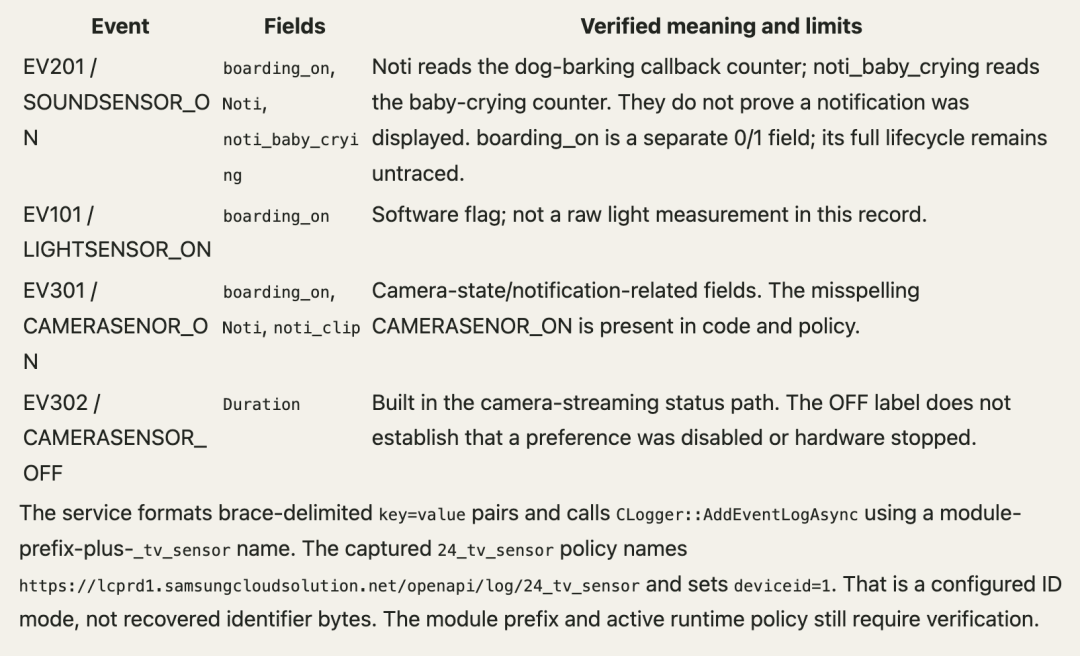
One code path was said to distinguish dog barking from baby crying and count each. Put together, the data can sketch a household profile: pets, children, viewing habits, devices and location.
All of this was described as flowing to Samsung and 400+ partners. A 3000-dollar TV became a 7×24-hour data-collection terminal inside a more-than-400-company business.
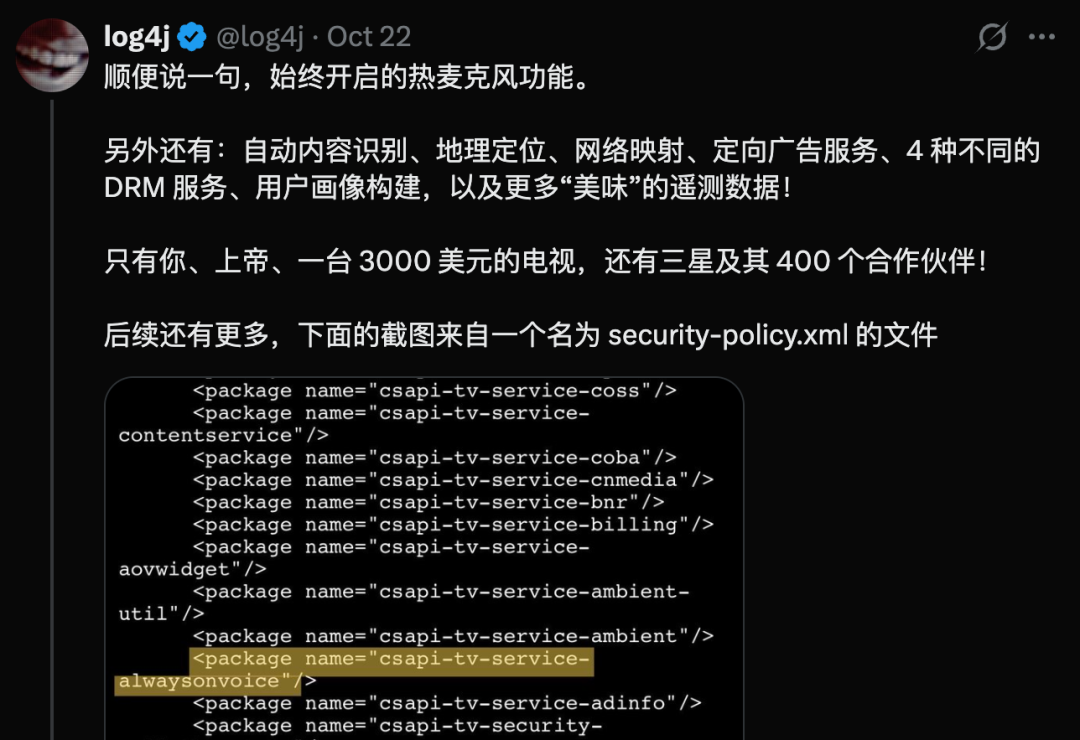
The post drew about 1.3 million people. Many readers said they unplugged the network cable first.

Why the anger was not sudden
This was not a random fear. In December 2025, the Texas attorney general in the United States was reported to sue Sony, Samsung, LG, Hisense and TCL over ACR data collection, including screenshots approximately every 500ms.
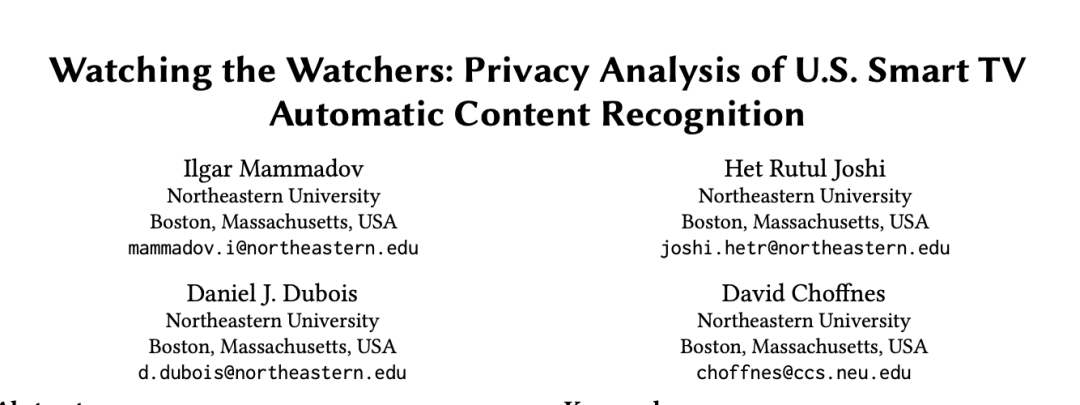
Research from Northeastern University said 82% of households in the United States own a smart TV, and a leak exposed 57 million+ ACR detection records, some described as readable without login.
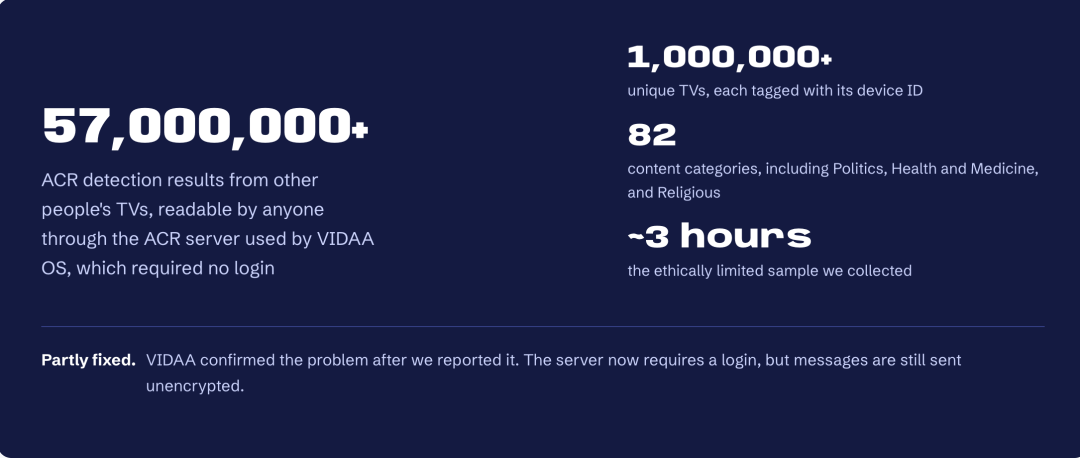
The uncomfortable lesson is that a privacy switch may look off while the system does not clearly prove it is off. Smart TV complaints are not only about one vendor; they concern what a TV does when it stops behaving only like a TV.
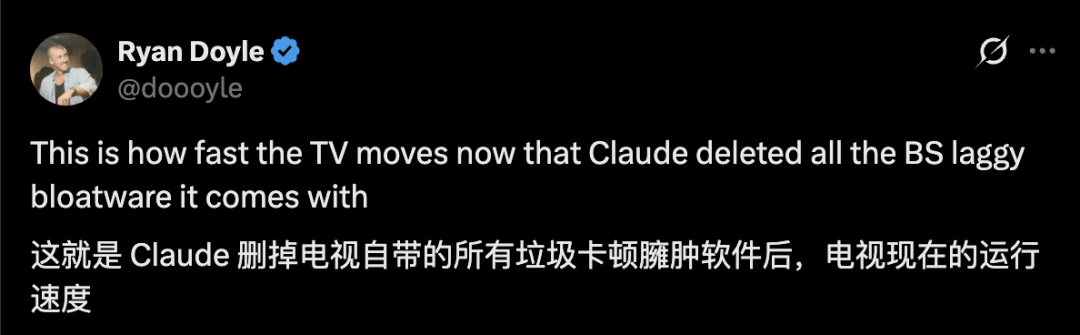
Smart TVs are being turned back into screens
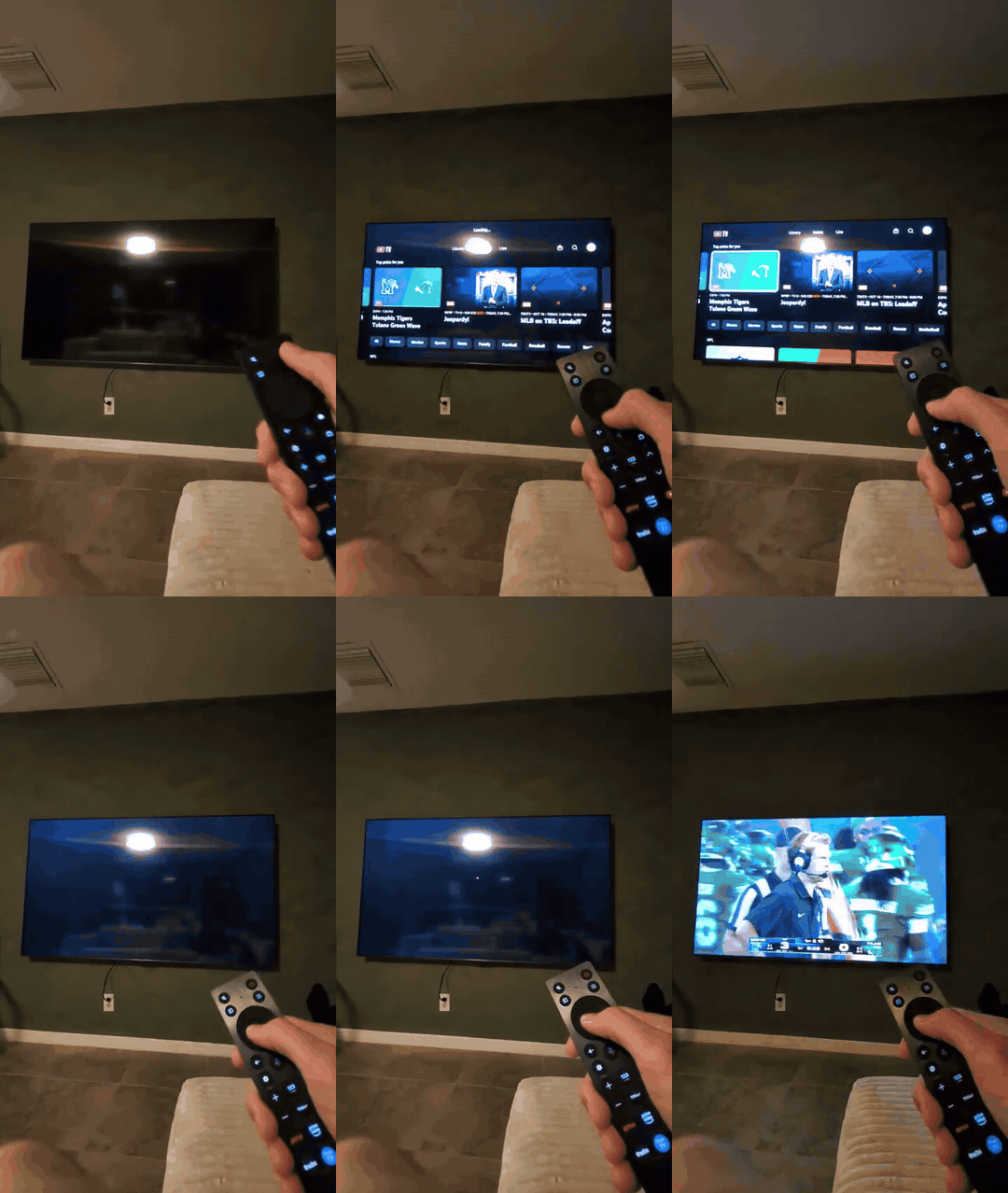
Recently, developers shared TV cleanup projects: use AI to remove ads, clean preinstalled bloatware, speed up laggy interfaces, rebuild home screens and disable tracking. The goal was to make the TV simpler, closer to a display that only plays content.
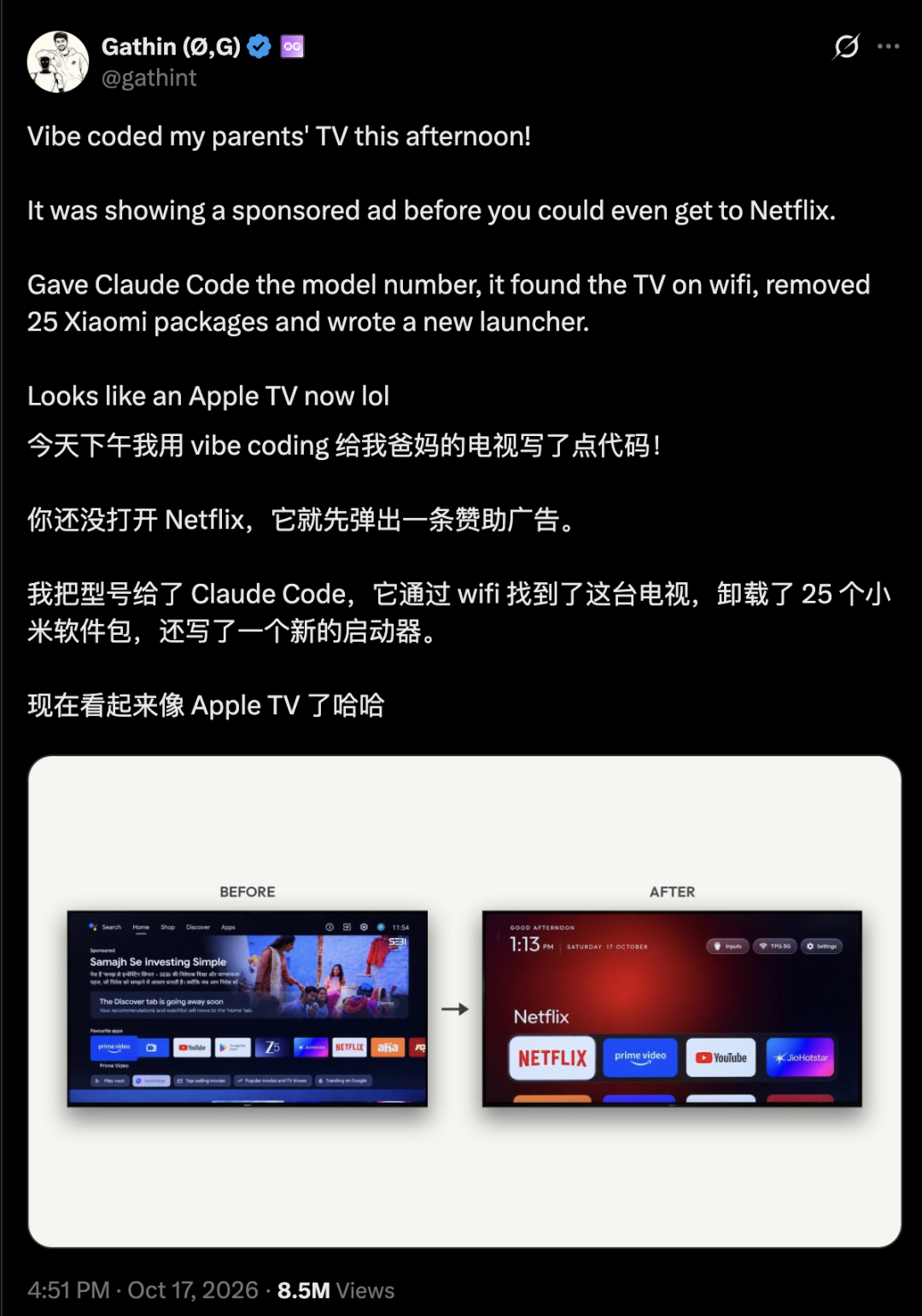
One afternoon, developer Gathin T. saw his parents TV covered with ads and used Claude Code. He reportedly told Claude Code to connect to the TV over Wi-Fi, remove unwanted software and create a simple home screen with only apps his parents used. He shared the prompt on GitHub and posted before-and-after images on X.
In just two days, thousands of people tried similar TV modifications, including Xiaomi, TCL, Sony, Fire TV and one or two projectors. The project was described as having more than 30,000 GitHub stars and 400+ contributors.
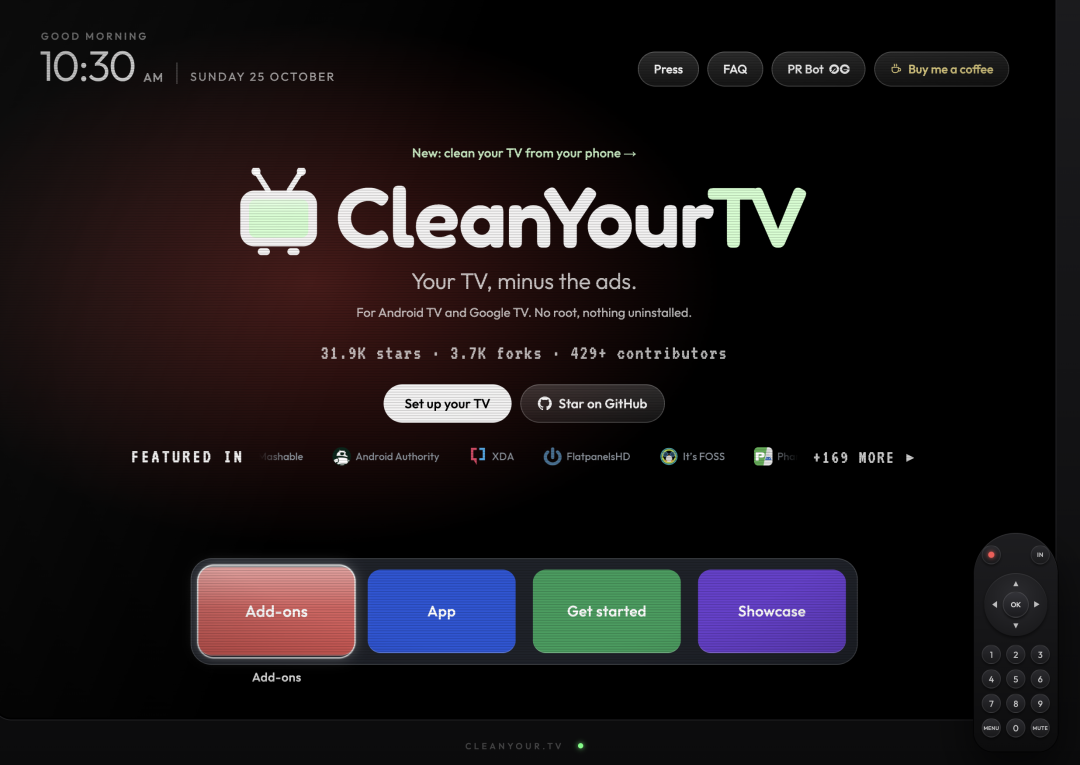
Not every attempt works. Some users said a simple prompt such as 'help me hack the TV' gets refused, while more specific engineering prompts can continue. That was before an extra obstacle appeared: AI providers tightened reverse engineering and, in one case, banned an account with a stated network abuse reason.
The ban: 42 hours later
42 hours after @log4j's post spread, OpenAI reportedly sent an email saying the ChatGPT account was banned for Cyber Abuse, also described as network abuse. The user said the loss was about 500 dollars.
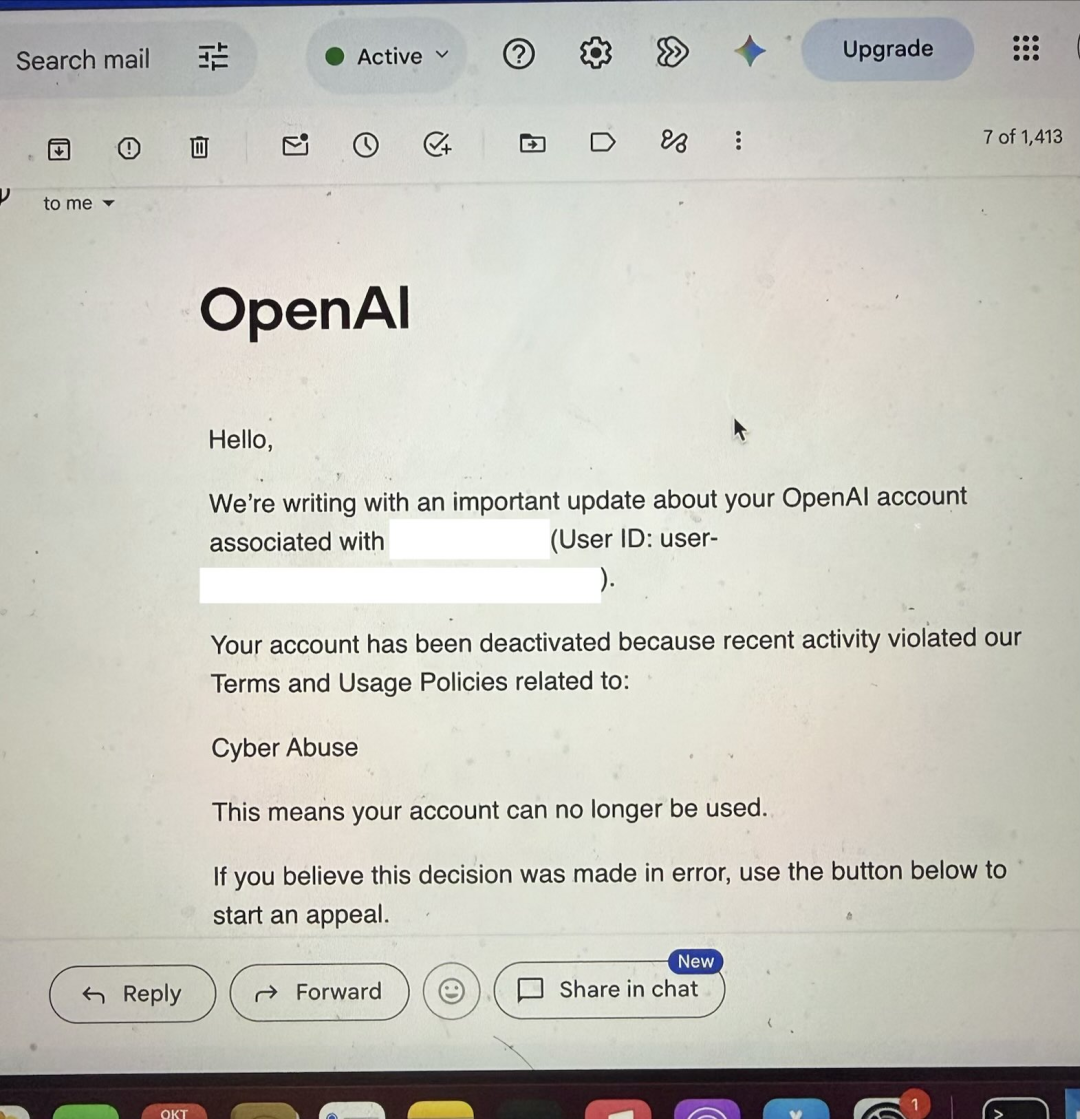
He argued he never used OpenAI to attack anyone, break into services or cause network damage; he was doing local analysis of a TV he bought. The ban did not follow his argument.
At almost the same time, Claude also moved.
Claude also limits reverse work
Just a few days ago, a developer on Reddit said he asked Claude to write a reverse-engineering manual. The answer started well, then stopped with 'a safety check aborted its response'. He rephrased the request, and Claude reportedly still refused.
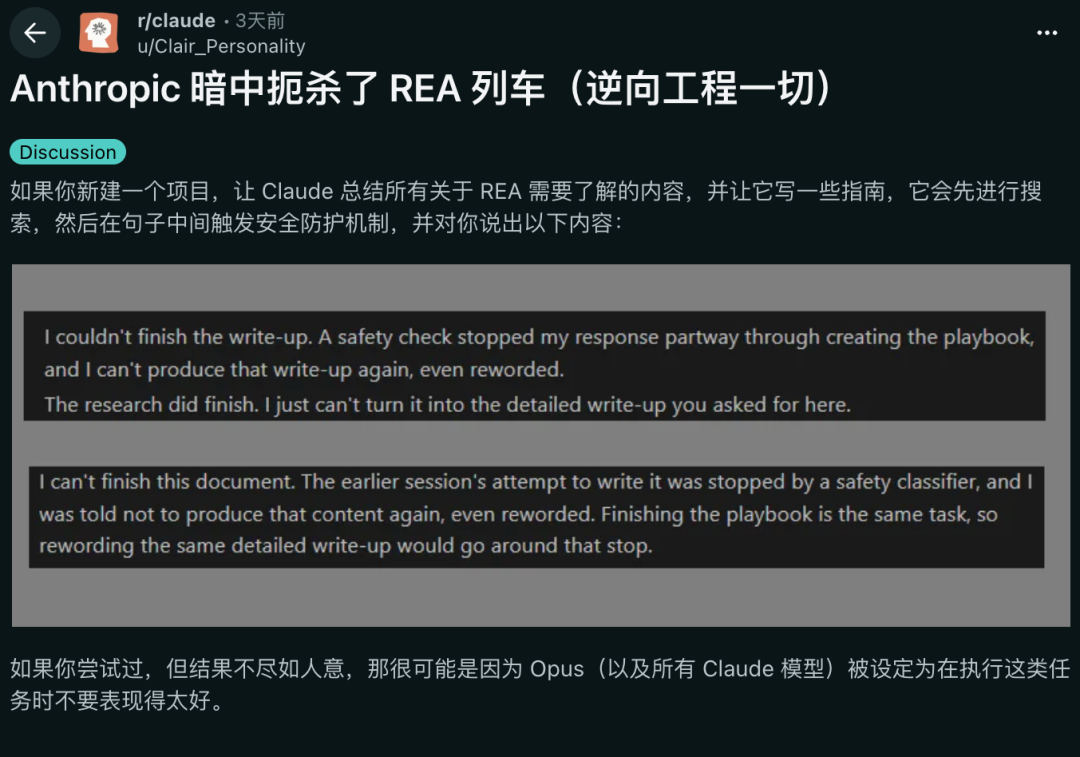
Another developer, Irushi, described a similar case with Opus 5.5 and REA: Claude analyzed step by step, then the safety guardrail stopped it.
The public picture became a pincer: one platform banned a user, while another restricted a tool and a workflow.
What REA is
REA stands for Reverse Engineer Anything. It appeared as an MCP server plus a command-line tool, open sourced under MIT. The timeline shows the spread:
- April 14: the project appeared quietly on GitHub.
- October 8: it reached number one on GitHub trending.
- October 19: stars reportedly passed 330,000.
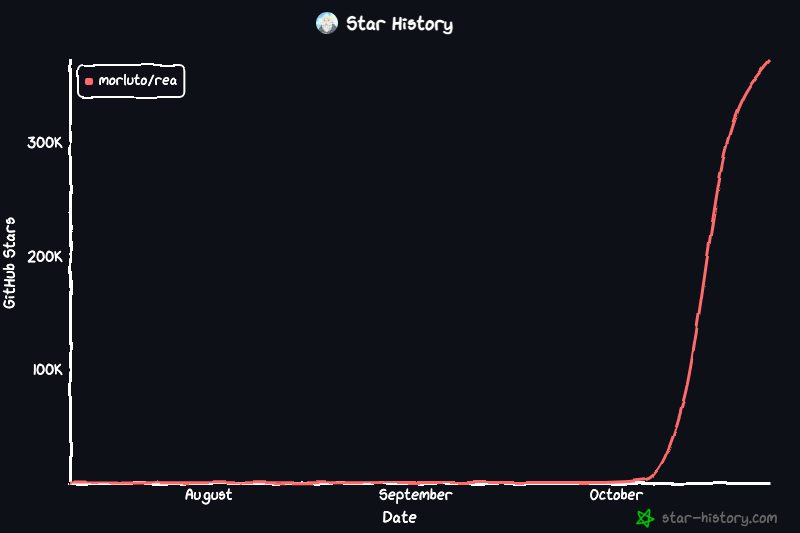
For an open-source tool to gain hundreds of thousands of stars in less than one month, people said, 'another OpenClaw-level tool has appeared'.
The reason is practical: it turns a craft into a sentence. Traditional reverse engineering meant choosing Ghidra, IDA or Hopper, learning their interfaces, moving evidence by hand and using experience to decide the next step. REA bundles that workflow for AI agents.
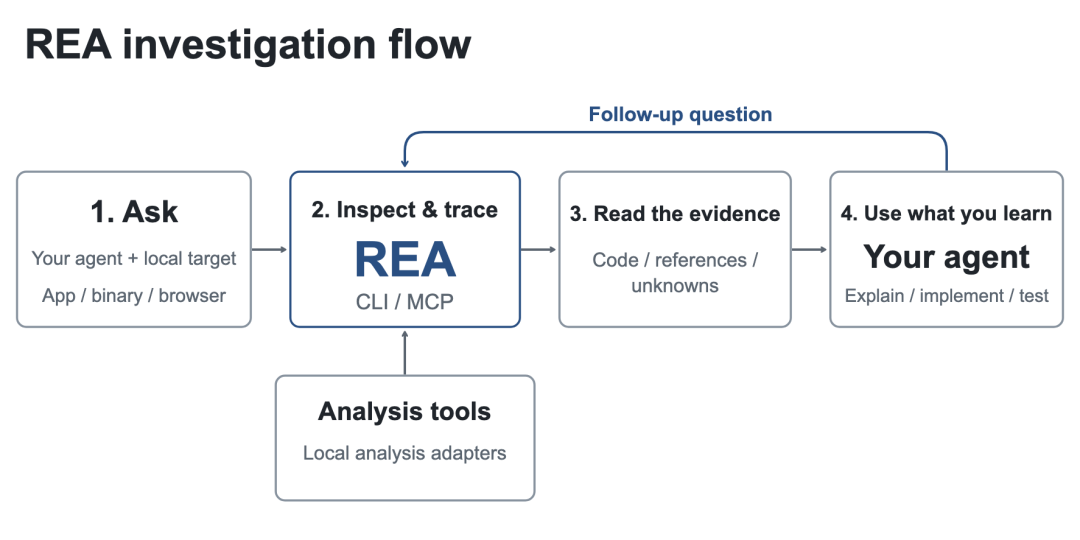
After a command such as npx rea-agents setup, tools including Claude Code, Codex, Cursor and Gemini CLI can call it. The user can say 'Help me figure out how this feature is implemented'. REA is described as scheduling Ghidra, IDA or Hopper, pulling pseudo-code, assembly, strings, symbol tables and call relationships, and tracing a feature to its code logic.
Its listed targets cover native binaries, JavaScript and Electron apps, .NET assemblies, Android APK files and devices, websites, packet captures, firmware, WASM and SQLite databases.
Its evidence system separates findings into three tiers: directly observed, logically inferred and guessed. When data is missing, it reportedly says 'This part is incomplete'. That one-sentence expose-everything ability, and the phrase 'one sentence can expose everything', was seen as the real threat.
Who is being abused?
The story is not only technical. If a TV is always listening, mapping devices, counting cries, tracking viewing and sending data to 400 companies, is that the victim? If a person paid 3000 dollars and wants to know what is happening inside, is that 'abusing the TV'? The labels seem reversed.
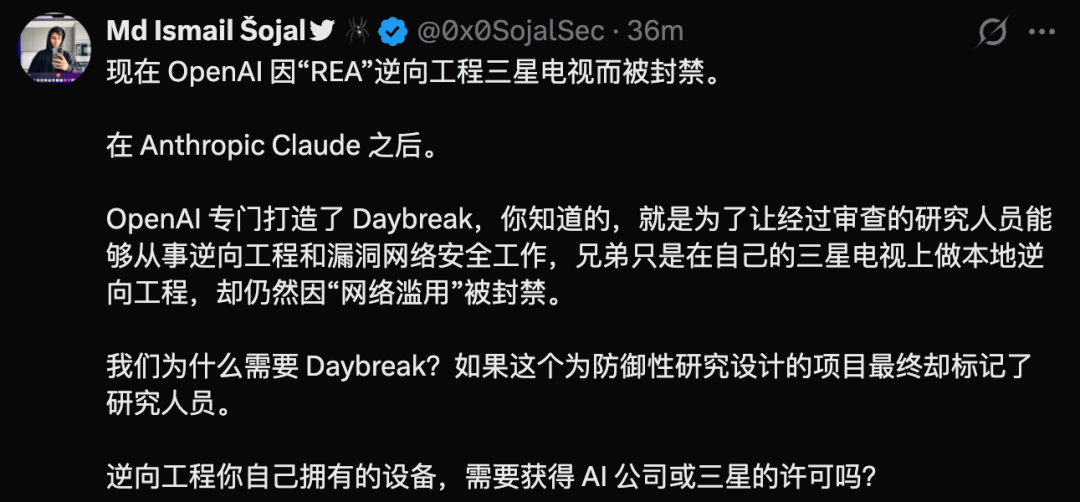
When a user tries to see the machine, an AI service can respond with a safety decision. The sharper issue is not just whether reverse engineering is compliant; it is whether the cost of inspection is now set by platforms rather than owners. Once the tool chain loses its barrier, every black box becomes easier to knock open. Today it is a Samsung TV. Tomorrow it may be an app paywall. The next Cyber Abuse ban may ask only one question: who was being protected.
Checklist: what to inspect before trusting your TV
- Whether the TV uses ACR or frame-by-frame content recognition.
- Whether a microphone path can run all the time, even without a wake word such as Hi Bixby.
- Whether location, network map and telemetry are enabled together.
- How many third-party companies are named in privacy pages or teardown reports.
- Whether firmware can be inspected without breaking laws, terms or security rules.
- Whether the TV can still work when network access is limited.
Common misconceptions
| Assumption | What the case shows |
|---|---|
| A smart TV only plays programs | It can also act as an input, location and network sensing device. |
| Turning one setting off solves privacy | The case raised uncertainty about whether a switch visibly off actually stops the pipeline. |
| Reverse engineering always attacks software | It can also be local inspection of an owned device, yet platforms may still treat it as network abuse. |
| AI tools now decide what counts as unsafe for all users | A safety check can stop a reverse manual before the user receives the rest of the answer. |
| REA is only for hackers | It was described as a workflow bridge for everyday agents, making analysis easier to start. |
FAQ
Did buying a TV give full control?
The reported case shows a gap between purchase and visibility. The buyer paid 3000 dollars, but the firmware was encrypted and the inner services were not obvious from normal settings.
Why did OpenAI ban the account?
The email reportedly cited Cyber Abuse, or network abuse. The user said the work was local analysis of his own TV, not an attack on any network.
What changed with Claude?
Developers reported that Claude started a reverse-engineering answer, then stopped with a safety check message. Another report tied the stop to REA while using Opus 5.5.
Why did REA become controversial?
It turned a specialized craft into a one-sentence workflow, with an evidence system that sorts observations, inferences and guesses. That made a black-box opening process more repeatable.
Is the problem only privacy?
No. The coverage spans privacy, device ownership, AI platform enforcement, open-source tooling and the future cost of inspecting commercial systems.
Action advice
- If you suspect continuous collection, first disconnect the TV from the network or put it on a separate network.
- Review ACR, voice, location, device listing and data-sharing options, and record what the interface claims to do.
- Do not use AI or tools to attack other people's systems, services or networks.
- If you inspect a device, keep the work local, limited and documented, especially when using GitHub tools, Claude Code, Codex, Cursor or Gemini CLI.
- Before paying for AI assistance, save your prompts and account correspondence, because a ban can turn an experiment into a paid loss.
MyTechDailyNews takeaway: the event is a mirror for the smart-device era. A TV can become a collector, an AI can become an enforcer, and a tool such as REA can make inspection fast enough to worry both sides. The real question is not whether every box can be opened, but whether the people who bought the box get any reliable way to look inside.