
MyTechDailyNews Guide: Migrating from Microsoft's Free Office 365 A1 to A0-A7 Licenses by 2028
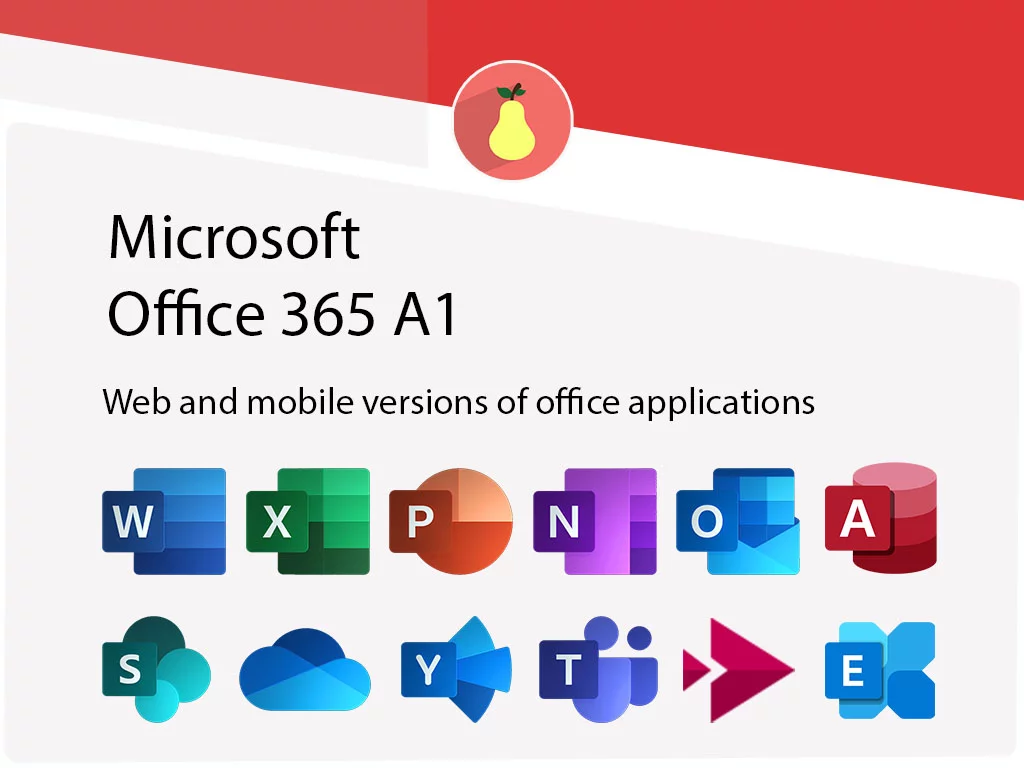
Microsoft is ending free Office 365 A1 for education, with retirement beginning on January 1, 2028. Schools may keep existing A1 rights until their next contract renewal, then move to A0, A2, A3, A5 or A7 plans. The fixed 100TB storage pool is replaced by license-based capacity, so IT teams should audit users, storage and renewal dates now.
What exactly is changing in Microsoft's education licensing?
Microsoft Office 365 A1 was the free product schools used to give eligible teachers and students access to Microsoft Office web apps, mailboxes and collaboration. Student Use Benefit extends some paid faculty licenses to students. Microsoft now says both A1 and Student Use Benefit will be phased out from January 1, 2028.
The practical meaning is simple: A1 will not disappear overnight. A school can keep current rights inside an existing agreement, but when that agreement reaches its first renewal or extension on or after January 1, 2028, A1 cannot be renewed. The institution must replace affected users with eligible new education subscriptions. Microsoft's licensing overview also lists Office 365 A1 end of sale on May 1, 2027 for CSP and Volume Licensing partner channels, while public announcement coverage states that Web Direct sales ended on November 5, 2026.
Alumni mailboxes are also affected. Microsoft plans to retire the free alumni mailbox option at the same time as A1 and Student Use Benefit. Schools that want to keep graduate email addresses need a paid alumni plan or another identity strategy.
When do schools need to act?
Schools should work backward from renewal dates, not just from the 2028 headline. The timeline below gives the most practical planning checkpoints.
- December 1, 2026: the A2 subscription becomes available. Schools that want a low-cost paid layer can start price and scope evaluation.
- November 5, 2026: Web Direct sales of Office 365 A1 ended, according to announcement reporting.
- May 1, 2027: Office 365 A1 stops being sold through CSP and Volume Licensing partner channels.
- January 1, 2028: A1, Student Use Benefit and the free alumni mailbox enter retirement; the first renewal or extension on or after this date triggers the 100TB change.
This order matters because a school that renews in 2027 can still sign a contract that lasts beyond 2028, while a school renewing in 2028 must move immediately. IT teams should list every agreement, enrollment date and contract end date before choosing licenses.
How does storage work after 100TB is removed?
The storage section is the part most likely to surprise schools. Today, an education tenant has a 100TB base shared pool for Microsoft OneDrive, SharePoint and Exchange. Some paid licenses add more capacity to the same pool. Under the new rules, that 100TB base is removed from the first renewal or extension on or after January 1, 2028. Capacity becomes a calculation based on paid faculty and student licenses.
| Subscription | Storage per student license | Storage per faculty license |
|---|---|---|
| Microsoft 365 A2 subscription | 4GB | 50GB |
| Microsoft 365 A3 subscription | 8GB | 75GB |
| Microsoft 365 A5 subscription | 12GB | 150GB |
| Microsoft 365 A7 subscription | 12GB | 150GB |
Example: 1,000 students on Microsoft 365 A3 subscription plus 50 faculty on Microsoft 365 A5 subscription would produce 8,000GB, or about 8TB, from students and 7,500GB, or about 7.5TB, from faculty, for roughly 15.5TB before add-ons. If the same school previously relied on the 100TB base pool, the gap is obvious.
Microsoft's published storage guidance says institutions can buy additional pooled storage in 10TB increments, and administrators should model user counts, license mix and projected storage before renewal. This creates three practical options: buy more licenses, buy storage add-ons, or reduce demand through cleanup, retention policies and archiving. Free A0 student licenses do not add their own storage quota, so their usage still comes from the school's pool, making A0 suitable mainly for lighter workloads.
Which A0 to A7 education licenses fit which school?
The new A0 to A7 education licensing combination lets schools mix plans instead of forcing every person onto the same subscription. The choice depends on whether the user needs a mailbox, SharePoint, Teams and advanced security.
- A0 subscription: free for qualifying students when the school buys A2 subscription or higher for all faculty. It includes Microsoft Office desktop and web apps plus basic learning tools. It is suitable for students who need documents but not a school mailbox or school SharePoint site. Schools that need Teams, Exchange or SharePoint must look at paid versions.
- A2 subscription: a paid base for faculty and students who need mailboxes and collaboration. It contributes less storage than higher plans.
- Microsoft 365 A3 subscription: suitable for schools that want more security, device management and storage contributions.
- Microsoft 365 A5 subscription: suitable for institutions with heavier security, analytics and governance needs.
- A7 subscription: aimed at schools needing advanced AI, security and device management. It has the same per-license storage numbers as A5 in the published table, but it targets a broader platform and security stack.
For general education readers, the key point is that a free A0 plan is not a drop-in replacement for Office 365 A1 if the school depends on Teams, school email, SharePoint pages or student mailboxes.
A step-by-step migration checklist
Because this is a licensing and storage change, the safest approach is a small project plan rather than an emergency upgrade.
- Inventory users: count active Office 365 A1 accounts, Student Use Benefit users, alumni mailboxes, shared sites, and dormant accounts.
- Inventory storage: export usage by Microsoft OneDrive, SharePoint and Exchange, including largest libraries, old video files and mailboxes.
- Map renewal dates: identify which contracts end before or on January 1, 2028 and which renew later.
- Build a license matrix: decide which faculty need A2 subscription, which students need A0, and which groups need A3, A5 or A7.
- Calculate storage: apply the table above, then add a 12-month growth estimate for course files, research data and Teams recordings.
- Run a pilot: migrate one department, one teacher group and one student year before full rollout.
- Choose a fallback: if capacity is too small, compare 10TB add-on packs against upgrading licenses; clean old data before paying for storage.
- Communicate: tell students and staff what will change, when mailboxes or apps stop, and what files must move.
Common pitfalls and how to avoid them
- Waiting until the renewal email arrives. The transition touches identities, mail, files and sites, so a late decision can create downtime.
- Assuming A0 can replace A1. A0 can provide Office apps, but it is not intended to cover every school's Teams, Exchange or SharePoint workflow.
- Buying licenses by student headcount only. Faculty licenses contribute more storage, and the A2 requirement for all faculty may change the total cost.
- Forgetting alumni email. Free alumni mailboxes are retired, so graduation and alumni relations teams need a separate plan.
- Deleting files too late. Storage cleanup is cheaper than emergency add-ons, but it requires owner review and retention rules.
FAQ: student and IT questions about the A1 retirement
Q: Will students lose Microsoft Office immediately on January 1, 2028?
A: Not necessarily. Existing agreements continue through their current term. The change takes effect when the school enters its first renewal or extension on or after that date.
Q: Is A0 still free?
A: A0 subscription is free for qualifying students, but the school must purchase A2 subscription or higher for all faculty. It is closer to a lightweight student app plan than a full school collaboration suite.
Q: What happens to the 100TB storage pool?
A: The 100TB base pool is removed for institutions renewing or extending on or after January 1, 2028. Schools must then calculate capacity from paid licenses and any add-on storage.
Q: Can a school buy more storage instead of moving everyone to a higher license?
A: Yes. Microsoft's education storage guidance describes purchasing additional pooled storage in 10TB increments. The right choice depends on whether the storage gap is temporary or structural.