
Nvidia's $1.4 Trillion Slide Is Now a Data-Center Politics Story
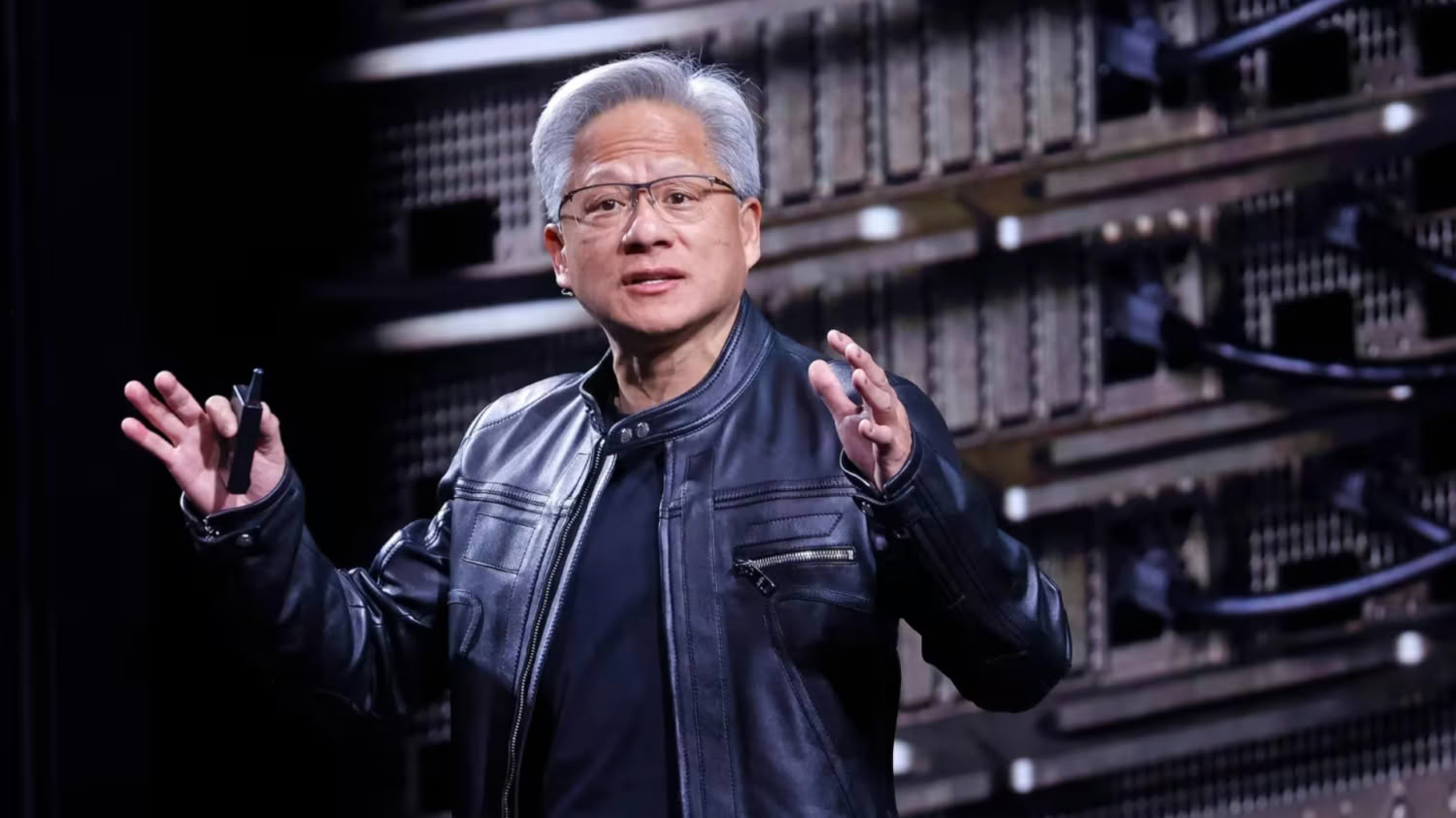
On Thursday, Nvidia fell 9.26% to $181.60, leaving its shares about 25% below the Oct. 6 closing peak of $243.37 and erasing nearly $1.4 trillion in market value. The selloff is no longer a simple earnings wobble: Citi Research's tally of more than 500 U.S. data-center bans or pauses as of October, versus almost zero in mid-2025, has turned AI infrastructure permitting into a direct market risk.
What happened to Nvidia's stock value on Thursday?
The short answer: a sharp single-day loss pushed Nvidia past a widely watched bear-market threshold while the company's longer performance record still looks mixed.
| Measure | Latest figure | Why it matters |
|---|---|---|
| Thursday close | $181.60 | Shares fell 9.26% in the session. |
| Peak-to-trough drop | about 25% | Measured from the Oct. 6 record close of $243.37. |
| Single-day market-value loss | $446.94 billion, rounded to nearly $450 billion | Shows how quickly AI-linked valuations can move when policy risk rises. |
| Cumulative peak loss | $1.39 trillion, nearly $1.4 trillion | The broader repricing since October. |
| Year-to-date move | down 2.40% | Thursday did not erase the year's entire performance, but it changed its tone. |
| Past-year move | down 6.75% | Even a company viewed as an AI leader can lag over a 12-month period. |
For general readers, the table matters because it separates two questions: whether Nvidia's business is deteriorating today, and whether investors' assumptions about tomorrow's build-out have become less certain. The market's reaction suggests the second question is dominating.
Why are data-center restrictions suddenly a tech-stock issue?
Because Nvidia's growth story is not just "sell more GPUs." It depends on a physical chain: land, electricity, cooling, permits, construction crews and financing for data centers. When local governments or state leaders slow that chain, investors begin discounting future demand even if current orders remain unchanged.
Citi Research has been the most widely cited source for this shift. As of October, it counted more than 500 bans or pauses on data centers across the United States, compared with almost zero in mid-2025. That is a change in atmosphere as much as law: it signals that AI facilities may no longer receive automatic approval in every community.
Texas is the clearest example. Democrat Gina Hinojosa defeated incumbent Greg Abbott after pledging during her campaign to pause all data-center approvals until lawmakers pass protective measures. Market reporting has also highlighted Texas' outsized role: the state's planned data-center pipeline has been described as about 125 GW, around 27% of the national total, which makes a pause there particularly visible to investors.
At the national level, Independent Sen. Bernie Sanders renewed a call for a nationwide pause after the midterm elections. Rep. Yassamin Ansari, an Arizona Democrat, urged her party to push a ban artificial superintelligence. That phrase sounds speculative, but Congress.gov's listing of H.R. 10538, the Ban Artificial Superintelligence Act of 2026, shows the issue has moved from slogan to legislative text. The market's point is simple: if advanced AI projects face new legal gates, the demand forecast for compute may need to be tested.
Nvidia's own filings already describe some of this machinery. A public SEC filing associated with Nvidia lists power or water shortages, land or permitting constraints and regulation as risks to its data-center platform. The company does not need to be blamed for a local zoning fight for investors to worry that its customers may take longer to turn purchases into operating data centers.
What does Jim Cramer's buyback argument add?
Jim Cramer, a prominent U.S. finance host, argued on X that Nvidia should buy back shares if its stock has become the market's best value asset. He added: “Nvidia can move in to buy back shares, keep scaling that up, or simply let the stock fall further.” In another post that day, he pointed to a $235 billion buyback authorization as evidence that the company has firepower.
A buyback can support confidence by reducing shares outstanding, signaling management conviction, or offsetting supply when prices fall. But it cannot reverse a permitting slowdown, create electricity or change whether a community approves a facility. That is why the debate is less about arithmetic and more about narrative: bulls say cheap stock is an opportunity; skeptics say the reason for cheapness is the new risk.
Founder ETFs portfolio manager Michael Monaghan framed the same moment as investors “sorting out the economic reality of AI infrastructure as an economic driver” after the midterm elections. This quote helps general readers understand the market mood: the selloff is not necessarily about last quarter's sales, but about whether the next two years of infrastructure spending will be approved, financed and powered.
What should everyday tech users notice?
- AI features may arrive unevenly. If data-center capacity is delayed by permits or grid constraints, newer AI services may show up first in regions or companies with enough power.
- Utility politics becomes tech politics. More than 500 local restrictions in one year suggest that water, land and electricity issues are now part of technology discussions.
- Buybacks are a finance tool, not a product update. A company can return cash without changing the demand curve for its hardware.
- Watch policy language, not just stock price. Terms such as pause, moratorium, ban artificial superintelligence, permitting and interconnection explain the move better than another earnings headline.
Three common misconceptions
- Misconception: a 25% drop proves AI is collapsing. Evidence: the drop measures a repricing of expectations, not proof that AI use has stopped. Year to date Nvidia was still down only 2.40%, while past-year performance was down 6.75%.
- Misconception: the controversy is only about one superintelligence bill. Evidence: the more immediate issue is local and state control over data centers, from Texas approvals to U.S. moratorium counts.
- Misconception: buybacks will solve the stock. Evidence: buybacks may support shares, but Nvidia's own filing lists power, water, land, permitting and regulation as operational risks.
Next steps readers can take
- Follow state-level AI infrastructure stories, not only national debates.
- Read company risk disclosures for keywords such as power, permitting, data center and regulation.
- Treat a large buyback as a balance-sheet action, not proof that demand has improved.
- Check the timing of policy actions: October data-center restriction counts, Thursday's selloff and post-midterm proposals are linked but not identical.
FAQ: The Nvidia story in plain English
Is Nvidia officially in a bear market?
It entered technical bear-market territory because the shares were about 25% below the Oct. 6 closing high. The label describes price behavior, not bankruptcy or product failure.
Why did Citi Research's 500-case figure matter?
Because it showed how fast political risk moved from background noise to a countable, market-relevant statistic. More than 500 cases as of October, versus almost zero in mid-2025, changed the assumed speed of AI build-out.
Did Thursday's loss erase all Nvidia's gains?
No. Year to date, the stock was down 2.40%; over the past year, it was down 6.75%. The loss is severe in market-value terms but does not tell the whole history.
What is Jim Cramer asking Nvidia to do?
He asked the company to buy back stock, saying “Nvidia can move in to buy back shares, keep scaling that up, or simply let the stock fall further.” His point is that low prices can create an opportunity for repurchases.
What should I watch next?
Watch Texas approvals, federal data-center regulation proposals, and Nvidia's own discussion of power, permitting and financing in official filings. Those items translate stock fear into real-world constraints.
References
- Citi Research count cited in market reporting on Nvidia's Thursday decline, https://xueqiu.com/9252950692/415832630
- Texas data-center pipeline estimate, https://wap.eastmoney.com/a/202611063924750411.html
- Ban Artificial Superintelligence Act of 2026, Congress.gov, https://www.congress.gov/bill/119th-congress/house-bill/10538/text
- Nvidia SEC filing, https://www.sec.gov/Archives/edgar/data/1045810/000104581026000021/nvda-20260125.htm
- Jim Cramer X posts on buyback, https://x.com/jimcramer/status/2118360971605385348