
Case Replay: How Mars Snacking Tested Its Brands Inside AI Shopping Answers — and Rebuilt Commerce Around Them
Mars Snacking is not waiting for AI shopping to become the default. It is auditing how its brands appear in AI-generated answers and rebuilding its commerce teams so those appearances can be measured and acted on. The effort, led by global chief customer officer Neil Reynolds, is a baseline exercise — not proof that agents are already buying groceries for Mars customers.
The case is worth replaying because it shows a large consumer-goods business treating AI discovery as an organizational problem before treating it as a media buy. Here is what Mars tested, what it changed, where the gaps are, and what is worth copying.
What Mars Snacking actually tested
The starting point is research, not a product launch. In October, Mars published its Future Snacking Shopper Journey analysis, developed with Kantar and Synthesis and built on 11 stakeholder and shopper/channel expert perspectives. It projected two parallel developments: routine purchases handled automatically, and physical stores becoming more experiential.
The newer disclosure concerns the response. Mars is exploring partnerships with emerging technology companies to understand how products surface in large language models and which information sources sway those results. Reynolds put the central question this way: "how do we make sure our brands are discoverable by the LLMs". His answer was not a finished optimization system — it was a baseline.
Why AI discovery is becoming a shelf-space question
Consumer brands have long competed for search visibility, retail listings and prominent in-store positions. An AI shopping assistant adds another layer between a shopper's request and the products that get considered.
An AI shopping assistant may have no aisle, yet it still shapes which products enter consideration.
That is why source quality matters more than it used to. Product descriptions, retailer catalogues, availability information and other underlying records can influence how a brand is represented in an answer. Mars has not disclosed which sources it found most influential, and it has not published measured evidence that its visibility improved.
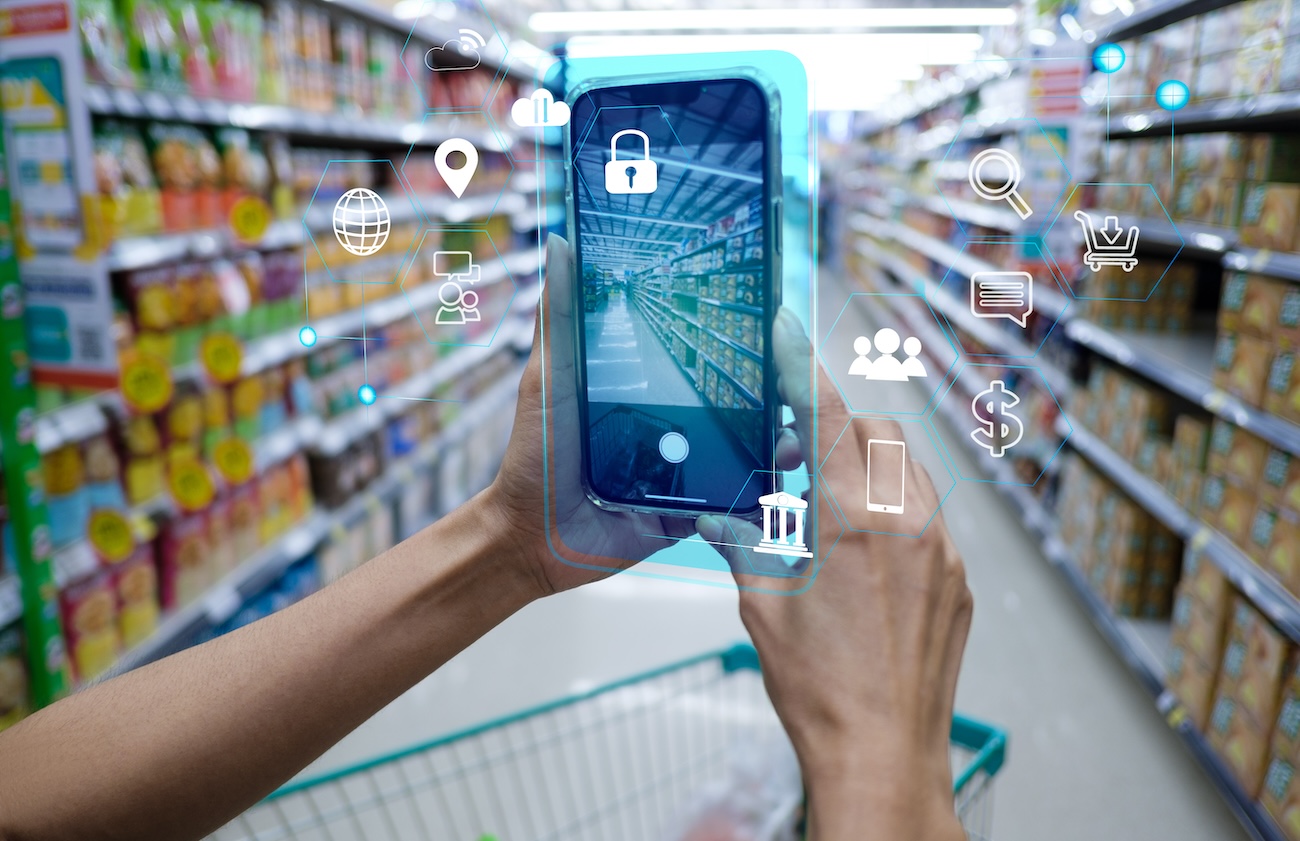
AI search visibility has an attribution problem — AI search attribution is pushing marketers to combine visibility data, first-party signals, and modeling to estimate how answer-engine presence affects revenue. (ContentGrip)
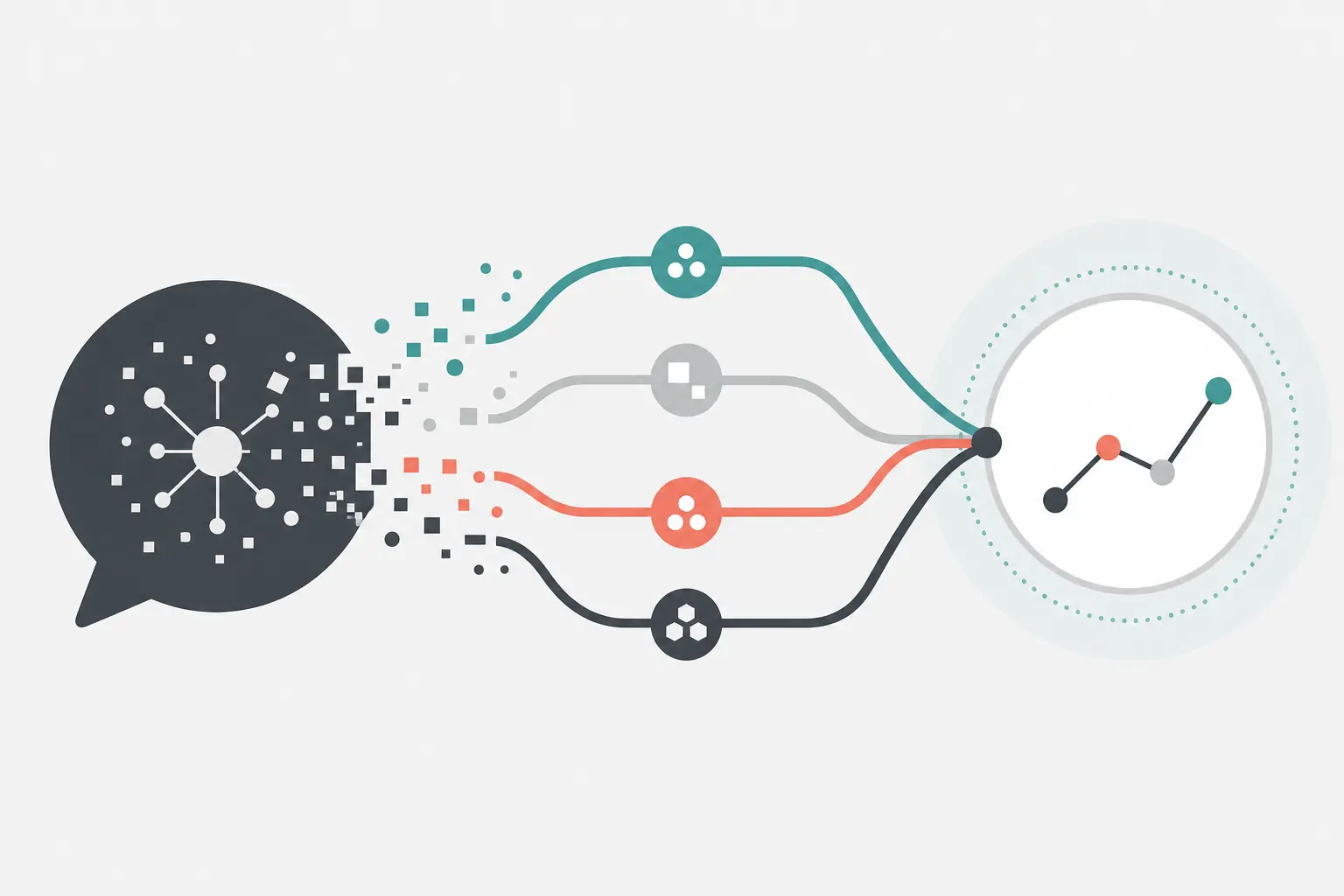
For marketers, the gap between being mentioned and being purchased matters. Mars treats discoverability and conversion as connected but separate problems, rather than assuming that better AI visibility automatically produces growth.
One Demand squads: who now owns the answer
Mars is also changing who works on the problem. Reynolds described forming One Demand performance squads that unite brand management, consumer insights, key accounts, category teams and agency partners. The structure links the people accountable for consumer demand with those closer to retail execution.
That is a weightier response than handing AI search to an SEO specialist. The brand team may grasp positioning, the account team may grasp retailer requirements, and the data team may spot gaps in product information. An answer generated outside any single one of those teams still rests on decisions made across all of them.
Part of the infrastructure predates the interview. In June 2025, Mars appointed Publicis to lead connected commerce and several other marketing functions. Reynolds now frames the partnership as a route to linking media, commerce and relevant data more tightly. The agency arrangement is not a new deal, and Mars has not attached any new financial or performance result to its AI-shopping work.
The store is not going away
A familiar assumption about agentic commerce is that less manual shopping must mean fewer impulse purchases. Mars is preparing for the opposite possibility: automated replenishment of routine items coexisting with stores that offer discovery, experiences and reasons to try something new.
The distinction carries particular weight for snacks. A product bought on a predictable weekly cycle poses a different marketing challenge from a spontaneous purchase prompted by an in-store display or an unexpected flavor. Mars is discussing store-of-the-future ideas with major retailers, while weighing how technology teams on both sides should work together.
The company has not named a specific new store format or a measured lift in impulse purchases. These are strategic planning conversations, not evidence of a completed rollout.
Mars vs Instacart vs Google: three different milestones
The wider commerce market offers different starting points.
| Player | Approach | Where it sits |
|---|---|---|
| Instacart | ChatGPT shopping integration: users browse, build a cart and check out inside ChatGPT, with more than 1,800 retailers available | Transaction pathway |
| Universal Commerce Protocol, an open standard co-developed with partners including Shopify, Etsy, Wayfair, Target and Walmart | Technical connection for AI-led commerce | |
| Mars Snacking | Auditing brand presence in assistant answers and rebuilding commercial teams | Earlier in the advertiser's process |
The comparison matters because platform integrations and brand readiness are not the same milestone. Retailers can make automated transactions possible without resolving every product-information or measurement challenge that advertisers face.
FAQ
Is AI already buying groceries for Mars customers?
No. Mars describes exploratory work to understand how its brands appear in model outputs. There is no evidence yet that shoppers are delegating purchases at scale.
What is One Demand?
Mars's term for performance squads that combine brand management, consumer insights, key accounts, category teams and agency partners, so discovery decisions are not owned by a single function.
Does agentic commerce kill impulse purchases?
Mars does not think so. It is planning for automated replenishment of routine items alongside stores built for discovery and experience — a distinction that matters most in categories like snacks.
Can you measure whether an AI mention leads to a sale?
Not cleanly yet. A mention in an assistant answer is not an order, and any claim about incremental sales needs a clearer link between recommendation exposure, retail action and the resulting purchase.
Should AI search be handed to an SEO specialist?
Based on Mars's structure, no. The work crosses brand, category, account and agency boundaries, and product information quality sits outside marketing altogether.
Checklist: what to do before AI shopping scales
- Visibility needs a baseline. Audit how your brand appears in model outputs and which sources are involved before reading fluctuations as performance gains.
- Commerce data crosses team boundaries. Assess brand, category, account and agency decisions together when discovery shifts across platforms.
- Physical retail still has a role. Automated replenishment is not the same thing as product discovery; sampling and merchandising depend on the shopping occasion.
- Attribution remains unsettled. Treat assistant mentions as influence signals until you can connect exposure to a purchase.
- Claim the record where platforms allow it. If your brand is missing from a platform's business layer, fix it at the source — claiming your business in ChatGPT is one example of that baseline work.
Common misconceptions
- "If the assistant names your brand, the sale is yours." Visibility is not conversion, and Mars is treating them as separate problems.
- "Agentic commerce means the store disappears." Mars is planning for replenishment and experience to coexist.
- "Buying an AI-visibility tool is the same as being ready." Tools do not fix product data, retailer cooperation or measurement.
The verdict: borrow the discipline, not the org chart
What is worth copying from Mars is the sequence: measure the baseline, then reorganize around it. The One Demand squad model is a plausible template, but the honest lesson is more modest — AI commerce deserves attention before any single assistant becomes a dominant purchasing interface, and preparation is not the same as proven consumer adoption.
If you do one thing this quarter, audit how your brand appears in AI-generated shopping answers and fix the product records that feed those answers. Then decide whether your teams are organized to act on what you find. That is the reusable part of Mars's early work, and it does not require waiting for the future to arrive.
Reference sources
- Mars — Future of shopping and retail research (with Kantar and Synthesis)
- ContentGrip — Why AI search visibility is hard to attribute
- OpenAI — Instacart and OpenAI partner on AI shopping experiences
- Google — Universal Commerce Protocol (UCP) merchant guide
- Digiday — Mars prepares for the rise of AI grocery shopping