
MyTechDailyNews Practical Guide: iPhone Duo Wait, AppleCare Steps and Common Mistakes
Reuters reported on Monday that Apple CEO John Ternus, speaking after Apple’s earnings update, said the company still cannot meet demand for iPhone Duo and does not have a timeline for when supply and demand will balance. For everyday readers, the headline is not simply that a foldable iPhone sold out; it becomes a practical buying question: should you wait, keep your pre-order, add coverage, or step back from the purchase.
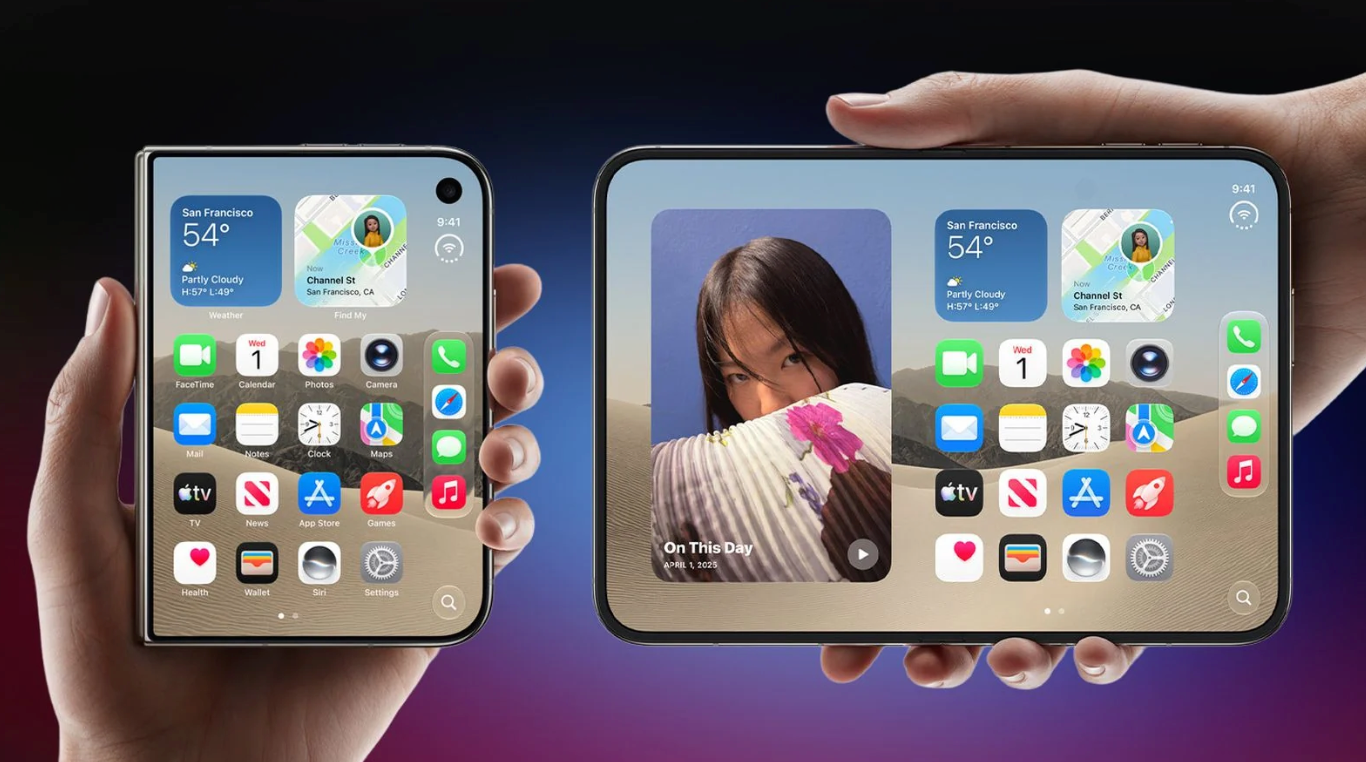
Ternus’s own wording makes the uncertainty clear. He said: “As of now, iPhone Duo remains supply constrained. Capacity ramp-up is going well, and we are working hard to get it to as many customers as quickly as possible. But we cannot predict when supply and demand will reach balance.” He added that units returned because of display problems were a very small percentage of the population and that Apple is replacing affected devices.
What changed since the launch window
Customers ordering today are pointed to delivery next January, while stock that an Apple retail store can reserve online has become thin. The situation has shifted from a first-day rush into a longer service and expectation problem. A second signal comes from Apple’s fiscal fourth-quarter update: the company’s investor-relations page listed the FY26 fourth-quarter earnings event on November 2, 2026, and the reported quarter covered the period ended September 26, 2026, before iPhone Duo was fully on shelves. Public earnings summaries placed September-quarter revenue at $114.5 billion, up about 12 percent year over year, with diluted earnings per share of $2.10. Because the foldable launched after the quarter closed, its sales did not materially explain those numbers.
Fast timeline for readers
| Moment | What happened | What it means for you |
|---|---|---|
| October 16 | Apple’s iPhone Duo launch page says customers could begin pre-ordering on apple.com and in the Apple Store app from 5 a.m. PT. | If you missed the first reservation window, you are likely in a queue rather than shopping for a same-day product. |
| Launch window | iPhone Duo became available, while display-issue reports began circulating. | Check service paths before relying on the device every day. |
| After earnings update | Reuters quoted John Ternus saying the device remains supply constrained with no balance timeline. | Keep your order confirmation, serial number, and AppleCare status in one place. |
| Next January | Current order delivery window cited in the report. | Plan travel, gift dates, and work-device transitions around a possible January arrival. |
Checklist: what to do before you order
- Decide whether your reason for buying is novelty or necessity. Foldables make more sense for multitasking, content review, travel, note taking, and hands-free video.
- Compare storage and color before checkout. Higher configuration may not change the delivery date, but it can change total cost, trade-in expectations, and resale timing.
- Check whether your country or region supports AppleCare and returns in the same way. Cross-border purchases can create service friction.
- Keep a screenshot or PDF of the order confirmation, delivery estimate, price, and any trade-in credit terms.
- Plan hinge and screen habits early. Do not force the fold, avoid leaving the device in hot cars, and use a case that does not press against the hinge area.
- Treat January as a planning month, not a guaranteed gift date.
If you already preordered, do these steps now
- Confirm the estimated delivery month in your order email. If it points to next January, assume the purchase is a delayed fulfillment case.
- Use the Apple Store app or official order page to track status rather than asking resale channels to improve your queue position.
- Note your serial number as soon as the device arrives, then register or verify coverage before heavy daily use.
- If you see a crack, bright line, dark spot, hinge resistance, or display flicker, contact AppleCare before opening third-party repair options.
- Document the issue with photos and a short video under normal lighting. Ask for a case ID or written confirmation when you contact AppleCare.
- Back up your data before service. Foldable replacements can involve device swaps, and local data may need to be migrated.
Service, AppleCare and cost risk
Last week, Apple said it had become aware of some iPhone Duo inner-display issues and advised affected consumers to contact AppleCare for replacement. AppleCare matters more for foldables than many slab phones because the inner panel is a complex assembly. For customers who add coverage, Apple’s AppleCare fee pages list reduced service fees; examples include $19 for cover-layer-only damage and $99 for inner-display damage. Out-of-warranty repair pricing can be much higher, so the practical risk is not only whether the screen can fail, but whether replacement economics make the device feel less premium.
For now, keep the focus on official channels: if you already have the device and notice display issues, use AppleCare while the device is under Apple’s warranty or replacement process. The broader lesson is that early hardware should be evaluated by its service path, not only by its excitement.
Common mistakes buyers make
- Assuming that “capacity ramp-up is going well” means the supply line is already healthy. Ternus said ramp-up is moving, but he also said supply and demand balance cannot be predicted.
- Buying through resale channels without checking warranty coverage, return rights, or the original delivery estimate.
- Skipping AppleCare because the phone feels protected by a case. Cases reduce drops, but hinge stress and repeated folding are different failure modes.
- Treating January delivery as certain. The report cites next January as the expected receiving window for current orders.
- Ignoring display warning signs. A small crack near the hinge may evolve into a bright line or bad pixels, and early AppleCare contact may make service easier.
FAQ: what readers ask most
Is iPhone Duo available now?
Availability is tight. Some Apple retail stores may have limited walk-in inventory, but online orders point to next January.
Did Apple say the screen crack problem is serious?
No. The public framing from Apple and John Ternus is that affected units represent a very small percentage, and replacement service is underway for impacted customers.
Should I cancel my order?
Cancel if the wait disrupts your work, travel, or gift plan. Keep the order if the foldable form factor solves a real need and you can tolerate a delayed timeline.
What is the biggest practical risk?
Service friction and repair cost. Foldable panels are not ordinary glass replacements; even if failures are rare, a bad repair estimate can change ownership value.
What should I check after delivery?
Inspect the inner display under light, test the hinge through normal opening and closing, look for bright lines or dead pixels, and verify AppleCare status before daily use.
Action advice
Readers should treat iPhone Duo as a managed purchase, not an impulse buy. Check the delivery window, keep order documentation, use official service channels, and understand AppleCare fees before the device becomes a daily driver. If January arrival matters to your life, plan around it; if it does not, wait until supply, service response, and pricing clarity become easier to track.