
MyTechDailyNews General: iPhone Duo Display Issues and the Unresolved Apple Quality-Control Debate
When Apple’s first folding phone enters the market and users begin reporting cracked inner displays or strange bright lines, the conversation quickly moves beyond a single repair case. MyTechDailyNews readers should separate confirmed information from supply-chain claims, understand how folding hardware can create stress points, and know what to do if their own iPhone Duo behaves unexpectedly.
The Confirmed Situation So Far
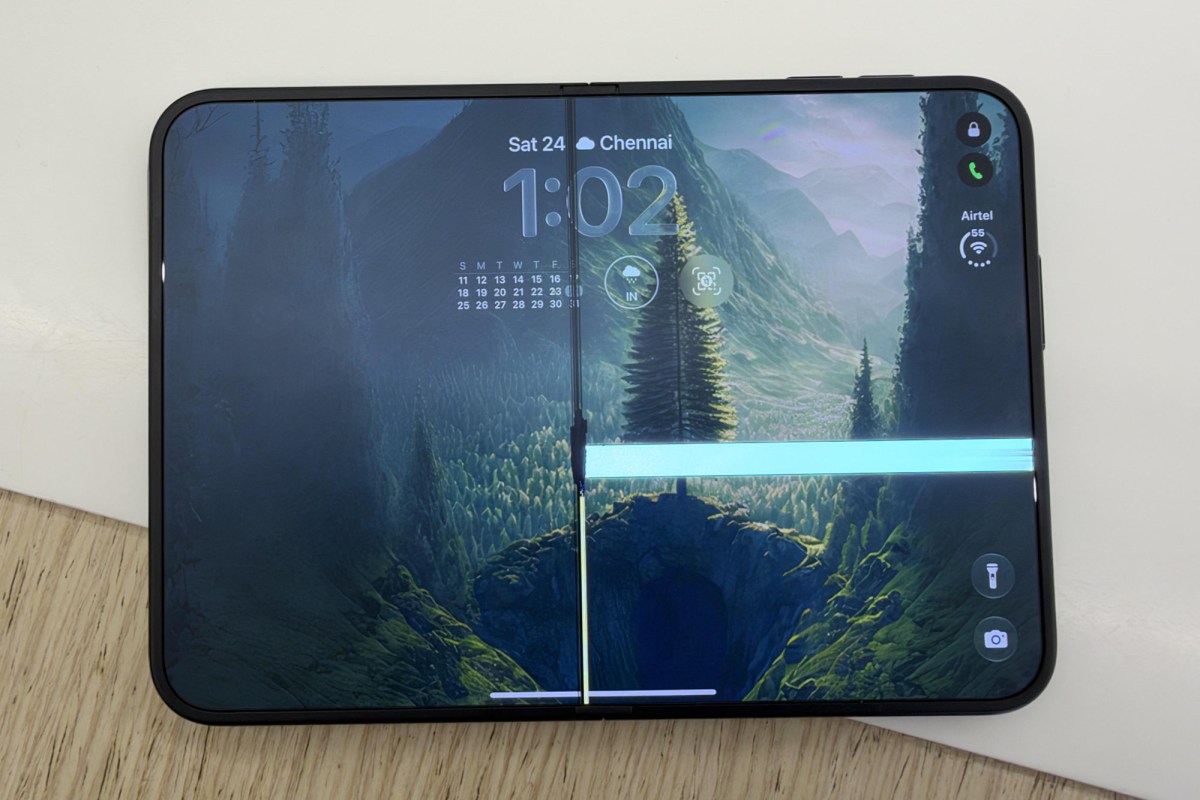
Apple has acknowledged that a small number of iPhone Duo devices show inner-screen issues. On October 26, the company asked affected users to contact AppleCare for device replacement. It has not announced a full recall, nor confirmed the precise technical cause behind every case.
- iPhone Duo went on sale on October 23.
- Its starting price in the United States is $1,999.
- Reports of cracked panels or abnormal bright lines near the hinge have emerged from some users.
- Apple’s public response, based on the available information, is replacement for affected devices through AppleCare.
Why the Inner Screen Could Be Stressed
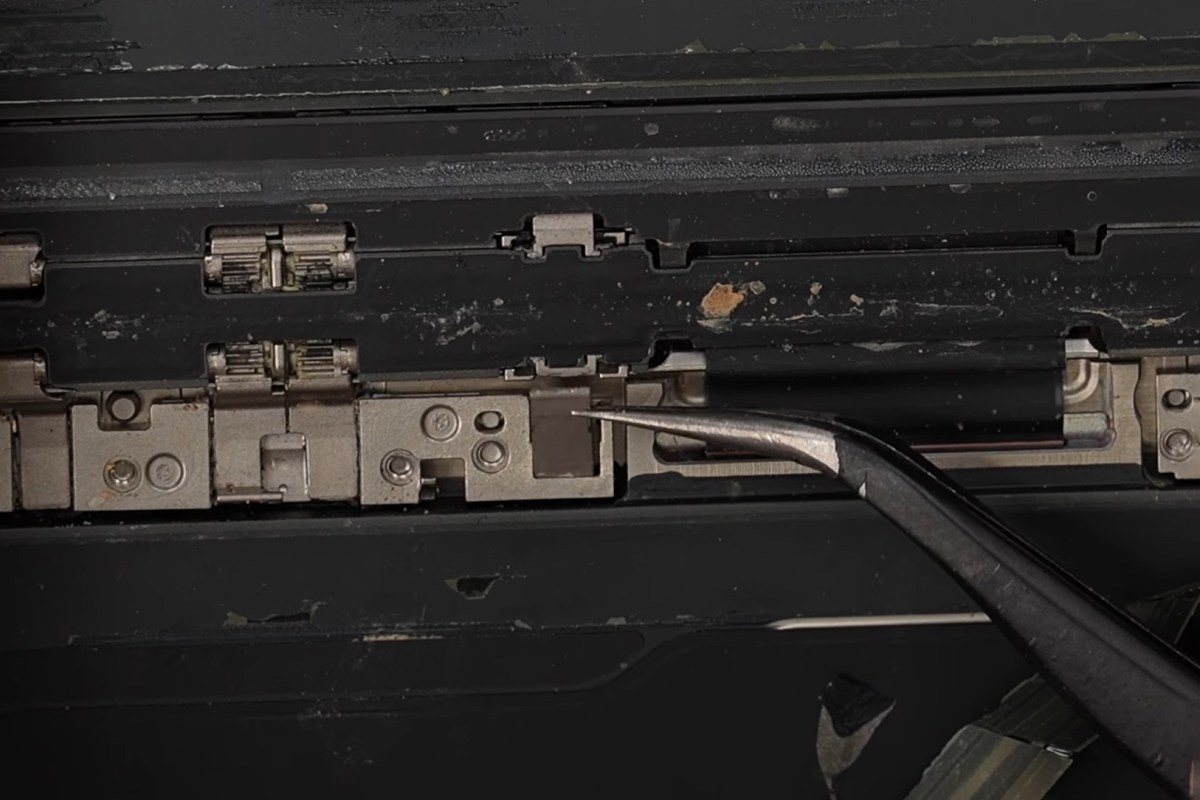
The structural discussion centers on how a folding phone moves. iFixit, using teardown information, patent documents, and CT scans, built a model of the hinge area and proposed that a central support rod near the display may not move away quickly enough during folding. If that happens, the inner screen can experience excessive mechanical stress at a localized point. The relative alignment of hinge rails and surrounding parts may also influence screen safety.
That explanation overlaps with what a Foxconn worker described to Jiemian News about possible structural factors. It does not, by itself, prove that inspection standards changed; it only explains a mechanical risk that could exist in early hardware.
The Disputed Quality-Control Claim
The more controversial claim is whether Apple relaxed inspection requirements to keep products moving. Jiemian News reported that a Foxconn employee said the production line faced heavy output pressure and that Apple once loosened some yield-inspection rules during early mass production so shipments could continue. Under that version, devices that would otherwise have been filtered out might reach customers.
However, another person familiar with the supply chain, speaking to China-based media, said Apple did not change its internal yield standards. At present, there is no independent document or official statement confirming either account. The phrase “Apple lowered its quality inspection standards” remains an unverified supply-chain claim.
Production Pressure and Yield Context
Earlier supply-chain reports also described a difficult ramp. By mid-September, Foxconn’s final assembly yield was said to be only slightly above 60%. Such a level is unusually challenging for a product with strict Apple quality expectations, and one estimate suggests the line may still require six months to a year to reach maturity.
Component issues may have added to the pressure. Samsung Display supplies folding OLED panels, and hinge-related parts were reportedly affected by insufficient yield or delivery delays. In China supply-chain estimates, Apple plans about 7.5 million iPhone Duo units this year. The same Foxconn worker mentioned in the Jiemian News report said the line urgently replaced a batch of components, but the current production and stocking plan has not changed markedly.
The latest claim still stops short of saying whether Apple formally adjusted inspection rules.
What the Confirmed Facts Mean for Buyers
For everyday users, the practical issue is not whether every iPhone Duo is defective. The issue is that a premium foldable product is moving through a very complex early production phase, and reports of screen failures need a cautious response. If Apple maintains its original gates, early delivery may be constrained. If it relaxes them, more potentially flawed units could reach buyers and later generate replacement costs.
Common Misconceptions
| What people may assume | What is supported now |
|---|---|
| Every iPhone Duo is likely to fail. | Apple acknowledges a small number of devices have inner-screen problems. |
| A cracked screen automatically means Apple changed its inspection standards. | No independent confirmation exists; the claim remains disputed. |
| Replacing components proves a design defect. | The worker said parts were swapped urgently, but production plans were not clearly altered. |
| Apple has launched a recall. | Apple has recommended affected users contact AppleCare for replacement. |
Action Advice
- Check your device for bright lines, localized discoloration, cracking near the hinge, or display behavior that changes when folded.
- Handle a visibly damaged inner screen carefully and avoid forcing repeated folding if a defect is obvious.
- Contact AppleCare for the confirmed replacement path.
- Keep the purchase record and, if possible, note when the issue first appeared.
- For MyTechDailyNews readers, track updates from Apple or independent repair analysts rather than treating one supply-chain rumor as final.
FAQ
Is Apple’s folding phone confirmed to have a bad hinge design?
No. Apple has not confirmed a specific cause. iFixit and a Foxconn worker described possible stress-related explanations, but these are not official conclusions.
Did Apple lower its quality inspection standards?
This is the disputed part. Jiemian News reported a Foxconn worker’s claim that some yield-inspection requirements were relaxed to keep shipments flowing, while another supply-chain figure said Apple did not adjust internal standards.
What should a user do if the inner screen has a line or crack?
Contact AppleCare. Apple has offered device replacement for affected units.
How many iPhone Duo units may be affected by production pressure?
The supply-chain estimate says Apple plans about 7.5 million iPhone Duo units this year; earlier yield was reported as only slightly above 60% by mid-September.
Final Take
The confirmed part is straightforward: some iPhone Duo users have reported inner-screen damage, Apple acknowledged a small number of issues on October 26, and replacement support is available through AppleCare. The unresolved part is broader: whether Apple adjusted inspection requirements during a difficult early ramp remains unverified. For now, MyTechDailyNews readers should treat “Apple lowered its quality inspection standards” as a report claim, not a proven conclusion.