
MyTechDailyNews: Apple iOS 27.2 Adds Shake-Ad Controls for Mainland China and iPhone Duo Updates
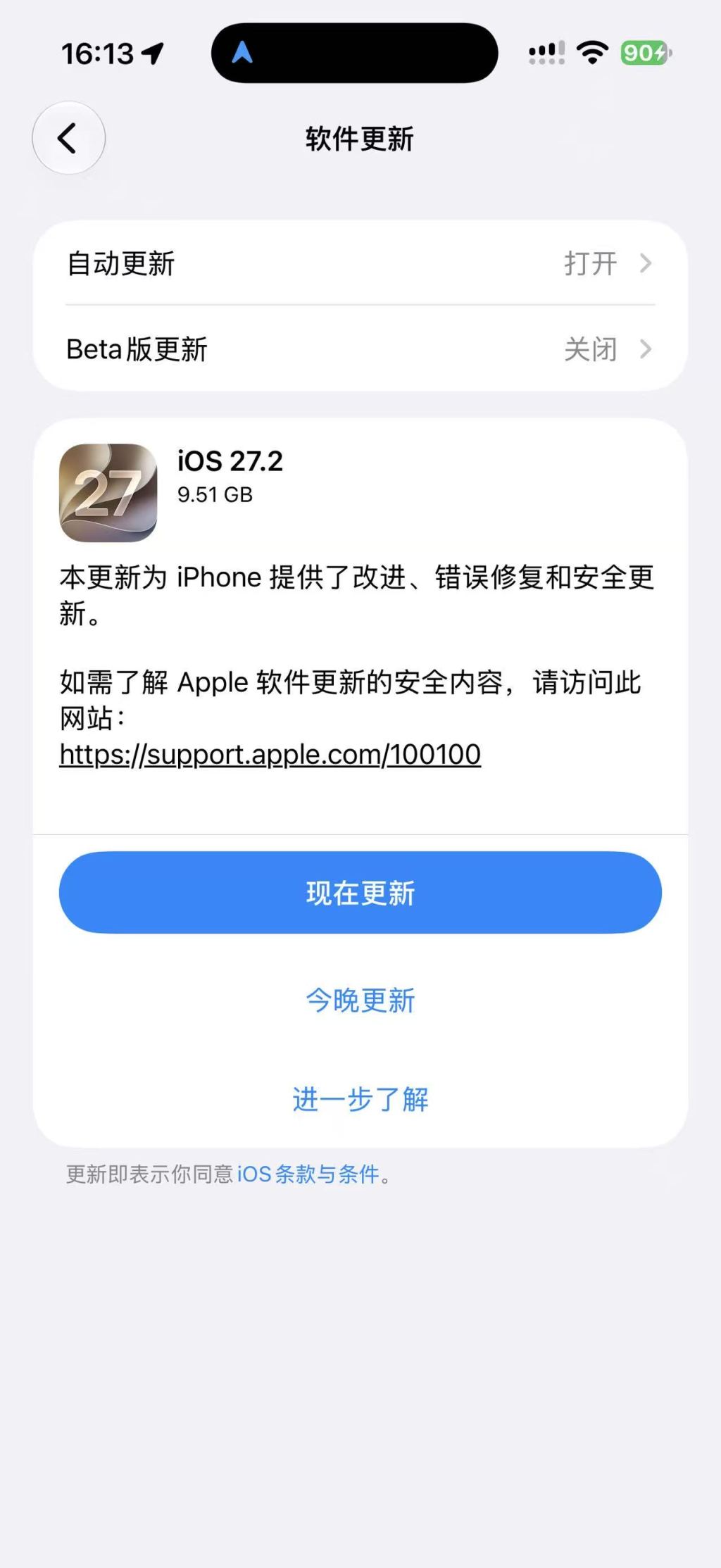
MyTechDailyNews is tracking Apple's iOS 27.2 official release, which arrived on October 27 and gave mainland China users a new way to reduce unintended shake-to-open advertising jumps. The update keeps a control first seen in beta software, while Apple's first foldable phone, iPhone Duo, receives its own exclusive additions, including Apple Pencil support and Edge Light for video calls.
How the Motion Data Restriction Changes Everyday iPhone Behavior
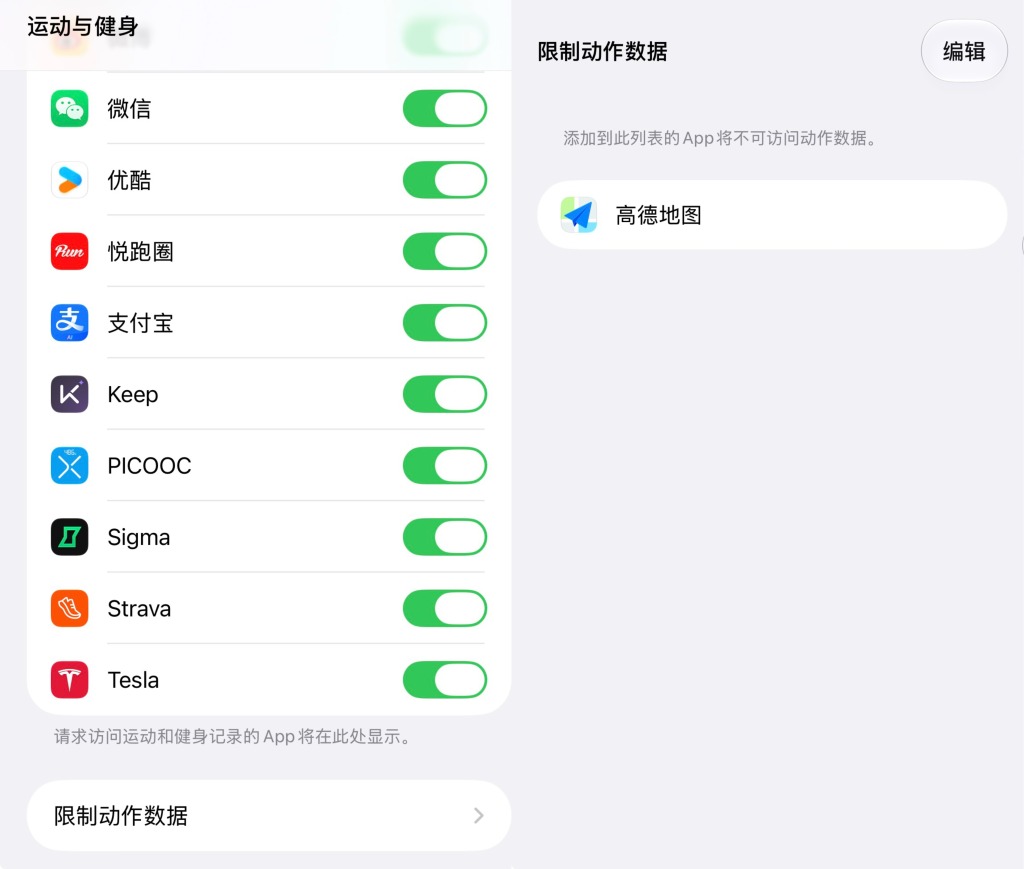
At the center of the consumer-facing change is the feature called Limit Motion Data. On an iPhone, the path is Settings, then Privacy & Security, then Motion & Fitness. Users can locate the Limit Motion Data option, tap Edit in the upper-right corner, and add apps to the restriction list. Once an app is limited, it cannot access the relevant motion data. That cuts the route some apps use to detect physical shaking and trigger an ad jump.
From Beta Screenshots to a Released iOS 27.2 Feature
The control first appeared in mid-September in iOS 27.2 Beta 2. On September 23, The Paper reported a hands-on test: with Baidu Maps open, a slight shake of the phone could jump the user to the app associated with the ad. After Baidu Maps was placed on the restriction list, the opening advertisement could still appear, but random shaking no longer caused the jump. At that stage, the capability was still in developer testing, and Apple had not confirmed whether it would remain in the final version. With the official iOS 27.2 rollout, the feature is now available to mainland China users.
Why Shake-to-Open Ads Became a Friction Point
The main criticism of shake-to-open advertising is not that movement itself is used, but that the trigger can fire during ordinary phone handling. According to a Workers' Daily report on September 22, one software development practitioner said such ads read the accelerometer and gyroscope, then use algorithms to judge whether the phone has been shaken. If a threshold is met, the jump executes. The practitioner added that some apps set the sensitivity near a critical point or raise it directly, so a normal walking sway, a bus ride, or a light bump during commuting can be interpreted as an intentional shake.
That design has generated widespread complaints. On the Black Cat Complaint platform, complaints involving shake gestures have reached over 1,000, with users citing accidental opening-ad jumps, redirects to payment pages, and advertisements that are difficult to skip.
System Permissions, Developer Rules, and Apple's Control Layer
Apple's developer agreement already required apps not to use Motion & Fitness APIs, or information obtained through them, for purposes outside health, exercise, and fitness services, such as advertising placement. The data covered by the agreement includes device acceleration, attitude, rotation, and magnetic-field information. iOS 27.2 does not create a brand-new concept from nothing; instead, it pushes part of that permission boundary into the user's hands. By letting iPhone users restrict motion-data access app by app, Apple can interrupt some shake-triggered ad jumps at the system level.
Checklist: What Mainland China Users Can Do
- Update to the official iOS 27.2 release being covered in this story.
- Open Settings, choose Privacy & Security, then Motion & Fitness.
- Find Limit Motion Data and tap Edit in the upper-right corner.
- Add apps that have triggered unwanted shake jumps, such as an app whose opening ad moves the user after a light shake.
- Review apps that depend on motion for navigation or fitness before limiting them.
Common Misconceptions About the New Control
| Misconception | What iOS 27.2 actually does |
| It blocks all opening ads. | It does not completely block opening ads. Limited apps may still display ads, but they cannot use the relevant motion data to trigger some shake jumps. |
| It should be applied to every app. | Apps that use motion sensors for navigation or fitness may need motion data to work correctly, so users need to weigh the effect before limiting permissions. |
| The feature appeared only at release. | It appeared in iOS 27.2 Beta 2 in mid-September and was later retained in the official version. |
iPhone Duo Gets Writing and Face-Lighting Tools
Alongside the ad-related privacy control, iOS 27.2 also brings an exclusive update for Apple's first folding-screen phone, iPhone Duo. The release adds support for the USB-C Apple Pencil, giving users a way to write or annotate on the device. It also adds Edge Light, a screen-based fill light that can illuminate the user's face during video calls.
FAQ: Quick Questions on iOS 27.2 and Shake Ads
Does Limit Motion Data remove all ads? No. The restriction targets the app's ability to access motion data, not all advertising content. An app can still show its own opening advertisement; the key difference is that some shake-triggered jumps are interrupted.
Why does it matter for mainland China users? Apple's official rollout of iOS 27.2 explicitly provided this motion-data restriction to mainland China users, addressing a specific pattern of shake-to-open advertising complaints.
Is iPhone Duo included in this update? Yes. The same iOS 27.2 release also added USB-C Apple Pencil support and Edge Light to iPhone Duo.
Action Advice: Set the Limits Around Your Real Usage
For readers who mostly experience accidental ad jumps, a practical first step is to identify the offending app and add only that app to the Limit Motion Data list. For readers who use mapping, running, or fitness apps, it is wiser to avoid a blanket restriction and to limit only apps whose advertising behavior clearly depends on motion data. The update gives users a narrow but useful lever: it does not eliminate every ad, but it lets them decide when the phone's movement should be treated as data they can restrict.