
MyTechDailyNews Intel Moon Lake Leak: A Four-Core Efficiency Chip for Cheaper Windows Machines
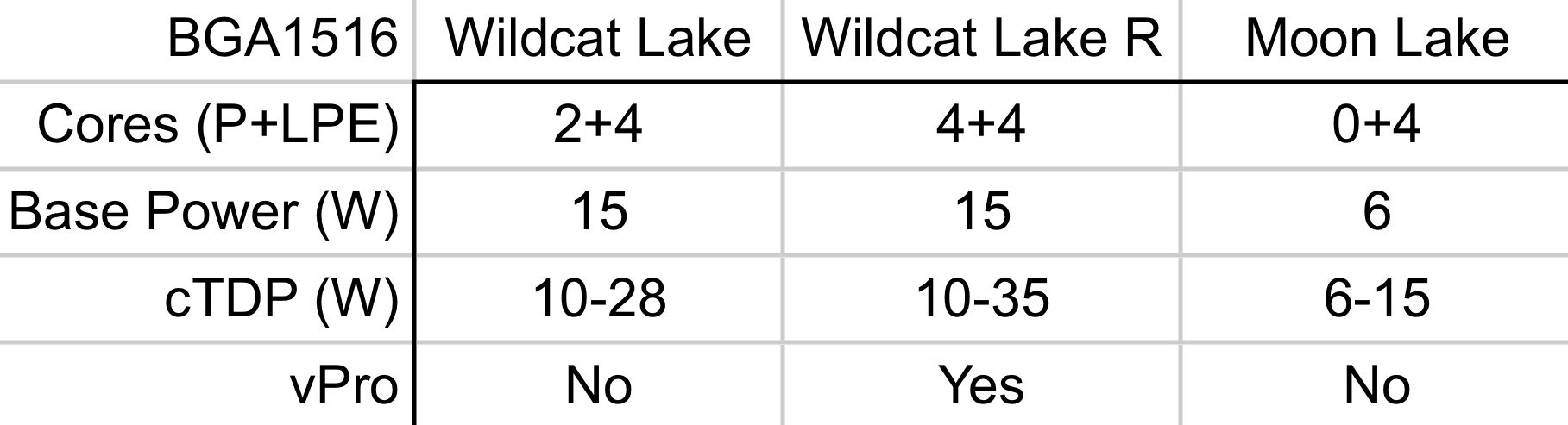
A new wave of unconfirmed chip reports has drawn attention to a small, low-power design that could shape the next generation of affordable Windows machines. Instead of promising a larger core count, the leak centers on a compact layout with 4 low-power efficient cores and a thermal design power range of 6 to 15 watts. If the details hold, Intel’s Moon Lake conversation is less about raw horsepower and more about how a low-power processor could be used in low-cost laptops and mini PCs.
What the Moon Lake leak is saying
According to leaked materials, Intel may be developing a Moon Lake processor for low-cost Windows laptops and mini PCs. The leaked table describes the chip as having only 4 low-power efficient cores, with no performance core included. It places the thermal design power between 6 to 15 watts. None of these specifications has been announced or confirmed by Intel.
Separate rumors say the design may use Darkmont LP-E low-power efficient cores and follow the direction of Wildcat Lake, the low-power chip design Intel introduced this year. In that description, Moon Lake would remove up to two performance cores while keeping four low-power efficient cores to form a low-power core cluster.
Another part of the leak points to a multi-chiplet design, a BGA1516 package, and a compute chiplet that may be made with the Intel 18A process. These details would suggest a modular build, but they remain part of the rumor rather than Intel’s official specification.
How it compares with today's entry-level chips
On paper, the reported Moon Lake layout resembles some current entry-level N-series parts. The N150, for example, is also a 4-core design and lists a 6 watts base power. That comparison shows why the leak is interesting: the headline change is not a larger core count, but a possible architecture update around the same small core group.
If the new cores can handle more work per clock cycle, a chip like this could improve performance at the same power level. In real products, that could mean better efficiency for thin, lightweight, low-price devices. However, there is no benchmark data available now, so the practical effect remains unproven.
What is missing from the leak
- Clock speeds have not been described.
- Integrated graphics details have not been provided.
- Memory support information is missing.
- No Intel confirmation is available.
- Product pricing and launch timing are still speculative.
Why ordinary buyers should care
For general Windows users, the most relevant question is not whether Moon Lake sounds technically impressive, but where it might appear. Low-cost laptops and mini PCs are often bought for browsing, streaming, light office work, and everyday home computing. A four-core efficiency-focused chip could become relevant in machines that prioritize basic performance and a lower price tag.
Market estimates mentioned in reports suggest devices using such a processor could land between $300 to $500. Even with that price band, future memory and storage supply and price changes could still affect the final retail cost of complete systems.
A checklist for evaluating the rumor
- Check whether Intel confirms Moon Lake itself, not just a leaked table.
- Look for official core details, including whether the design really has 4 low-power efficient cores and no performance core.
- Compare the claimed 6 to 15 watts power range with real device specifications.
- Watch for information about Darkmont LP-E cores and the BGA1516 package.
- Treat mentions of the Intel 18A process and 2028 as unconfirmed until Intel or a device partner states them officially.
- Compare the rumor with known parts such as N series and N150 before assuming a big leap.
Common misconceptions about the Moon Lake report
- It is not an official product launch. Intel has not announced or confirmed the reported specifications.
- It is not simply "four weak cores." The rumor suggests four low-power efficient cores, while the possible benefit may come from an updated architecture rather than more cores.
- It is not guaranteed to appear in a 2028 device. Related reports mention 2028, but the timing remains unconfirmed.
- It is not enough to judge a laptop by the chip name alone. Memory, storage, display, cooling, and software optimization can shape the user experience.
Action advice for readers
If you are shopping for a budget Windows laptop or mini PC now, treat Moon Lake as background information rather than a reason to wait. Current entry-level machines already have clear specifications, and waiting for an unconfirmed chip can lead to missed deals. If you are tracking the story for future buying plans, focus on confirmed core counts, real benchmarks, and the final retail price of complete devices.
For casual users, the practical takeaway is simple: a four-core low-power chip may make affordable machines cleaner and more efficient, but it may not be enough for heavy gaming, large creative projects, or advanced productivity. For now, the safest approach is to buy based on published specs and reviews, not on leaks.
Frequently asked questions
Is Intel Moon Lake confirmed?
No. The details come from leaked materials and reports. Intel has not announced or confirmed the specifications.
What is the main core count mentioned?
The leak says 4 low-power efficient cores and no performance core.
What power range is mentioned?
The reported thermal design power range is 6 to 15 watts.
What design does Moon Lake follow?
Rumors say it follows the direction of Wildcat Lake, introduced this year, and may use Darkmont LP-E low-power efficient cores.
Could Moon Lake improve performance?
It might if updated cores process more tasks per clock cycle, but no benchmark data proves this yet.
What devices could use it?
The leak points to low-cost Windows laptops and mini PCs, with estimated device prices of $300 to $500.
Is 2028 the launch date?
Related reports mention 2028, but that timing is not confirmed.