
MyTechDailyNews General Explainer: IBM Backs Rapidus's 2nm Push in Chitose City Toward 2027 Mass Production
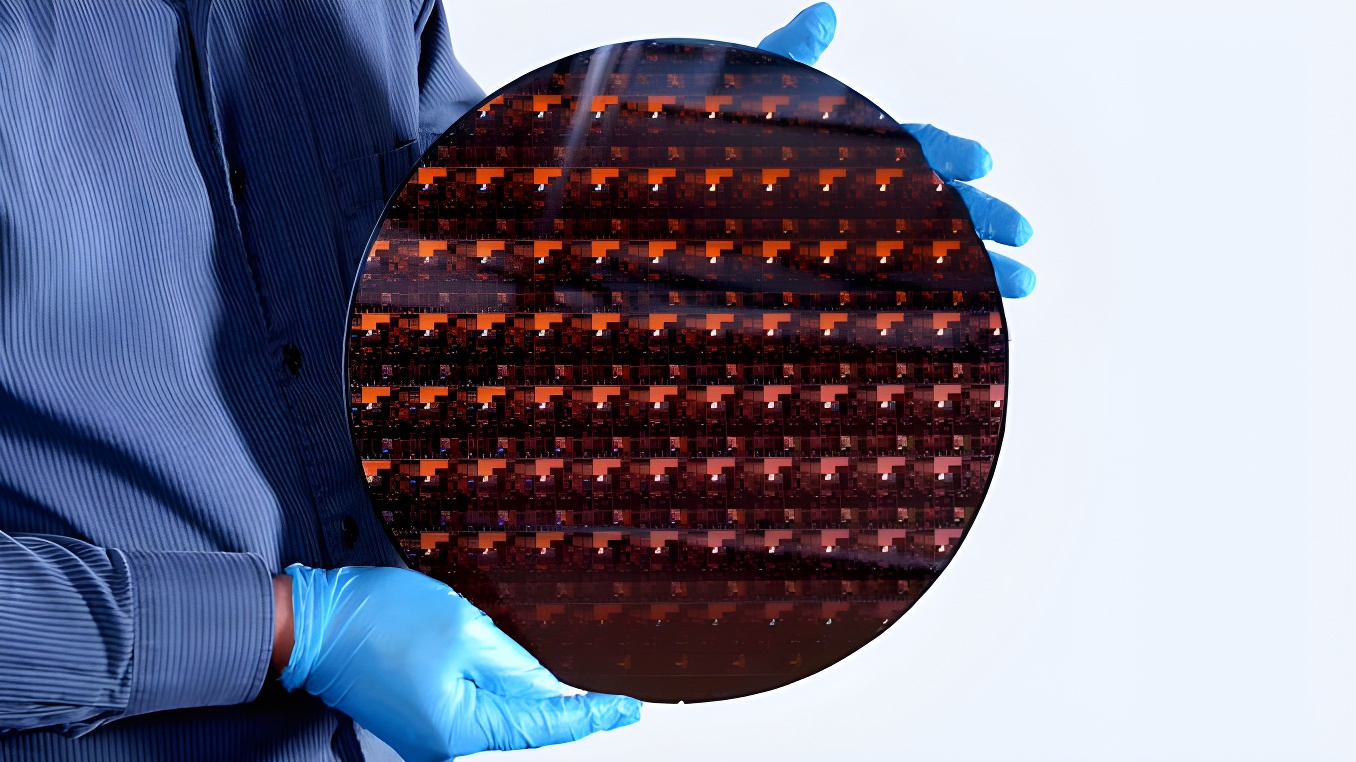
Japan's attempt to rebuild a home-grown leading-edge chip industry has moved into a more concrete phase. IBM is deepening cooperation with Rapidus and opening a base in Chitose City, Hokkaido, the location of Rapidus's first 2nm wafer fab. The project is built around one visible target: 2027 mass production of advanced 2nm logic chips, supported by technology transfer from IBM and by long-term backing from the Japanese government and major Japanese companies.
Rapidus is a key company in that national push, supported by Japan's government and funded by Toyota, Denso, Sony Group, SoftBank, NTT, Kioxia, NEC and Mitsubishi UFJ Bank. Its stated direction is to use advanced process technology to rebuild Japan's competitiveness, while narrowing the distance to TSMC, Samsung Electronics and Intel.
IBM's role comes from a licensing route: Rapidus took a license to IBM-developed 2nm manufacturing technology, and the two sides continue joint development work. That relationship makes IBM more than a distant technical contributor; with the company now present in Chitose, its support is seen as helping technology transfer, personnel development and preparation for production.
Where the plan stands now
Construction at the Chitose City wafer fab is proceeding. Rapidus has already started installing equipment associated with pilot production, and it plans to widen process verification within the next few months. That sequence is meant to connect pilot-line testing with the later step of formal 2nm mass production in 2027.
In recent years, the Japanese government has stepped up support for the domestic advanced semiconductor sector, providing Rapidus with substantial financial backing. Tokyo's position, as reflected in the report, is that advanced logic chips are not only a growth industry. They are also connected with industrial resilience and supply chain autonomy. Against a backdrop of intensifying global semiconductor competition, Japan is seeking a renewed significant position in chip manufacturing.
Why starting at 2nm changes the risk profile
Rapidus is not following a gradual climb from older, mature process nodes. It is entering advanced logic directly at the 2nm node. That choice increases risk, because the learning curve is steeper and the margin for manufacturing problems is smaller. But it could also produce a faster strategic effect: if the plan succeeds, Japan would enter the leading-edge manufacturing race quickly instead of spending years catching up through lower nodes.
IBM brings decades of accumulated research on advanced transistors and process technology into the partnership. The combination the partners are trying to create is simple to describe: IBM's technical foundation plus Japan's manufacturing strengths, with the goal of moving advanced chips from laboratory research into commercial output.
What 2027 may decide
Industry views summarized in the report place 2027 as a decisive test for the Rapidus project. If 2nm mass production is achieved on schedule, Japan would rejoin the top tier of global semiconductor manufacturing after decades away from the lead in advanced logic processes. The outcome would also add a new advanced manufacturing source to the global chip supply chain, reducing reliance on existing major foundry centers.
For a general tech audience, the event is less about one factory and more about the shape of future supply. Advanced chip production is concentrated today among a small number of players. A new 2nm-capable site in Chitose, backed by IBM technology and Japanese corporate and government support, would make that map more complex.
MyTechDailyNews quick checklist
- Who is cooperating? IBM and Rapidus, with IBM technology licensing and continued joint development.
- Where is the activity? Chitose City, Hokkaido, where Rapidus is building its first 2nm wafer fab and IBM is setting up a base.
- What technology is involved? 2nm manufacturing technology licensed from IBM and adapted for Rapidus's production path.
- Who backs the project? The Japanese government and major Japanese investors: Toyota, Denso, Sony Group, SoftBank, NTT, Kioxia, NEC and Mitsubishi UFJ Bank.
- Which competitors frame the gap? The report names TSMC, Samsung Electronics and Intel as leading-edge manufacturers whose positions Rapidus hopes to close.
- What is already happening? Wafer fab construction is under way, pilot-line-related equipment installation has started, and process verification is planned to expand within the next few months.
- What is the milestone? 2027 formal mass production of 2nm chips.
Common misconceptions
| Common misconception | What the report says |
|---|---|
| IBM is simply providing advice from afar. | IBM is deepening cooperation and establishing a base in Chitose City, linking its 2nm manufacturing technology license with ongoing joint development. |
| Japan already has 2nm mass production. | Construction and pilot-line preparation are under way; formal mass production is the 2027 target. |
| The plan is a low-risk industrial upgrade. | Entering directly at 2nm is described as a higher-risk strategy than moving up from mature nodes. |
| This is only a business project. | The Japanese government has provided substantial fiscal support and treats advanced logic chips as related to supply chain autonomy and industrial resilience. |
| Only Japanese companies are involved. | IBM, an international technology partner, supplies licensed 2nm manufacturing technology and continues joint development with Rapidus. |
Frequently asked questions
Why is Chitose City important?
Chitose City is the location of Rapidus's first 2nm wafer fab. IBM's new base in the same city is seen as support for technology transfer, talent development and production readiness.
Why is 2027 the key year?
2027 is the target for formal mass production. If Rapidus reaches it, the project would move from pilot validation to commercial advanced chip output.
Why are the Japanese government and large companies involved?
Rapidus is supported by the Japanese government and funded by Toyota, Denso, Sony Group, SoftBank, NTT, Kioxia, NEC and Mitsubishi UFJ Bank. The project is framed as part of Japan's effort to rebuild competitiveness in advanced semiconductors.
Does IBM own Rapidus?
No. The report describes IBM as a technology partner whose 2nm manufacturing technology has been licensed to Rapidus, with continued joint development between the two parties.
What does this mean for global chip supply?
A successful 2nm mass-production effort would create another source of advanced manufacturing, reducing dependence on existing major foundry centers such as those represented by TSMC, Samsung Electronics and Intel.
Action advice for MyTechDailyNews readers
For readers who only need the quick read, focus on three facts: IBM is deepening its Rapidus cooperation in Chitose City, the project is building toward 2nm production, and 2027 is the stated mass-production target.
For readers tracking industry or supply-chain developments, watch the sequence: equipment installation already started, process verification expansion within the next few months, then the 2027 production goal. That timeline is more informative than the announcement itself.
- Treat pilot-line progress as the first practical checkpoint, not just the factory location.
- Separate technology licensing from commercial readiness; IBM's 2nm license gives Rapidus a starting point, but process verification and production execution remain decisive.
- Read the Chitose move as supply-chain diversification, not as an immediate consumer-device change.
- Follow public milestones from the named partners—IBM, Rapidus, the Japanese government, and the investor group—rather than speculative timelines.