
What Google's Free AI Search Rollout Means for Everyday Users
Around October 28, 2026, a quiet but important line began moving in consumer AI: Google is spreading Personal Intelligence, a personal intelligence feature, across nearly 200 countries and regions and 98 languages, and it is not putting the entire capability behind a paywall. For everyday readers, the result is not simply "better AI search." It is a change in where personalized assistance starts to appear. A search answer may become more like a helper that can ask about past emails, travel plans, photos, or preferences, but only if the user connects those services. The bigger story is that Google is testing whether a more useful free search experience can keep people inside its ecosystem while paid tiers carry heavier model costs.
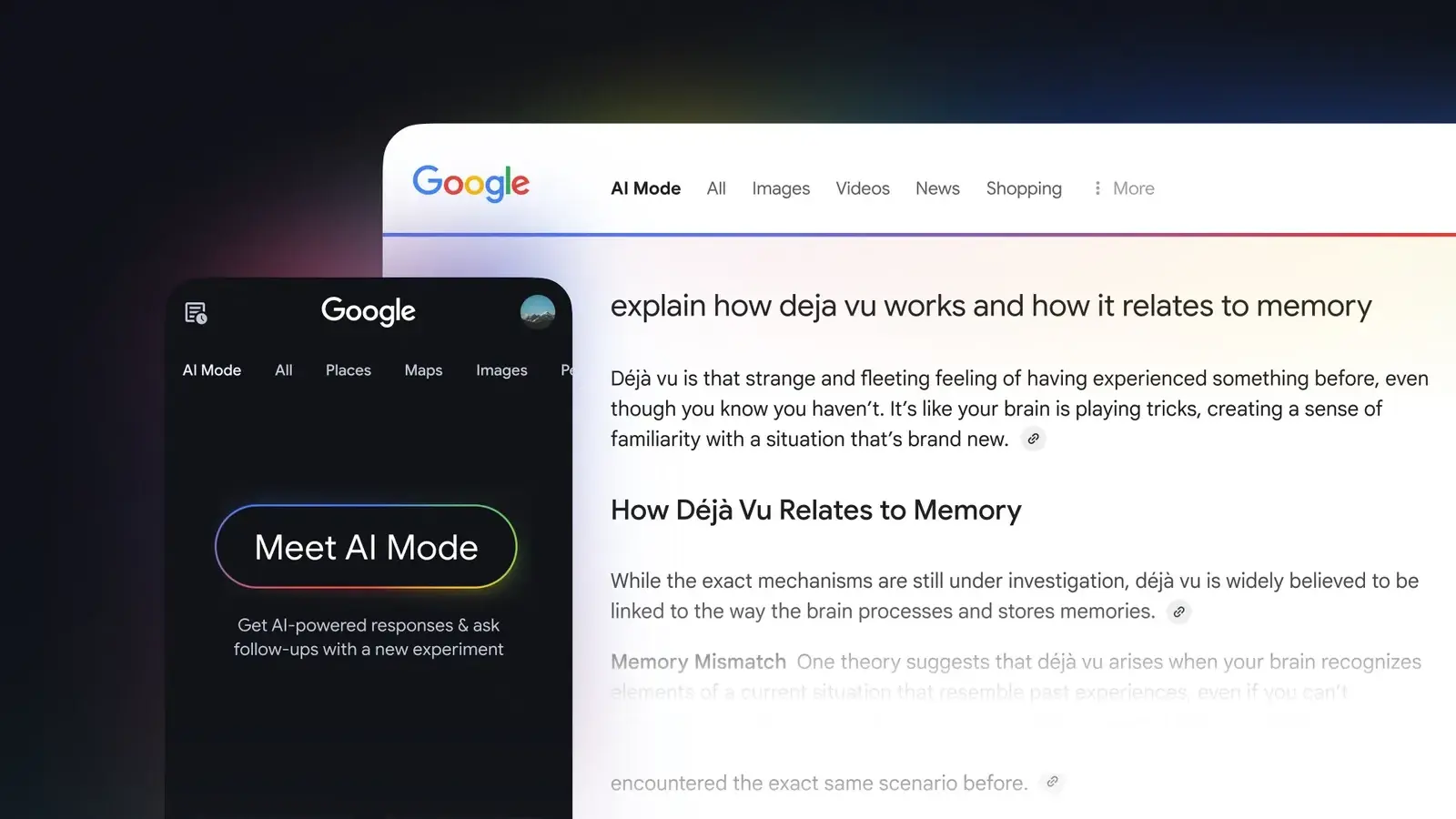
Why the Free AI Search Expansion Matters
The practical shift is about context. Traditional search usually works with public web pages: a user types a question, and the system finds the best available documents. AI search can combine snippets, answer in a sentence, and follow a multi-turn conversation. Personal Intelligence adds another layer: with permission, Google may bring in personal signals from Gmail, Google Photos, and related services through AI Mode. This makes answers more tailored, but it also turns search into a privacy-sensitive feature. Users are no longer only asking, "What does the web say?" They are also asking, "What does this service know about me, and is it helping without crossing a line?"
The Basic Feature Set
Personal Intelligence is described as a personalization capability for Google's AI products. The central idea is consent-based connection. Users can choose whether to connect applications such as Gmail and Google Photos to AI Mode. Once connected, the system can use relevant details from messages, images, and other personal information to answer questions. A travel plan stored in email, for example, could help the assistant answer a question about timing, costs, or what to pack. A purchase history could support shopping suggestions. These are examples drawn from the direction of the feature, not guarantees for every user or country.
Free Access and Paid Limits
The rollout is happening at the same time Google is changing how free and paid services are separated. In the Gemini app, access to some models is being adjusted for free users. Stronger models and parts of advanced reasoning are positioned behind Google AI Pro or the Ultra plan. The pattern is therefore split: basic AI search and selected personal intelligence functions may be available to more people, while the most demanding model capabilities may remain subscription features.
How the Free and Paid Boundaries Compare
| Area | Free layer direction | Paid layer direction |
|---|---|---|
| AI search basics | Broader availability, including Personal Intelligence features in more locations. | Higher usage levels and more advanced model options. |
| Personalization | Can use connected personal information after user permission. | Not necessarily replaced, but premium tiers may add stronger reasoning or higher limits. |
| Advanced reasoning | May be limited for free users. | More powerful models and advanced reasoning are tied to Google AI Pro or the Ultra plan. |
| Business model | Free use can support ecosystem engagement and advertising opportunities. | Subscriptions offer extra capacity, tools, and model access. |
What Google Says About Data Connections
The company emphasizes control and limits. Users decide whether to connect related apps and can disconnect at any time. Google also states that Gemini and AI Mode will not directly train models on an entire Gmail inbox or full Google Photos library. However, limited information such as certain prompts and model responses may be used to improve the service. This creates a middle ground: the experience can become more personalized, but the training boundary is not zero.
For ordinary readers, the most useful takeaway is simple. Connecting a personal service can improve answer quality, but it is not a neutral button press. The user should understand which service is being linked, what type of information may become available to AI Mode, and how the company describes training use.
Common Misconceptions
- Misconception: free access means all AI features are free forever. The rollout does not mean every model, every reasoning level, or every advanced tool will remain free. The split between free basic functions and paid stronger functions is a major part of the strategy.
- Misconception: connecting Gmail gives Google the right to scan everything for training. The stated position is more nuanced: users control connections, and training is not supposed to use the entire inbox or full photo library directly, though limited prompt and response data may be used to improve services.
- Misconception: AI Mode will replace all search links. Google has also been adjusting the interface to add direct links, official web entry points, news carousels, and source displays. The goal described in the broader interface changes is to keep AI answers connected to original web pages.
- Misconception: every country and language gets identical features. Availability can still depend on country, language, account type, and staged rollout.
Action Checklist for Users
- Check whether AI Mode is available in your account before deciding what features matter.
- Start with non-sensitive personal information, such as a travel booking or a product question, before connecting broader app data.
- Review connected apps such as Gmail and Google Photos, and turn off connections that are not needed.
- Look for links back to original web pages when a generated answer cites personal information.
- Compare free limits with paid models if you often use long reasoning, complex planning, or repeated AI queries.
- Treat personalized answers as drafts that may still need verification, especially for travel, shopping, finance, health, or legal matters.
FAQ: The Questions General Readers Ask First
What is Personal Intelligence in this context?
Personal Intelligence is a personal intelligence feature that can make AI responses more tailored by using personal context after permission. It can connect to services such as Gmail, Google Photos, and AI Mode.
Is this feature only for paying users?
No. The described rollout extends Personal Intelligence to more places and languages within free AI search, but stronger model capabilities may remain part of Google AI Pro or the Ultra plan.
Will Google use my entire email inbox to train AI?
Google states that it will not directly train models using a user's full Gmail inbox or Google Photos library. Limited information such as certain prompts and responses may still be used to improve services.
Why would Google offer more personal AI features for free?
Free access can bring more users into the AI search ecosystem. It can also create more opportunities for advertising and contextual product suggestions, while subscriptions and higher limits remain a separate revenue path.
Can the feature be turned off?
Yes. The described user control includes deciding whether to connect apps and disconnecting when desired.
Business Logic Behind the Move
The strategy looks like a balancing act. On one side, running large AI systems costs money. Complex reasoning, repeated conversations, and personal data retrieval all require infrastructure. On the other side, Google benefits when users stay engaged, ask more questions, and move through AI search without leaving for another platform. Free Personal Intelligence features may support that engagement, while subscription tiers can carry the heavier costs.
There is also an ecosystem angle. If AI Mode can understand more from Gmail and Google Photos, it becomes harder for users to treat search as a simple lookup tool. It can become a daily assistant inside a broader account system. That may improve convenience, but it also increases the value of the company's connected services. For readers, this is the practical impact: more helpful answers are likely to come bundled with more choices about data access.
Final Takeaway
For readers following this topic, the headline is not just that Google is expanding free AI search. It is that the boundary between search and personal assistance is moving. Around October 28, 2026, the expansion of Personal Intelligence across nearly 200 countries and regions and 98 languages suggests that personalization will no longer sit only behind premium products. At the same time, Google AI Pro and the Ultra plan show that more capable models and higher levels of use remain a paid frontier. The smart user approach is to take advantage of the convenience carefully: connect only what is useful, disconnect when it is not, and keep source links open when AI answers start shaping everyday decisions.