
Fujifilm Plans a Fivefold LTO-10 Tape Capacity Expansion in Japan as AI Drives Cold Data Demand
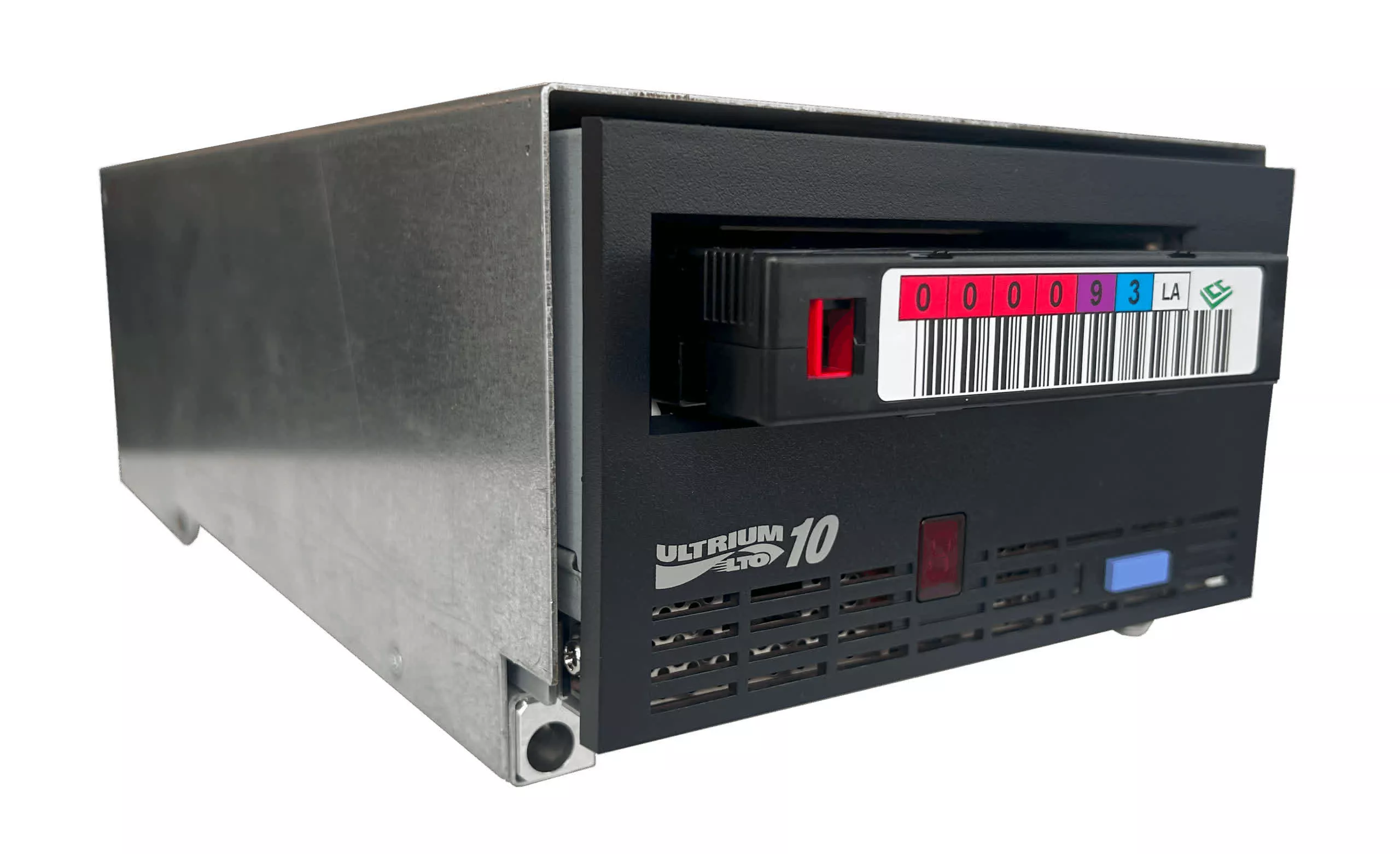
When technology readers track the artificial intelligence boom, they usually notice fast GPUs, cloud racks and high-end servers first. Fujifilm's latest manufacturing plan points to a less glamorous but important part of the same story: long-term data storage. The company expects to expand production at its Odawara City, Kanagawa Prefecture, Japan facility during fiscal 2026 through fiscal 2028. After the expansion, capacity for the relevant tape products is projected to rise to about fivefold the current level, in response to order demand from cloud providers, data-center operators and enterprise customers.
In recent years, generative artificial intelligence has increased the volume of data produced during model training, inference and related operations. Faster solid-state drives and hard disk systems remain central to active processing workloads. For data that is rarely accessed but must be retained, however, tape has regained attention because it offers a lower storage cost per unit, smaller energy demand and an offline form of protection. These traits explain why tape is no longer treated as a legacy footnote in many infrastructure discussions.
LTO-10 is the center of the Fujifilm capacity plan
The latest-generation LTO-10 tape is the main product behind the planned capacity expansion. LTO technology is a widely used enterprise tape standard. Its original development was driven by companies including IBM, HPE and Quantum, with the aim of providing organizations with a common and open approach to business data archiving. That standardization helps buyers compare storage options without depending on a single closed system.
For everyday readers, the practical value of LTO-10 is not that it competes with the fastest SSD. Its role is different. The newest released LTO-10 cartridge offers a native capacity of 40TB. When data is compressed, the storage ceiling can reach 100TB, while transfer performance is specified at 400MB per second. That speed may feel modest next to modern flash storage, but for backup, archive and cold data tasks, it can be sufficient. The relevant question is not whether tape is the fastest medium; it is whether it is the most economical and energy-aware medium for data that must remain readable for a long time.
Why cold data is becoming a mainstream technology topic again
Tape's comeback is tied to the economics of scale. When data grows only gradually, organizations can stretch expensive storage. When artificial intelligence applications create large, continuous repositories, the cost of keeping every byte on high-performance media becomes visible. A large archive may not need immediate access, but it must remain intact. In that situation, tape can reduce both storage spend and power consumption compared with keeping the same volume on faster, always-on systems.
Security has also reshaped perception. Network-connected systems can be exposed to ransomware and other cyberattacks. Tape can be separated from the network entirely and stored offline, creating physical isolation. This is not a universal backup method, but it lowers the likelihood that an attacker can reach all copies at once. Financial institutions, research organizations and major cloud providers still give tape a serious role in their data-protection designs.
From a niche format to a visible infrastructure choice
Industry observers say that larger artificial intelligence models and rising data-retention needs are making companies reconsider long-term storage economics. Tape does not replace online systems; it complements them. The medium's value depends on its combination of high capacity, low energy use and reliability. For general technology readers, the key shift is that a decades-old storage format, once considered a legacy technology, is again part of modern data-center planning.
The standard is expected to keep evolving. In the coming years, next-generation LTO-11 is projected to improve storage density and per-cartridge capacity further, addressing the continued growth of stored information. The technology roadmap shows that tape is not simply surviving because old systems remain; it is being adjusted to larger data volumes.
Artificial intelligence tends to be described as a story about advanced computing hardware. Yet the Fujifilm expansion shows another consequence: the data layer beneath AI is changing demand for older, efficient archive technologies as well. At the industrial end of the chain, tape with decades of history is experiencing a renewed cycle of investment.
Checklist: how ordinary readers can interpret the Fujifilm tape expansion
- Watch for capacity: Fujifilm expects about fivefold expansion for the relevant LTO-10 tape production line, not an announcement of a consumer product.
- Focus on the location: the plan concerns manufacturing in Odawara City, Kanagawa Prefecture, Japan.
- Follow the timing: the expected expansion window covers fiscal 2026 through fiscal 2028.
- Connect the demand signal: cloud providers, data-center operators and enterprise customers are driving the order trend.
- Compare the use case: LTO-10 is aimed at archive and backup, while flash and disk remain more important for speed-focused workloads.
Common misconceptions about modern tape
| Misconception | What the article's facts suggest |
|---|---|
| Tape is a dead format | LTO technology continues as a mainstream enterprise standard, and LTO-10 is the focus of a major capacity plan. |
| Tape should match SSD speed | Its 400MB per second transfer figure is evaluated for backup and cold data storage, not for replacing fast active drives. |
| Tape cannot hold modern AI data | A single LTO-10 cartridge has a native capacity of 40TB, and compressed capacity can reach 100TB. |
| Offline storage is only a legacy habit | Network isolation can reduce the risk that ransomware or other attacks compromise every copy at once. |
FAQ: LTO-10, Fujifilm and the AI data-storage shift
What exactly is Fujifilm expanding?
Fujifilm plans to expand manufacturing scale at its facility in Odawara City, Kanagawa Prefecture, Japan. The expansion is associated with tape production and is expected to lift relevant capacity to about fivefold the current level after completion.
Why is LTO-10 important?
LTO-10 is the latest-generation tape highlighted by the capacity plan. It is part of the broader LTO technology standard used for enterprise archive storage. The article notes its native capacity of 40TB, compressed capacity of up to 100TB and transfer speed of 400MB per second.
Why does generative AI affect a tape company?
Generative artificial intelligence has accelerated data generation around model training and inference. More data creates more long-term retention, backup and archive demand. These are conditions where tape's lower cost, lower energy profile and offline isolation can matter.
Is this a security product announcement?
No. The article frames tape as part of data protection because it can be physically separated from a network. That can reduce the impact of ransomware and other cyberattacks, but the primary announcement is manufacturing capacity for LTO-10-related production.
Action advice for general tech readers and non-specialist teams
- Separate speed from retention. If content must be accessed constantly, performance media remains central. If it must be preserved for long periods, tape's economics deserve review.
- Track capacity announcements by use case. A fivefold manufacturing expansion does not automatically mean every organization will buy more tapes next year; it signals a response to enterprise and cloud demand.
- Include offline copies in basic resilience thinking. The article highlights network separation as a practical way to reduce attack exposure.
- Read technology roadmaps in context. LTO-11 may further increase density, but decisions today should be based on present needs, current LTO-10 capabilities and budget realities.
The wider lesson for MyTechDailyNews readers is that the most important technology change is not always the most visible one. Fujifilm's Japan manufacturing plan may look like an industrial update at first glance. In practice, it connects several mainstream themes: artificial intelligence's data growth, cost pressure inside data centers, security design, and the renewed relevance of tape. For general audiences, that makes it a useful example of how modern computing depends not only on advanced chips, but also on reliable, energy-efficient ways to remember data.