
French Blood Agency EFS Refrigerator Hack: Why 110℃ Matters for Cold-Chain Security
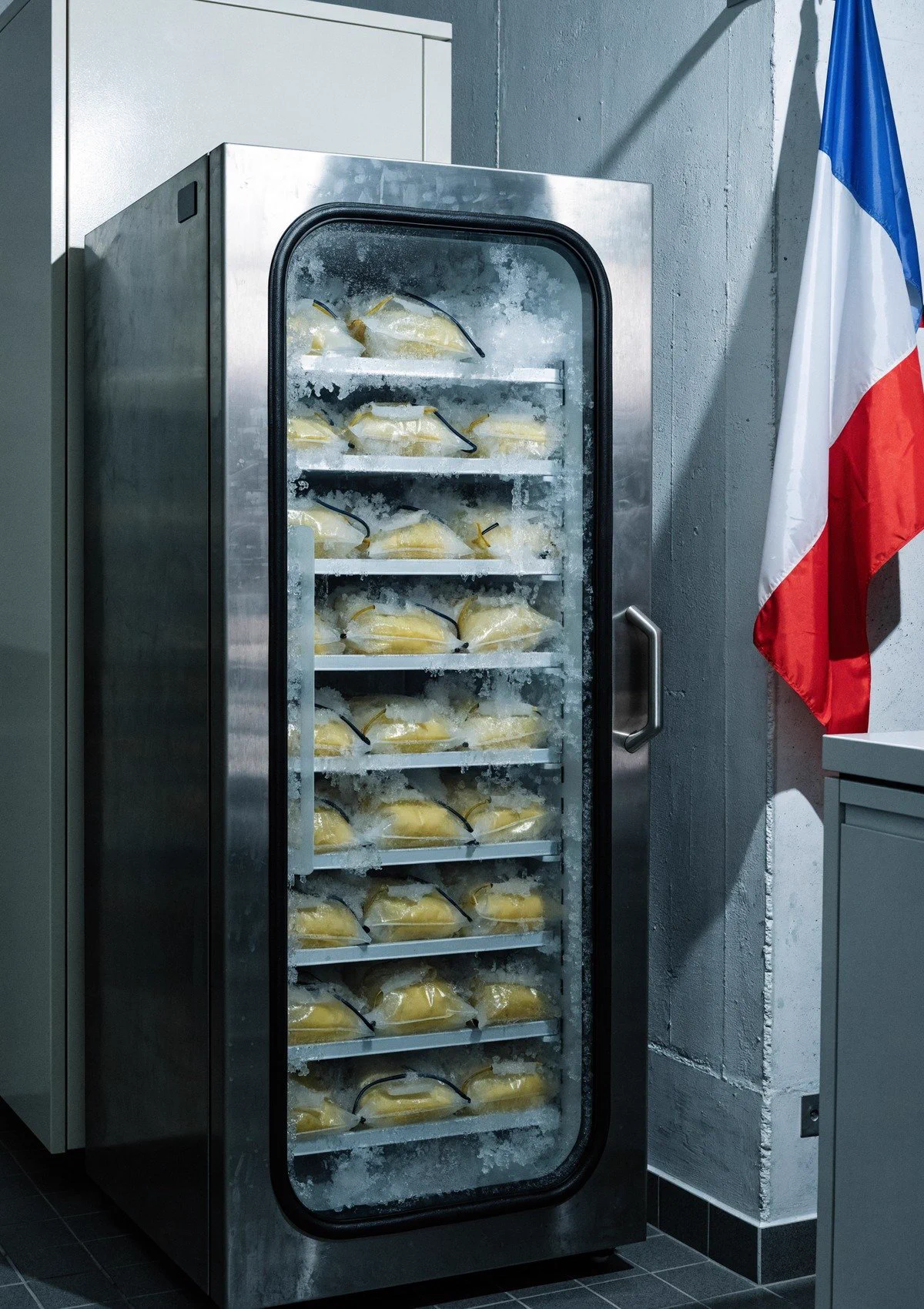
A cyberattack on refrigeration supplier CoolWorld changed the remote set points for plasma cold rooms run by the French blood agency EFS from -30℃ toward 110℃ overnight from November 1 to November 2 local time. Alarms and staff intervention prevented reported product loss, but the incident turns connected cold rooms, supermarket freezers and IoT maintenance portals into a warning for every organization handling temperature-sensitive goods.
What happened at the French blood agency EFS?
The shortest version is that the break-in used a service pathway, not a hospital lab. The refrigeration supplier CoolWorld was attacked, and the change reached cold-room controllers used by the French blood agency EFS. Attackers modified temperature and defrost thresholds, moving a plasma-storage set point from -30℃ to 110℃. The event happened overnight from November 1 to November 2 local time, at multiple sites in France.
Reporting from BleepingComputer describes an alarm-based rescue: monitoring detected abnormal control values, staff intervened before damage, and stored plasma was transferred or otherwise protected. EFS reported no health impact and no loss of blood products. The investigation involves the French cybersecurity agency, French police and French health authorities, with no claim of responsibility or confirmed motive as of the latest public reporting. Reuters also framed the incident as part of a broader wave of attacks on refrigeration equipment across France and other European countries.
Why this is not just a blood-bank problem
Because connected cold storage sits where IT meets physical safety. The same technical pattern appeared before: in food retail across France and other European countries, attackers remotely changed freezer and chiller behaviour, moving units from -18℃ toward 50℃, causing thawed goods to spoil and forcing stores to discard inventory. Now healthcare cold rooms are in scope, which means the risk moves from shelf loss to patient-facing infrastructure.
Cybersecurity Dive also warned that thousands of refrigerator devices remained exposed after an earlier French cyberattack. That matters because a single weak remote-management path can turn a connected appliance into a physical disruption tool, first in retail and then in medical storage.
A practical checklist before your next cold-chain audit
For operators, this event is a reminder to treat remote access to cooling gear as a safety control, not a convenience. The following checklist translates the incident into steps that facilities teams, retailers, logistics firms and smaller medical suppliers can use now.
- Inventory the control plane. List every connected cold room, freezer, chiller, gateway, vendor portal and maintenance account within France or elsewhere. Ask which third party can change set points, not only who repairs the equipment.
- Break the default path. Follow French cybersecurity agency guidance: use an encrypted VPN or protected connection for remote refrigeration access, install firmware updates and change vendor passwords. Replace shared logins, disable unused accounts and require MFA where supported.
- Separate networks. Put office Wi-Fi, guest networks, IoT sensors and OT controllers on distinct segments. If a laptop in procurement is infected, the attacker should not reach the controller that can alter temperature or defrost mode.
- Run independent monitoring. Do not rely only on the supplier console. Keep an independent alarm channel for set-point changes, door open events, temperature rise and failed communication. BleepingComputer reported the EFS alarm system caught the issue before damage; that architecture is the reason the story ended without product loss.
- Test physical verification. A controller can show a target value that does not match the room. Staff need a simple rule: confirm the reading, inspect the unit, and escalate when digital logs disagree with physical measurement.
- Plan transfer and quarantine. For critical stock, document who authorises transfer, where products go, how to preserve temperature records, and how long data logging continues while waiting for product disposition.
- Write vendor response duties. Contracts should define notification hours, forensic access, credential reset steps, replacement equipment and liability. CoolWorld is now a case study in why a vendor can become your perimeter.
Common pitfalls that make a small attack look catastrophic
- Assuming the alarm belongs to the vendor. If the attacker compromised the vendor portal, the vendor alarm may be delayed or unreliable.
- Confusing a set point with an actual temperature. Reports describe the attackers trying to move a target to 110℃; the public record does not say every chamber reached that level. The lesson is still severe: an unauthorized target value is an operational emergency.
- Treating firmware updates as optional. Cold-chain gear is often old enough that patches break compatibility, which is why it must be tested in a controlled maintenance window.
- Ignoring consumer-side hygiene. Smart appliances left reachable from the public internet become low-cost entry points. Cybersecurity Dive's warning about exposed refrigerator devices shows the scale problem.
- Waiting for ransomware to appear. Sabotage may look like a failed defrost, not a data-theft notice. Detection depends on anomaly thresholds and human inspection.
What ordinary users and small stores can do today
- Change the admin password on smart refrigerators, freezers, HVAC controllers, cameras and sensors, especially if the device was installed by a technician.
- Update firmware or ask the installer for the current safe version before any restocking cycle.
- Move appliances onto a separate network from office PCs and phones.
- Enable temperature alerts by text or email if the system supports it, and route alerts to two staff members.
- Inspect high-value stock after any remote maintenance visit, then log the temperature history.
FAQ: what the French plasma cold-room incident means for tech security
Did the plasma really reach 110℃?
Public reporting describes the attack changing target settings toward 110℃ and alarms catching the abnormal control change before damage was reported. The confirmed point is that the attacker moved the set threshold from -30℃; the key question is whether product reached unsafe temperature. EFS reported no loss and no health impact.
Was this a data breach?
No, at least not only. The visible impact was operational: altering temperature and defrost thresholds. Data theft may or may not have happened, but the immediate risk was physical spoilage, safety and service continuity.
Does the public need to worry about donor blood?
The French blood agency EFS said collection and distribution were not affected and no blood products were lost. Still, organizations should treat any unexplained threshold change as a patient-safety event.
Should my small business stop using remote monitoring?
Do not stop monitoring, because remote diagnostics can prevent failures. Instead, secure the connection: unique credentials, encrypted remote access, MFA, segmented network, independent alarms and vendor response duties.
What should I ask my IT vendor tonight?
Ask who has admin access to temperature control systems, when passwords were last changed, which devices are reachable from the internet, and whether alerts are sent to the company as well as the vendor.
Action takeaways from the EFS CoolWorld incident
Three decisions matter most: secure vendor access, monitor independently and rehearse transfer. The French blood agency EFS avoided a publicized loss because alerts worked and staff acted. Other cold-chain owners should not rely on luck.
If your business depends on frozen or refrigerated goods, run a 30-minute review this week: list every device, log out shared accounts, force password changes on remote portals, confirm at least one alarm route is independent, and test a transfer plan for your highest-risk stock. For tips or corrections about MyTechDailyNews coverage, contact Tech Daily at hello@techdaily.com.
Source notes
- BleepingComputer, Cyberattack disrupts blood storage refrigeration systems in France - https://www.bleepingcomputer.com/news/security/cyberattack-disrupts-blood-storage-refrigeration-systems-in-france/
- Reuters, French blood banks hit alongside cyberattack on European supermarket fridges - https://www.reuters.com/business/healthcare-pharmaceuticals/several-french-blood-banks-hit-by-cyberattack-nov-2-health-ministry-says-2026-11-04/
- Cybersecurity Dive, Thousands of refrigerator devices remain exposed following French cyberattack - https://www.cybersecuritydive.com/news/thousands-refrigerator-devices-exposed-french-cyberattack/833117/