
Fridge to Heater: A Practical Guide to the Supermarket Cold-Chain Attacks Now Hitting Stores Across Europe
Imagine walking into your usual grocery aisle on a Monday morning and finding the frozen section warm to the touch. That is what store teams in several countries dealt with recently, and MyTechDailyNews has been digging into the incident less as a headline than as a field manual: what was switched, how quickly staff noticed, what the food was already losing, and what a retailer, a facilities contractor or a shopper can actually do differently this week. The short version is that a network problem showed up in the most physical place possible - inside the cabinets that keep meat, dairy and frozen produce safe to sell.
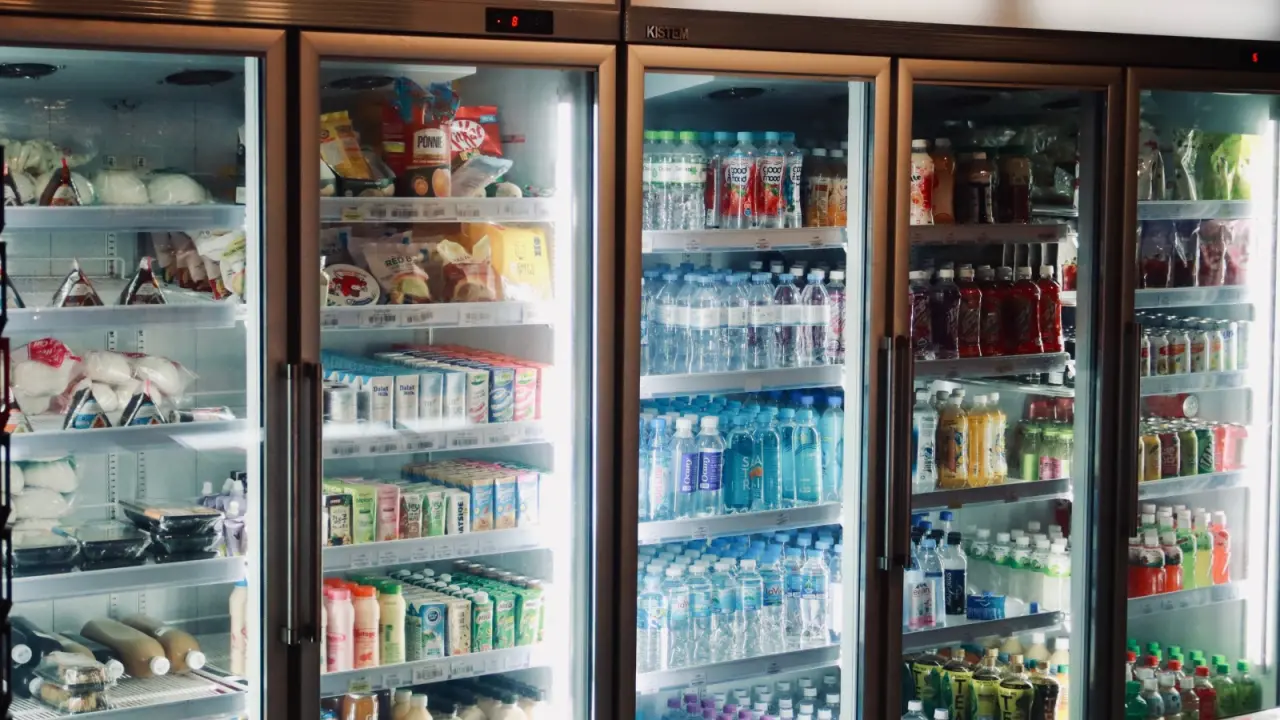
What Happened, Read as a Sequence
A cold-chain incident moved through stores from Scandinavia to Western Europe, with reports from Belgium, the Netherlands, Sweden, Luxembourg, Estonia, Finland and Ireland. Operators described remote tampering with connected refrigeration systems that pushed some cabinets and cold rooms to around 50 degrees Celsius, thawing product that then had to be pulled from sale. Chains caught up in it include the Ahold Delhaize group, the Swedish grocers ICA and Coop, and the Belgian banners Delhaize, Carrefour and Spar. Weeks earlier, France had already been struck in the same way, which is why this second wave landed so hard on the security conversation.
Belgium carried the widest footprint in this round. A local refrigeration service provider estimated that at least 20 refrigeration systems had been intruded on. The intrusion is described as having begun around midnight on Sunday, and many stores only registered the abnormal rise several hours later, when staff came in, when alarms finally surfaced, or when customers noticed water where ice used to be.
How a Freezer Gets Talked Into Becoming an Oven
The technique is not exotic, and that is the lesson for anyone running connected equipment. Commercial cabinets periodically run a defrost cycle to melt frost off the evaporator. It is meant to be short, automatic and invisible. Researchers who have dissected the management software behind these systems reported exactly this kind of exposure: in August 2026, Claroty's Team82 published research on vulnerabilities in refrigeration controller management interfaces, documenting how the embedded web panels that operators use to tune a whole store's cabinets could be reached over the network. The same research community counted roughly 2,800 such internet-facing management interfaces of one widely deployed controller family.
An attacker who reaches that panel does not need to break a compressor. They simply ask the equipment to keep defrosting. Normal temperature controls get bypassed, the heating element stays on, and cabinets climb above 50 degrees Celsius overnight. Meat, dairy and fresh produce stop being sellable; Swedish crews found themselves emptying cabinets in the middle of the night, and a store in Stockholm put a sign on the door saying its freezers were out of service because of a cyberattack.
| Dimension | France, weeks earlier | Latest wave across Europe |
|---|---|---|
| Reported scale | French chains supplied figures suggesting roughly 400 stores affected out of some 15,000, per BBC reporting | Dozens of stores reported; Belgium alone estimated at least 20 refrigeration systems |
| Method described | Remote commands to refrigeration controllers, sustained defrost, cabinets heated as high as 50 degrees Celsius, with some victims also reporting small fires | Same pattern: forced defrost, temperatures climbing above 50 degrees Celsius, discovery hours after the change |
| Time of day | Overnight | Around midnight on Sunday, noticed several hours later |
| Authorities visible | French national agency ANSSI issued an advisory naming Danfoss systems and later adding Copeland and Dixell controllers, urging operators to disconnect or filter panels reachable from the internet (Reuters, The Record) | The Centre for Cybersecurity Belgium said it had taken note of attacks on supermarket refrigeration and was monitoring developments |
| Attribution | Unclaimed at last reporting | Still unclaimed; no confirmed source |
Five Checks Your Facilities or Store Operations Team Should Run This Week
- Inventory the exposed side first. List every refrigeration controller, remote-monitoring box and energy-management panel with a public address or a vendor portal reachable over the internet. The remediation data is instructive: Cybersecurity Dive reported in mid-October that roughly 350 internet-facing instances of one common controller model were still discoverable, down from more than 550 days earlier - real progress, but a reminder that weeks later the list was not empty.
- Pull those panels off the public internet. Move them behind a filtered, segmented management network, or through a brokered VPN session that logs who did what. Filtering is the single change that removes the widest door.
- Separate old hardware from the update path. Equipment makers have said a large share of affected cabinets were legacy units that no longer receive software or security updates (Facilities Dive, citing Danfoss). If a controller cannot be patched, it cannot be trusted on an open network; plan a replacement or an isolation wrapper, and budget for the on-site work.
- Alert on behaviour, not just on temperature. A sustained defrost command, a setpoint rewrite, a new admin login at 2 a.m., or a controller climbing toward warm when it should be frozen are all cheap signals. Wire them into the same escalation path as a broken compressor.
- Put supplier access on a leash. Installers and service firms often connect many stores to one remote platform. Ask which accounts can change defrost schedules, require unique credentials, and keep a written log - because a shared remote tool is also a shared blast radius.
The First 24 Hours: A Sequence That Preserves Both Food and Evidence
- Isolate, then decide. Disconnect the affected controller from remote access before you start rewriting settings, or you will re-infect yourself mid-recovery.
- Take an honest temperature history. Timestamps from the controller, camera footage of the aisle and staff notes matter more than you think - they are what insurers, investigators and food-safety auditors will ask for.
- Separate sellable from suspect. Public health guidance is blunt: perishable food that has sat above 4 degrees Celsius for more than two hours should be discarded, because bacteria multiply fastest in that band (USDA Food Safety and Inspection Service). A cabinet held at 50 degrees Celsius for a few hours is not a grey area.
- Do not wipe for convenience. Preserve logs before resetting to factory state, and record which units were touched and when.
- Tell customers plainly. Several Swedish stores used social posts and door notices to explain that systems were being restored. Ambiguity costs trust far more than an empty freezer case does.
Common Misconceptions Worth Correcting
- "There must be a ransom note somewhere." An incident can be destructive without encryption at all. Heating food is cheap, fast and hard to deny, and nothing needs to be stolen to cause a loss.
- "Our tills and our Wi-Fi are the only things that matter." The cabinets, sensors, signage, cameras and energy meters are increasingly on the same flat shop-floor network. If a controller shares a gateway with a camera, compromise travels.
- "A firmware update is the whole fix." Vendors and service firms have both said some repairs need hardware changes performed on site, not just a remote update.
- "This is a European problem." Searches after the French incident found identical exposed controllers on other continents, including the US and the UK. Device models travel further than news does.
- "If the aisle looks fine, the food is fine." Product can be safely frozen again and still be unsafe to sell. Trust the temperature log, not the surface.
Why the Fix Is Slow - and Where the Debate Is Heading
The Belgian side of the story shows the operational bottleneck. Stephan Moelans, chief executive of refrigeration firm Sabcobel, said the手法 used matched the French incident almost exactly; over the past few weeks his technicians had been working through protective measures for customer equipment, yet some fixes still require physical hardware modification in the store, which cannot be pushed out remotely. He added that technicians had been working through the night and the following morning. In parallel, many grocers have moved refrigeration traffic into more secure network environments since the French incident - a step that reduces risk without erasing it, since the same device families remain in service.
The regulatory conversation is unresolved as well. Commentators pointed out that new EU product-security rules would not necessarily force fixes on controllers already installed in stores, which is why the practical burden falls on operators: segmentation, inventory, alerting and supplier discipline. Meanwhile the Centre for Cybersecurity Belgium continues to watch the situation, and no organisation has claimed responsibility.
FAQ
Could the same thing happen to a home fridge?
Not in the way described here. The affected equipment is store-scale refrigeration run by a central controller that many sites expose for remote diagnostics. Home appliances rarely carry an always-on management panel reachable from the open internet.
Is thawed supermarket food dangerous to buy later?
Store teams pulled affected stock because it could not be verified as safe, and food-safety guidance says perishables held above 4 degrees Celsius for more than two hours should be thrown out. If a store re-froze product without a documented cold chain, that product should not be on the shelf.
Why target food rather than bank accounts?
Because it is disproportionate leverage. No data is stolen, no ransom is needed, and the visible damage - empty shelves, discarded fresh produce - creates public attention and operational cost at once.
Who pays for the loss?
That is still being worked out commercially. Retailers in earlier incidents flagged that cover for cyber-driven physical loss on in-store equipment is not a settled insurance question, which is one reason device-level protection is cheaper than the aftermath.
What should a shopper do today?
Check the aisle, not the headline. Look for pooled water, softened packaging, frost buildup on the case floor, or a staff notice; if a frozen case looks wrong, choose another product and ask a staff member. If you bought something cold earlier that day and the store has since reported an incident, keep receipts and follow the discard rule above.
Action Advice: Three Audiences, Three To-Do Lists
- Store and retail operations: publish a one-page cold-chain incident response that names who may change defrost settings, how alerts escalate overnight, and how quickly a store may discard stock without waiting for head-office sign-off.
- Facilities and service contractors: treat remote access as a credential to be audited quarterly, keep a legacy-equipment register with a migration date, and agree with clients which units get hardware retrofits first.
- Consumers and small-business owners: assume any connected device can be driven remotely. Check whether your cold storage, alarms or HVAC panels have a public address, and close it before the next incident makes the question urgent.
Two waves of attacks on refrigeration across Europe have shifted the argument about the internet of things from theory to invoice. The devices are ordinary, the software is often dated, and the damage is measured in tonnes of food and hours of public trust. A store that has never heard of its own controller model is exposed in exactly the same way as one with a full security team - and the remedy is not glamorous: know the devices, close the doors, watch for behaviour that looks like a defrost that never ends. That is the practical takeaway MyTechDailyNews would give to anyone who keeps cold things cold, wherever on the map they sit.