
MyTechDailyNews General: Commodore 64C Reissue Uses 1980s Molds
A familiar beige computer is moving back toward the center of the retro-computing conversation. Recently, the new team responsible for the Commodore brand said that a fresh Commodore 64C replica is being prepared for the market. The planned machine keeps the classic look while drawing heavily on production resources from the 1980s. For general tech readers, the interesting point is not only nostalgia, but how a piece of computing history can be brought back without pretending to be a modern gadget in disguise.
Key changes in plain language
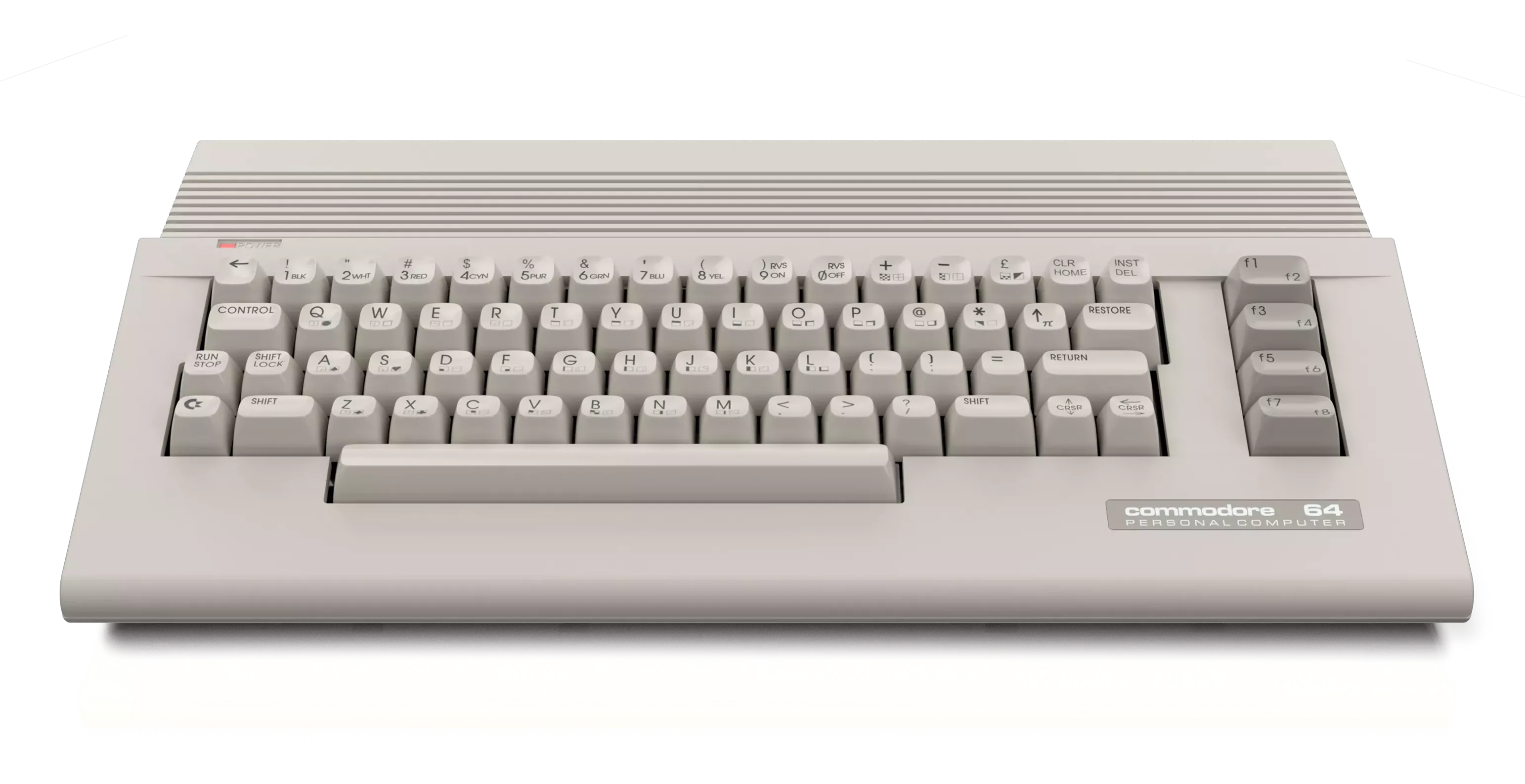
According to public information, one of the main points of the new Commodore 64C is its case: it is to be produced using injection molds from the original 1986 machine. These tooling assets had been inactive for decades. Their return allows the reissued case to reproduce the size, structure, and details of the classic design as closely as possible.
The project team said that over the past several months it gathered large amounts of historic inventory. The items included the original case molds, keycap molds, and some unused parts from that era. To meet current manufacturing standards, the team repaired and modernized these aging production resources.
Unlike many retro products that rely on emulators, the new Commodore 64C is positioned as a platform that can run native C64 software and games. The development team emphasized that it wanted to build not only a collectible, but a complete computer with historical value and practical usability.
How the classic design meets modern use
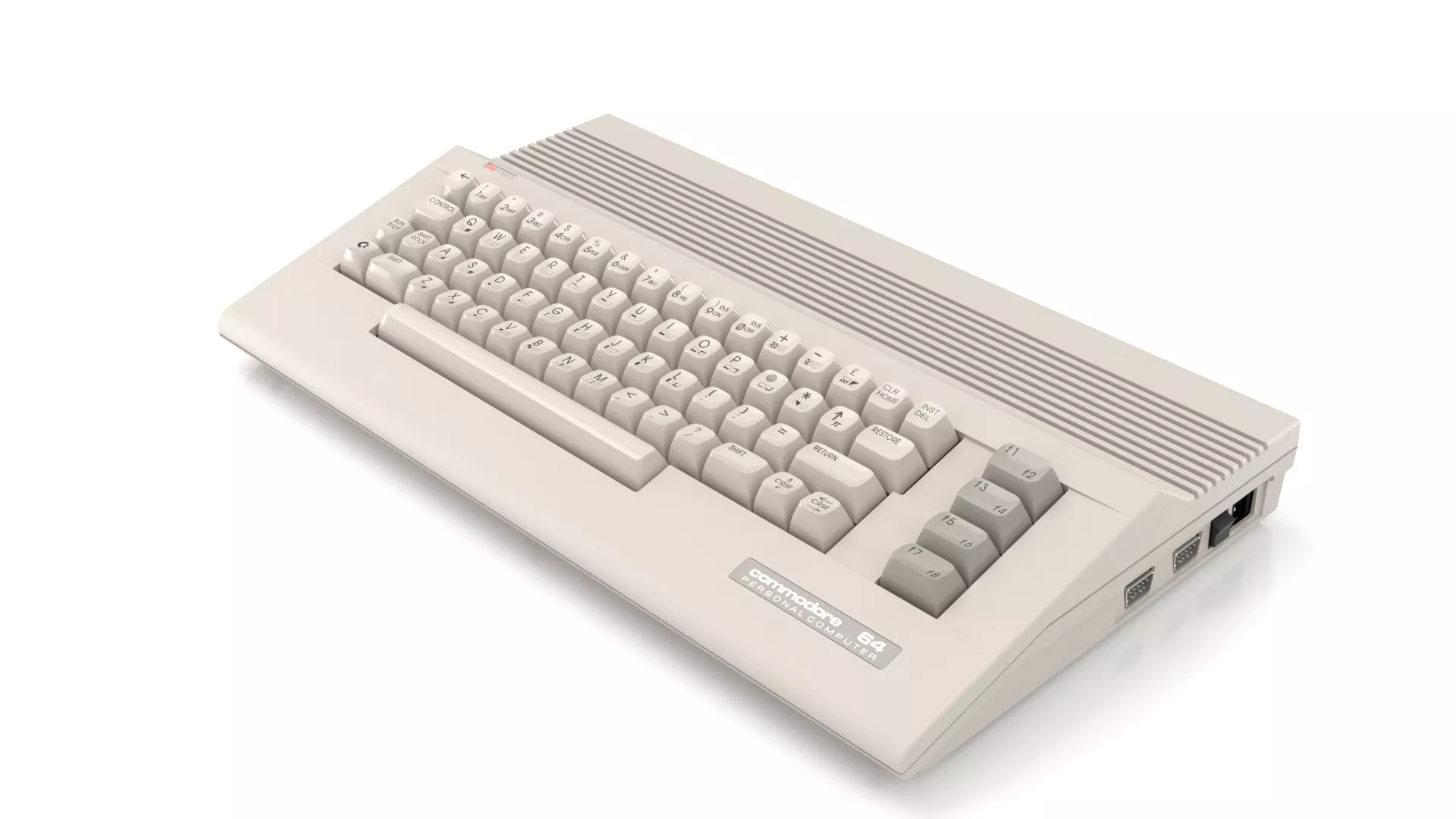
While keeping the classic beige appearance and the recognizable keyboard layout, the new machine introduces modern interfaces and improved design choices. These changes make it easier to connect contemporary displays and external accessories. The brand's stated goal is to let users experience the software ecosystem of the 1980s while also fitting more conveniently into a modern home environment.
Why Commodore 64 still matters
The Commodore 64 was first introduced in 1982. It became popular worldwide because of its relatively low price, extensive library of games and software, and capable hardware for its era. The product eventually reached tens of millions of units sold and is widely regarded as one of the most successful single computer models in history. The Commodore 64C, released in 1986, adopted a slimmer, more modern-looking chassis and became a representative version for many fans.
In recent years, enthusiasm for retro gaming and classic computing devices has continued to grow. Many manufacturers have released nostalgic consoles and replica products. However, cases that can use original production molds are extremely rare. That is why the announcement of this Commodore 64C reissue quickly drew wide attention in the retro computing community.
At-a-glance summary
| Topic | What the announcement says |
|---|---|
| Machine | A new Commodore 64C replica is planned for the market. |
| Classic tooling | The 1986 case injection molds are being reused after decades of inactivity. |
| Inventory found | Case molds, keycap molds, and some unused parts were gathered over the past several months. |
| Manufacturing | Old production resources were repaired and modernized to meet current standards. |
| Software approach | The platform is positioned for native C64 software and games, not only emulator-style retro products. |
| Modern connection | Modern interfaces and improved design help connect contemporary displays and accessories. |
Checklist: what to look for as a general reader
- Look at the design language: the reported plan keeps the classic beige case and keyboard layout associated with the Commodore 64C.
- Look at the production story: original molds, keycap molds, and unused components are the reason the reissue is described as unusually faithful.
- Look at the usability angle: the product is framed as a computer for native C64 software, not merely a nostalgic shell.
- Look at the modern fit: the emphasis on contemporary displays and accessories indicates the goal is daily use, not shelf-only display.
- Look at the audience mix: the team describes collectors and younger users as targets, which suggests the story is both preservation and education.
Common misconceptions
- “It is only another emulator box.” The article positions the new Commodore 64C as a platform for native C64 software and games, distinguishing it from many retro products built around emulation.
- “Old molds cannot be used today.” The team says the molds and equipment were repaired and modernized to satisfy current manufacturing standards.
- “The Commodore 64 and Commodore 64C appeared at the same time.” The original Commodore 64 appeared in 1982; the Commodore 64C version discussed here is tied to the 1986 design line.
- “A replica only matters to long-time collectors.” The project team says it also wants to attract younger users who are learning about the trajectory of computing history.
- “This turns retro computing into a mainstream category.” The coverage says interest in classic devices has continued to grow, but it does not turn that interest into a broader market claim.
FAQ
Is the new Commodore 64C exactly the same as the original?
It is not described as an unchanged time capsule. The case design is expected to return closely because it uses the 1986 molds, while modern interfaces and improved design choices are being introduced for current displays and accessories.
Where did the original tooling come from?
Public information says the project uses injection molds from the original 1986 model. The molds had been inactive for decades before being brought back into service.
What parts or production assets were recovered?
Over the past several months, the team collected original case molds, keycap molds, and some parts from that era that had not been used. These historical resources were then repaired and modernized.
Will it run classic C64 programs?
The stated positioning is that the new Commodore 64C will be a platform for native C64 software and games, rather than a product that depends only on emulators.
Who is the machine aimed at?
The team points to two broad audiences: long-time collectors and younger users interested in computer history. For people who lived through the home-computer era, the article describes the machine as a return of early digital-era memories.
Action advice for readers
- Treat the story first as a preservation project: the most newsworthy detail is the reuse of 1986 production tooling after decades of inactivity.
- Separate nostalgia from practical fit: judge the machine by whether it supports native C64 software, modern connections, and build-quality claims.
- Watch announcements from the team responsible for the Commodore brand, and avoid filling missing details with speculation.
- If you collect retro computers, note the mention of original case molds, keycap molds, and unused period components as rare production evidence.
- If you are newer to the topic, use the Commodore 64C story as an entry point to the broader history of 1980s home computing.
Why this announcement lands beyond nostalgia
The Commodore 64C story connects three things usually kept apart: manufacturing archaeology, software compatibility, and present-day convenience. It is built on 1980s tools and parts, yet it is framed around modern screens and accessories. It aims at people who remember the Commodore era, while also reaching readers discovering that history through retro gaming. In a market where many retro devices stop at emulation, the use of original molds makes the new Commodore 64C a case worth tracking.