
Arizona's Water Fight Splits the Tech Boom: Not One Drop for Data Centers, but a Welcome for Chip Plants
By Sarah Chen, MyTechDailyNews · Tech Daily
Water policy has become an unusually public tech story in the American Southwest. In Arizona, the debate around new technology sites is no longer only about taxes or jobs. It is about whether residents believe the water, land and electricity used by a facility will leave something valuable behind.
One evening in August this year, near a construction area on the edge of Tucson, Arizona, critics gathered beside a project proposed by Beale Infrastructure.
They carried handmade signs warning that the planned data center could “suck our water dry.” Organizers told people to hydrate, and some brought shared drinks.
The Verge reported that Arizona is facing severe drought and that its share of Colorado River water will fall by nearly 30%. Tucson depends on the Colorado River for about 70% of its supply. The city has tried to manage scarcity through conservation and groundwater recharge, but some residents say saved water should stay with families and future generations instead of supporting corporate expansion.
One local group, the No Desert Data Center Coalition, turned that concern into a slogan: “Not one drop of water for data.” The group, also described as a coalition for no desert data centers, has kept pressure on officials.
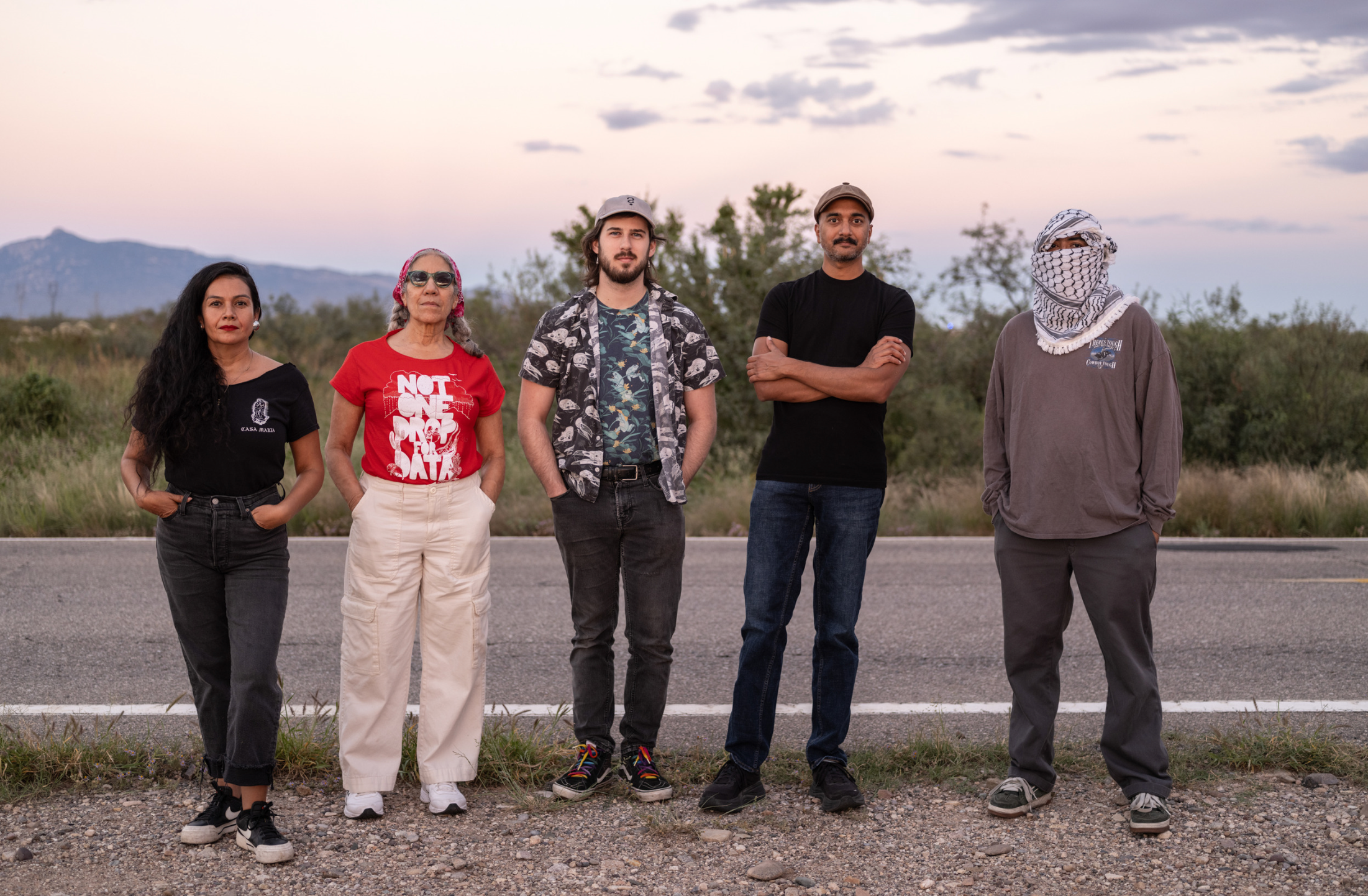
The protest imagery was paired with claims that a desert data center could drain local supplies.
Project Blue: promises, secrecy and a changed water plan
The central dispute is over Project Blue, a data center planned in Pima County outside Tucson. It covers about 290 acres and is designed for 600 megawatts. Critics have questioned whether it is wise to place a water- and power-intensive facility in the Tucson desert.
Beale Infrastructure initially highlighted economic value: around 3,000 temporary jobs during construction, 200 high-paying positions after opening, and about $152 million in tax revenue over the next decade.
However, early information handling unsettled residents. The local government signed a confidentiality agreement with the developer, making it difficult for the public to learn which company was behind the project or how its water arrangements would work.
Concerns continued in public meetings. In July 2025, Beale held an information session attended by about 200 people. A second session attracted more than 1,000 people, and boos interrupted the developer's opening presentation.
To address water fears, Beale once promised to pay for a pipeline about 18 miles long that would bring recycled water into the supply system. Under that plan, construction would use drinking water, operations would shift to recycled water, and surplus water could recharge the aquifer.
The plan required the City of Tucson to approve land and water service. As opposition grew, the city did not approve it. Beale then sought to move the project through county channels and dropped the pipeline idea.
Officials later approved wells at the site, allowing the project to draw annually up to 31 million gallons of groundwater, equal to 117,000 cubic meters. A Beale spokesperson said that water would be limited to construction, while operational use would be confined to restrooms, staff kitchens, health and safety needs.
Beale also changed its cooling approach, abandoning water cooling for closed-loop air cooling. The report said that this change caused Amazon's cloud services arm AWS to withdraw from the project because air cooling could not meet its needs. Beale declined to say whether it had found new customers.
Opponents remained skeptical. They argued that air cooling could increase electricity use, and electricity generation can also consume water. Beale denied that the revised cooling plan would raise total energy use.
Construction has started, but friction has not disappeared. Contractors once used a municipal fire hydrant to suppress dust, drawing attention to the use of about 650,000 gallons of drinking water. Local officials later asked Beale to provide a corresponding water allocation as compensation. Beale said the contractor had obtained a temporary water permit through normal procedures.
In September this year, the Pima County Board of Supervisors approved a 120-day pause on approvals for new data centers. The decision did not stop Project Blue once construction was already underway.
Marana shows how one project can split a town
A similar fight is happening in Marana, about 20 miles northwest of Tucson. Beale plans a data center campus of about 600 acres there, on land that had partly been used for farming.
The developer says the project could produce $407 million in taxes over the next decade, with more than one-third going directly to the town. Marana's local government has imposed limits: data centers may not use municipal water for cooling systems, and must meet design, noise and power supply requirements. Beale says the Marana project would use about 6.6 million gallons annually after completion.
Supporters emphasize revenue and jobs, and some union members spoke at town council meetings. Opponents worry that the campus could change a small town's environment and consume resources while producing limited long-term employment.

Cybersecurity analyst Jackie McGuire, whose name also appears as Jackie Maguire in local coverage, became one of the most visible opponents. Some have called her a “pink-haired liberal” after she won a Marana Town Council seat on an anti-data-center platform.
McGuire moved to Marana from California 15 years ago and raised her children there. She told The Verge that she fears data centers could undermine the lifestyle that made her want to stay, and that the AI investment boom carries long-term risk. Her own work depends on cloud services, but she does not want the whole town to bet its future on a sector that could fluctuate.
Residents gathered about 2,800 signatures in hopes of a referendum on data centers, but town officials rejected the effort on procedural grounds. Opponents then decided to run for office, and McGuire won.
She said she had heard residents with conservative politics say that they might not normally support a pink-haired liberal, but would back her because they opposed the data centers.
Why TSMC gets a warmer welcome
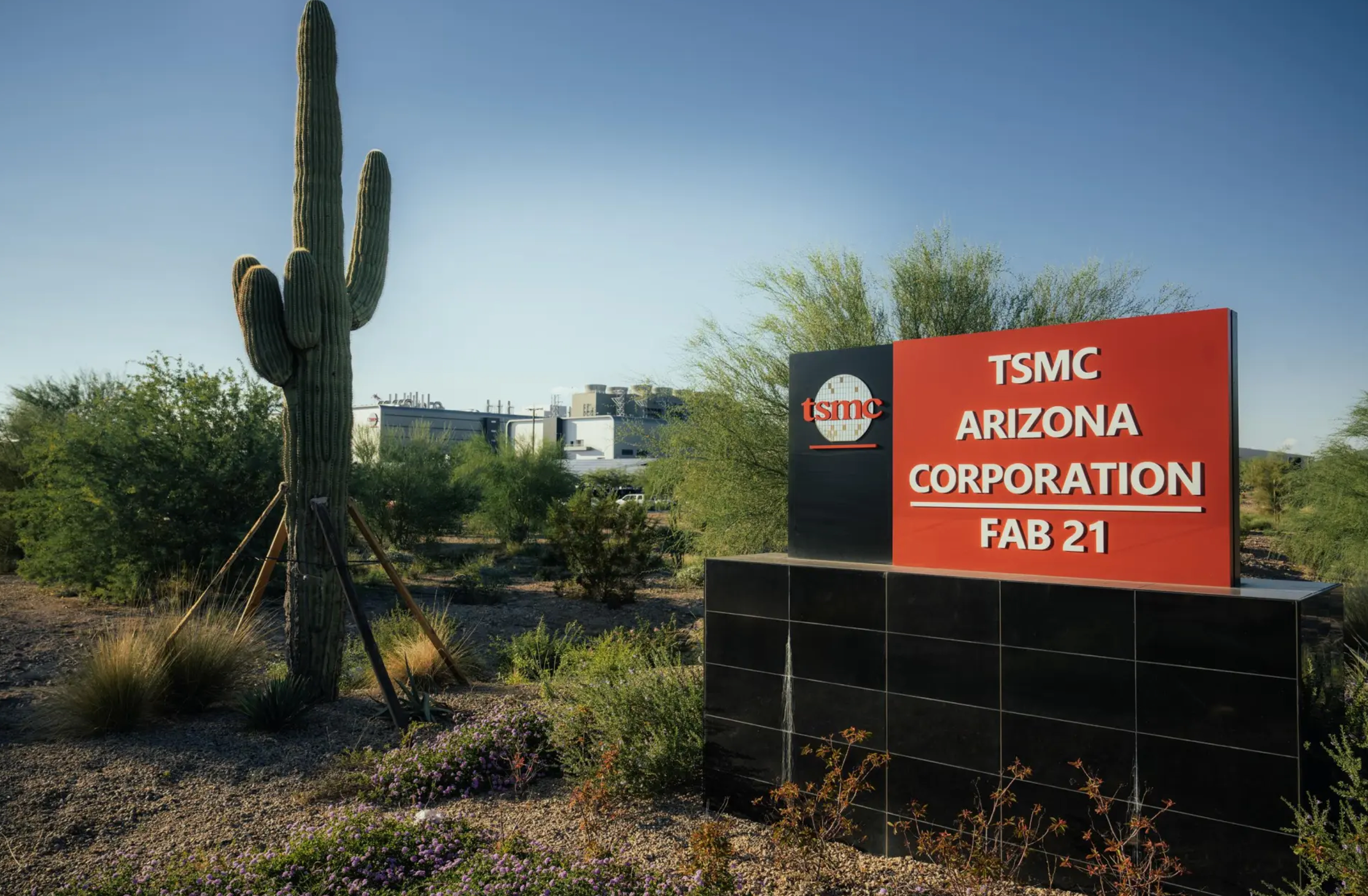
The contrast is stark. TSMC's chip manufacturing campus in Phoenix uses about 4.75 million gallons every day through municipal water, a figure that can be described as nearly 5 million gallons daily and equal to about 18,000 cubic meters. At the TSMC Arizona headquarters in Phoenix, the operation has more than 3,500 employees.
Chip fabrication requires large amounts of ultra-pure water because wafers are washed repeatedly. Paul Westhoff, of the Arizona State University Global Water Center, told The Verge that each chip can need 50 to 250 washes; even tiny particles or impurities can affect performance.
But water withdrawn is not always water consumed. Sarah Porter, a water policy expert at Arizona State University, said TSMC's first Arizona factory recycles about 60% to 65% of the water it uses. The company plans to raise that recycling rate to 90% by 2028.
The economic case has also shaped the local reaction. The Verge reported that TSMC Arizona employs more than 3,500 people and that the plant has drawn suppliers, restaurants and support businesses. Real estate agent Rebecca Chen has seen more clients connected to TSMC and its supply chain.
Kristin McKay, a Phoenix economic development official who helped attract TSMC, has framed the issue around the economic value created per gallon of water. By that standard, the city sees a chip plant as a different kind of neighbor than a data center.
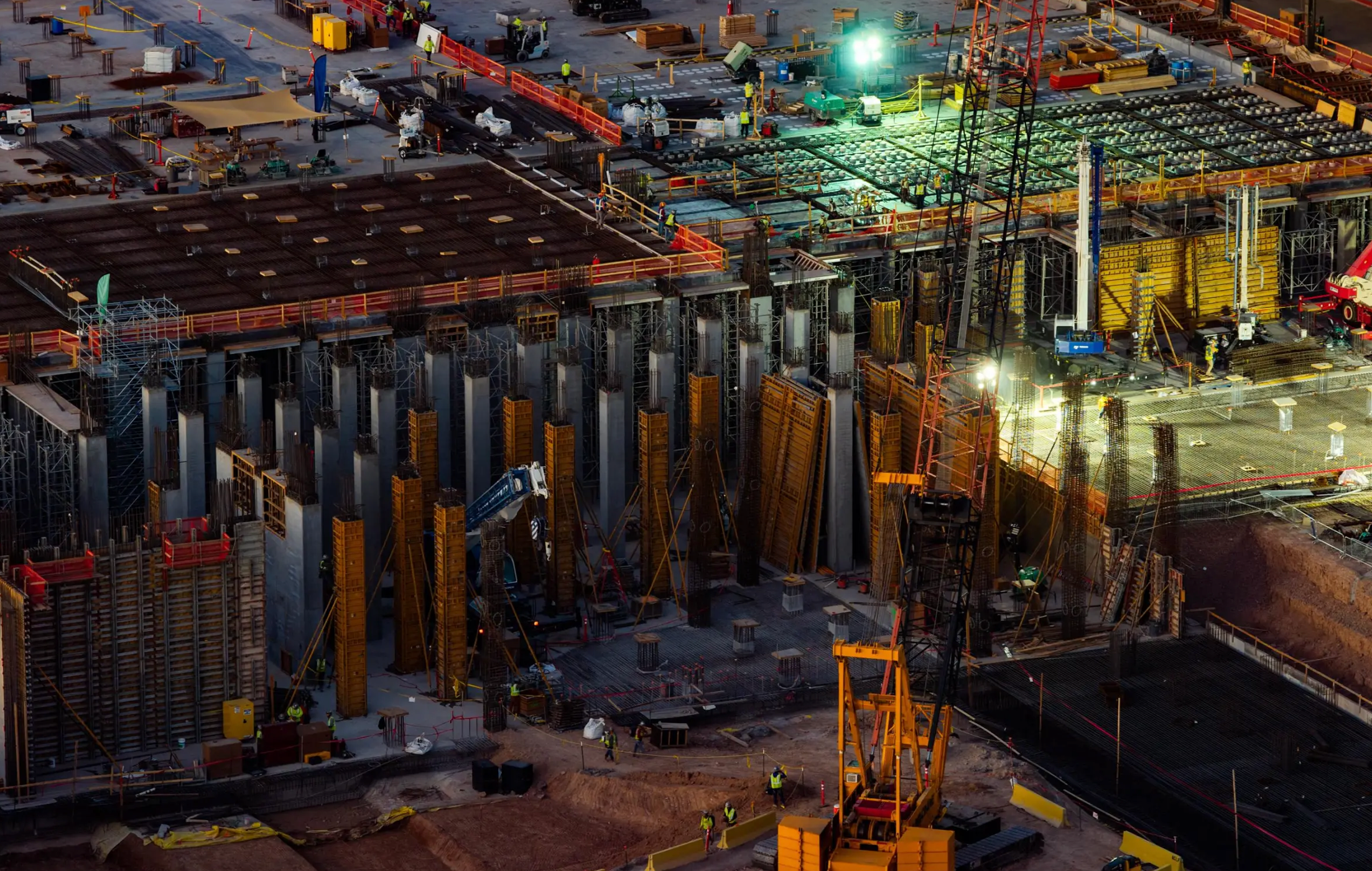
Construction of the TSMC Arizona headquarters continues in Phoenix.
The bigger water story: agriculture and the limits of comparison
The Verge noted that blaming Arizona's water shortage only on data centers would overlook a sector with deeper roots and a far larger footprint: irrigated agriculture.
In this desert state, agriculture is estimated to account for about 70% of total water use. Cotton, citrus and alfalfa grown for livestock have long depended on heavy water consumption.
As an illustration, the Saudi agricultural company Fondomonte once grew alfalfa in Arizona and shipped feed overseas. Its water use in 2023 was about 11 billion gallons, much larger than the up to 31 million gallons of groundwater per year approved for Project Blue during construction.
Yet those figures come from different locations, water sources, uses and time periods. They cannot simply be added together, nor do they directly prove how one data center will affect a specific community's supply.
Porter argues that some of Arizona's long-standing agricultural water use is difficult to sustain, and that from the perspective of economic output, data centers and chip manufacturing may represent another way to use water resources.
For many residents, however, agriculture's larger use does not erase the unease created by new industrial projects. Households have already reduced their own consumption, and they now face additional large facilities. Even when developers promise savings, people want assurance that water will remain available for decades to come.
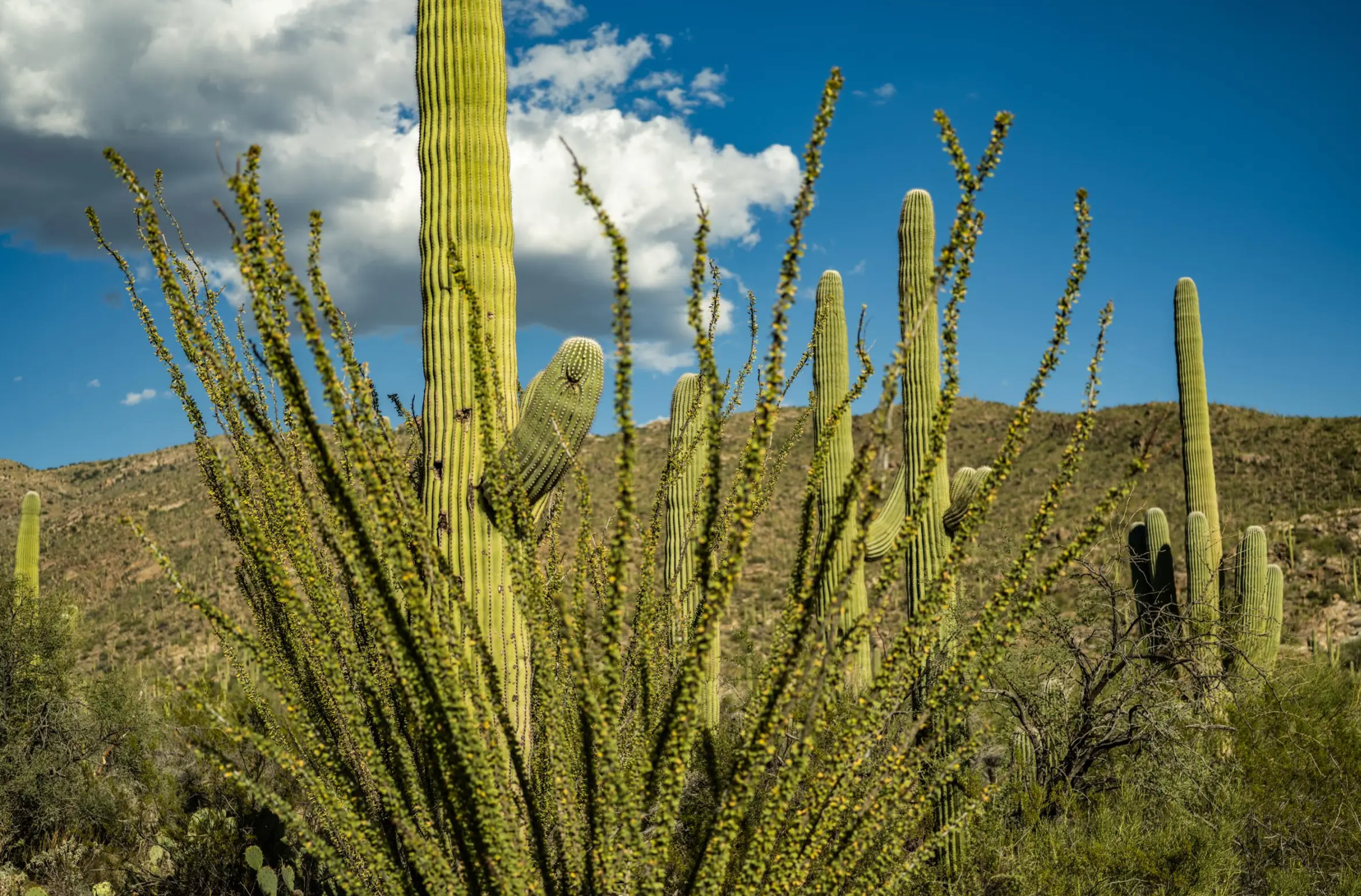
Giant saguaro cacti survive on very little water, yet the plants in Arizona are increasingly dying.
Water quality adds another layer
The debate is not only about volume. Semiconductor manufacturing uses fluorinated chemicals, including per- and polyfluoroalkyl substances, often shortened as PFAS. Some of these compounds break down slowly in the environment, and exposure concerns have drawn attention to water safety.
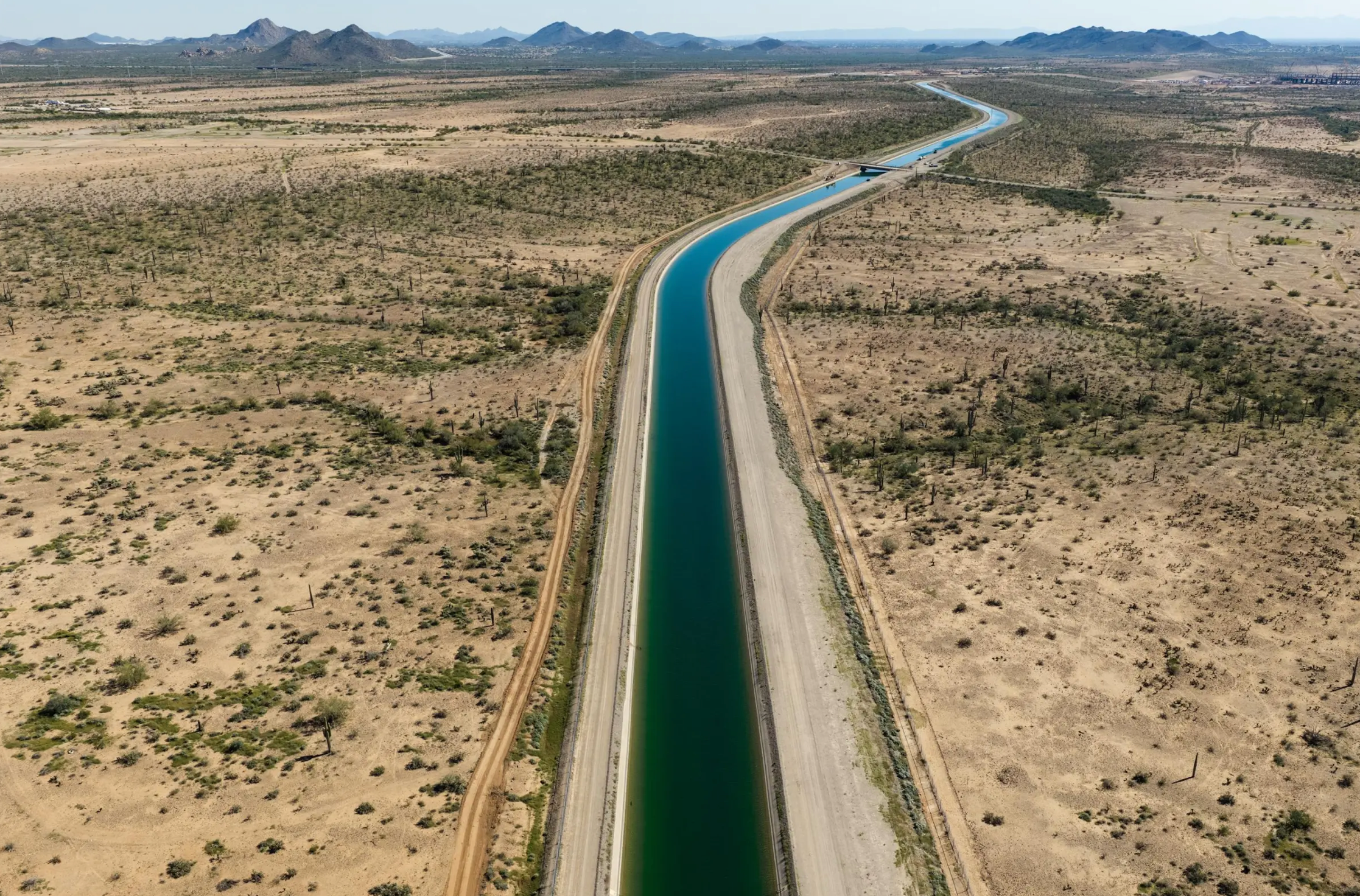
Part of central Arizona's water delivery system carries Colorado River water toward Phoenix, and irrigation canals in the region are a visible reminder of how stretched the supply chain is.
Local environmentalists worry that poorly managed industrial wastewater could worsen groundwater contamination. In Tucson and surrounding areas, military facilities and manufacturing operations have left groundwater problems that are still being addressed.
TSMC says it is improving internal PFAS detection systems, developing technologies to remove such substances from wastewater, and researching alternative materials in manufacturing. Porter noted that Phoenix requires TSMC to treat wastewater before it is discharged into the municipal sewer system.
Common misconceptions about the Arizona water fight
- The protest is just emotional opposition to growth. In fact, the local arguments mix secrecy, water rights, tax promises, cooling design, electricity demand and long-term community identity.
- A large water-use number automatically means water is lost. Withdrawal and consumption are different; TSMC's recycling plan shows that some facilities reuse a significant share of water.
- A data center's operating water tells the whole story. Critics also point to construction water, land conversion, power generation and indirect resource effects.
- Agriculture's larger total use settles the debate. Comparisons involve different sources, places and time frames, so they do not prove or disprove the impact of a single facility.
FAQ: Arizona data centers, chip plants and water
Why did residents target Beale Infrastructure and Project Blue?
Project Blue would be built in the Tucson desert in Pima County, and residents worried about drought, Colorado River cuts, groundwater use and the way information about the project was handled.
Why did the project's water plan change?
Beale once proposed a recycled-water pipeline, but the City of Tucson did not approve the land and water-service arrangement. The developer then moved through county channels, abandoned the pipeline and shifted to wells for construction use.
Why did AWS reportedly leave the project?
Beale replaced water cooling with closed-loop air cooling, and the report said AWS withdrew because the revised facility could not meet its needs.
Why is TSMC's large water use more accepted?
TSMC's Phoenix campus uses about 4.75 million gallons every day, but officials point to employment, tax revenue, supplier activity and a recycling plan. The contrast is not about water alone; it is about perceived local return.
What happened in Marana?
Opponents gathered about 2,800 signatures, the referendum was rejected on procedural grounds, and Jackie McGuire—also written as Jackie Maguire in some coverage—won a Marana Town Council seat while criticizing data centers.
A checklist for readers evaluating large tech projects
- Ask who pays for water, land and infrastructure.
- Check whether the water source is drinking water, recycled water, groundwater or surface water.
- Separate construction use from long-term operational use.
- Look for public disclosures instead of relying only on marketing promises.
- Ask whether local rules, not just company statements, create durable limits.
Action suggestions
- Follow county and city meeting records when a data center or fab is proposed.
- Read the actual conditions attached to well permits, cooling plans and wastewater requirements.
- Ask local officials to compare water, power and tax outcomes rather than treating one headline number as decisive.
- Support clear public reporting on industrial water use, especially in drought-prone regions.
Arizona's dispute shows that technology expansion is now judged through a community lens. A chip plant and a data center may both consume water, but they do not enter a town through the same door. For residents, the outcome depends less on a single slogan and more on the balance they can enforce over jobs, water rights, transparency and long-term risk.