MyTechDailyNews General: Apple Reclaims the Market-Cap Crown as iPhone and New Products Outpace Nvidia
During the past week, technology shares faced broad selling pressure, yet Apple Inc. still moved ahead of Nvidia in the ranking of public-company market values. The result reflects a repeated battle in recent years: iPhone and services are Apple's main economic engines, while Nvidia has been driven by AI-chip demand. For the moment, Apple's product cycle and market confidence made the difference.
The immediate trigger was a set of closing figures. On October 30 closing data, Apple's share price was $344.63 and its market capitalization reached $5.03 trillion. Nvidia also declined that day, ending at $204.64, which placed its value around $4.93 trillion and left it below Apple.
| Company | Closing price | Market value |
|---|---|---|
| Apple | $344.63 | $5.03 trillion |
| Nvidia | $204.64 | $4.93 trillion |
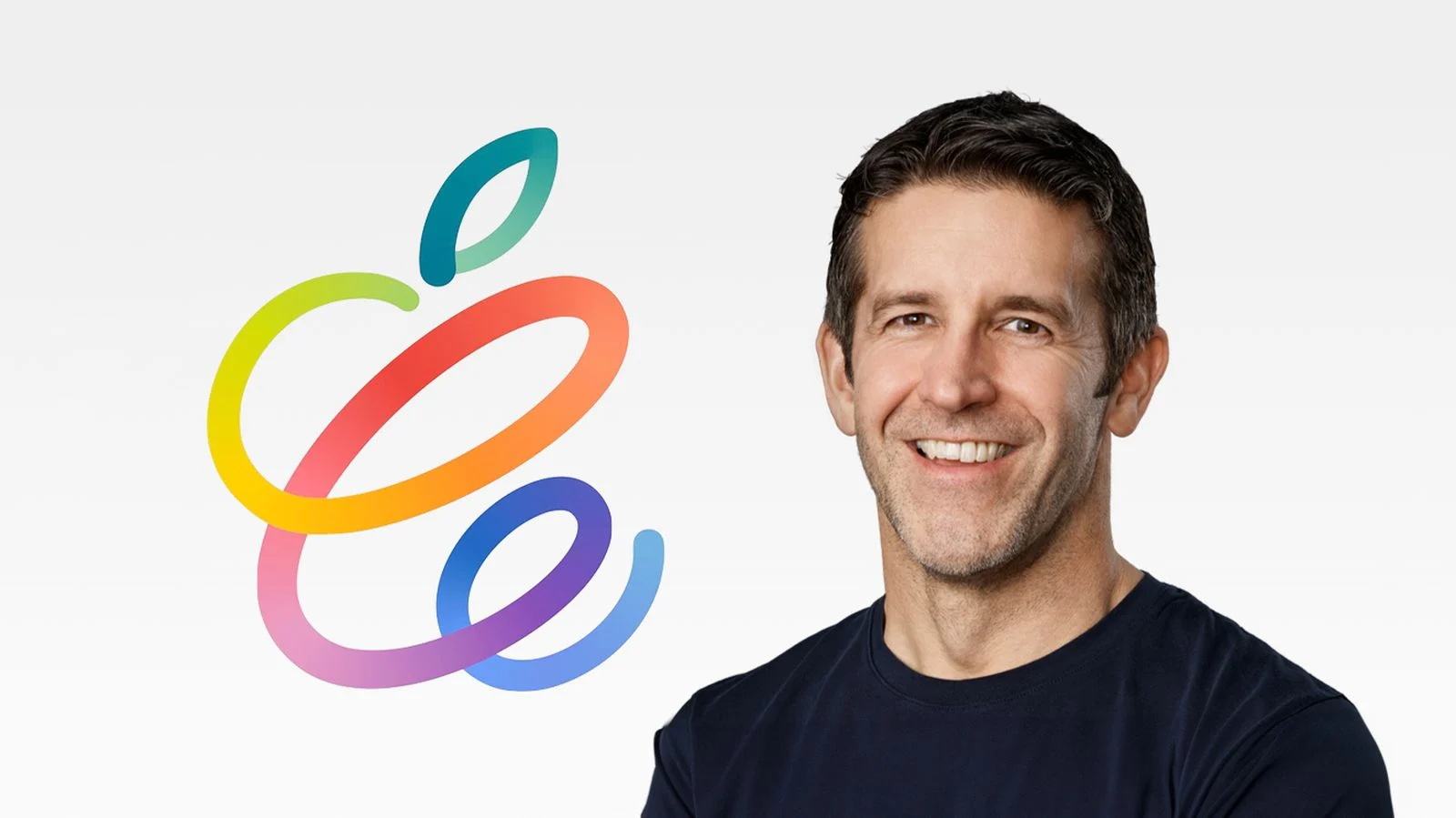
Another element mentioned alongside the market-cap shift is leadership transition. The steady handover from Tim Cook to John Ternus contributed to investor confidence, even as parts of the hardware story are still being reassessed.
Why the Ranking Moved, Without Over-Reading the Quote
Market-cap titles are snapshots. They answer "who is most valuable right now," not "who will dominate the next decade." At the current stage, the data show Apple as the world's most valuable listed company. The analysis suggests the iPhone product cycle, recent launches, and the perceived stability of the management transition mattered to investors.
From the broader timeline, Apple had first crossed the $4 trillion market-capitalization mark in October 2025, then passed the $5 trillion threshold in July 2026. After those milestones, the company changed the way it presents hardware: the once single yearly iPhone launch was split into two-phase releases, and some prices rose because of cost pressures. The two main products associated with the latest enthusiasm are iPhone Duo, Apple's first foldable phone, and HomeView, a device tied to its first large-scale move into smart home.
A Cautious View on the Base iPhone Schedule
Not everyone reads the schedule change in the same way. Loop Capital had previously said that moving the base iPhone launch from the traditional September to early 2027 might confuse some consumers. The concern was twofold: some sales could be lost, and the eventual market performance of that base model could be weaker than expected. Yet the overall market assessment still appears positive, indicating that investors have focused more on Apple's wider product strategy and consumer pull than on a single timing issue.
Checklist: What General Tech Readers Can Take from This Story
- Track the demand signal: iPhone demand is again central to Apple's market valuation.
- Separate ranking from long-term outcome: The market-cap lead can change in the AI and hardware race.
- Watch release cadence: two-phase iPhone timing may shape purchase expectations.
- Look at product heat: two new products sold out quickly in the preorder period, showing strong consumer interest.
- Read queues carefully: long waits at an Apple Store, with people waiting hours or even days, are a visible signal of demand but not a complete measure of long-term sales.
FAQ: Three Common Questions About Apple's Return to the Top
Does the ranking mean Nvidia's AI story is over?
No. The facts show a short-term market-cap shift during the past week. They also show that the global top spot may continue to pass between Apple and Nvidia for several years to come as artificial intelligence expands and both businesses grow.
Did new products alone explain Apple's rise?
No. The product cycle, demand for iPhone, services, the leadership transition, and investor confidence all appear in the same market narrative. The two new products were important visible catalysts, but not the only reason.
Should consumers rush to buy the new devices?
The article records strong preorder demand, but it does not show that every buyer needs the devices. For everyday tech users, the useful point is that Apple's new hardware lineup and release timing are generating visible consumer attention.
Common Misconceptions
- "The market-cap leader must be the best seller." The ranking can reflect investor expectations, product momentum, and overall strategy; it is not a simple one-week unit-sales chart.
- "A delayed base iPhone means the whole iPhone business is weak." The Loop Capital point concerns possible confusion and lost sales for that specific timing change, while the broader market still treated Apple positively.
- "AI chip demand and iPhone demand are separate worlds in this contest." The ranking shows investors comparing two business models at once: AI infrastructure demand and Apple's device-and-services ecosystem.
Action Suggestions
- If you follow tech markets: compare the next closing snapshots, not just the headline ranking, to see whether Apple's lead is durable.
- If you track product strategy: watch whether the two-phase iPhone schedule changes consumer purchase behavior, especially around the base iPhone.
- If you are a general user: treat long preorder sellouts as a sign of high attention, not automatically a reason to upgrade immediately.
- If you write or report on this topic: keep the numbers and timelines exact, including October 30 closing, $344.63, $5.03 trillion, October 2025, $4 trillion, July 2026, and $5 trillion.
The larger story is a contest of engines: AI chips versus devices and services. For several years to come, the answer may keep changing. At the current stage, however, the crown has moved back to Apple, powered by iPhone demand, a refreshed hardware lineup, and a market that rewarded the transition from Tim Cook to John Ternus with confidence.