
Apple OLED Process Upgrade: What iPhone and iPad Buyers Need to Know
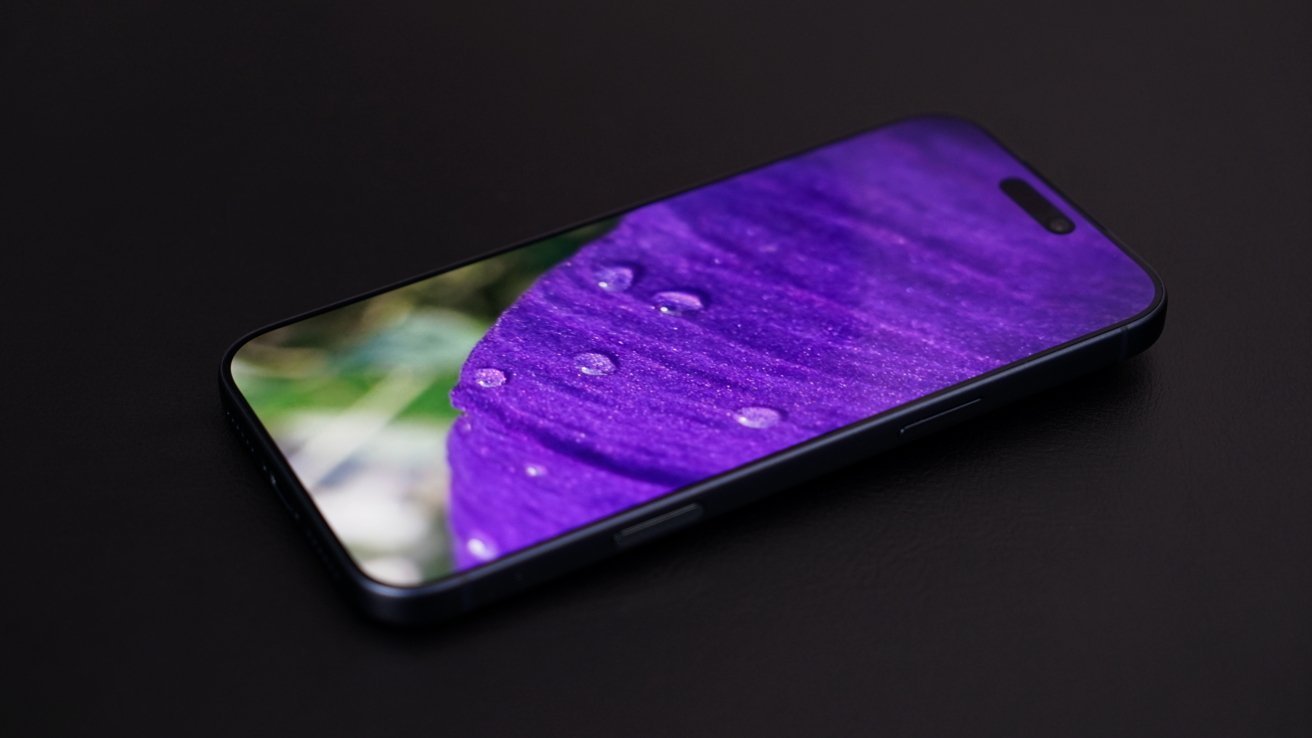
Apple is weighing a behind-the-scenes change to OLED panel production that could matter more to everyday screen quality than to factory brochures. The core idea is simple: if each pixel can emit light more efficiently, an iPhone or iPad could look brighter in sunlight, show deeper contrast in movies, and preserve color separation in dark scenes without asking the battery to work harder.
At the center of the story are two display suppliers, Samsung Display and LG Display, which are reportedly exploring new manufacturing routes. Apple's interest, according to The Elec, includes high-mobility oxide, or HMO, backplane technology, with the existing sputtering process as a priority candidate and atomic layer deposition, or ALD, as another option under development.
Why a manufacturing detail can feel like a product upgrade
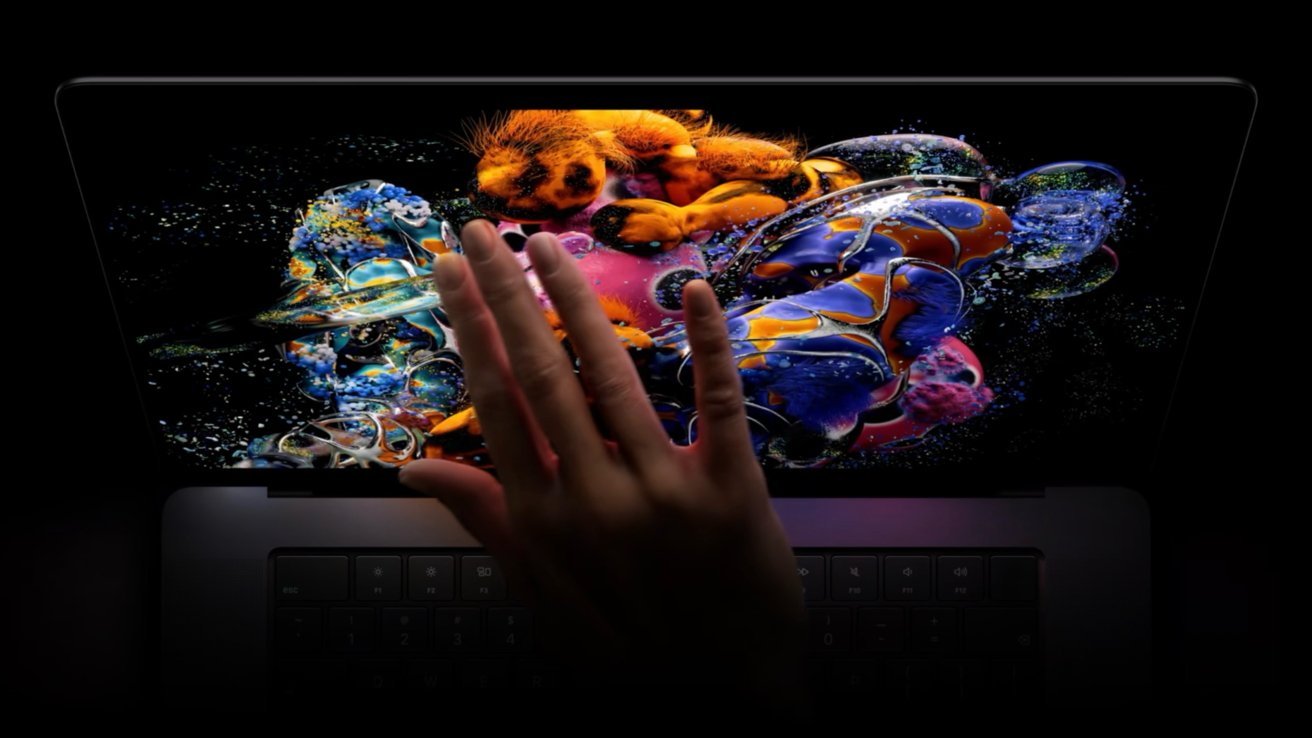
OLED is often described as "self-lit pixels," and that is enough for most buyers. But the layer beneath the pixels controls how electricity reaches them. HMO is being discussed because it may improve that control. Better control can translate into more efficient light output. A more efficient panel can either become brighter at the same power level or maintain current brightness while reducing energy waste.
The manufacturing choice matters because brightness is not just marketing. If the production route is compatible with existing lines, it may arrive sooner. If a new line or more delicate process is needed, Apple may wait before putting the technology into high-volume devices.
Q&A: high-frequency questions and short answers
Q: Does this mean the next iPhone or iPad will definitely be brighter?
A: Not guaranteed. The reported work is still at the process-evaluation stage. Apple has not disclosed a launch date, product model, or which panel factory will produce the first units. A practical way to think about it is: the direction is credible, but the timing is not final.
Q: Why is sputtering more likely to be adopted first?
A: Because it is an existing method that may require less disruption in factories already making displays. ALD can be attractive because it offers precise thin-film control, but precision often means new equipment, new qualification cycles, and more time.
Q: What should ordinary buyers care about?
A: Brightness, contrast, color depth, and power consumption. A manufacturing upgrade that improves pixel efficiency can make those numbers move together, but the effect depends on panel tuning, device thermal design, and software.
Scenario check: who benefits most from Apple’s OLED process push
| User scenario | Why an HMO-style OLED path may matter | What to avoid |
|---|---|---|
| Outdoor commuters | Higher panel efficiency can make sunlight readability easier without relying only on peak brightness claims. | Do not buy on "next-gen OLED" rumors alone. |
| Video and photo users | Improved pixel control can help dark scenes reveal layered detail instead of turning grayish. | Do not confuse OLED with HDR; content and screen tuning still matter. |
| Students and office users | More efficient light output could support longer screen time under sustained use. | Do not assume battery life will improve automatically. |
| Early adopters | A first-generation adoption may bring noticeable visual gains. | Accept potential yield or availability risks during early mass production. |
Checklist before you decide
- Wait for an official Apple statement before treating the process change as a reason to upgrade.
- Compare brightness in nits under real conditions, not only peak HDR numbers.
- Check whether the device uses Apple's latest OLED tuning, thermal controls, and power-management software.
- Look for independent reviews of the exact model and panel version, not general OLED praise.
- If you need a device now, prioritize price, repairability, and current screen quality over a possible future process.
Common misconceptions
- False: HMO means every screen issue disappears. It is a backplane and process direction, not a complete display promise.
- False: ALD is better than sputtering in every case. ALD may provide precision advantages, but manufacturability, cost, and compatibility can decide adoption.
- False: Samsung Display and LG Display are simply racing to Apple's orders. Apple's final route depends on yield, cost, device fit, and supplier stability.
- False: bigger OLED factories automatically solve supply shortages. Capacity is important, but a new process still needs qualification and volume ramp.
What new supply-chain details add
The supply picture is moving as fast as the technology story. The Elec, citing UBI Research, reports that Samsung Display is expected to supply about 46 million OLED panels for Apple's iPhone 18 lineup, while Apple is also pressing suppliers for lower panel pricing. That combination suggests a practical tension: Apple wants stronger display performance without letting component costs climb too quickly.
At the same time, larger OLED capacity is becoming a relevant signal. The Elec has reported that Samsung Display's Gen 8.6 IT OLED production line has reached yields above 90%, which is the kind of manufacturing readiness that can support future iPad or notebook-class OLED devices if Apple continues shifting larger products toward OLED.
LG Display is also exploring a longer-term path. Its own release describes FLiPP as an FMM-less OLED process intended to improve production flexibility and panel quality; Straits Times adds that mass production timing may still be uncertain, with 2029 mentioned as a possible commercialization window. For buyers, the useful lesson is that Apple's OLED roadmap likely contains more than one technology branch, and the first branch is not necessarily the one that lasts longest.
FAQ: decision-ready answers
Should I wait for a brighter Apple OLED device?
Yes, if you already own a capable iPhone or iPad and your current screen meets your needs. The reported process changes are still evolving, and waiting avoids paying early-adopter premiums.
Should I choose Samsung Display or LG Display panels when comparing models?
Do not make supplier choice the main factor. Look at measured brightness, color accuracy, power consumption, and user reviews. Supplier names do not guarantee a better final display.
Will lower panel prices reduce quality?
Not automatically. A price reduction could come from yield improvements, scale, or process efficiency. However, buyers should watch for cutbacks in brightness calibration, anti-reflective coatings, or other user-visible features.
What is the most reliable confirmation signal?
Apple announcing a device that explicitly uses HMO-based OLED at mass production, supported by teardown or panel-maker confirmation. Before that, the information remains a strong direction rather than a purchase instruction.
Action advice: keep it practical
- Make a one-week upgrade rule: if no official Apple or panel-maker confirmation appears, delay the purchase decision.
- Build a comparison table for current and rumored devices: brightness, refresh rate, battery life, repair cost, and price.
- Ignore vague terms like "next-gen OLED" unless the report names the process, product timeline, and production status.
- For business buyers or content creators, prioritize color accuracy and sustained brightness for current work, then re-evaluate once Apple confirms the next technology.
- Keep a watchlist for future signals: mass-production confirmation for HMO panels, yield rates, device-level teardown, and third-party panel measurement.
Bottom line
This story is less about a single product launch and more about Apple trying to make OLED cheaper, brighter, and scalable across devices. The direction is promising: brighter iPhone and iPad screens, better contrast, and more room for battery efficiency. The practical advice is to follow the manufacturing evidence, not the hype cycle, and let confirmed mass production—not rumor—decide whether an upgrade is worth your money.