
MyTechDailyNews General Guide: Apple Says No Fundamental OS Merge — What It Means for MacBook Pro, iPad and iPhone Users
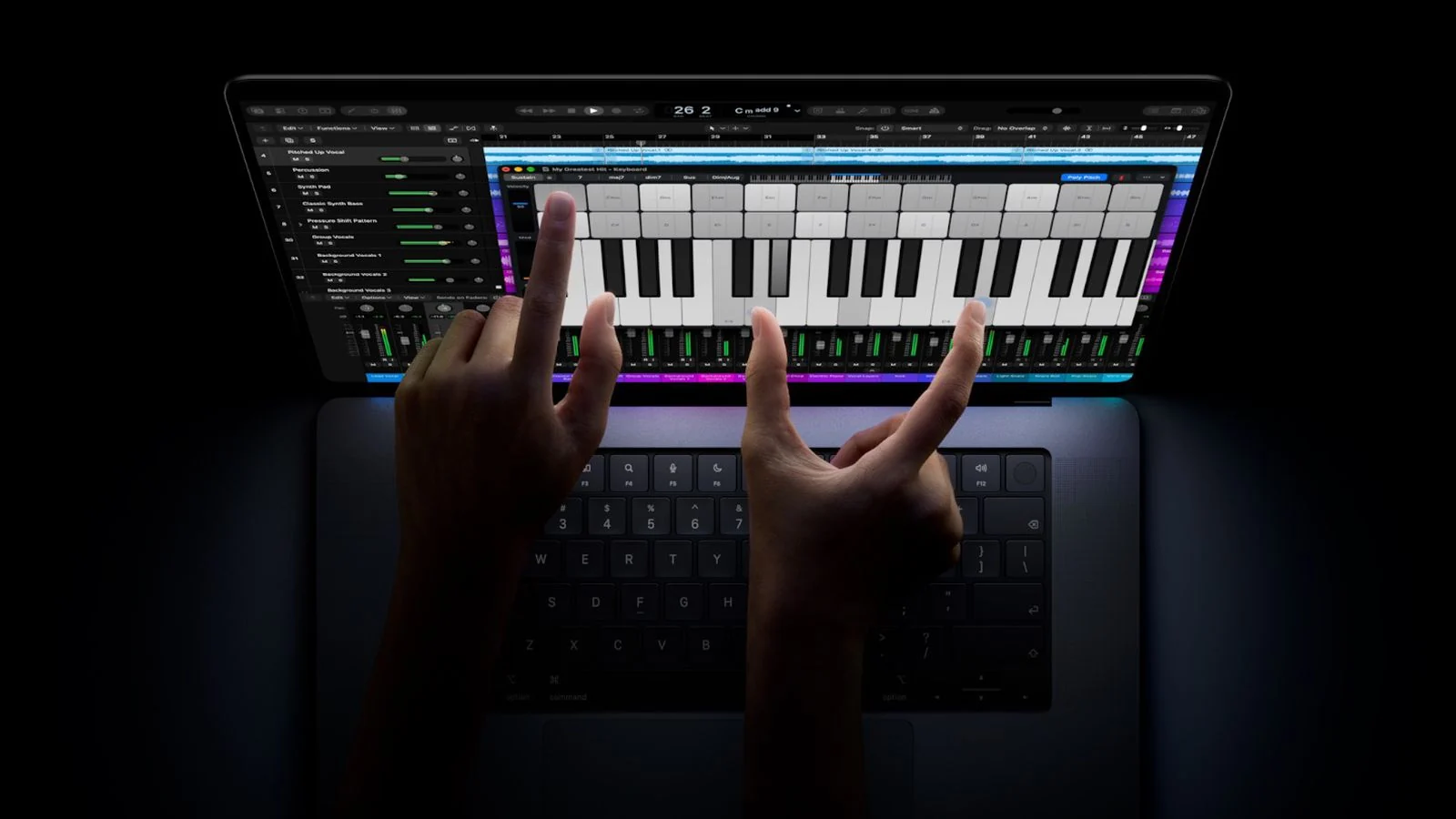
MyTechDailyNews has watched this rumor appear every time Apple makes a Mac feel a little more like a phone or tablet, but the latest earnings-call answer still deserves a practical, non-headline read. Recently, Apple executive Ternus was asked whether the new MacBook Pro's closer relationship with iOS—touch-friendly interaction, Dynamic Island thinking, and Siri intelligence—pointed toward a future where macOS and iPadOS become one system. His reply was not a dramatic policy shift: Apple “currently has no plans for any fundamentally different changes.” The important part is what the answer protects: two product lines that Apple has repeatedly described as strongest when they remain themselves.
What the Company Is Really Saying
The analyst's question was not only about features. It treated the new MacBook Pro as a possible shortcut to lower development and maintenance costs: if the Mac is borrowing more iPhone-like behavior, why not combine the software stacks? Apple's answer was closer to the opposite. The company wants each device category to have its own best form, then allows useful capabilities to travel across the ecosystem. A touch option on a Mac can be a hardware improvement; a file browser that looks more desktop-like on a tablet can be a software improvement. Neither automatically rewrites the operating-system map.
How Earlier Statements Shape the Reading
This position has history. In 2025, Craig Federighi used a spork analogy to explain why Apple resisted collapsing iPad and Mac into a single blended experience. In that same 2025 explanation, the argument was that a hybrid product can leave users with a tool in which both sides are not done well—neither a useful spoon nor a useful fork. The message was simple: shared ideas are welcome, but a merged identity is not the automatic goal. MacRumors' reporting on the interview frames the point as a rejection of macOS coming to the iPad, not a rejection of cross-platform inspiration.
A Touchscreen MacBook Pro Does Not Equal a Merged System
Apple's newer MacBook Pro hardware makes the rumor easier to believe. The touchscreen model adds a layer of direct interaction that once belonged more naturally to iPad and iPhone. It can also help app creators check touch behavior while they build mobile experiences. According to 9to5Mac's report on macOS 27 touch optimizations, Apple has introduced interface adjustments such as larger touch targets, wider spacing in the menu bar, and gestures that feel familiar to smartphone users. These are workflow changes. They make the Mac more touch-friendly without announcing that macOS and iPadOS are becoming one operating system.
Checklist: How to Read Apple's Position Without Getting Confused
- Separate features from platforms: iOS-style capabilities appearing in MacBook Pro do not mean Mac is running iOS.
- Separate touch from identity: Two devices can both accept touch input while serving different roles.
- Watch for official system changes: A true merge would appear in OS naming, app compatibility, and long-term software support—not only in one laptop release.
- Read earnings calls carefully: Ternus' wording is a roadmap statement, not a promise that no future feature sharing will occur.
- Check what the hardware is for: The MacBook Pro is still marketed around Mac workflows, while iPad remains shaped by touch-first use.
- Ignore one-term shortcuts: Words such as Dynamic Island, Siri, touch, and handoff-style continuity are cross-ecosystem signals, not proof of unification.
Common Misconceptions That Usually Follow the Headline
- Myth: A touchscreen Mac is a disguised iPad. Fact: The hardware may share one input method, but iPadOS and macOS still sit on different software paths.
- Myth: Apple is preparing to abandon the Mac. Fact: The company's answer emphasized pride in Mac and iPad as separate product lines.
- Myth: Borrowing from iPhone means the OSes are already merged. Fact: iOS features can inspire Mac software while the operating systems remain distinct.
- Myth: A unified system would be cheaper, so Apple must adopt it. Fact: The earnings-call question raised cost reduction, but the answer kept a separate product strategy.
Action Advice: What Readers Should Do With This News
| If you are… | Best practical step | Why it matters |
|---|---|---|
| Choosing between Mac and iPad | Start with the software you need to run, then compare input style. | A Mac can touch, but it is still evaluated by macOS workflows; an iPad can be keyboard-first, but it remains centered on iPadOS apps. |
| Buying a new MacBook Pro for school or creative work | Check whether your key apps, plugins, file systems, and external-device setups still require macOS. | Touch adds convenience; it does not guarantee a mobile app will replace desktop software. |
| Developing iPhone or iPad apps | Use the new touch-enabled Mac as a test surface, not as a reason to assume universal OS compatibility. | According to 9to5Mac's coverage, the change improves touch-target and gesture handling on Mac, but developers still need separate app logic for mobile platforms. |
| Waiting for a single Apple device | Do not delay purchase solely because of OS-merge rumors. | Apple's current stance is closer to feature sharing than platform unification. |
| Trying to reduce device confusion at home | Choose one primary device per task and let ecosystem tools bridge the gaps. | The value of iPhone, iPad and Mac overlap is usually better seen in task handoff than in trying to make one device do everything equally well. |
Three Questions Readers Ask Most
Will Mac and iPad become one product?
There is no indication from the latest answer that Apple plans to combine the categories. The company described keeping Mac and iPad in their best forms as the current direction.
Does the MacBook Pro's touchscreen end the iPad's reason to exist?
Not by itself. A touchscreen can improve one product line while leaving another line's app ecosystem, portability, stylus workflows, and casual usage distinct.
Should users expect fewer Mac-specific features in the future?
The safer expectation is more shared features, not fewer. Apple has repeatedly shown willingness to move useful ideas between iPhone, iPad and Mac, while resisting the idea of turning the platforms into one.
Final Take
The most useful takeaway from Apple's statement is not a yes/no on a distant merger. It is a reminder that consumer tech headlines often confuse borrowed features with changed strategy. If a MacBook Pro can touch, that means Apple is testing a broader input method; if iPadOS and macOS remain independent, that means the company is still organizing its product ecosystem around different job descriptions. For readers, the practical rule is simple: buy for the tasks your software must perform, not for the rumors about a future unified device.