
MyTechDailyNews General Guide: Apple MacBook Pro Launch on October 28 Brings 14-inch and 16-inch PROLED XDR Models and a Glowing Apple Logo
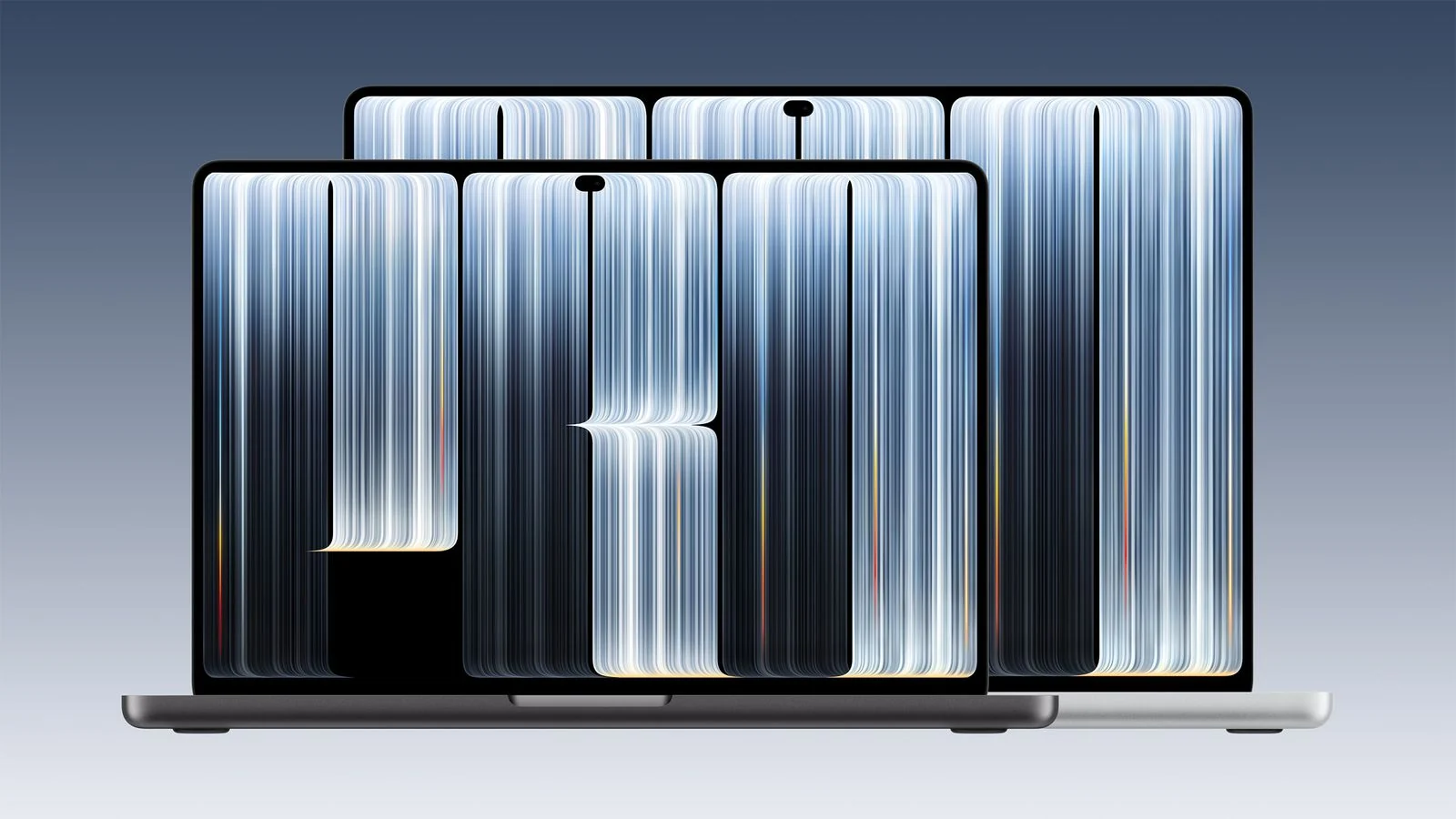
For readers following premium notebook news, Apple has placed a new high-end MacBook Pro in front of a general audience on October 28, with 14-inch and 16-inch models at 2899 USD and 3399 USD starting prices. The headline hardware shifts are a PROLED XDR display with touch gestures, a re-lit Apple logo on the lid, a slimmer and lighter body, and Dynamic Island replacing the notch. MyTechDailyNews General breaks the launch into facts, buyer questions, and quick takeaways without dwelling on chip road maps.
Display story: PROLED XDR is positioned as the laptop's headline upgrade
Apple has described the new MacBook Pro as offering "the world's best display in a professional laptop". The PROLED screen uses a two-layer stacked OLED architecture, plus display-engine algorithms and factory calibration to produce "excellent brightness, stunning contrast, and vivid, lifelike color". HDR peak brightness and SDR peak brightness both reach 2000 nits, while contrast is listed at 10000000:1.
The display engine controls color and brightness per pixel and compensates according to content being played, temperature, ambient light, and pixel usage. ProMotion adjusts refresh rate dynamically from 10Hz to 120Hz. Anti-reflective coating reduces glare in bright light; nano-texture glass is available as an option.
Touch is built into the panel, not added on top
Apple senior vice president of hardware engineering John Ternus said on social platforms: "The new MacBook Pro excites us enough to glow. You have to touch it to believe it." Touch sensors are integrated directly inside the display panel, so Apple says there is no additional delay. The company describes the touch interaction as "extremely responsive and finely refined".
Users can swipe to browse web pages, pinch with two fingers to zoom photos, drag slides from one presentation to another, and double-tap a window to make it fill the screen. A new hinge design gives more stability when pressing the display, and advanced video stabilization keeps footage steady when touch is used during video calls. Apple says macOS automatically converts touch operations into clicks, so many existing applications can support touch without changes.
A thinner, lighter frame with Dynamic Island replacing the notch
The new chassis is up to 1 mm thinner than existing models and also lighter: the 14-inch model weighs only 3 pounds, and the 16-inch model weighs 4 pounds. The notch is gone; a smaller Dynamic Island takes its place, integrating Spotlight, Live Activities, and Siri AI. The experience is similar to iPhone, letting users quickly view and operate important information. With narrower bezels, the 16-inch machine's actual display size becomes 16.3-inch, and the 14-inch machine's becomes 14.2-inch.
Chips carry over from this March, while cooling and ports move forward
The new MacBook Pro retains the M5 Pro and M5 Max chips from the MacBook Pro batch released this March, but the thermal architecture has been redesigned to guide hot air away from the display. Unified memory can go up to 128GB, and a new six-speaker audio system improves bass extension by 50%.
On the port side, the machine includes three Thunderbolt 5 ports, HDMI, SDXC card slot, MagSafe magnetic charging port, and a headphone jack. It supports up to four external monitors, plus Wi-Fi 7 and Bluetooth 6. Fast charging can reach 50% in 30 minutes, and storage can be configured up to 16TB.
Sales arrangement: OLED MacBook Pro will live alongside mini-LED and M6 models
Apple will sell the OLED MacBook Pro together with existing mini-LED models and the new M6 14-inch MacBook Pro. Preorders are currently open, and the new models will formally launch on Friday, November 6.
Quick checklist of the launch facts
| Category | Fact to remember |
|---|---|
| Release | October 28; preorders open; formal launch Friday, November 6 |
| Size options | 14-inch and 16-inch, two specifications; actual sizes become 14.2-inch and 16.3-inch |
| Pricing | 14-inch starts at 2899 USD; 16-inch starts at 3399 USD |
| Display | PROLED XDR; two-layer stacked OLED; 2000 nits HDR and SDR peak; 10000000:1 contrast; ProMotion 10Hz to 120Hz |
| Touch | Touch sensors in panel; swipe, pinch, drag, double-tap; macOS converts touch to clicks |
| Body | Up to 1 mm thinner; 3 pounds for 14-inch and 4 pounds for 16-inch; Dynamic Island replaces notch; glowing Apple logo |
| Performance and I/O | M5 Pro and M5 Max from this March; up to 128GB unified memory; three Thunderbolt 5, HDMI, SDXC, MagSafe, headphone jack; four external displays; Wi-Fi 7 and Bluetooth 6 |
| Audio, storage, charging | Six speakers with bass extension improved by 50%; storage up to 16TB; fast charge to 50% in 30 minutes |
| Lineup | OLED MacBook Pro joins mini-LED models and M6 14-inch MacBook Pro |
FAQ for general readers
Is this a completely new chip generation?
No. Apple kept the M5 Pro and M5 Max chips from this March. The most visible changes are the display, touch integration, hinge, thermals, audio, ports, size, weight, and Dynamic Island.
Does touch make Mac apps work like iPhone or iPad experiences?
Partly. Apple says macOS automatically converts touch operations into clicks, so many existing applications can support touch without changes. The article highlights gestures such as swiping to browse, pinching to zoom, dragging slides, and double-tapping a window to fill the screen, with an iPhone-like Dynamic Island for quick information access.
Why does the glowing Apple logo matter?
It is a design cue rather than a performance specification. It signals a changed lid design and makes the machine visually distinctive, while the practical value for most readers still centers on PROLED XDR, touch gestures, portability, thermals, and ports.
Common misconceptions
- "Touch means macOS has been rebuilt for touch." The described behavior is that macOS automatically converts touch operations into clicks, allowing many existing apps to respond without major changes.
- "The OLED MacBook Pro replaces the rest of the MacBook Pro range." Apple will sell the OLED MacBook Pro alongside existing mini-LED models and the new M6 14-inch MacBook Pro.
- "ProMotion always means 120Hz." The reported dynamic range is 10Hz to 120Hz, and the display engine also compensates for content, temperature, ambient light, and pixel usage.
Action suggestions before you choose
- Match the PROLED XDR touch story to your daily use: reading, presenting, photo zoom, web scrolling, and window control are the most concrete touch examples.
- Compare portability first: the 14-inch model is lighter at 3 pounds and has a 14.2-inch actual display size, while the 16-inch model is 4 pounds with a 16.3-inch actual display size.
- Check your workflow needs: three Thunderbolt 5 ports, HDMI, SDXC, MagSafe, up to four external displays, Wi-Fi 7, Bluetooth 6, 128GB unified memory, 16TB storage, and 50% fast charging in 30 minutes are the useful practical anchors.
- Keep the product line in view: if you prefer a lower-cost path, the lineup includes mini-LED and M6 14-inch MacBook Pro options, while the OLED MacBook Pro is the October 28 premium display story.
For a general audience, the October 28 MacBook Pro is best understood as a display and touch story wrapped in a slimmer notebook, not a chip jump. The practical buying question is simple: do the PROLED XDR panel, glowing Apple logo, in-panel touch, Dynamic Island, lighter chassis, and expanded ports justify choosing between 14-inch and 16-inch now or waiting until Friday, November 6 sales start?