
Faith and AI: Why Vatican Conversations Could Shape What Chatbots Say
For general tech readers, the most useful thing to know about this AI-and-religion debate is that it sits close to a practical question: when a chatbot answers a moral question, whose history, categories and habits is it drawing on? This year, that question moved from academic conferences into company announcements, church meetings and public argument. The participants included Anthropic, OpenAI, Meta, Google, Amazon and Microsoft, and they were not only speaking to regulators or engineers. They were speaking with Vatican figures, theologians, ethicists and scholars of religion.
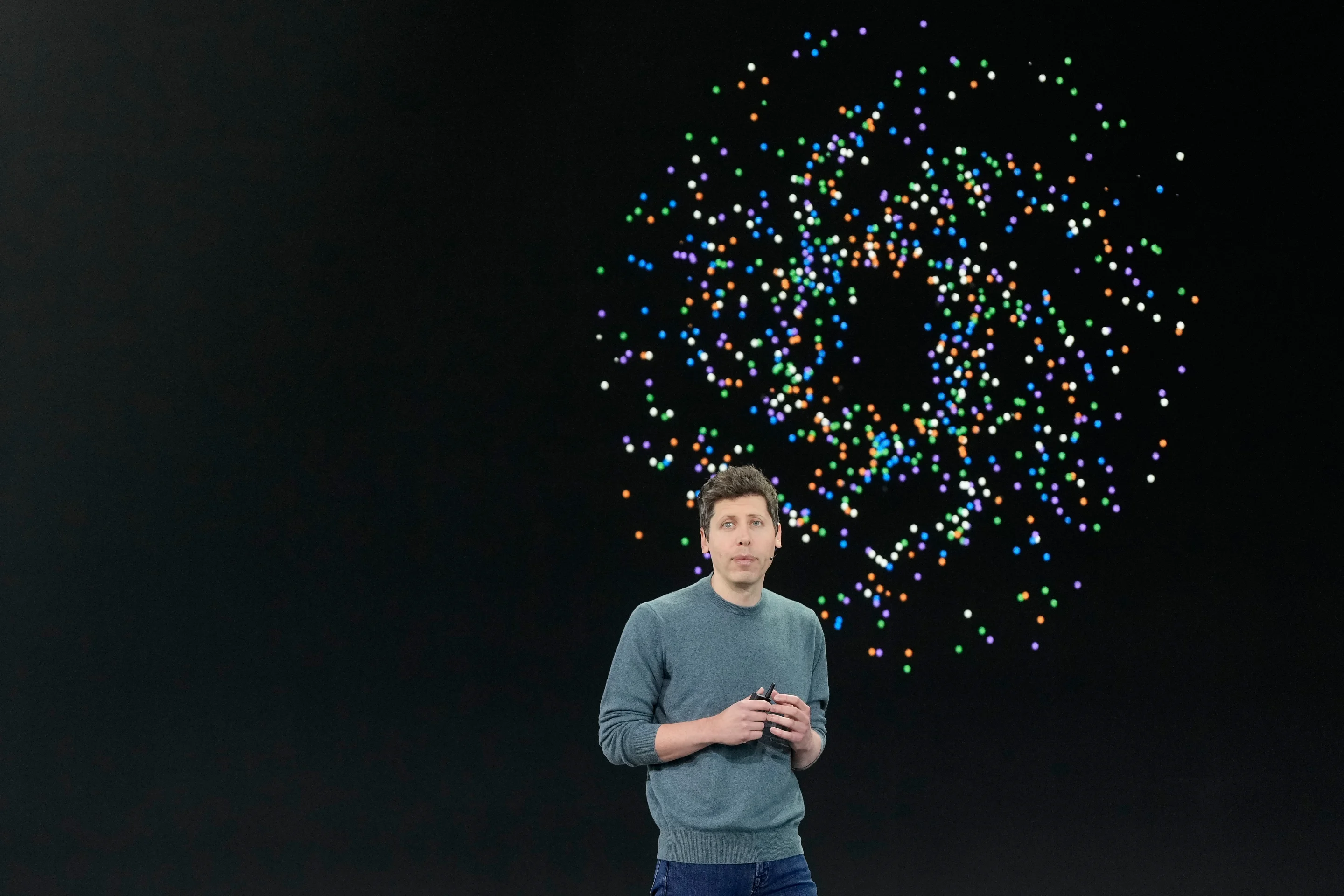
Earlier this year, at a Vatican-hosted event connected with AI, Anthropic co-founder Christopher Olah, also known as Chris Olah, said laboratories cannot independently answer such questions. He pointed out that religious traditions have thought about them for thousands of years. A related image caption showed Victor Manuel Fernandez, a cardinal of the Congregation for the Doctrine of the Faith, theologian Anna Rowlands and Olah in conversation. Another caption showed OpenAI chief executive Sam Altman; the caption used the spelling 0penAI.
From weighted average to rulebook worries
The controversy did not begin only with the Vatican. It sharpened after a view expressed last year: OpenAI chief executive Sam Altman said that ChatGPT should present a weighted average of human moral views. Many AI companies do not belong to one specific religion, so they have looked across different traditions for ethical guidance. The phrase weighted average sounds technical, but here it means a blend: not one faith as authority, not a simple vote, but a model trained to sound like the broadest possible moral outlook.
Webb Keane, an anthropologist at the University of Michigan, argued that this approach can misunderstand religion. In his critique, if a faith is treated as a rulebook containing separable moral rules, the everyday practices of believers, rituals, scriptures and relationships become secondary. Keane warned that some traditions might then be highlighted while others are distorted, especially traditions that do not mainly understand themselves as ethical systems. He also connected the rulebook view with scripture-centered religions, particularly the Abrahamic traditions.
Anthropic says it is learning, but which voices?
Anthropic described its own effort in a blog post published this May. The company said it had met with scholars, clergy members, philosophers and ethicists from more than 15 religions and cross-cultural groups, and that it planned to widen the discussion further. It did not list each tradition one by one. That absence matters to readers who want to know who is shaping AI values.
Meghan Sullivan, a philosopher of religion at the University of Notre Dame, said Anthropic stood out to her because of the seriousness with which it engaged religious questions. Sullivan described a meeting attended by Christians from different denominations. The company first explained its models in plain language, and participants then offered feedback and questions. Topics included whether humans have souls, and whether third-grade students should use chatbots to learn reading and writing.
Other tech companies and the Vatican
The Associated Press reported that Meta, Google and Amazon representatives had also met with the Vatican. Microsoft was described as active in conversations with religious communities as well.
Why the word religion itself is contested
The debate also exposes a category problem. Tomoko Masuzawa, a scholar of religion and author of The Invention of World Religions, said that sorting human traditions into neat, comparable units called religions is a modern idea. She pointed to Buddhism and Hinduism: before scholars from Europe imposed later classifications, local practitioners did not necessarily understand themselves through those boundaries. Because of that history, scholars worry that tech companies may invite representatives from many faiths while still organizing their responses with Western categories.
What Anthropic and Claude are supposed to do
Anthropic said in the blog post that it does not want a model to follow only one worldview. The company said it wants Claude to understand religious, secular and political perspectives with comparable depth and rigor. It also said it hoped to learn from the long conversations humans have had about how good character is formed.
The fear of blending without understanding
Paolo Carozza, a member of the Meta independent oversight board and a legal scholar of Catholic social thought and technology, is concerned about what happens when many traditions are gathered into one training process. In his worry, the distinctive features of each tradition can be smoothed out, leaving a compromise that may lean toward Western religion. Carozza said mature traditions can grow by encountering the outside world and absorbing new knowledge. AI, by contrast, could mix many ideas at once and fail to truly understand any of them.
A quick checklist for readers
- Check whether the company names the traditions or only says it spoke with more than 15 groups.
- Notice when religion is described as a source of moral rules instead of a living set of practices, texts and relationships.
- Ask what a weighted average would mean when traditions do not share the same authority structure.
- Look for signs of rulebook thinking, especially around scripture-centered faiths.
- Remember that a model trained on many traditions may still reflect modern Western classification habits.
Common misconceptions
- Misconception: AI ethics is just a survey problem. Counter: Keane argues that practices, rituals and relationships cannot be reduced to extractable principles.
- Misconception: inviting more faiths automatically avoids bias. Counter: Masuzawa’s point about religion as a modern category says the frame itself may be inherited.
- Misconception: Anthropic, OpenAI or other companies have selected a single religious authority. Counter: Anthropic says it does not want Claude to follow one worldview.
- Misconception: the conversation is only about theology. Counter: Sullivan’s example includes whether third-grade students should use chatbots to learn reading and writing.
FAQ
What did Chris Olah say at the Vatican event?
He said laboratories cannot independently answer these questions and noted that religious traditions have thought about them for thousands of years.
What did Sam Altman propose?
Last year, he said ChatGPT should present a weighted average of human moral views.
Why did Webb Keane object?
Because treating religion as a rulebook can ignore daily practice, rituals, scriptures and relationships, and can favor traditions that fit the idea of moral principles.
What did Anthropic report in May?
The company said it had met with scholars, clergy, philosophers and ethicists from more than 15 religions and cross-cultural groups, and planned to expand participation.
What is the concern about Western categories?
Tomoko Masuzawa argues that the idea of religion as separate comparable systems is modern, and she says European classification habits may have distorted non-Western traditions.
Action advice for general readers
When you see announcements about AI values, slow down at the brand names and ask three questions: who participated, what was counted as a tradition, and what happened to the traditions that do not look like rulebooks? Treat weighted average as a claim that needs proof, not as a neutral technical setting. If a company says a model such as Claude understands religious, secular and political views equally deeply, ask for evidence that the comparison was not made through one modern Western frame.
The lasting news for general readers is not simply that Anthropic, OpenAI, Meta, Google, Amazon and Microsoft are talking to the Vatican or with faith communities. It is that ordinary chatbots may inherit a very old argument about moral authority, culture and classification. In a general tech feed, that means value-related answers should be read as edited interpretations, not as a stable global consensus, and readers deserve transparency about which traditions were included and how they were used.