
MyTechDailyNews General: Anduril's BlueChip Laptop Now Promises Over 65% US-Made Content by 2027
A defense-technology company best known for autonomous systems has walked into the laptop business and, within 48 hours, rewrote its own supply-chain pledge. Anduril Industries now says the BlueChip laptop will clear more than 65 percent US-sourced component content when it reaches buyers in 2027. The day before, the company had told reporters that hitting that figure with the very first product was still an open question, and that today's prototype sits at only about 32 percent. MyTechDailyNews breaks down what the revised commitment actually covers, why one percentage decides whether US federal government agencies can even shortlist the machine, and which parts of the plan still have no confirmed answer.
Two Statements, One Day Apart
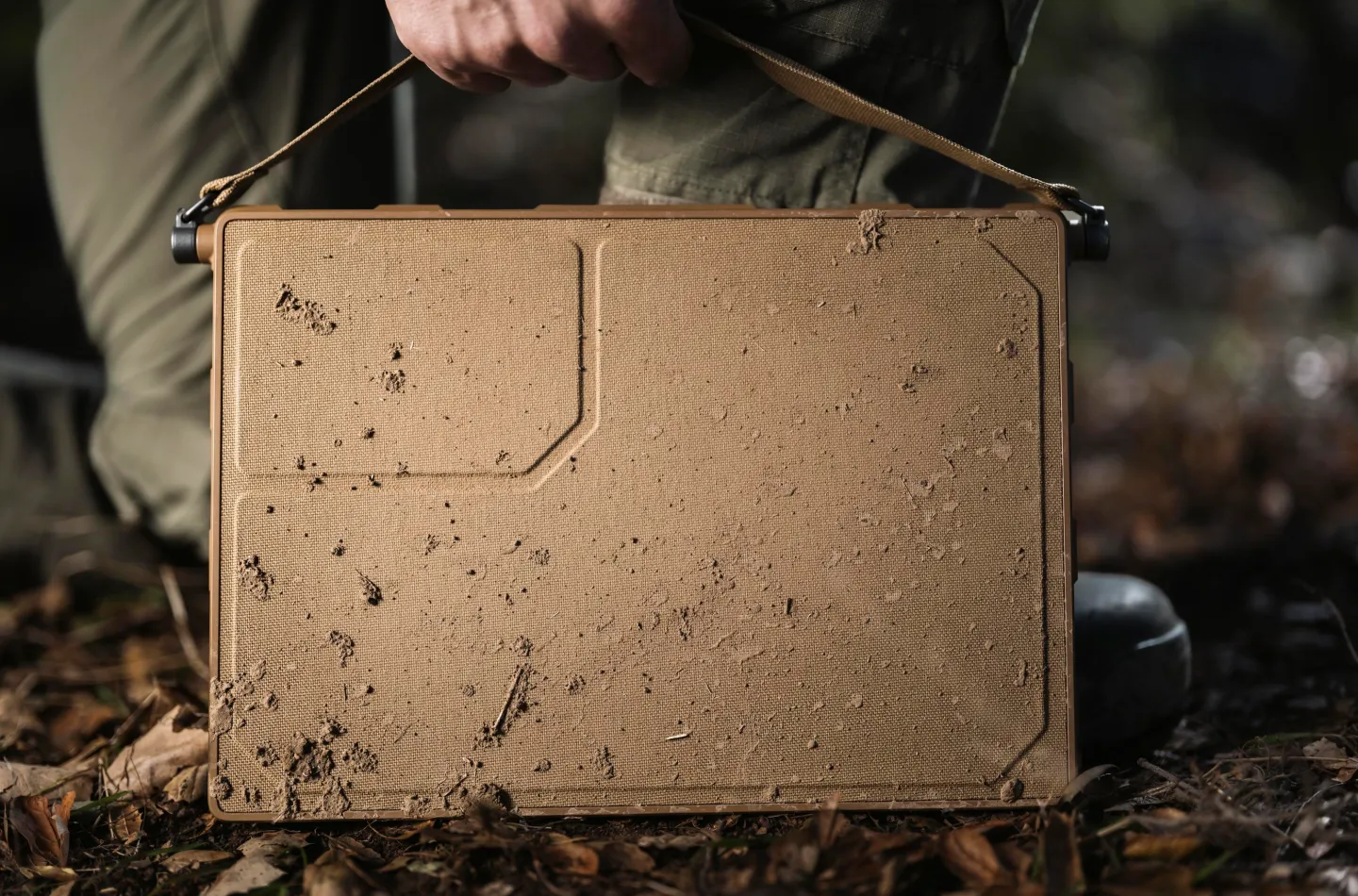
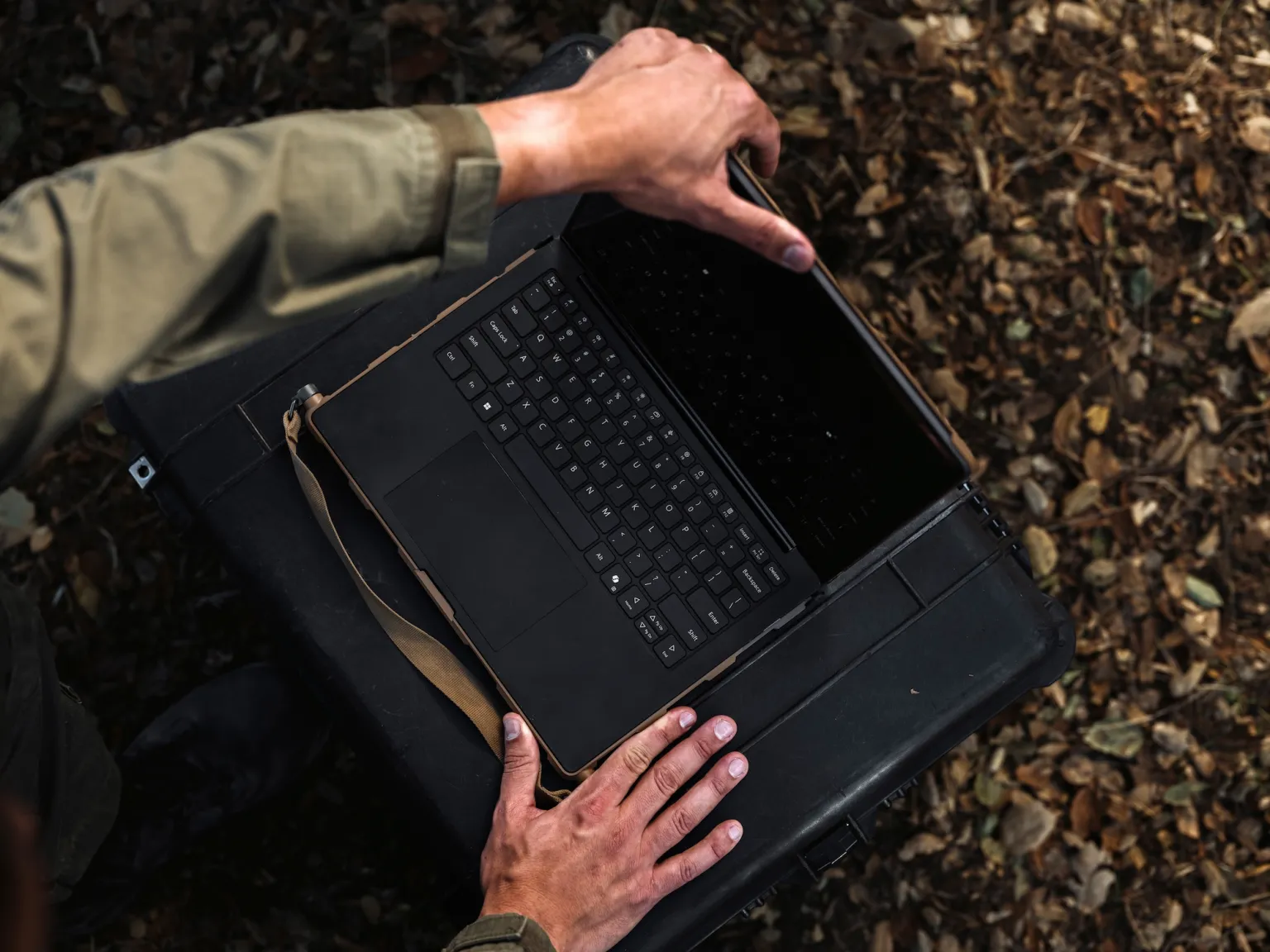
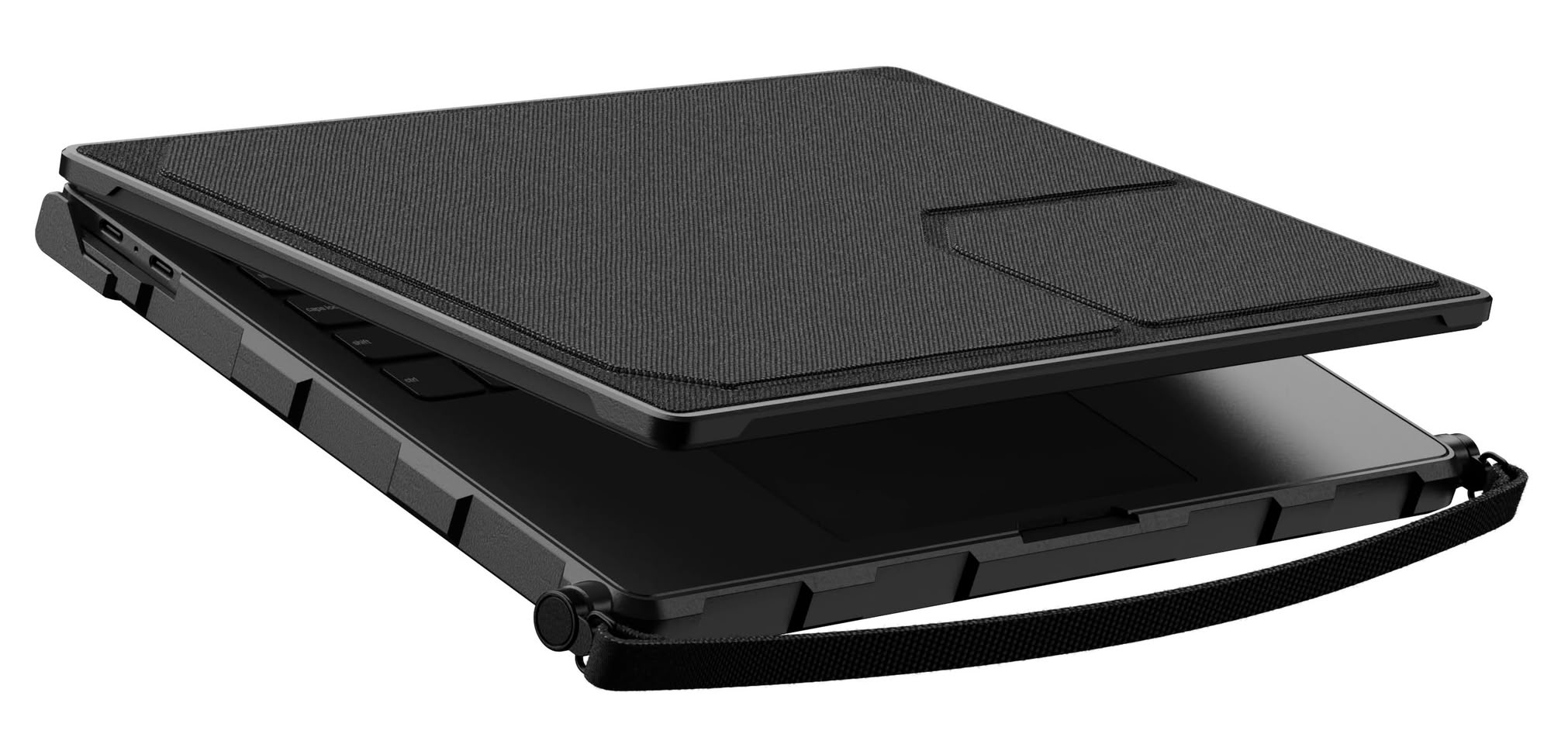
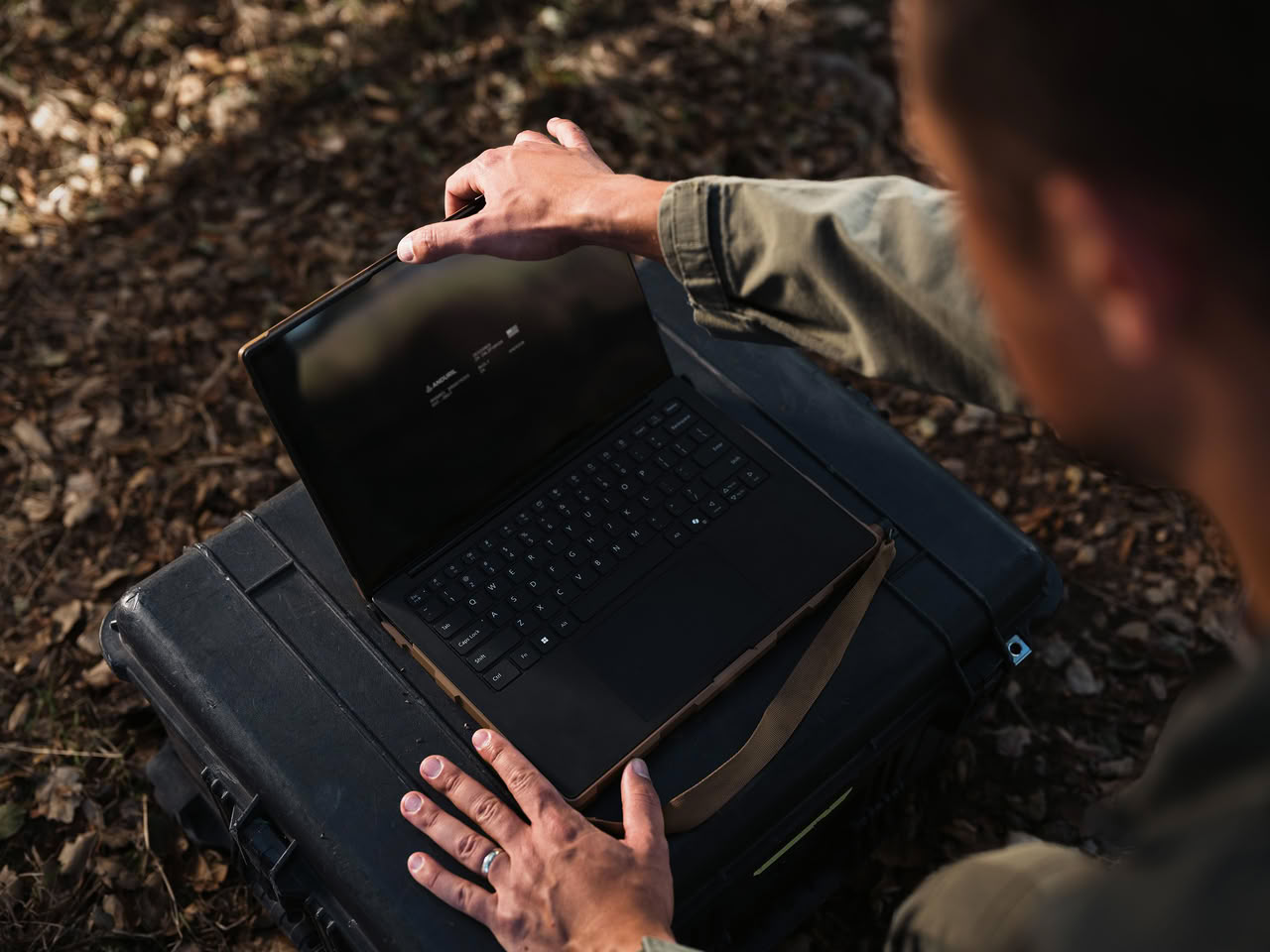
The BlueChip laptop line was announced jointly by Anduril and Qualcomm on October 27. The opening move is a rugged laptop aimed at government, military and public-safety use, with a wider ambition behind it: rebuilding a computer manufacturing supply chain inside the United States. The series runs on Snapdragon X-series processors and is designed to execute artificial intelligence models locally. Its target buyers are the armed forces, law enforcement, emergency response agencies and other organizations that handle sensitive information.
Pressed on how many components would genuinely be made in the United States at launch, founder Palmer Luckey initially withheld a firm ratio, saying the number was still to be settled. He explained that the schedule is pulled by several forces at once: when domestic capacity for memory chips, CPUs and GPUs reaches scale, and whether a display panel production line can be stood up in the country at all. Some pieces, such as the display cover glass and the surrounding frame, already have domestic supply options, he said, while other components may or may not be American-made before the first unit ships.
An Anduril spokesperson then offered the first hard figures. Measured by component procurement cost, the current prototype is about 32 percent sourced from US domestic suppliers; if vendors from the United States and its allied countries are counted together, the share rises to over 90 percent. At that point the company emphasized that domestic sourcing and production capability were expanding, but would not confirm whether the final US content at the 2027 launch would reach the 65 percent level.
On October 28, Anduril vice president of communications Shannon Pryor responded that the company's earlier reply was incorrect, and made the promise explicit: BlueChip will exceed the 65 percent threshold of US-made content when it launches in 2027. Reaching that standard, she said, is a core goal of the program, though the final ratio will keep being refined as suppliers are confirmed and prototype development progresses. More information is planned for 2027.
The Rule That Sets the Number
The percentage is not a marketing flourish; it is a procurement gate. The Buy American Act, first written in 1933 and adjusted several times since, imposes domestic-content requirements on certain products bought by the US federal government. Current rules set a 65 percent US content threshold for the affected categories and are scheduled to lift that bar to 75 percent in 2029. Purchases covered by the act generally require compliant products, although agencies can buy otherwise if they obtain a waiver.
Luckey has noted that some US government departments are legally supposed to favour machines meeting domestic manufacturing requirements, yet in practice certain purchases still lean on waiver arrangements. If BlueChip arrives at the 65 percent domestic-content standard, agencies gain more compliant options when buying computers. Whether a specific purchase qualifies still depends on the rules that apply, the product's classification and the relevant review procedures.
The Engineering Checklist Anduril Is Working Through
Raising the local share is being handled part by part rather than as a single switch:
- Cover glass: US suppliers are being sought for the laptop's cover glass.
- Battery and power: the battery and power-management system are planned to adapt to battery technology already available in the United States.
- Enclosure: the chassis is being designed for domestic machining, with metals chosen so US industry can produce and process them at scale.
- Circuitry: Luckey says the company is studying field-programmable gate arrays, or FPGAs, to take over the jobs of certain power-management chips and other circuits, cutting dependence on components that are hard to source domestically.
- Processor: Qualcomm chief executive Cristiano Amon said the Snapdragon processors inside BlueChip will be manufactured by TSMC at its factory in Arizona, in the United States.
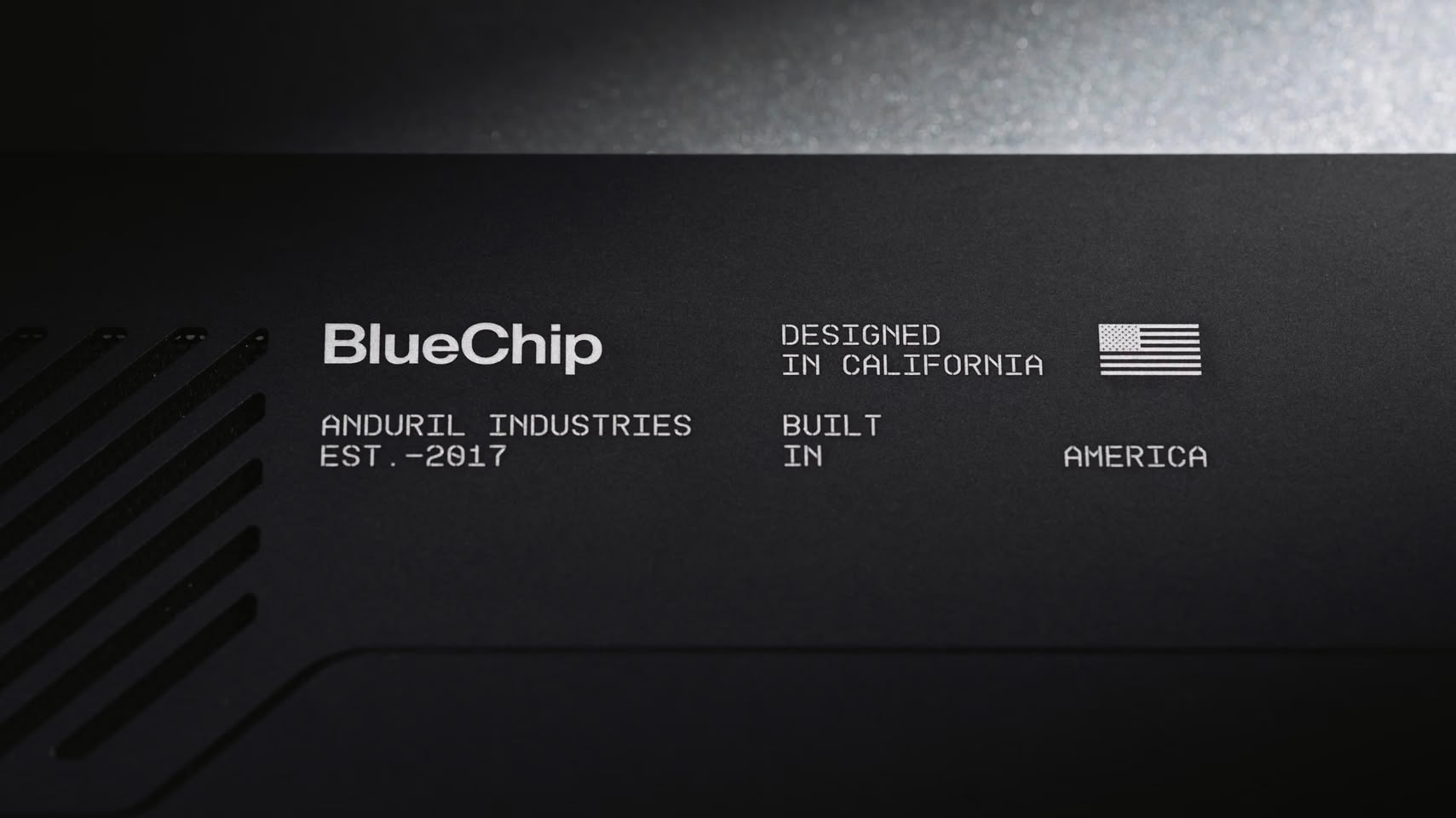
- Assembly: BlueChip is planned to be produced and assembled in the United States, with circuit board assembly expected at Anduril's Arsenal-1 facility in Ohio, alongside in-house development of domestic chassis, battery components and other hardware as qualified suppliers are locked in.
The FPGA route illustrates both the ingenuity and the limits of the approach. Because an FPGA can have its logic functions reprogrammed, it can stand in for a dedicated chip in certain applications. Whether it satisfies a laptop's performance, power, cost and reliability requirements depends entirely on the real design.
Placing the processor fab in Arizona does move a critical computing chip onto US soil. It does not, on its own, prove the finished laptop is fully localized.
Why Assembly Is Not the Same as a Supply Chain
The distance between building the machine and owning the chain that feeds it is large. A modern laptop contains a processor, memory, flash storage, a display panel, a battery, printed circuit boards and a long tail of passive components. Manufacturing of parts such as display panels and memory chips is heavily concentrated in Asia. Assembling the finished unit inside the United States therefore does not mean the key components are American.
Anduril's project plan is staged: raise the share of domestic procurement and production first, then gradually reduce reliance on overseas suppliers, and finally aim for an end-to-end US computer supply chain from component to finished machine. The company argues that the design work, supplier relationships and production processes formed while developing the first laptop can be reused on later BlueChip products, widening US computer manufacturing capability along the way.
The effort also mirrors a policy direction in the United States: cutting dependence on overseas manufacturing for critical technology supply chains. For military and government bodies, a computer is not just office equipment. It may handle sensitive information, communications, data analysis and AI inference. If the supply chain is hit by international conflict, trade restrictions or logistics disruption, agencies can face unstable device supply.
What Still Has to Be Proven
Anduril wants BlueChip to answer that problem, but a prototype figure of approximately 32 percent means the domestic procurement share has to climb steeply before volume production. The 2029 step to 75 percent adds a second hurdle: even if the first product clears 65 percent, the company still has to keep extending its supply chain to meet a standard that may later rise. At present Anduril has not published a final production configuration, a specific component list or a complete domestic-content calculation, and has not detailed how the prototype's procurement-cost share would move from 32 percent to above 65 percent in under two years. As the 2027 launch date approaches, delivery will hinge on supplier qualification, production scale, cost control and domestic manufacturing of critical components.
Common Misconceptions
- "American-made" means every single part is American. The rule at issue is a procurement-cost threshold, not a 100 percent parts test.
- Ally-sourced parts count toward the government threshold. The over 90 percent figure is a broader measure that merges US and allied-country suppliers; the Buy American threshold is a separate calculation on US content.
- Clearing 65 percent ends the buying question. Eligibility for a specific procurement still turns on applicable rules, product classification and review procedures, and waivers already exist today.
- A US-fabbed processor makes a US laptop. TSMC's Arizona plant covers one link in a chain that still includes panels, memory and passive components.
FAQ
Is BlueChip already on sale?
No. The product line was announced on October 27 by Anduril and Qualcomm, with launch planned for 2027.
Why did the company change its answer?
Shannon Pryor, Anduril's vice president of communications, said the earlier reply about whether the first product could hit the target was in error, and restated the commitment to a US-made content level above 65 percent at launch, while noting the final percentage will be confirmed as suppliers and prototypes mature.
Who is supposed to use it first?
Hardened laptops for the armed forces, law enforcement, emergency responders and other organizations handling sensitive information come first, as Anduril works to rebuild domestic computer manufacturing.
Where does the machine get put together?
Circuit board assembly is expected at the Arsenal-1 facility in Ohio, with the wider plan to produce and assemble BlueChip in the United States.
Action Suggestions for Readers
- Follow the percentage, not the slogan. When Anduril publishes its production configuration and component list in 2027, check the procurement-cost share against the 65 percent line before accepting the "Made in USA" label.
- Public-sector buyers should track which BlueChip models are classified as compliant, and revisit how much of their current computer spending depends on waivers.
- Product and supply-chain teams can use this case as a template: qualify cover glass and enclosure suppliers first, adapt battery systems to what domestic industry already makes, and treat FPGA substitution as an engineering question about power, cost and reliability.
- Everyone else can read the story as an early signal of a broader trend: the conversation around consumer devices is shifting from where the brand sits to where the parts are made.
The BlueChip story is bigger than one laptop. It is an attempt to stand up a domestic computer industry around critical components, with a declared starting line of over 65 percent American content at the 2027 debut. For now, the number on paper has moved from a question mark to a promise, while the numbers in the factory remain to be written. The remaining distance, from that promise to a verified production machine, is the part worth watching.