
GPU Buyers' Guide: How to Use AMD's First Amazon US Sales Lead Over NVIDIA Without Overpaying
Short answer: AMD's Radeon GPU sales on Amazon in the United States exceeded NVIDIA's GeForce sales for the first time, according to Tech Epiphany, but readers should not buy automatically. Today's practical move is to treat the Amazon ranking as a price-and-supply warning: compare launch price, current retail price, memory size, model availability, and seller quality before choosing a gaming GPU.
That distinction matters because the ranking is not a pure popularity vote. The DIY gaming PC market remains weak, so total GPU sales are lower, yet revenue surged as retail prices jumped higher. For a general tech reader, the useful interpretation is simple: when a sales chart changes without demand improving, the chart is probably showing which models buyers can still afford.
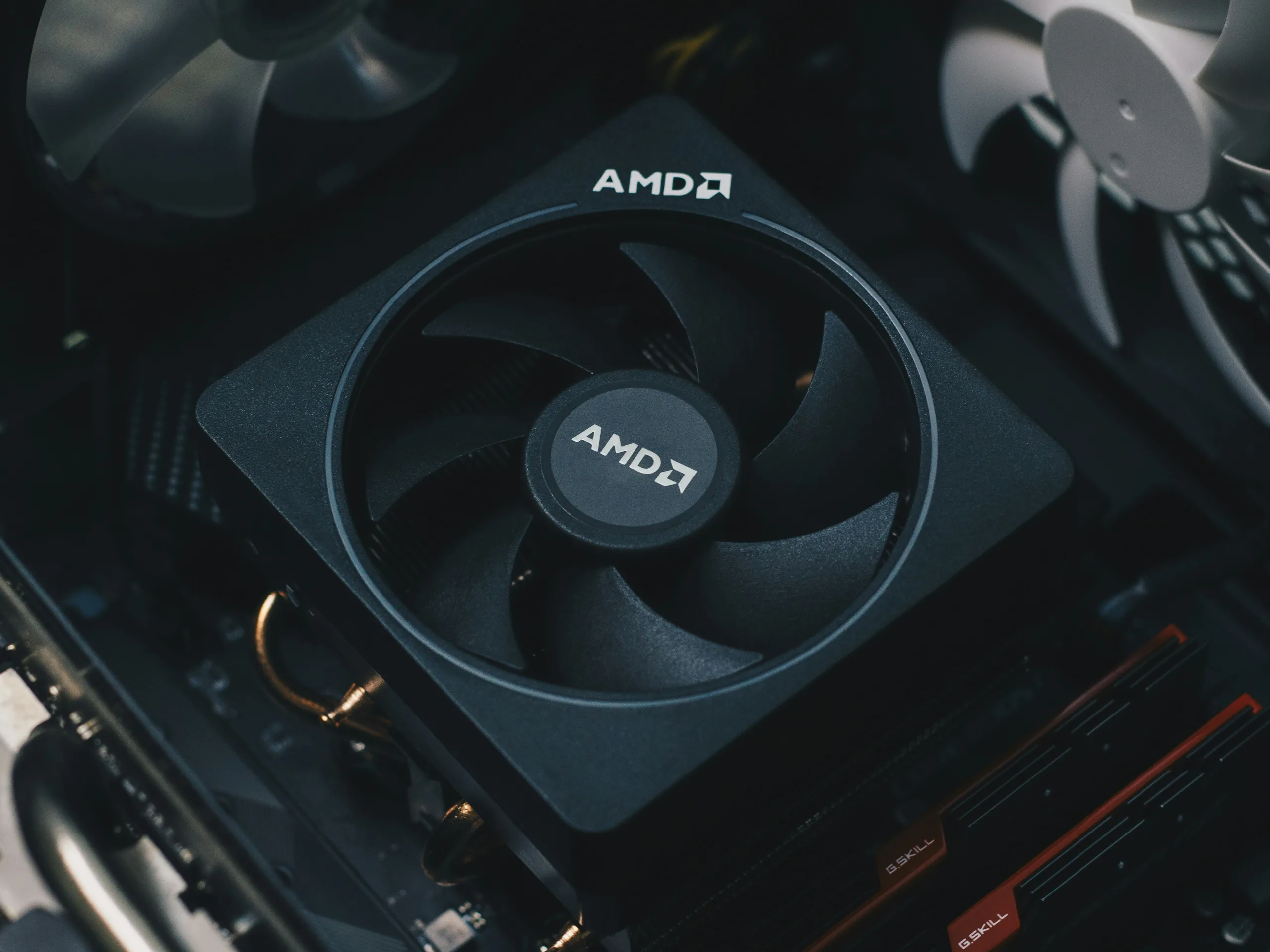
Why AMD's Amazon Lead Happened
The conclusion first: AMD's Radeon GPUs moved ahead of NVIDIA's GeForce lineup in Amazon unit sales because NVIDIA's consumer supply and pricing behavior changed, not because AMD suddenly offered a flagship product. Tech Epiphany reported that AMD's GPU sales on Amazon in the United States exceeded NVIDIA's for the first time, a milestone that arrived even without a flagship RDNA 4 GPU and despite debate over some Radeon pricing choices.
The parent article's explanation can be turned into a buyer's checklist in two parts:
- NVIDIA seems less focused on the consumer GPU market. Reports cited in the source say the company discontinued RTX 5090 and RTX 5080 to get ahead of an AI market crash.
- NVIDIA's GPU production appears lower, which reduces supply and lifts desktop graphics-card prices.
Market data suggests this kind of swing does not appear overnight. Jon Peddie Research's late-2024 desktop discrete-GPU analysis said NVIDIA lost about 8 percentage points of market share, while AMD gained about 7 points and Intel gained about 1.2 points, with capacity pressure shifting client-GPU supply. That is not the same measurement as Amazon sales, but it is a useful warning sign: when supply is reallocated toward AI or data-center products, retail shelves often change before reviewers finish testing the next generation.
What the Price Shift Means for Buyers
Use launch price as your anchor, not the price you happen to see today. The example from the source is clear: the RTX 5060 Ti 16 GB card launched in April 2025 at $429, while its current Amazon retail price is now over $700. The same pattern is described for RTX 5060, RTX 5070, and RTX 5070 Ti.
AMD does not fully escape inflation, but its competitive position looks better in selected tiers. The source compares the RX 9070 XT, an RTX 5070 Ti rival, at a lowest price of $920, while most RTX 5070 Ti models on Amazon are listed above $1700. For shoppers, this turns a brand battle into a math problem: if the cheapest viable competitor is hundreds of dollars below the mainstream alternative, the sales chart may be recording price sensitivity rather than pure feature preference.
Earlier Amazon data makes the reversal more striking. In June 2025, a Tech Epiphany Amazon US tracking summary listed RTX 5070 as the best-selling model with 5,450 units, while NVIDIA's GeForce cards held 70.51% of unit sales. The shift from that position to AMD's current Amazon lead is therefore not just a model-preference story; it is a supply, pricing, and availability story.
Practical Steps Before You Buy a GPU Now
- Check the launch price first. If a card is far above its original price, ask whether the model changed or the market simply tightened.
- Compare memory size and price per GB. A 16 GB card can be a better long-term buy than a cheaper smaller-memory model, especially for high-resolution textures and modern game loads.
- Look at the seller and return policy. Amazon rankings can mix marketplace sellers, refurbished units, and bundle deals, so the listed price is not the whole value.
- Set a cap before shopping. If your budget is close to the old RTX 5060 Ti 16 GB $429 reference point, do not chase RTX 5070 Ti pricing unless your workload needs that tier.
- Wait only if your PC still works. The source's outlook is that next year may improve if a slower AI market pushes AMD and NVIDIA back toward DIY customers.
Common Pitfalls to Avoid
- Reading "sales leader" as "best value." The chart shows what sold most units under current conditions, not which card has the fairest price.
- Assuming NVIDIA and AMD are interchangeable at every tier. RTX 5090 and RTX 5080 availability issues, pricing changes, and Radeon competition can affect different buyers differently.
- Ignoring the DIY context. Total GPU sales are down even as revenue surged, which is a classic sign that fewer buyers are paying more.
- Buying the flagship by habit. If you game at 1440p or build a non-premium PC, a midrange model with transparent pricing is usually the safer choice.
FAQ
Why did AMD beat NVIDIA on Amazon United States?
Because the market moved. Tech Epiphany's report says AMD's GPU sales on Amazon in the United States exceeded NVIDIA's for the first time. The main drivers were lower NVIDIA production pressure, higher GeForce pricing, and Radeon models becoming relatively more affordable in certain segments.
Does this mean Radeon is better than GeForce?
Not necessarily. A sales lead is not the same as a performance verdict. AMD still lacks a flagship RDNA 4 GPU in the master narrative, and its pricing strategy has been debated. The practical answer is to compare specific models, especially RX 9070 XT against RTX 5070 Ti, using price, memory, warranty, and local stock.
Is GPU pricing likely to improve next year?
There is cautious hope. If the AI market slows, the source argues, NVIDIA and AMD may refocus on the neglected DIY market. For now, buyers should not wait indefinitely unless their current PC can still meet their needs.
What should a casual gamer do today?
Check whether the desired card is close to its launch price, whether the seller is reputable, and whether a Radeon alternative offers comparable warranty support. Today's best consumer move is disciplined comparison, not brand loyalty.
MyTechDailyNews Action Tips
- Use this as a price-watch list: RTX 5060, RTX 5060 Ti 16 GB, RTX 5070, RTX 5070 Ti, RX 9070 XT.
- Treat Amazon's "Best Sellers" page as a temperature gauge, not a recommendation engine.
- If AI demand softens, revisit midrange GPU pricing next year before assuming the market will stay tight.