
MyTechDailyNews General Guide: What AI Infrastructure Demand Means for 2026 Electronics Output
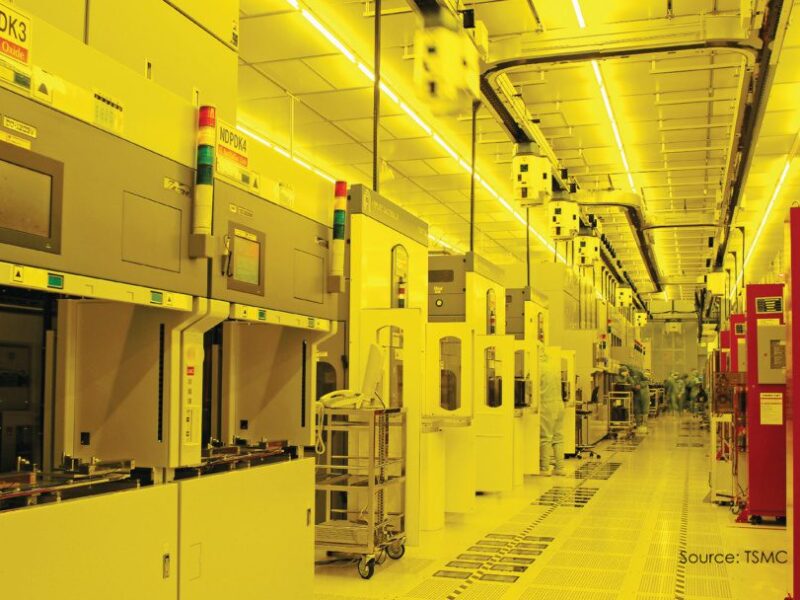
For readers who follow consumer hardware, manufacturing and semiconductor markets, the clearest signal in this cycle is not that every electronics category is growing. It is that AI infrastructure is pulling electronics production upward in several major economies, while older PC and smartphone categories face supply and cost pressure. The 22 October analysis from Semiconductor Intelligence describes an accelerating electronics production pattern across major manufacturing economies in 2026, with Taiwan showing the sharpest expansion because demand for AI infrastructure concentrated there. MyTechDailyNews General breaks down what the numbers mean, how they were measured, and why the same AI boom can make AI-related manufacturing look strong even as everyday device shipments weaken.
Why the 2026 Electronics Signal Matters for General Tech Readers
General tech readers usually care about three practical questions: whether electronics production is expanding, which categories are driving that expansion, and how cost pressure on key components may reach products people buy. The cited production data speaks to all three. When factory output expands because AI infrastructure requires more modules and memory-heavy systems, the visible effect is stronger production in certain supply chains. When memory becomes more expensive and PC and smartphone shipments fall, the effect is closer to product planners: pressure on component costs, production plans and lower-priced devices.
The useful way to read the report is as a split screen. On one side, the build-out of AI capacity creates unusually strong factory performance. On the other side, that same demand competes for memory and components, creating a squeeze in categories that had already been soft. This helps explain why headline manufacturing growth does not automatically mean every gadget market is healthy.
How the Production Numbers Were Measured
To smooth monthly fluctuations, Semiconductor Intelligence measures production using the three-month average change compared with a year earlier. That method avoids treating one noisy month as proof of a new trend. If a single month changes because of timing or temporary conditions, the three-month average can keep the reading closer to the underlying direction.
For general readers, the measurement choice matters. The phrase “electronics output” can cover different product mixes and different national statistical series. The analysis is framed around a production measure designed to compare the same period over time. It is not a single universal ranking of every electronics product on Earth.
The AI Infrastructure Effect in Taiwan
Taiwan is the most visible example of the AI-linked surge. During much of 2026, electronics output in Taiwan rose by more than 100% year-on-year on the cited measure. Semiconductor Intelligence attributes much of that increase to NVIDIA AI modules, with TSMC manufacturing the integrated circuits and other Taiwanese companies assembling them into modules.
In plain terms, the supply chain is doing two connected things: producing integrated circuits and turning them into module-level products for AI systems. That makes AI demand less like a single software story and more like a hardware manufacturing story, because it involves chips, assembly and supporting suppliers.
Japan, EU27 and US Trend Recovery
The report also shows a shift in previously weaker regions. In Japan, the measure changed from a 1.5% year-on-year contraction in January to 17.6% growth in August. That movement suggests a recovery from an early-2026 decline to a stronger mid-year expansion.
For the EU27, production moved from a 10.5% decline in January to 16.9% growth in July. The change is notable because it moves from contraction to growth within the same year, using the same three-month average style of comparison.
On the same three-month average measure, US electronics production rose 8.1% in August, extending an acceleration that began in October 2025. The US reading is smaller than the most dramatic Taiwan expansion, but it still points to manufacturing momentum rather than a one-month rebound.
Asia’s Uneven Manufacturing Gains
Other Asian manufacturing economies also recorded substantial increases. The table below keeps the cited growth figures and periods visible side by side.
| Economy | Electronics production growth | Period |
|---|---|---|
| Thailand | 71% | August |
| Vietnam | 40% | August |
| Malaysia | 22% | August |
| South Korea | 18% | August |
| China | 17% | August |
| India | 14% | July |
These national growth rates should not be confused with an overall global growth estimate. They are economy-level readings from the analysis, and the product mix and role in supply chains differs widely. A strong month in Thailand’s electronics production does not necessarily reflect the same product category that drives Malaysia, Vietnam, South Korea, China, India, Japan, EU27 or US.
Why PC and Smartphone Markets Faced a Squeeze
The manufacturing strength is not evenly distributed. Semiconductor Intelligence cites IDC data showing that worldwide PC shipments fell by about 20% year-on-year in the third quarter of 2026, and smartphone shipments declined by 22%. The increase in memory costs over the year to the third quarter is put at 350%, reflecting heavy demand for DRAM and flash memory.
IDC forecasts an 11.3% contraction in PC shipments for 2026, and Semiconductor Intelligence also cites a 13.9% expected fall in smartphone shipments. As eeNews Europe previously reported on rising mobile DRAM prices, higher component costs have forced handset manufacturers to reconsider production plans, particularly for lower-priced devices.
The relationship between the two stories is important. AI systems need memory, and consumer devices need memory too. When AI-related demand pushes up costs, consumer manufacturers face a difficult choice: absorb the cost, reduce memory configurations, raise retail prices, delay models or cut lower-priced production. This is why an AI-driven production boom can coexist with weak shipment figures for PCs and phones.
What the Wider Industry Outlook Says
The wider production outlook remains positive. Atradius projected worldwide output growth of 11% in 2026 and 7.3% in 2027 in its August electronics and ICT industry outlook. This global forecast covers a broader industry measure than the national production series analysed by Semiconductor Intelligence.
Read together, the national data and the global forecast point to different timescales. The country-level figures show where factory output changed during the year. The global industry outlook shows what another research source expects for the wider electronics and ICT production environment through 2026 and 2027. That is why they should not be treated as identical measurements.
FAQ
Was 2026 a boom year for all electronics?
No. The cited analysis describes stronger electronics production across major manufacturing economies in 2026, especially where AI infrastructure demand was concentrated. At the same time, PC and smartphone shipments fell, and memory costs rose sharply, showing that consumer-device categories faced pressure.
Why did Taiwan show such a large increase?
During much of 2026, Taiwan’s electronics output rose by more than 100% year-on-year. Much of that increase is attributed to NVIDIA AI modules, with TSMC manufacturing the integrated circuits and other Taiwanese companies assembling them into modules.
What does the three-month average tell readers?
The three-month average change compared with a year earlier smooths monthly fluctuations. It helps identify a direction rather than reacting to one unusually high or low month.
Do Japan, EU27 and US show the same story?
They show improvement, but with different timing and scale. Japan moved from a 1.5% contraction in January to 17.6% growth in August. EU27 moved from a 10.5% decline in January to 16.9% growth in July. US production rose 8.1% in August, extending an acceleration that began in October 2025.
Are the Asian figures global growth rates?
No. They are national growth readings for Thailand, Vietnam, Malaysia, South Korea, China and India in the cited period. They should not be confused with an overall global growth estimate.
Quick Checklist: What to Watch Next
- Whether electronics production growth remains tied to AI infrastructure or spreads to more consumer-linked categories.
- Whether memory costs continue to pressure PC and smartphone shipment plans.
- Whether lower-priced device makers can maintain production plans without changing component costs.
- Whether the recovery pattern in Japan, EU27 and US holds through later months.
- Whether global industry outlooks and national production series move closer together or reflect different market realities.
Common Misconceptions
- A high growth number means every factory is expanding. The data covers electronics production at the economy level, and AI-linked modules can dominate some readings while PCs and phones decline.
- AI infrastructure demand only benefits software or cloud companies. The cited Taiwan example connects demand for NVIDIA AI modules to TSMC manufacturing and module assembly by other Taiwanese companies.
- Country growth percentages can be added into a single global total. They are economy-level measures, and the global forecast from Atradius uses a broader industry measure.
- Weak PC and smartphone shipments mean electronics demand is falling everywhere. Memory and AI infrastructure can be strong while consumer devices are squeezed by cost and shipment declines.
Action Advice for Readers and Teams
If you follow product planning, technology reporting or market-related conversations, separate the AI infrastructure story from the consumer device story. The first explains why electronics production in certain economies accelerated, especially through NVIDIA AI modules, TSMC manufacturing and module assembly by other Taiwanese companies. The second explains why shipment declines, memory cost increases and lower-priced handset pressures still matter.
For everyday readers, the practical takeaway is to expect a mixed market: strong production signals tied to AI-related electronics, ongoing pressure in PC and smartphone shipments, and greater attention to memory costs because DRAM and flash are used across categories. For companies, the cited signals suggest the need to watch component cost trends, shipment expectations and production plan changes in categories that share memory demand.