
AI Packaging and Testing Bottlenecks: How Longer Lead Times and Reported Foundry Price Changes Could Reach Buyers in 2027
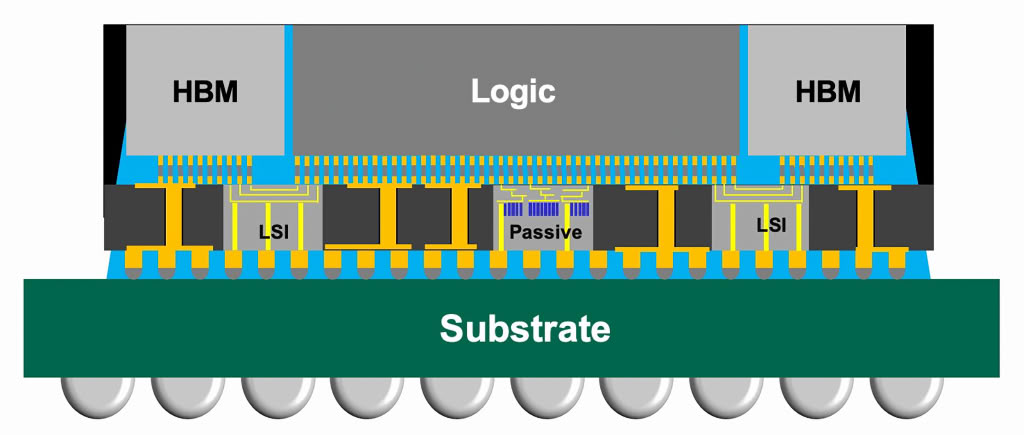
For everyday readers following the AI hardware cycle, the most visible story is usually a new accelerator chip or a faster model. The less visible pressure point is what happens after the wafer is made: packaging and testing. Recent supply-chain reports point to a tighter bottleneck around advanced AI chip assembly, especially the integration of processing dies and high-bandwidth memory into a single package. The same reports also connect that strain to longer equipment lead times, heavier test workloads, and a rumored increase in foundry pricing that could take effect in January 2027.
What the reported constraint is changing
CoWoS is a TSMC advanced packaging approach that uses a silicon interposer to combine the main logic chip with components such as high-bandwidth memory, or HBM. In practical terms, it is one of the steps that allows large AI accelerators to move enough data quickly enough to support demanding workloads. Demand has not been limited to AI graphics processors alone. Server CPUs and custom ASICs are also pulling on the same kind of packaging capacity, which is why backlog and scheduling pressure are being felt across the broader supply chain.
Several reported signals make the tightness concrete:
- Equipment delivery lead times tied to packaging and testing are said to have moved from about 3 to 6 months to about 6 to 8 months.
- Customers are reportedly prioritizing guaranteed delivery more than cost concessions or additional machine features, which is a shift from earlier procurement behavior.
- Nomura Securities estimates that final testing time for NVIDIA's Blackwell chips may be about 4 times that of Hopper, and that Rubin could be about 7 times.
- Taiwan-based media have reported that TSMC may raise wafer foundry prices by about 3% to 6% from January 2027, with higher increases for advanced nodes such as 2 nanometer and 3 nanometer.
The testing point deserves a simpler explanation. Packaging is not just a physical housing step; it is also a qualification stage. If a new chip generation requires more extensive final testing, then even unchanged assembly capacity can become less effective. In that scenario, the calendar matters as much as the factory line: the same production resources may support fewer finished units per month.
Why this is not only an AI chip problem
The clearest direct exposure is to products that already rely on this kind of advanced packaging, especially AI accelerators and data center chips. Gaming graphics cards generally do not use the same packaging path, so they would not be affected directly by a CoWoS price increase in the narrow sense. That distinction is useful because it prevents an overly broad assumption that every GPU or every computer component will see the same immediate change.
Still, the indirect route is not empty. A separate rumor concerns wafer foundry pricing more generally. If that increase is implemented, it could travel through other chips and eventually into some end products. The timing and magnitude would depend on inventory, product cycles, contract terms, and how much of the cost each manufacturer absorbs or passes on. The reported source is supply-chain information, and the companies involved have not publicly confirmed the specific pricing step.
Capacity is being addressed, but the timeline is uneven
At a recent investor briefing, TSMC said AI-related demand remains strong and that the company is working to accelerate capacity expansion. The company also said that a 5x reticle-size CoWoS package has entered mass production, that it is developing larger formats, and that it is advancing CoPoS technology. These are the kinds of moves that show the industry is trying to widen the road rather than merely compete for the existing lanes.
Another reported response involves GlobalFoundries and a multi-year manufacturing agreement worth 20 billion dollars. Under the arrangement, GlobalFoundries would produce silicon interposers for the CoWoS supply chain at a New York state facility. Volume production is reported to begin ramping in the first half of 2028. That makes the near-term picture easier to understand: the solution is visible, but it may arrive too late to materially relieve the bottleneck already forming now.
A quick way to separate confirmed detail from rumor
Because the story mixes company statements, analyst estimates, and media reports, it helps to group the pieces by certainty level:
| Reported item | How it is described | What readers should conclude |
|---|---|---|
| Longer packaging and testing equipment lead times | Supply-chain information | Indicates pressure on assembly and test scheduling |
| Blackwell testing at 4 times Hopper, Rubin at 7 times | Analyst estimate from Nomura Securities | Suggests why test capacity could tighten further |
| Foundry prices up about 3% to 6% from January 2027 | Reported by Taiwan-based media; not publicly confirmed as a specific percentage | Could affect broader chip costs if implemented |
| GlobalFoundries New York state interposer ramp in the first half of 2028 | Reported supply-chain agreement and timeline | Adds future capacity, but may not ease current constraints |
FAQ for general readers
Why does packaging affect AI hardware prices more than people expect?
Advanced AI chips are not just single pieces of silicon. They combine logic dies with memory and other components through specialized assembly. When that assembly or final test becomes the bottleneck, it can constrain finished product volume even if demand is present.
Does a rumored foundry price increase mean my laptop or phone will cost more tomorrow?
Not automatically. The direct effect discussed here is on AI accelerators and related data center chips that use advanced packaging. Broader products could be affected through other channels over time, but that depends on product design, contracts, inventory, and how manufacturers respond to cost pressure.
Why are 3 to 6 months becoming 6 to 8 months important?
Because equipment lead time is a practical signal of capacity stress. If suppliers take longer to deliver the machines needed for packaging and test, expansion becomes slower, and backlog can build.
Why does testing time matter for a new chip?
Longer testing per unit means less throughput over the same period. An analyst estimate that one chip generation needs more test time than the previous one implies a tighter schedule, even if the number of factories stays the same.
Common misconceptions
- “Only wafer production capacity is the story.” The reports show packaging and testing are also binding constraints, especially for high-end AI products.
- “Every chip will see the same price effect at the same time.” The most direct exposure is to AI accelerators and data center chips that use the relevant packaging route. Gaming graphics cards are generally in a different category for direct CoWoS pricing impact.
- “A 2028 capacity plan solves today’s problem immediately.” The New York state interposer ramp reported for the first half of 2028 can help future supply, but it does not necessarily remove near-term tightness.
- “Analyst estimates are confirmed company targets.” The Blackwell and Rubin testing multiples come from Nomura Securities estimates. They are useful for understanding risk, but they are not official product specifications.
Action advice for readers and teams
For readers simply trying to understand what this means, the useful takeaway is to watch two dates and two signals: the rumored January 2027 pricing step and the reported first-half 2028 expansion milestone. If the pricing rumor becomes confirmed, or if analyst and media reports on lead times keep pointing upward, the AI hardware supply chain is likely to stay tighter for longer. If capacity updates arrive faster than expected, pressure may ease more gradually.
- Follow official company statements before treating pricing rumors as fixed facts.
- Pay attention to lead-time reports, not just product launches, because they often reveal capacity strain earlier.
- Separate direct effects on AI accelerator packaging from indirect effects on broader chips and consumer devices.
- Expect product availability, delivery schedules, and procurement terms to reflect testing and assembly constraints before they show up in headline retail prices.
In short, the story is not just that one advanced packaging method is busy. It is that AI demand is stretching a chain of steps that includes assembly, test, equipment scheduling, and possibly pricing. For 2027 buyers, the key question is whether reported constraints and rumored cost increases turn into confirmed changes across the wider chip market.