
MyTechDailyNews Explainer: A 2023 Tesla Model 3 Caught Fire While Parked Overnight — What Owners Should Ask Before Repair or Insurance Claims
Recently, an overseas owner of one 2023 Tesla Model 3 described a night when the vehicle, parked overnight, produced a fire inside the cabin. The photos and post pointed to burned, deformed plastic around the center-armrest cup-holder area, while the headliner and sun visors also showed damage.
The owner said he noticed the incident after the fire had already gone out. He then filed a claim with State Farm and had the car taken to a Tesla service center. Tesla's response, according to the post, was that the vehicle could be repaired, but a written estimate had not yet arrived.
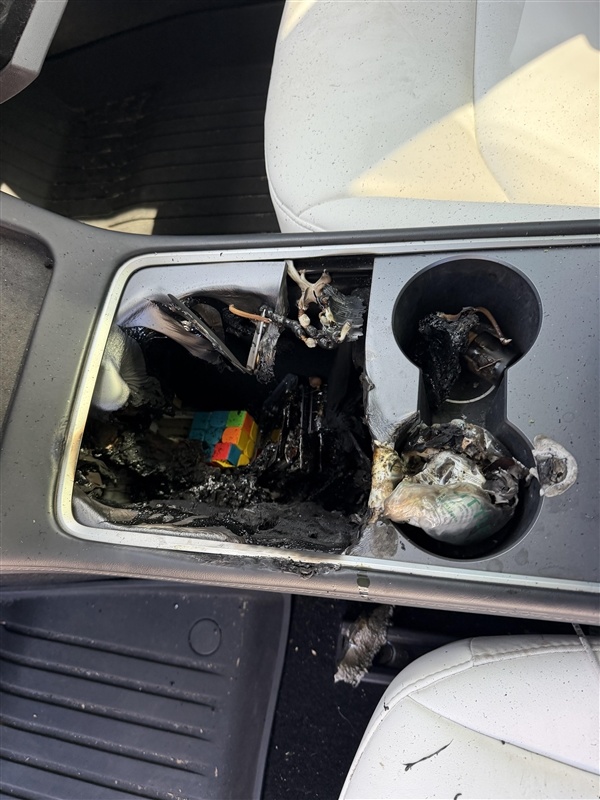
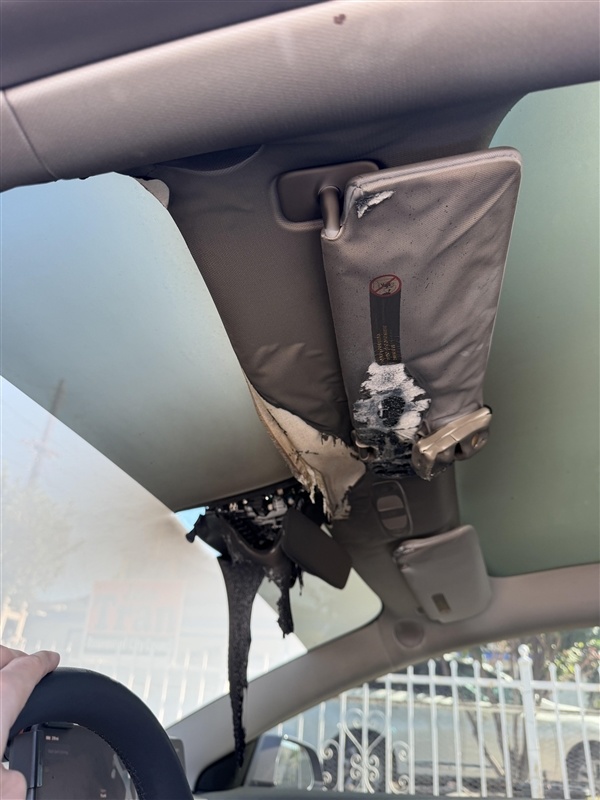
Financial pressure was also part of the story: the vehicle had been owned for less than 3 months, about 20000 USD remained on the loan, there was no GAP insurance, and the deductible was 1000 USD.
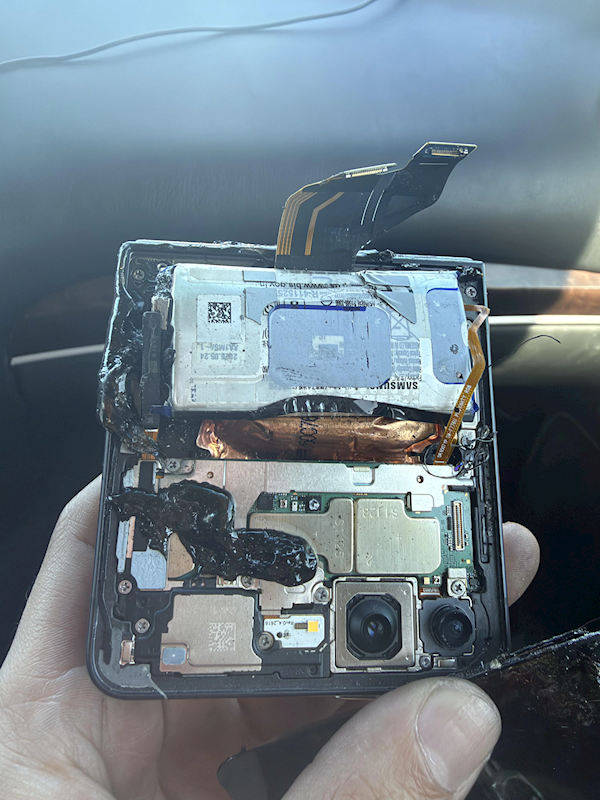
He also mentioned that one Samsung phone had been in the burned area and was not plugged in, but he said he did not know whether it was a trigger.
"I want to figure out what to do before repairs begin: should I ask State Farm to send someone to investigate the cause of the fire? Do I need to push for a total-loss payout, or is that not something I can decide? If the car is repaired, can I get compensation for diminished value because of the fire?"
"If anyone has been through a similar case, especially dealing with Tesla or State Farm, please give me advice. I don't want to miss a key step and take avoidable financial losses."
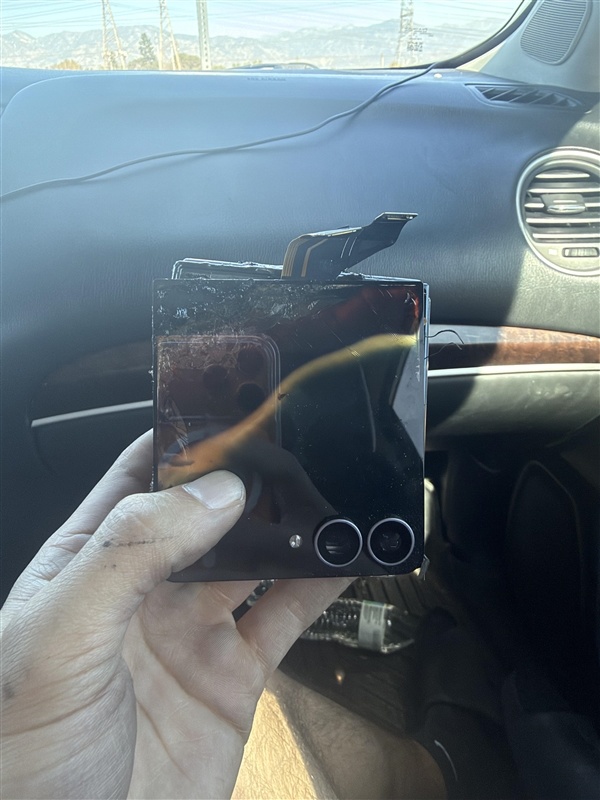
Two public theories appeared in the comments
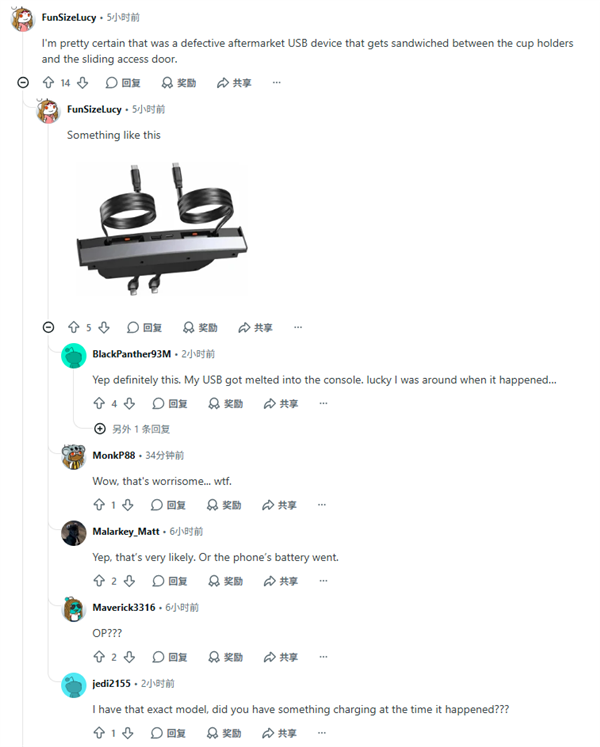
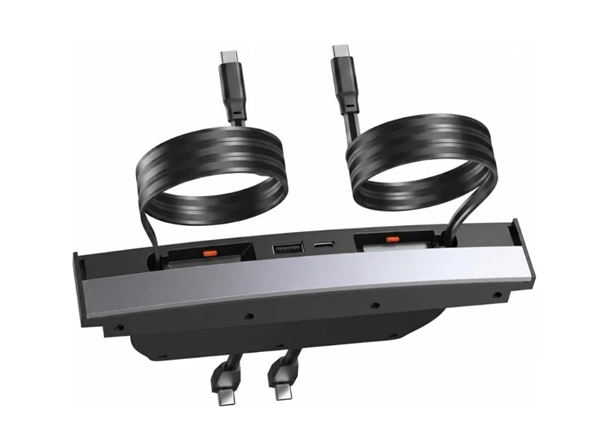
Several readers replied by separating what was visible from what could be proven. One commenter gave a very confident interpretation, pointing to a third-party modified USB accessory that wedged between the cup holder and the sliding service cover.
"I am almost certain the culprit was a third-party modified USB accessory that wedged between the cup holder and the sliding service cover. One hundred percent it was this thing! My own 23 model-year Model 3 had the same accessory, and it caught fire. Luckily I was in the car when it happened, pulled it out quickly, and avoided major damage."
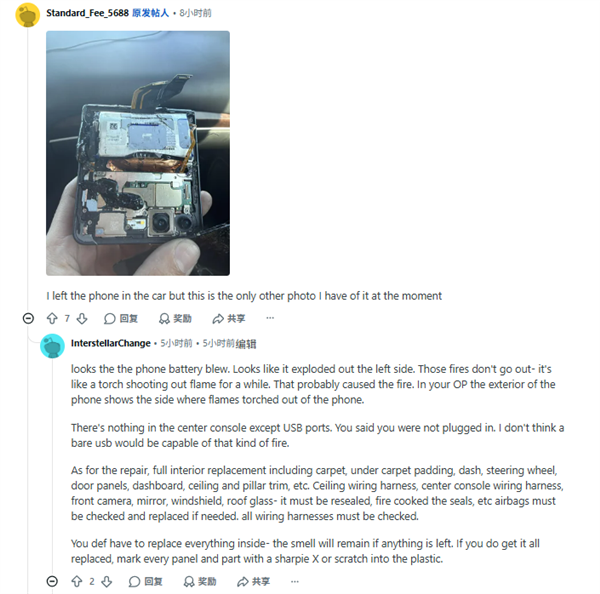
A second commenter, who described himself as a phone repair technician, proposed a different possible source: the Samsung phone battery.
He said he had already encountered two battery thermal-runaway incidents. In one earlier case, the smoke and heat left burn marks on a floor surface and damaged part of a work table.
"It released a lot of thick smoke and high heat, and at the time it also lightly burned my fingertips. That can explain why the roof was scorched, while the phone's metal frame is far more heat-resistant than the car's plastic and fabric interior, so it survived intact."
Why this matters for ordinary drivers
The post is not a certified cause report, and the article should not be read as proof that either Tesla, State Farm, Samsung, or a USB accessory was responsible. What it does provide is a practical consumer case study: when a new vehicle has a cabin fire, the owner may have to manage insurer contact, a manufacturer-service intake, an uncertain repair estimate, and a loan balance that can make every decision more expensive.
For general readers, the important point is that everyday objects inside a car can become part of an investigation. A phone, a charger, a cheap accessory, or an unapproved installation may all raise questions about scope, liability, and evidence. The same event can therefore become a repair issue, an insurance issue, and a product-safety issue at once.
Checklist for owners facing a similar situation
The following checklist turns the incident into a series of clear actions without adding facts to the original case.
- Move people to safety first, then preserve the vehicle and scene for inspection.
- Take date-stamped photos from wide angles and close-ups, including damage to the cup holder, headliner, visors, and nearby personal items.
- Write down where the car was parked overnight, when the owner noticed the issue, and who was contacted first.
- Notify the insurer and ask whether an origin-and-cause review is available under the policy.
- Provide the repair facility with a full list of accessories and personal items that were in the cabin.
- Ask for a written estimate that separates interior parts, electrical components, and any checks related to the vehicle system.
- Compare the claim value with the remaining loan balance, deductible amount, and GAP insurance terms before deciding repair or total-loss handling.
- Keep receipts for after-market USB parts, phone purchases, and any installation work.
Common misconceptions
- An unplugged device cannot be involved. This is not a rule; commenters debated both an unplugged Samsung phone and a third-party accessory.
- Visible interior damage automatically means the vehicle itself failed. Personal items, after-market accessories, and external conditions can also be relevant.
- If a service center says repair is possible, the owner has no financial risk. The owner's post still highlighted loan balance, deductible, and possible diminished value.
- A confident comment is the same as an investigation. Two commenters pointed to different possible sources, while the final cause remained unconfirmed in the public post.
FAQ
Should the owner choose Tesla or State Farm first?
The shared case shows both channels moving at the same time: a claim with State Farm and a vehicle delivered to a Tesla service center. In general, the safer order is safety, evidence, insurer notification, and a written repair scope.
What is GAP insurance and why did the owner mention it?
GAP insurance can cover the difference between the insurer's payout and the remaining loan balance if the vehicle is declared a total loss. The owner said his loan had about 20000 USD left and no GAP insurance, which made the payout question more serious.
Can a phone battery leave a different burn pattern?
A battery can produce heat and smoke, while metal components may survive if plastics and fabrics in the cabin do not. The phone repair technician argued that the pattern in his experience was compatible with a battery event, but this remained a comment, not a confirmed report.
What is diminished value?
Diminished value generally refers to a loss in resale or market value after damage has been repaired, because buyers may see the repair history. Whether it can be addressed depends on policy, insurer review, and local process.
Action advice
If you are in a similar position, do not rely on one online opinion to decide your next step. Build a simple file: vehicle purchase date, loan payoff amount, deductible, GAP coverage, claim number, intake notes from the Tesla service center, photos of the burned area, and a description of any accessory or phone near the cup holder.
Then ask the two separate questions that often get mixed together in public discussion: how will the cause be investigated, and how will the financial result be measured? One affects responsibility and technical review; the other affects whether the owner pays more than expected after the repair is finished.
For now, this MyTechDailyNews report should be read as a reminder that a single cabin-fire incident can create a long tail of practical decisions. The most important takeaway is not to name a culprit early, but to collect evidence, understand coverage terms, and get written repair scope before work begins.