
Wait or Buy? What the Standard iPhone 18's 2nm Chip, Bigger Battery and Higher Price Mean for Your Upgrade Plan
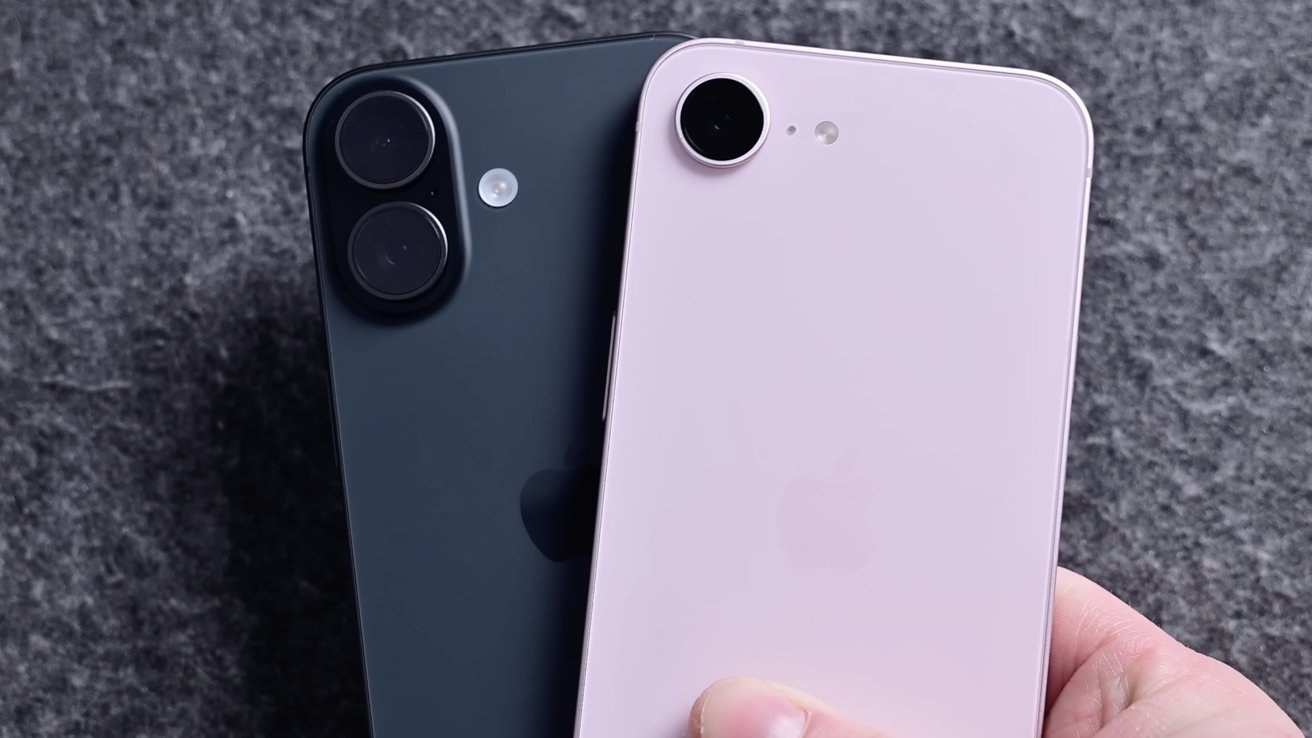
By Sarah Chen, Consumer Electronics desk, Tech Daily
Nobody swaps a working phone because a transistor got smaller. Yet that is precisely what the newest standard iPhone 18 rumors boil down to: a jump to TSMC's 2-nanometer process, a physically larger cell, and — the part that actually hits a household budget — a likely higher ticket than the model it replaces. Apple repriced the existing iPhone lineup this September, memory and storage components are climbing in cost, and the release calendar itself has changed shape. So the useful question is no longer whether the next base model will look better on a spec sheet. It is whether the difference justifies waiting several more months and paying more when it lands. The five-step plan below answers that with things you can check before you open your wallet.
The 60-second answer for three kinds of buyers
- Your phone is a base model from two or three generations back: holding out is reasonable. The reported moves — an A20 chip on 2-nanometer silicon and a bigger battery — both touch daily endurance rather than marketing slides.
- You replace a phone every single year: skip the wait. The design language of the standard iPhone 18 is expected to stay conservative, and Dynamic Island and Face ID carry over unchanged.
- You are torn between the base model and the iPhone 18 Pro series: separate the two questions. The Pro series hardware you want is already on sale, while the base model arrives later and cheaper but with fewer camera and display changes.
Rumored standard iPhone 18 vs. the iPhone 17 you can buy this week
| What you are paying for | iPhone 17 (current shelf stock) | Standard iPhone 18 (per reports) | Checkout takeaway |
|---|---|---|---|
| Screen | 6.3-inch OLED, 120Hz | 6.3-inch OLED, 120Hz, Dynamic Island kept | No size or smoothness gain to wait for |
| Unlock and face login | Face ID | Face ID retained | Identical experience |
| Main camera | 48-megapixel primary sensor, dual rear setup | 48-megapixel primary sensor, dual rear setup | Photography is not the reason to wait |
| Processor | A19 series | A20 chip, TSMC 2-nanometer node | The real upgrade, but mostly in efficiency |
| Memory | 8GB | 9GB reported by analyst Ming-Chi Kuo (six 1.5GB dies) | Relevant for on-device AI headroom |
| Battery | 3692mAh | Larger cell, capacity not yet stated | Endurance gain plausible but unquantified |
| US entry price | Launched at $799, now $899 after the repricing this September | Expected above the predecessor; no figure leaked | Budget the increase, not the hope |
| When you can hold one | Now | First half of 2027 | A wait measured in quarters, not weeks |
Step 1 — Translate the 2-nanometer headline into something you can measure
The chip story is the strongest part of the rumor set. Leaker Digital Chat Station says the standard iPhone 18 will use the A20 chip built on TSMC's 2-nanometer node, which puts the affordable model on the same manufacturing generation as the iPhone 18 Pro series and its A20 Pro chip. For buyers, though, the node is not a benchmark number — it is headroom.
TSMC's own published comparison of the N2 node against the previous N3E generation describes the gains as roughly 15% higher clock performance at the same power draw, or up to 30% lower power consumption at the same speed, according to data presented at the IEDM conference and re-checked in a teardown analysis by TechInsights (techtimes.com). That second variant is the one that matters in your pocket: efficiency, not raw speed, is what buys cooler handling during video recording, longer screen-on time, and a phone that still feels quick in year three. Compared with the A19 series, expect the everyday difference to show up in endurance and thermal stability rather than in app launch times.
Step 2 — Judge the battery claim without a milliamp figure
The same source says Apple is preparing a larger-capacity battery for the standard model. The reference point is iPhone 17 at 3692mAh; anything above it should extend screen-on time, all else being equal. The honest caveat, which no rumor has resolved: capacity alone does not predict a day of use. Screen brightness policy, the cellular modem, background AI workloads and charging habits each move the needle further than a few hundred milliamp-hours.
Treat this as a strong signal with no receipt. Until Apple publishes the number, a battery-driven upgrade argument works only if your current phone is dying before dinner and you cannot live with a swap or a recharge during the workday. If a power bank already solves your day, the rumored cell is not worth several months of waiting.
Step 3 — Price the decision against the new baseline, not the old one
Price is where the standard iPhone 18 story gets uncomfortable. The leak offers no percentage, but the surrounding evidence points upward. Apple has already lifted the existing iPhone lineup in the US this year: iPhone 17 moved from an initial $799 to $899, a $100 increase, and the iPhone 18 Pro and Pro Max each opened $100 higher than the generation before them.
The underlying reason is component cost, not ambition. AI data-center construction has absorbed memory and storage supply, and research firm Gartner has forecast a combined DRAM and SSD price surge of about 130% by the end of 2026, which it expects to feed into higher smartphone and PC prices (gartner.com). Apple historically absorbed some of that through scale purchasing, but with silicon, memory and other key parts all rising, holding the old sticker becomes harder — and the extra 9GB of reported memory on the base model is exactly the kind of line item that adds cost. Assume the standard iPhone 18 lands above its predecessor's current $899 entry price and set your ceiling before you fall in love with the phone.
Step 4 — Put the wait on a calendar you can verify
Timing has genuinely changed this year. At the September event Apple shipped only iPhone 18 Pro, iPhone 18 Pro Max and the first-ever foldable, iPhone Duo, leaving the standard model out entirely. Product-planning reports then put the standard iPhone 18 in the first half of 2027, potentially alongside the second-generation iPhone Air and iPhone 18e, with production ramp-up news pointing to a spring window (macrumors.com).
Two practical consequences. First, the base model now has its own season, so there is no reason to buy a flagship in the autumn out of fear of missing out. Second, the standard iPhone 18 is not expected to inherit the shrunken Dynamic Island seen on the Pro series, so Apple keeps splitting the lines through screen cutouts, cameras and other hardware differences — meaning the look of your phone will tell people which tier you bought. If that matters to you, the choice is really between the Pro lineup today and the standard model later, not between two versions of the same thing.
Step 5 — Do the trade-in maths before the wait, not after
Waiting has a price, and it shows up as depreciation. Resale tracking firm SellCell's figures reported in September 2026 put a one-year-old iPhone 17 Pro at roughly 62% of its launch price, a two-year iPhone 16 Pro near 49%, a three-year iPhone 15 Pro around 39% and a four-year iPhone 14 Pro close to 30% (tw.news.yahoo.com). The curve drops fastest after year three, when battery service also becomes likely.
- Three years or less and still functional: your old phone still funds a meaningful slice of the new one — waiting costs you real residual value.
- Four years or more: the cliff is largely behind you, so a wait into the first half of 2027 is financially cheap.
- Any age: quote your device on three channels — Apple's own trade-in, your carrier and a certified resale marketplace — right now, and again when the phone is announced. The highest number is your true budget.
Four misconceptions that quietly push buyers into the wrong purchase
- 2-nanometer means apps will feel dramatically faster. The documented gains at this node are weighted toward efficiency; software optimization, not silicon, decides how your banking app opens.
- A bigger battery automatically means two days of use. No capacity figure has been confirmed for the standard iPhone 18, and endurance depends just as much on display, modem and background workloads.
- Waiting for the next model is always the frugal move. Depreciation is a real cost, and discounted current stock often beats a pricier newcomer on value per dollar.
- Apple raised prices only for the iPhone 18. The iPhone lineup repricing this September applied to phones already on sale, which is a signal about component inflation across the product cycle.
FAQ: the three questions Tech Daily's inbox gets most
Should I buy an iPhone 17 now or hold out for the standard iPhone 18?
If your phone still clears a day of use and is under three years old, buy now and often at a discount. If endurance is already failing and you can stretch to the first half of 2027, the rumored A20 chip and larger cell are the two reasons the wait pays off.
Will the base model handle Apple's local AI features?
Reports point the other way from previous generations: analyst Ming-Chi Kuo has said the standard iPhone 18 and iPhone 18e may carry 9GB of DRAM instead of 8GB, which is aimed at on-device AI workloads. Treat it as a well-sourced rumor, not a spec — and note that a memory bump does not guarantee every top-tier model runs locally.
How much more will it cost?
Unknown, and anyone giving you an exact number is guessing. The pattern this year is a $100 step at the entry point, with component inflation still running, so plan for a higher ceiling than last time.
A seven-day plan before you spend
- Day 1: check Settings for battery capacity, free storage and iOS version. Write the three numbers down.
- Day 2: get a trade-in quote on three channels on the same day, and screenshot them.
- Day 3: set your maximum spend, including tax, case and any accessory — before you read another leak.
- Day 4: decide which single feature would change your day: endurance, camera, storage or AI features. Only one counts.
- Day 5: if that feature is already in current stock, buy it now at the discounted price; if not, move on.
- Day 6: block the announcement window in your calendar for the first half of 2027 and note the second-generation iPhone Air and iPhone 18e as alternative options at that time.
- Day 7: extend the life of your current phone in the meantime — battery service, storage clean-up, or a case with a built-in cell — so the wait costs you nothing.
The rumor picture is unusual in one respect: the standard iPhone 18 looks like a phone that changes what is inside rather than what is on the surface. A 2-nanometer A20 chip and a larger cell are the kind of upgrades that quietly lengthen a phone's useful life, while the 6.3-inch OLED panel, 120Hz refresh, Dynamic Island, Face ID and 48-megapixel main camera stay where they were. That combination makes the decision almost entirely about price and timing, both still unconfirmed by Apple. Run the five steps above, and you will know in a week whether you are a buyer this season or a patient one in 2027. Have a device dilemma of your own? Tech Daily's consumer desk reads every message at hello@techdaily.com.