
MyTechDailyNews ConsumerElectronics Buyer Guide: Samsung Galaxy Buds On Open-Ear AI Earbuds for Daily Listening
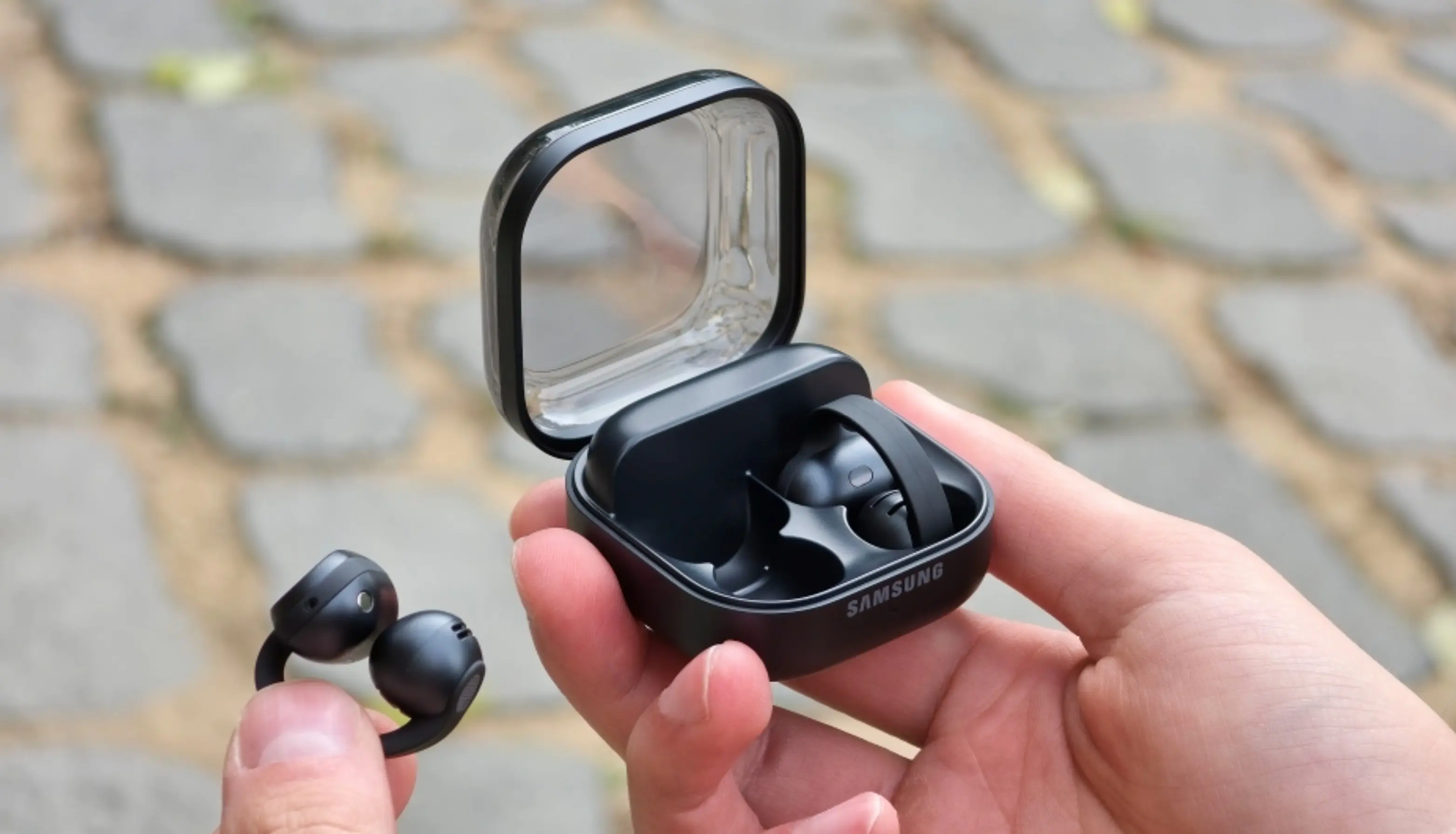
For shoppers comparing earbuds through a MyTechDailyNews ConsumerElectronics buying guide, Samsung Galaxy Buds On is most interesting when the purchase is judged by daily comfort, situational awareness, and voice-assistant convenience rather than by technical labels alone. The product is described as an open-ear hook-style device that connects a Google Gemini Live experience to a wearable audio form factor, while also leaning on Galaxy ecosystem coordination. The practical question for buyers is therefore simple: does the combination of stable wear, external sound access, real-time AI assistance, and call improvement make these earbuds worth choosing for commuting, office work, and outdoor listening?
Because the official story does not present Galaxy Buds On as a closed-isolation audiophile model, buyers should approach it with the right expectations. This guide breaks down the known positioning into decision blocks: what the fit changes, how the audio design behaves, why Gemini Live matters, what to expect from calls and battery, who should consider it, and what to verify before spending.
What the open-ear hook design changes for everyday buyers
Galaxy Buds On uses an ear-hook form, placing it closer to sports-oriented audio gear than to traditional in-ear earbuds. The design goal, as described by Samsung, is to keep the buds secure while reducing the fatigue that some users feel after prolonged wear. For people who wear earbuds through train rides, meetings, errands, and outdoor segments, this balance of stability and comfort is often the first practical filter.
The most important consequence is environmental access. Since the buds do not need to be inserted into the ear canal, traffic sounds, conversation, and other important ambient cues can remain easier to hear. That can make daily listening feel less disconnected, especially in situations where a listener needs to notice announcements, nearby people, or movement around them.
However, open does not mean the world disappears. It means the product accepts a different listening trade-off: awareness and wearability are emphasized, while fully enclosed private sound is not the primary identity. Buyers who dislike pressure in the ear canal are the clearest match; buyers who want the strongest sense of blocking outside noise may need to compare alternatives carefully.
How the sound approach should be judged
Samsung pairs the open shape with its own speaker unit and an open acoustic structure. For a consumer-electronics purchase decision, that wording points to a listening experience built around comfort and external awareness, not around maximum enclosure or isolated immersion. If you usually listen while commuting or working in a place where you still need to hear what is happening around you, this is likely the intended benefit.
There is also a fatigue angle. When no ear tip needs to enter the ear canal, some users who experience discomfort with long in-ear sessions may find an open form easier to accept. Still, the article does not claim universal comfort for every ear shape, so shoppers with tight budgets should treat fit as a personal test rather than assume it will solve every wear problem.
Google Gemini Live is the product’s most decision-making feature
The Galaxy Buds On story is not only physical design. It integrates the Google Gemini Live service, enabling real-time voice interaction without repeatedly pulling out a phone. The described capabilities include answering questions, performing tasks, supporting more natural continuous conversation, checking information, arranging schedules, setting reminders, and controlling devices.
That list matters because it moves the earbuds from “audio accessory” to “hands-adjacent assistant”. If a buyer routinely asks for directions, updates, reminders, or quick actions during commute or work breaks, the value is clear: the voice path is shortened. If a buyer rarely uses voice assistance and mainly wants passive music listening, Gemini Live may be less decisive.
Samsung also frames this AI layer as connected to the Galaxy ecosystem, making cross-device use smoother. For users already living inside Samsung products, this is a reason to consider ecosystem continuity. For users outside the Galaxy environment, the feature may still be attractive, but the strongest switching convenience should be evaluated in terms of their existing devices.
Calls, battery, and connectivity round out the case
For call quality, the product is described as using a multi-microphone array together with artificial intelligence noise reduction. In noisy environments, the stated objective is to improve speech clarity. The open structure leaves environmental awareness intact, but during calls the system is said to process background noise intelligently. That matters for people who answer work calls while moving, because the design has to balance two goals: staying aware and still being understood.
Battery claims are practical rather than absolute. Samsung says that disabling some advanced functions can help provide an all-day experience, while the included charging case extends total runtime. The final duration depends on usage patterns and which features are enabled. In other words, a buyer who keeps AI and advanced functions active should not assume the same endurance as a buyer who uses the buds mainly for simpler listening.
Connectivity uses the latest Bluetooth standard and supports quick pairing with Galaxy phones, tablets, and other compatible devices. Seamless switching is supported between Samsung devices, which is useful for users who move between a Galaxy phone and a tablet during the day. For buyers who already have several Samsung devices, this ecosystem behavior may be as important as the earbud hardware itself.
ConsumerElectronics comparison table: what each buyer should take from the product pitch
| Buyer priority | Relevant Galaxy Buds On trait | Practical guidance |
|---|---|---|
| Comfort during long wear | Open ear-hook design, no need to enter the ear canal | Shortlist if in-ear pressure or long-session fatigue is your main pain point. |
| Awareness while commuting | Open acoustic structure that lets traffic, conversation, and ambient sound remain easier to hear | Useful for listeners who want music or calls without disappearing from their surroundings. |
| Voice assistance frequency | Google Gemini Live integration for real-time spoken interaction | More appealing if you already ask for information, reminders, schedules, or device control by voice. |
| Call clarity in moving situations | Multi-microphone array and AI noise reduction | Consider if you often talk while walking, traveling, or working in busy spaces. |
| All-day power expectation | Advanced features can be reduced for longer use; charging case extends total runtime | Do not compare advertised battery figures without checking which features you actually use. |
| Device switching | Latest Bluetooth standard, quick pairing, seamless switching with Samsung devices | Strongest benefit for users inside the Galaxy ecosystem or planning to keep Samsung hardware. |
| Purchase timing | Gradual global rollout, with local release dates and pricing announced by region | Wait for your market’s official availability and price before judging value. |
Common misconceptions that can lead to the wrong choice
- Misconception: “Open-ear means I will hear nothing outside.” The described behavior is the opposite: outside sound is part of the experience, and the product is designed to keep ambient awareness.
- Misconception: “All-day battery means AI features are always on.” The battery description links extended runtime to disabling some advanced functions, so the real-world endurance is feature-dependent.
- Misconception: “Google Gemini Live makes the phone irrelevant.” The feature reduces the need to take out a phone for certain interactions, but the product still depends on supported devices and ecosystem behavior.
- Misconception: “Samsung device switching works equally well for any brand combination.” Seamless switching is emphasized for Samsung devices, while Galaxy phones, tablets, and other compatible devices are mentioned for pairing.
- Misconception: “Global launch means the same price everywhere.” Availability is described as staggered by region, and local timing and pricing will be announced separately.
FAQ for buyers considering Samsung Galaxy Buds On
What kind of listener is Galaxy Buds On for?
It is most relevant to buyers who prioritize open-ear stability, comfort outside the ear canal, environmental awareness, voice assistance, and smoother use within Samsung or Galaxy ecosystems.
Why is Gemini Live more than a marketing term here?
Because it supports real-time spoken interactions, including questions, tasks, continuous conversation, information lookups, scheduling, reminders, and device control through the earbuds rather than through repeated phone handling.
Do these earbuds isolate the outside world?
No, not in the same sense as an enclosed design. They are built to let important ambient sound remain easier to hear while still improving call clarity through microphone and noise-processing features.
Should I worry if battery numbers sound vague?
You should. The article says specific duration varies with usage and enabled features, and that turning off some advanced functions helps achieve longer use. Treat “all-day” as a conditional claim, not a fixed test result.
When can I know whether the value is right?
Once Samsung’s regional market announcements clarify local availability and pricing, then compare the cost against your need for open-ear comfort, Gemini Live, call handling, and ecosystem switching.
Action advice before you shortlist Galaxy Buds On
- Start with a fit decision. If your last earbuds felt fatiguing because they entered the ear canal, the open-ear hook direction may already address your main complaint.
- Decide whether ambient hearing is a safety or convenience requirement. If you regularly need to hear people and movement during commute, office use, or outdoor activities, this product’s design is aligned with that need.
- Map your voice-assistant habits to the Google Gemini Live feature set. If you ask for schedules, reminders, and quick control actions often, the assistant layer can become part of the value; if not, it should not carry the decision alone.
- Review your device family. Seamless switching is most meaningful when you use multiple Samsung devices, including Galaxy phones and tablets.
- Check local release timing and price before committing. A global rollout is useful, but a purchase decision becomes clearer only when regional availability and cost are known.
Samsung’s Galaxy Buds On is positioned as an open-ear wearable that makes comfort, situational awareness, and AI-powered voice interaction part of the same buying package. For MyTechDailyNews readers in the ConsumerElectronics lane, the strongest appeal is practical: fewer in-ear complaints, easier outside-world listening, and a closer connection between everyday questions and real-time spoken assistance. The final verdict should wait for regional pricing and availability, but the product clearly gives buyers a reason to choose a different earbud shape when daily wearability and awareness matter more than enclosed listening.