
iPhone 18e Rumor Check for MyTechDailyNews Consumer Electronics: A20, 60Hz Display, and Buying Choices
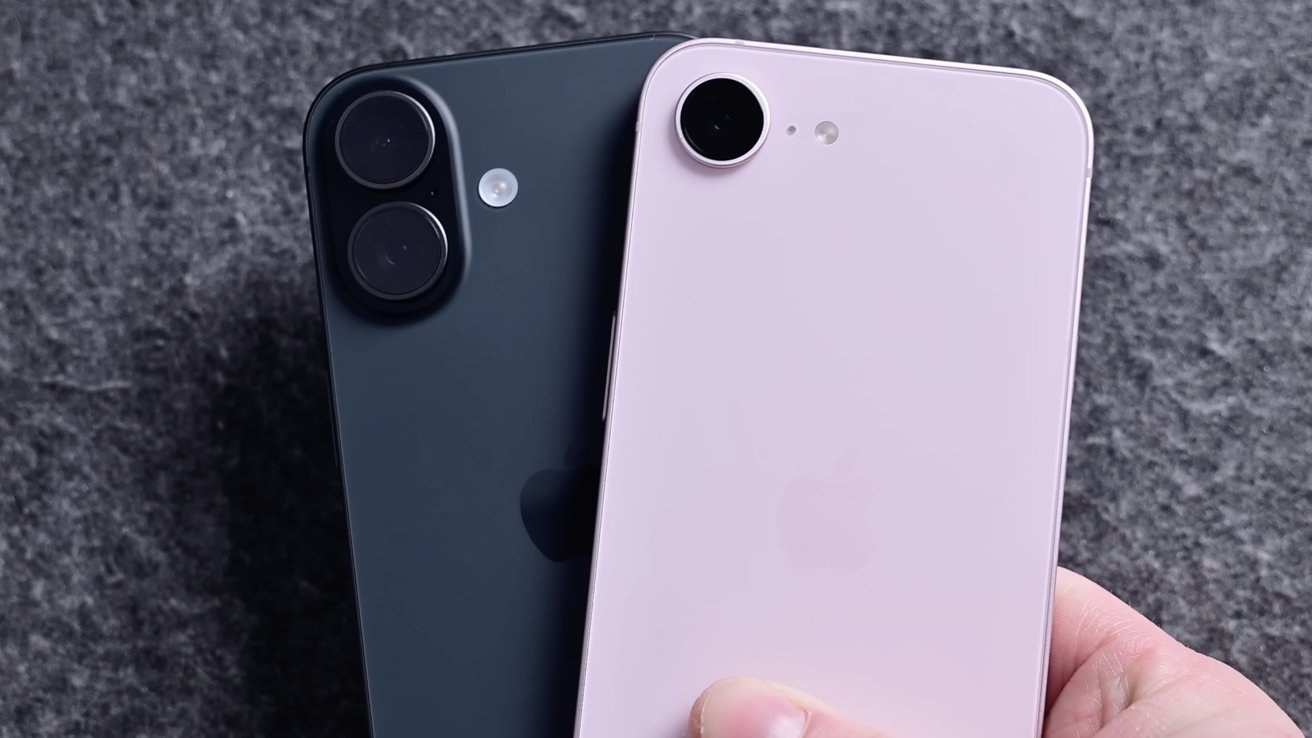
For families, students, and upgrade-minded shoppers, the most useful way to read the current iPhone 18e leak is not as a launch invitation but as a product-plan clue. The rumored phone appears to keep a familiar entry-level frame: a compact OLED panel, a basic 60Hz refresh rate, a single rear camera, and a much stronger processor. Apple has not confirmed any part of this, and the spring 2027 window is still a leak, but the pattern matters for anyone comparing an iPhone 17e purchase today with a future e series phone.
Read the rumor as a trade-off
The display description points to an approximately 6.12 inches screen using OLED with LTPS technology. That combination is aimed at efficiency and cost control, not at the smoothest scrolling possible. Compared with high-end iPhone models that use 120Hz ProMotion, 60Hz is a clear limitation. Still, if the rest of the device stays simple, the saved cost may be directed toward the main silicon upgrade.
Camera rumors are similarly conservative. The back camera may remain a 48 megapixels single-lens system. Apple may adjust sensors or software, but no clear evidence points to a multi-camera layout becoming part of this budget line. The front camera is where one interesting claim appears: Digital Chat Station says a 24 megapixels selfie camera may appear, up from the 12 megapixels front camera found in iPhone 17e and iPhone 16e. If that happens, video calls and self-shot content may look better, but shoppers should treat it as a rumor that has not been fully separated from earlier Apple camera leaks.
Why A20 changes the decision
The most important rumored spec is A20. Supply-chain reports suggest TSMC 2nm production, versus the 3nm A19 in iPhone 17e. In plain buying terms, a newer chip can help apps open faster, support longer software usefulness, and handle on-device Apple Intelligence tasks with less friction. The exact benefit will depend on heat, clock speed, memory, and power management, so the process node alone is not a full performance promise. There is also a rumor that the standard iPhone 18 and iPhone 18e may share the same A20 chip rather than giving the cheaper model a weaker version. If that is true, performance gaps inside the lineup may narrow even while the screen and cameras stay separate.
Memory and looks: still unresolved
Memory reports are not fully settled. One earlier analysis says Apple may move from 8GB to 9GB RAM for iPhone 18 and iPhone 18e, likely because Apple Intelligence workloads need more headroom. The latest iPhone 18e leak does not clearly confirm memory, so this is still an open question. On the outside, the phone is expected to stay close to its predecessors. That means Apple may continue using a traditional notch instead of Dynamic Island, and the overall size and panel approach may not look dramatically different.
Lineup logic for everyday buyers
Apple’s product split is useful context: Pro series devices focus on advanced imaging, display quality, and top performance, while standard iPhone models aim for balance. The e series remains the value branch for people who mostly message, browse, photograph family, stream, and want long app compatibility. For that audience, a processor upgrade can be more practical than a new body, because it may influence app smoothness today and feature support later. The spring 2027 expectation also fits an Apple release pattern in which some models are introduced in different seasons, but that timing is still rumor-based.
Quick comparison table
| Area | What the rumor says | How it affects a buying decision |
|---|---|---|
| Display | approximately 6.12 inches OLED, LTPS, 60Hz | Good if you value battery and price over 120Hz ProMotion smoothness |
| Rear camera | 48 megapixels single camera | Best if software quality matters more than extra lenses |
| Front camera | Possibly 24 megapixels, versus 12 megapixels in iPhone 17e and iPhone 16e | Could improve selfies and calls, but source detail is still fuzzy |
| Chip | A20, rumored TSMC 2nm, versus 3nm A19 in iPhone 17e | The main reason to consider waiting |
| Memory | Unclear; 8GB to 9GB was an earlier rumor | Check RAM before upgrading if you use many AI features |
| Timing | spring 2027 | Do not buy an older phone just for this leak |
Common misconceptions
- Myth: A faster chip means a flagship phone. Fact: A20 may be strong, but a 60Hz OLED display and single 48 megapixels rear camera keep iPhone 18e in the practical value segment.
- Myth: The front camera upgrade is certain. Fact: The 24 megapixels claim comes from Digital Chat Station and may be mixed with earlier Apple rumors.
- Myth: Dynamic Island will return to the cheap model. Fact: Current rumors point away from that change and toward a traditional notch.
- Myth: spring 2027 is official. Fact: Only Apple can confirm release timing.
FAQ for shoppers
Should I wait for iPhone 18e?
Wait only if your current phone still meets your needs and you care about A20, possible Apple Intelligence headroom, or a future e series refresh. If you need a camera now, buy based on real testing and price, not a rumor.
Is iPhone 18e good for games?
The rumored A20 with TSMC 2nm may help performance, but games also depend on cooling, RAM, and screen settings. A 60Hz display may feel less fluid than 120Hz ProMotion.
Is it suitable for family users?
If the phone keeps OLED efficiency and a simple camera system, it can suit messaging, maps, photos, and streaming. It is less suitable if you want Pro series zoom lenses or high refresh display.
Will it replace iPhone 17e?
The leaked structure suggests yes, but exact retail timing and pricing are unconfirmed. Until then, iPhone 16e and iPhone 17e remain the concrete comparison points.
Action advice
- Make a checklist before spring 2027: screen smoothness, cameras, battery, budget, and how many AI features you actually use.
- Separate hard needs from rumor-driven wants: A20 is the strongest signal; 24 megapixels, 9GB, and Dynamic Island are not settled.
- Compare real devices now, such as iPhone 17e and iPhone 16e, then revisit when Apple confirms iPhone 18e.
- If you upgrade early, choose a model that already solves your pain point; do not pay more hoping to approximate Pro series features.
Final consumer note
From a MyTechDailyNews Consumer Electronics angle, the iPhone 18e rumor is mainly about putting A20 into a restrained value iPhone. The phone may appeal to people who want a long-lasting, simple daily device and care less about 120Hz ProMotion, multi-lens Pro series imaging, or a redesign. Because the information is still rumor-based, the safest move is to watch the spring 2027 launch window, then confirm the actual OLED, LTPS, 60Hz, 48 megapixels, memory, and camera setup before making a purchase decision.