
MyTechDailyNews Consumer Check: Samsung Galaxy Fit4 Leak Points to 12 Cards, Three Colors, and a Sub-$100 Band
By Sarah Chen for MyTechDailyNews ConsumerElectronics. Samsung's next small fitness band is starting to take shape before any official announcement. Earlier leaks already exposed the product's appearance, and a teardown of the Galaxy Fit4 Manager app has now pushed several core specifications into the open. For shoppers trying to decide whether to wait, the main question is not whether the Galaxy Fit4 is a radical redesign, but whether a slightly taller screen, a denser interface, and a rumored entry-level price are enough to make it a better everyday pick.
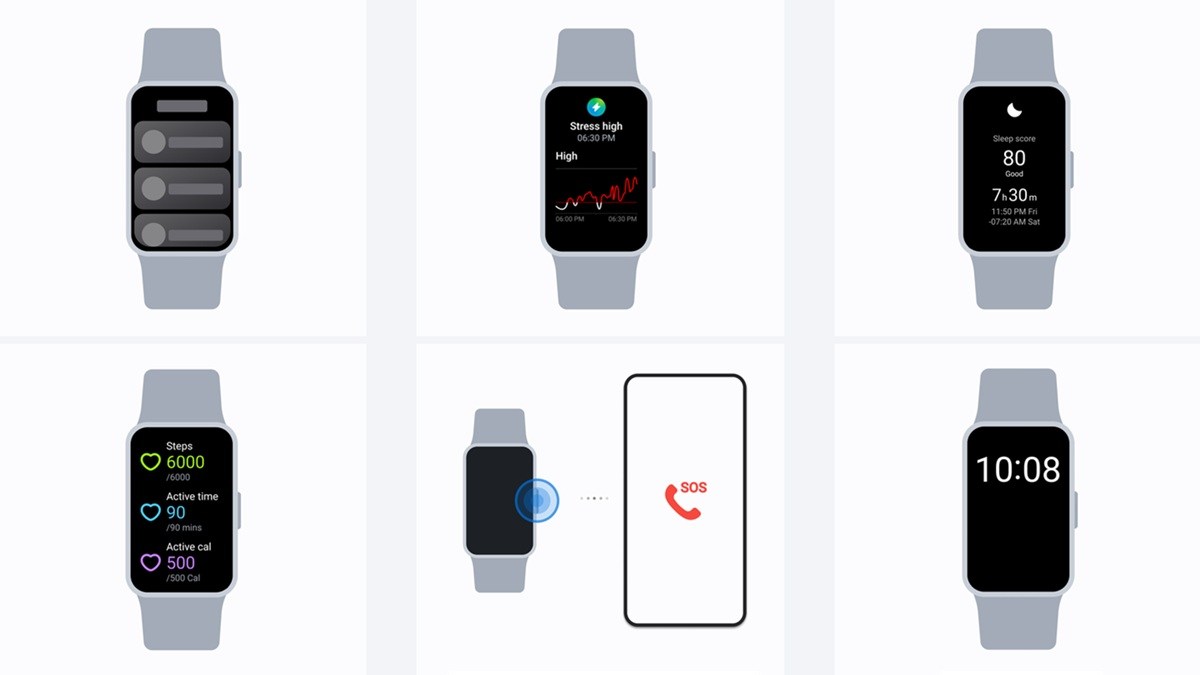
Design is likely to stay close to the Galaxy Fit3
The most important context for buyers is that the Galaxy Fit4 does not appear to be turning its back on the formula Samsung introduced with the Galaxy Fit3 in 2024. The leaked information suggests the new model continues the previous generation's design direction, and the body size is expected to be very close to the Galaxy Fit3. That means people who liked the compact, low-drama wrist experience of the old band are unlikely to see a sudden jump in size or shape from the leak. If anything, the product seems to evolve around usability rather than around a completely new look.
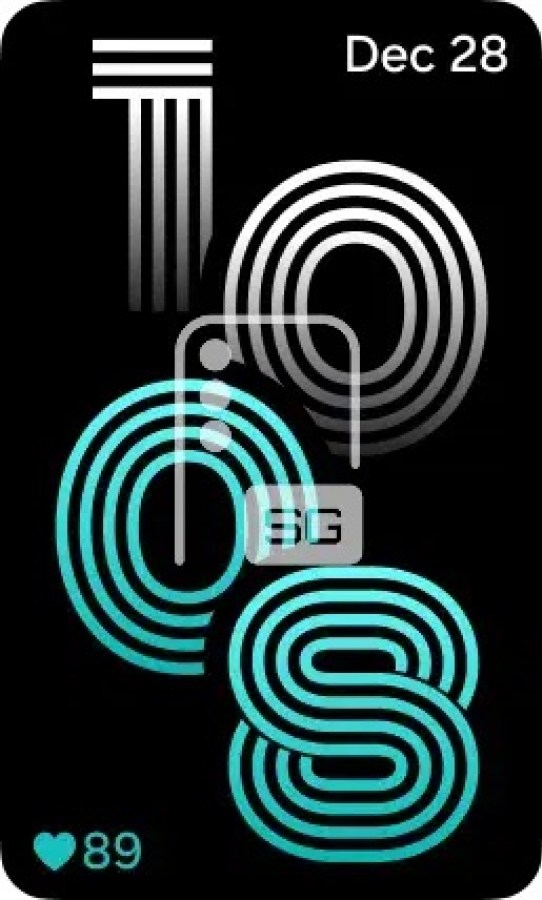
The screen, however, is one area where the numbers do shift. Multiple leaked watch faces point to a display resolution of 258×428 pixels for the Galaxy Fit4. The Galaxy Fit3 uses a 256×402 pixel screen. The difference is small in absolute terms, but it points to a display with slightly more height. For a fitness band, extra height can translate into a more legible dashboard, larger icons, or more room for at-a-glance data without making the device feel like a different product category.
Interface: up to 12 cards may be the practical upgrade
For consumer decision-making, the interface story may be more meaningful than the resolution change. The leak suggests the Galaxy Fit4 can display up to 12 information cards, also called Tiles, in the same view. The practical benefit is straightforward: the user can see more data without constantly switching between separate screens. Daily use of a budget fitness band is often about quick checks, and a denser card layout can reduce the need to scroll or tap through multiple pages just to confirm the numbers that matter most.
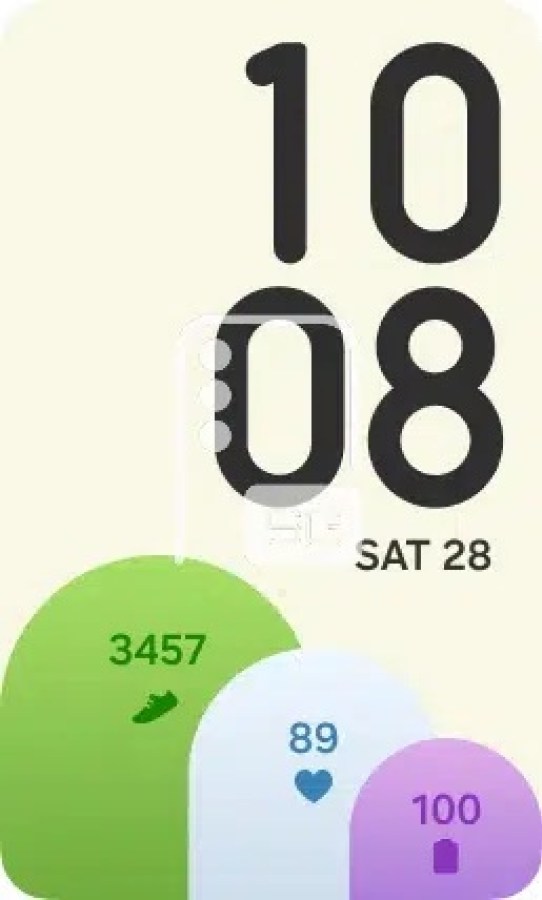

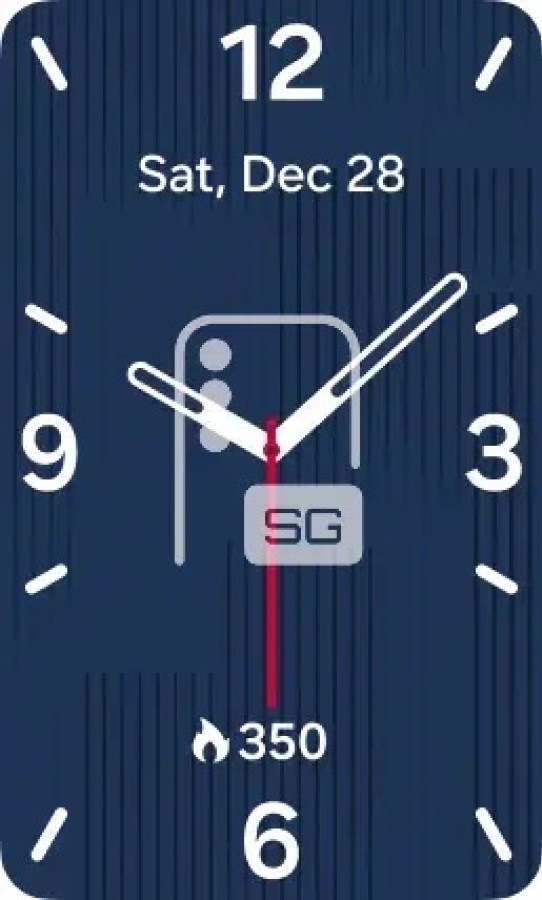

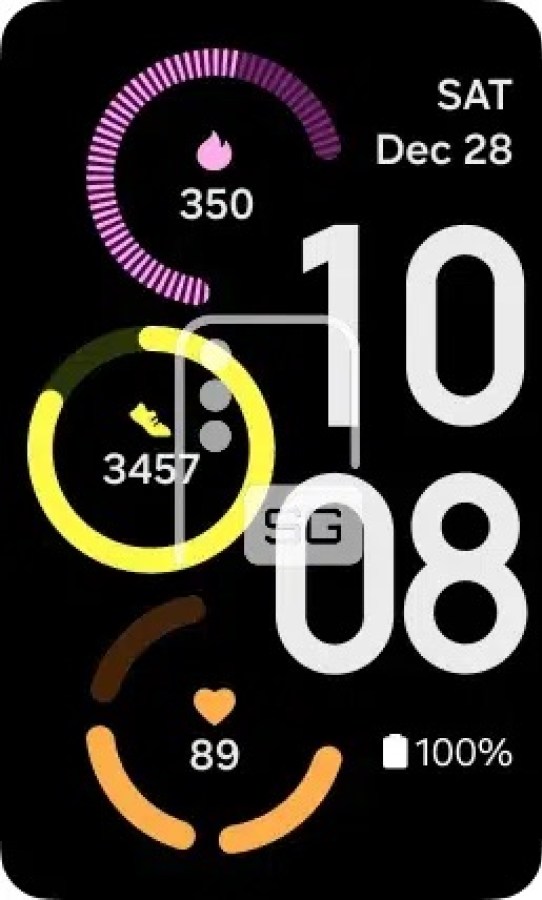
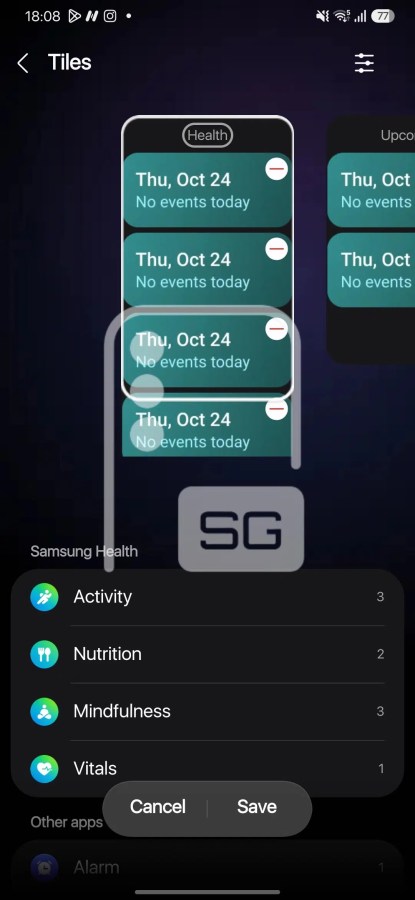
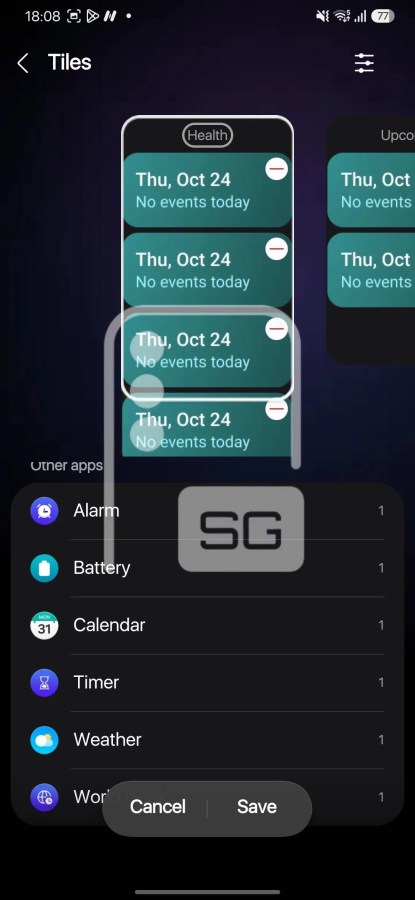
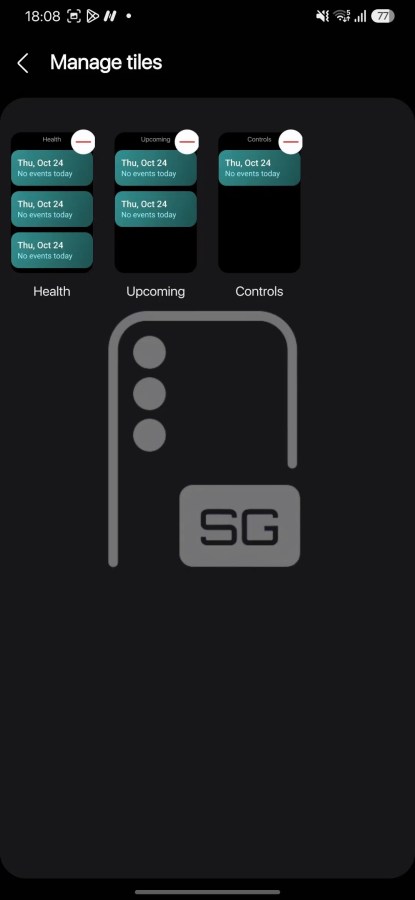
Those interface clues matter because they show the product being shaped around glanceability. A band with 12 cards can still be a simple device, but it can also feel more usable if the layout is clean and consistent. For shoppers who wear a fitness band mainly to check stats quickly, that kind of change can be more relevant than a larger spec sheet number.
Color options: three finishes are being discussed
Based on the leaked watch faces, sources expect Samsung to offer the Galaxy Fit4 in three body colors: black, silver, and light green. The number is not huge, but it is enough to cover common consumer preferences, from neutral black to brighter, less conservative options. Color choice rarely changes performance, yet it can influence how often a person wants to wear the band.
Health features are expected to stay familiar
The health and fitness package in the leak is best described as a carryover story. The Galaxy Fit4 is expected to inherit most of the monitoring capabilities from the previous generation, including step counting, active calorie tracking, heart rate monitoring, high heart rate alerts, low heart rate alerts, blood oxygen saturation detection, and stress monitoring. These are the features that define an entry-level band: not medical instruments, but everyday tracking tools for users who want a compact device on the wrist.
Because much of the feature set appears familiar, buyers should evaluate the Galaxy Fit4 as a refinement rather than a replacement for a completely different kind of wearable. If someone already uses a band for steps, heart rate, blood oxygen saturation, and stress, the leak does not suggest that the Galaxy Fit4 is abandoning those basics.
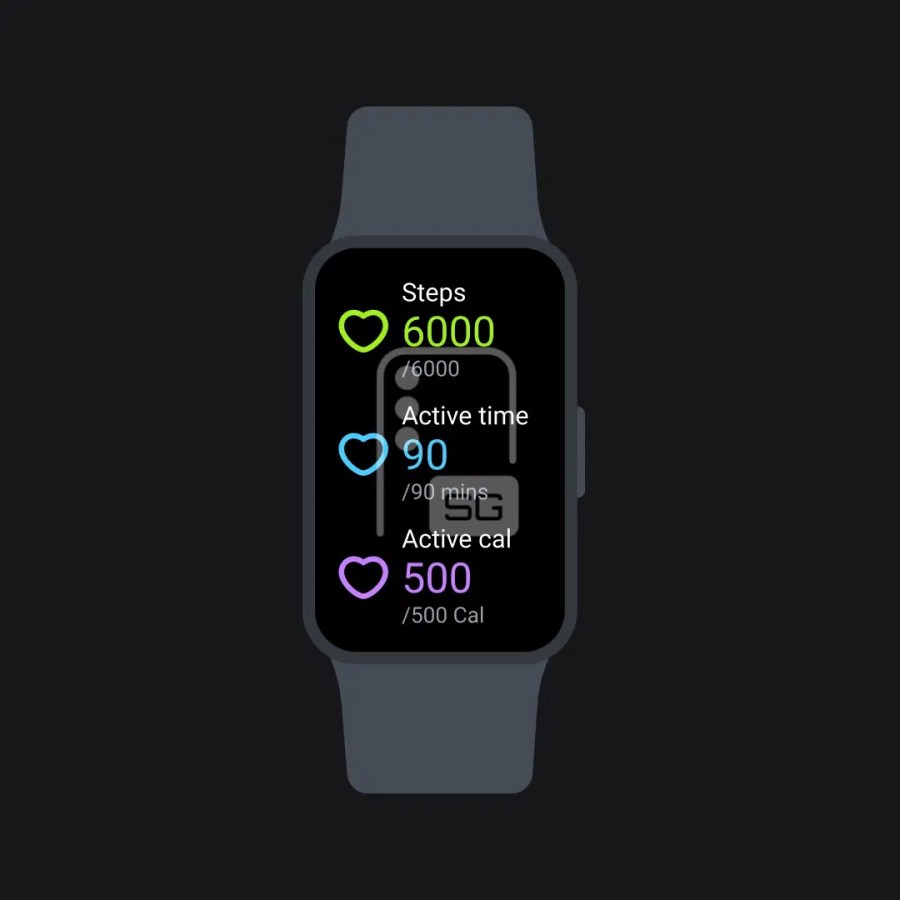
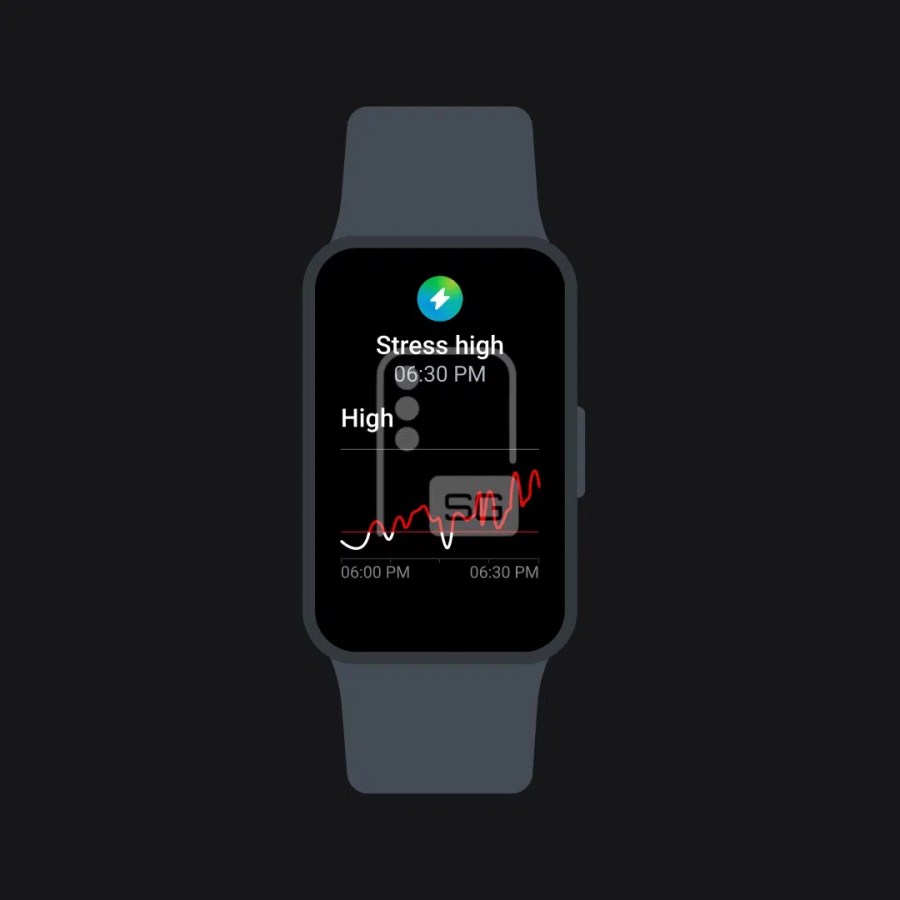
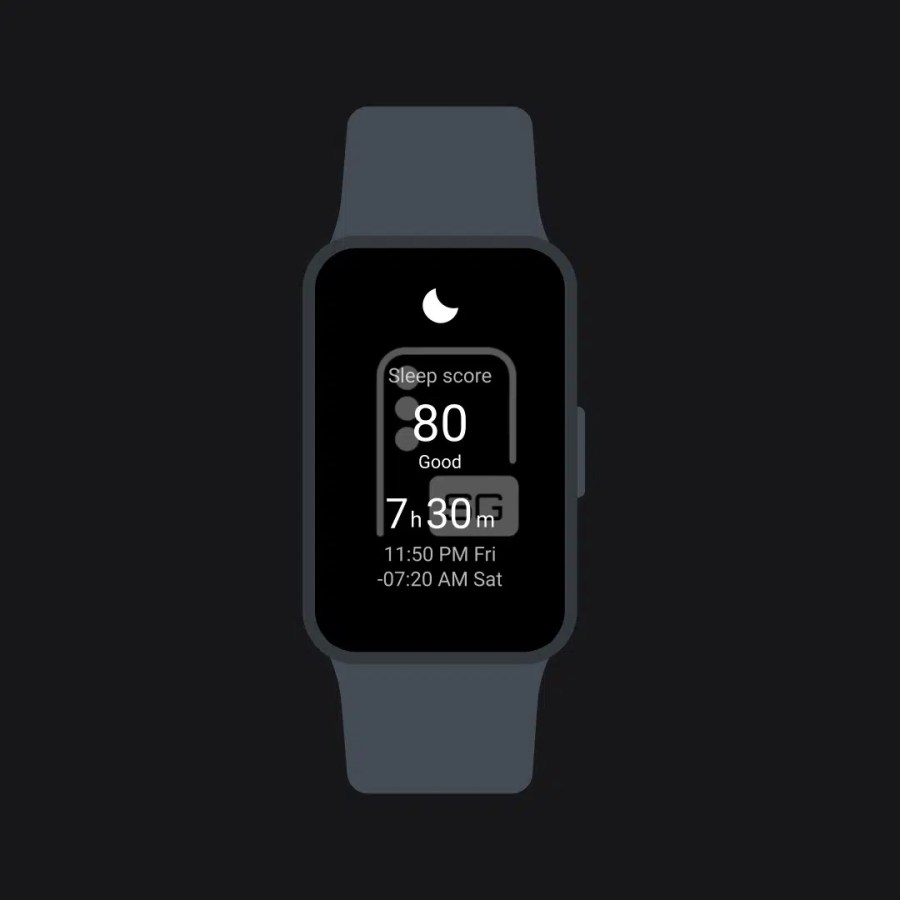
GPS is the missing piece that may affect outdoor buyers
One of the biggest decision points in fitness-band shopping is GPS. Current exposed information does not mention a GPS receiver, which has led to the common judgment that the Galaxy Fit4 may not include an independent GPS module. That is not the same as an official GPS confirmation in either direction, but it is a signal that buyers who need built-in GPS should be careful.
If a buyer's main use case depends on GPS being present on the band itself, the leak suggests Samsung may still be positioning the Galaxy Fit4 around lightweight tracking rather than standalone outdoor navigation. In that situation, the safer approach is to wait for the official specification sheet before making a purchase decision.
Sleep: guidance needs 7 days of use
Sleep tracking is another expected focus. The companion app information indicates support for sleep stage analysis, a sleep score, and sleep guidance. The sleep guidance feature is not described as available immediately. It requires the user to wear the device for 7 consecutive days before it becomes active, so that the system can use accumulated sleep data to provide personalized advice.
That matters for buyers who expect instant insights. A sleep score may be useful early, but the more customized guidance part is built on a 7-day history. If someone values long-term pattern feedback more than immediate reports, this is still a feature worth watching, but it should be understood as a delayed payoff rather than an out-of-the-box recommendation engine.
Price expectation: still an entry-level play
Samsung has not announced the official release date for the Galaxy Fit4. Based on previously circulated information, the expected price after launch is below $100, keeping the product aimed at the entry-level smart wearable market. For shoppers, that positioning does two things at once. It makes the band more attractive to people who want a simple, low-cost companion for steps, heart rate, and sleep. It also sets a practical ceiling for expectations: buyers will likely judge it on screen readability, glanceable interface value, and how closely it matches previous-generation health tracking.
Quick comparison table
| Consumer question | Galaxy Fit3 | Galaxy Fit4 leak |
|---|---|---|
| Display resolution | 256×402 pixels | 258×428 pixels |
| Screen height | Baseline | Slightly taller |
| Body size | Previous design | Expected very close |
| Interface density | Not detailed here | Up to 12 information cards |
| Colors | Not detailed here | Three: black, silver, light green |
| GPS | Not detailed here | No GPS receiver mentioned; may lack independent GPS |
| Price expectation | Not detailed here | Expected below $100 |
Common misconceptions before the official launch
- A leak is not a launch. The Galaxy Fit4 details are not yet confirmed by Samsung's official announcement.
- 12 cards does not mean 12 confirmed new features. The leak refers to information tiles on the interface, not necessarily new apps or services.
- A 258×428 pixel screen is not a major redesign claim. It is slightly taller than the 256×402 screen of the Galaxy Fit3.
- Three colors is likely a style choice, not a sign of different hardware tiers. The current leak does not indicate performance differences among black, silver, or light green models.
- No GPS mention is not the same as an official GPS omission. It only means GPS does not appear in the current exposed information.
- Sleep guidance does not become available on day one. It requires 7 days of wear before activation.
Action advice for shoppers
- Wait for the official spec sheet if GPS is important. Since current leaks do not mention a GPS receiver, buyers who require independent GPS should not assume the Galaxy Fit4 includes it.
- Stay interested if your priority is a compact, low-cost tracker. A below-$100 expected price and a body size close to the Galaxy Fit3 keep the Galaxy Fit4 in the entry-level wearable lane.
- Reconsider upgrades only if the interface is your reason to move. The most consumer-relevant change is up to 12 cards in one view, not a completely new design language.
- Compare the final health list before buying. The leaked feature set mirrors the previous generation, so a buyer should check whether the official version still supports step counting, active calories, heart rate alerts, blood oxygen saturation, and stress monitoring exactly as expected.
- Treat sleep guidance as a later-stage feature. If you plan to rely on it, schedule time to wear the device for 7 consecutive days before expecting the personalized advice.
FAQ: what the Galaxy Fit4 leak does and does not answer
Is Samsung making the Galaxy Fit4 official?
No. The current information comes from an appearance leak and an app teardown of the Galaxy Fit4 Manager, and Samsung has not announced the official release date.
What is the screen resolution?
The leak points to 258×428 pixels, compared with 256×402 pixels on the Galaxy Fit3.
How many cards can it show?
The Galaxy Fit4 is expected to display up to 12 information cards, or Tiles, in a single interface view.
What colors may be available?
The leaked watch faces and source descriptions suggest three body colors: black, silver, and light green.
Will it have GPS?
The current exposure does not mention GPS, so the common judgment is that an independent GPS module may not be included. That is not a final confirmation.
Does it track health data?
The leaked package is expected to include step counting, active calorie tracking, heart rate monitoring, high and low heart rate alerts, blood oxygen saturation detection, and stress monitoring.
How does sleep guidance work?
The app information shows sleep stage analysis, a sleep score, and sleep guidance. Sleep guidance is enabled after 7 consecutive days of wear so the device can use accumulated sleep data for personalized advice.
How much will it cost?
The expected launch price is below $100, keeping the Galaxy Fit4 in the entry-level smart wearable market.
Bottom line
At this stage, the Galaxy Fit4 looks like a measured continuation rather than a bold reinvention: a close-to-Galaxy Fit3 body size, a slightly taller 258×428 pixel display, a more glanceable 12-card interface, three rumored color choices, familiar health tracking, and a sleep-guidance feature that needs 7 days of use. The biggest unresolved practical question is GPS, while the biggest practical attraction for consumers remains the expected sub-$100 price. If you want a simple, affordable band and do not need confirmed GPS, the leak is worth watching. If GPS, official availability, or a major feature jump are your reasons to buy, waiting remains the safer move.