
MyTechDailyNews ConsumerElectronics: Apple iPad mini Buyer Check — 2 nm A20 Pro, OLED, N1/C2, and October 28 Preorder
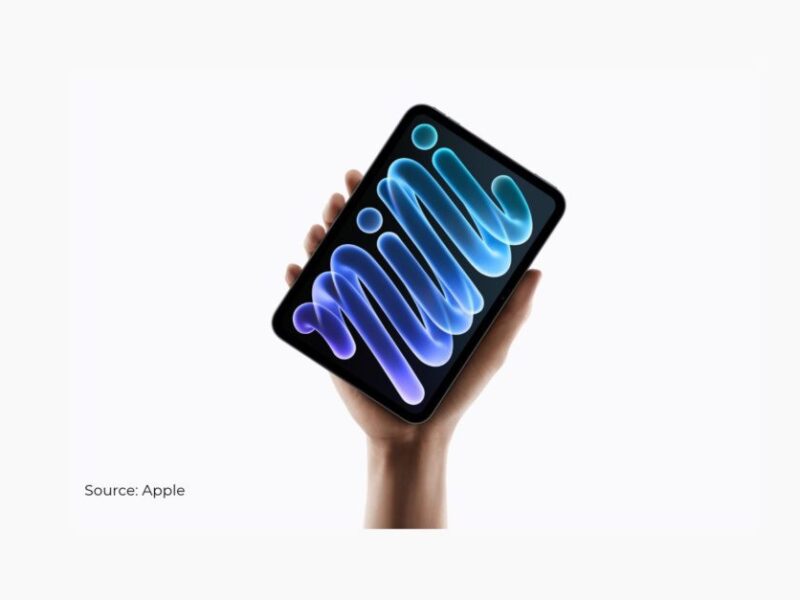
For a consumer shopping a compact tablet, the updated Apple iPad mini presents a straightforward question: do the announced changes to screen, wireless parts, and on-device AI support justify ordering on October 28? Apple describes a move to a 2 nm A20 Pro chip, an 8.5-inch Super Retina XDR OLED display, N1 and C2 connectivity hardware, a 5.4 mm enclosure, and IP67 protection, with preorder starting October 28 and retail availability on November 6 in the United States from $699.
Why the Apple upgrade is different from a routine refresh
The technical reporting aimed at eeNews Europe industry readers highlights architecture. A purchase checklist focuses on what a user experiences: smoother AI tasks, better display contrast, a more compact-feeling screen area, and updated wireless options. Apple states that the 2 nm A20 Pro combines up to six cores in the CPU with a seven-core GPU that contains Neural Accelerators in each core. The company says on-device AI work can be up to 4.5 times faster than the previous iPad mini, while graphics results are reported up to 2.7 times higher and multithreaded CPU performance is stated as 60% faster.
The most notable storage-linked hardware difference is in the 512 GB configuration. Apple says this option adds a Dual 16-core Neural Engine, resulting in 32 cores for heavier AI tasks, and more than double the unified memory bandwidth compared with the prior generation. These upgrades are positioned to support Apple Intelligence and Siri AI in iPadOS 27, including responses that use personal context and information shown onscreen.
Screen, size, audio, and camera points shoppers should check
The display is the most visible consumer change. The previous panel is replaced by an 8.5-inch Super Retina XDR OLED screen, and Apple says the overall footprint stays the same because the bezels are 24% thinner. The panel is described with 1,200 nits peak brightness and a 2,000,000:1 contrast ratio, and an optional nano-texture finish can reduce glare.
Physical design moves in a consumer-friendly direction as well. The tablet is 5.4 mm thick, lighter than its predecessor, and carries IP67 water and dust resistance. Apple introduces an Acoustic Display system that pairs specially designed woofers through the display with tweeters placed between the glass and aluminum enclosure.
Camera hardware is unchanged in headline megapixel terms but remains central to daily use. The iPad mini includes a 12 MP Center Stage front camera on the landscape edge and a 12 MP rear camera that records 4K video at up to 60 fps.
Connectivity choices and cellular speed claims
Wireless hardware is split across two new Apple parts. The N1 chip supports Wi-Fi 7, Bluetooth 6, and Thread. Cellular models use the C2 modem, and Apple says C2 can deliver up to 50% faster cellular data speeds than the previous generation while improving power efficiency. For most buyers, this means the cellular model should be evaluated against your current network conditions, while the Wi-Fi model remains the simpler way to use the device at home or in the office.
Comparison table: which iPad mini configuration fits you?
| iPad mini storage option | What matters for buying | Announcement detail to remember |
|---|---|---|
| 128 GB | Entry choice for users who mainly stream, browse, take notes, and keep a limited app and media library. | The published starting price is $699 in the United States. |
| 256 GB | Capacity-focused choice for users who need more local files but do not require the extra AI hardware option highlighted for the top configuration. | The storage option is listed in the announcement alongside 128 GB and 512 GB. |
| 512 GB | Best fit when heavier on-device AI tasks are a priority, because this configuration is the one where Apple adds the Dual 16-core Neural Engine. | Apple says the 512 GB option provides 32 cores for heavier AI tasks and more than double memory bandwidth. |
Because the announcement lists storage but does not give separate prices for each tier, the $699 figure should be treated as the entry price in the United States rather than a per-storage price.
Common misconceptions before checkout
- A larger 8.5-inch display does not automatically mean a larger tablet. Apple says the footprint stays the same because the bezels are 24% thinner.
- The N1 and C2 chips describe the device's wireless hardware. Real network speed still depends on router, carrier, and location, even though Apple states cellular gains of up to 50% faster data speeds.
- IP67 is a water and dust resistance rating, not a statement that the tablet can be used in any wet environment.
- The storage tiers are not interchangeable for AI hardware: only the 512 GB configuration is described as adding the Dual 16-core Neural Engine and 32 cores for heavier AI tasks.
- An OLED screen and 1,200 nits brightness improve viewing, but the optional nano-texture finish is specifically called out for glare reduction.
FAQ for consumers considering the iPad mini
Should I order on October 28 or wait for November 6?
If you want a guaranteed place in the first retail window, preorder is the option available from October 28. If you want in-store purchase, retail availability is scheduled for November 6.
What should I expect to pay first?
Apple lists starting prices from $699 in the United States for the new iPad mini.
Which upgrade is most likely to be noticeable every day?
For general use, the 8.5-inch Super Retina XDR OLED display, 1,200 nits peak brightness, and 2,000,000:1 contrast ratio are the most visible changes. The 5.4 mm thickness and Acoustic Display also affect handheld comfort and media playback.
Does this device require iPadOS 27 to matter?
No single hardware detail is tied only to a future software feature, but Apple positions the A20 Pro, Neural Accelerators, Dual 16-core Neural Engine, and memory bandwidth gains as support for Apple Intelligence and Siri AI in iPadOS 27.
Is the cellular model necessary?
Only if you need mobile data away from Wi-Fi. The cellular option uses C2 and can be considered when you value the stated up to 50% faster cellular data speed and the power-efficiency improvement.
Action recommendations for MyTechDailyNews readers
- Choose storage first: pick 128 GB for the published entry price, 256 GB when capacity is the main issue, and 512 GB when you want the announced Dual 16-core Neural Engine upgrade.
- Decide between Wi-Fi and cellular: cellular adds C2, but your carrier and location determine the practical benefit.
- If glare is a daily problem, add the optional nano-texture finish to your shortlist.
- Confirm that Apple Intelligence and Siri AI in iPadOS 27 are features you will actually use; otherwise the 4.5 times faster AI claim may matter less than display and portability.
- Set a calendar reminder for October 28 preorder and November 6 retail availability, then compare the listed storage tiers before checkout.
This refresh is best understood as a compact tablet with a more modern screen and a hardware foundation aimed at on-device intelligence, rather than a broad consumer product overhaul. If your current iPad mini already meets your needs for browsing, notes, media, and calls, the strongest upgrade case is OLED viewing, the 2 nm A20 Pro platform, and the AI-oriented features supported by iPadOS 27. Tech Daily readers can send consumer hardware questions to hello@techdaily.com.
By Sarah Chen, Tech Daily consumer technology coverage.